The rollout of James Gunn and Peter Safran’s newly minted DC Universe (DCU) has continually expanded its cinematic footprint, stretching well beyond traditional theatrical releases to incorporate sweeping television events. Even before HBO’s prestige drama series Lanterns officially premiered, the foundation for the expansive interstellar peace-keeping force was thoughtfully laid across the nascent franchise. Nathan Fillion’s memorable portrayal of the brash, gruff Guy Gardner in the theatrical release of Superman introduced audiences to the live-action potential of the Green Lantern Corps within this cohesive universe. However, it was the arrival of Lanterns that truly unlocked the rich, cosmic tapestry of the Green Lantern mythos, bringing long-awaited live-action depictions of iconic figures like Hal Jordan and John Stewart to the forefront.
While the HBO series largely grounded its narrative in terrestrial mystery and procedural investigation, it systematically established that the DCU version of the Green Lantern Corps matches the vast, varied, and eccentric scale found across decades of comic book source material. Beyond the primary trio of Earth-based protagonists, the series embedded subtle nods, direct mentions, and historical records confirming that an entire universe of Corps members operates off-screen. This expansive roster sets a high-water mark for world-building, positioning the cosmic side of the DCU as one of its most intricate and promising narrative pillars.
A Historical Retrospective: Hal Jordan and the Legacy of Sector 2814
At the onset of the Lanterns series, veteran hero Hal Jordan—portrayed by Kyle Chandler—brings a decade of established tenure as the Green Lantern of Sector 2814. As the narrative unfurls, framing a complex, high-stakes mystery in the rural town of Rushville, it becomes evident that Jordan’s career in the cosmos spans at least twenty years. This extensive timeline lends a tangible weight to his character, casting him as a seasoned, battle-worn protector who has seen the absolute best and worst of the universe.
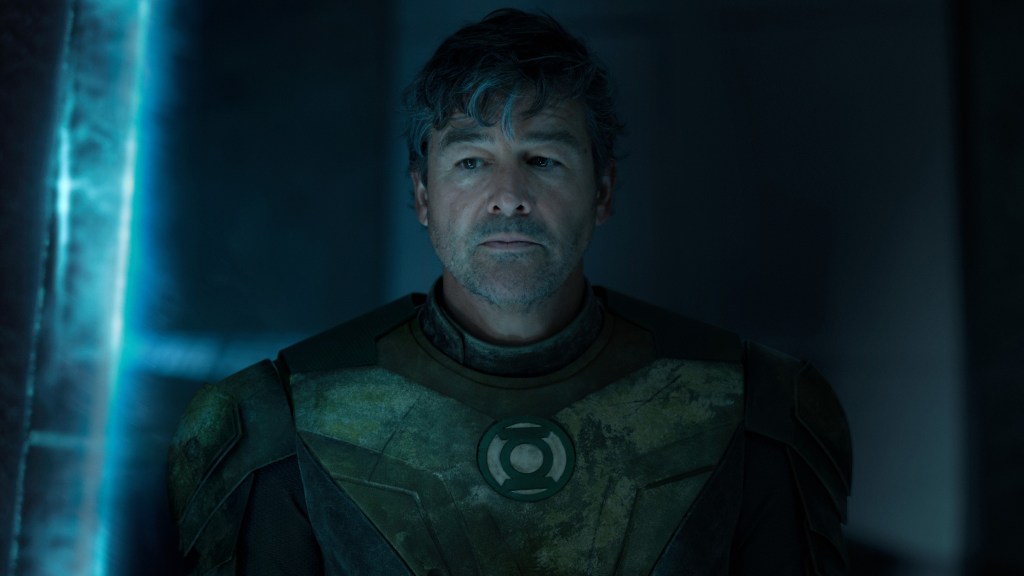
The dramatic conclusion of the series fundamentally alters Jordan’s status within the galactic hierarchy. Following a catastrophic event in Rushville that unfolds under his watch, Jordan is stripped of his active status, effectively retiring the ring and spending the subsequent decade living as an ordinary citizen. Despite the local animosity directed at him by the citizens of Rushville who bore the brunt of the disaster, the series finale underscores that the global population at large still regards Hal Jordan as a foundational hero. This definitive chapter closes the book on Jordan’s active duty in the DCU, cementing his legacy in galactic history while clearing the path for the next generation of protectors.
The Evolution of John Stewart: Forge, Oath, and Autonomy
One of the most compelling narrative arcs in the television landscape involved John Stewart. Throughout his life, Stewart underwent rigorous training to inherit the mantle of a Green Lantern, making his initial, unexpected rejection of the title one of the series’ most shocking twists. However, the narrative payoff reveals a meticulously planned strategic maneuver, as Stewart ultimately embraces the responsibilities of a cosmic protector under entirely unique circumstances.
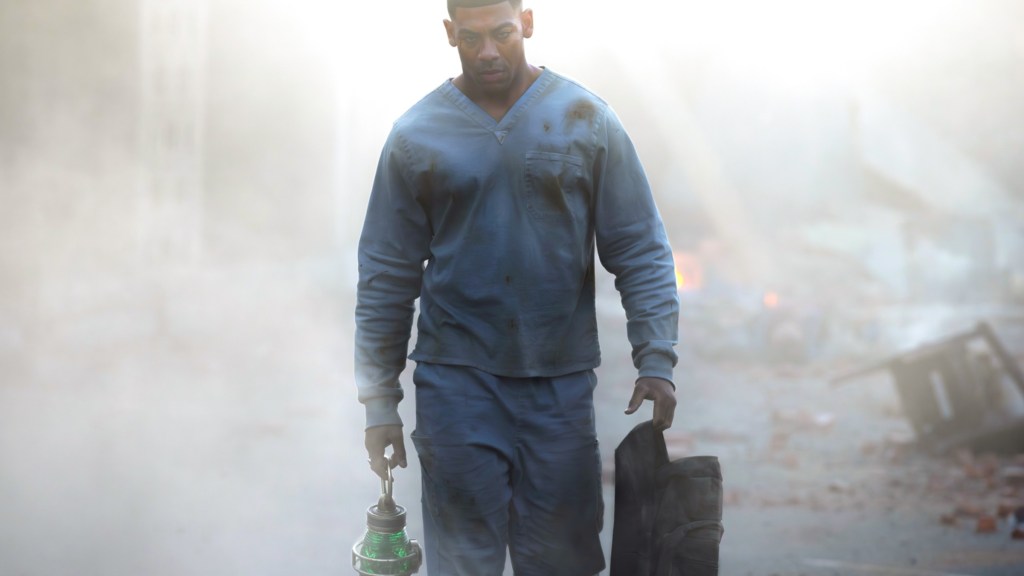
Rather than following the traditional path dictated by the Guardians of the Universe, Stewart assumes the mantle utilizing a distinct, unsanctioned ring forged by none other than Sinestro, alongside the legacy left behind by Hal Jordan’s former equipment. This structural divergence transforms the DCU’s John Stewart into an independent operator. By refusing to answer to the bureaucratic mandates of Oa and establishing his own bespoke oath to channel his willpower, Stewart emerges as a deeply autonomous figure. Industry analysts and fans alike have noted that this narrative independence positions Stewart as a standout focal point for the future of the DCU, offering untethered storytelling potential that deviates from traditional comic book adaptations.
Guy Gardner and the Shifting Boundaries of Earth’s Defense
Nathan Fillion’s Guy Gardner holds the historic distinction of being the first live-action Green Lantern introduced in the DCU, having made his splashy debut in Superman. Fillion’s performance relies on a delicate balance of unyielding bravado, working-class gruffness, and an unshakeable, oafish fearlessness required to pull off the character’s distinct visual aesthetic. Gardner remains a prominent active duty member of the Corps, retaining his standing within the broader hero community, notably highlighted by his continued affiliation with the Justice Gang.
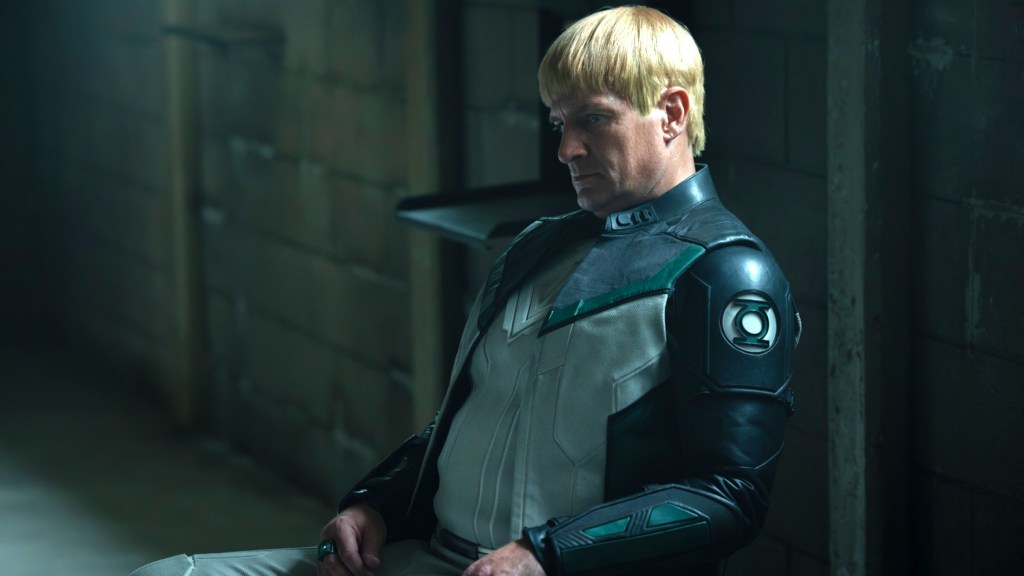
The conclusion of the Lanterns series establishes distinct operational boundaries for Earth’s various protectors. In a pivotal exchange, John Stewart delineates the division of labor, instructing Gardner to maintain his rigorous patrols across the vast expanses of Sector 2814 while Stewart takes direct responsibility for monitoring Earth. This division introduces fascinating geopolitical and cosmic dynamics for future team-up projects within the DCU, setting up ideological friction between officially sanctioned Corps members and rogue operators.
Sinestro and the Seeds of the Fear Spectrum
The inclusion of Sinestro in the television series provided viewers with a nuanced exploration of a complex antagonist whose history is deeply intertwined with the Green Lantern Corps. The narrative confirms that the DCU version of Sinestro shared the uncompromising, authoritarian tendencies of his comic book counterpart. However, the series elevates these stakes by revealing that his descent into radicalism culminated in an attempted coup against the Guardians of the Universe—an act of defiance severe enough to result in the death of a Guardian.
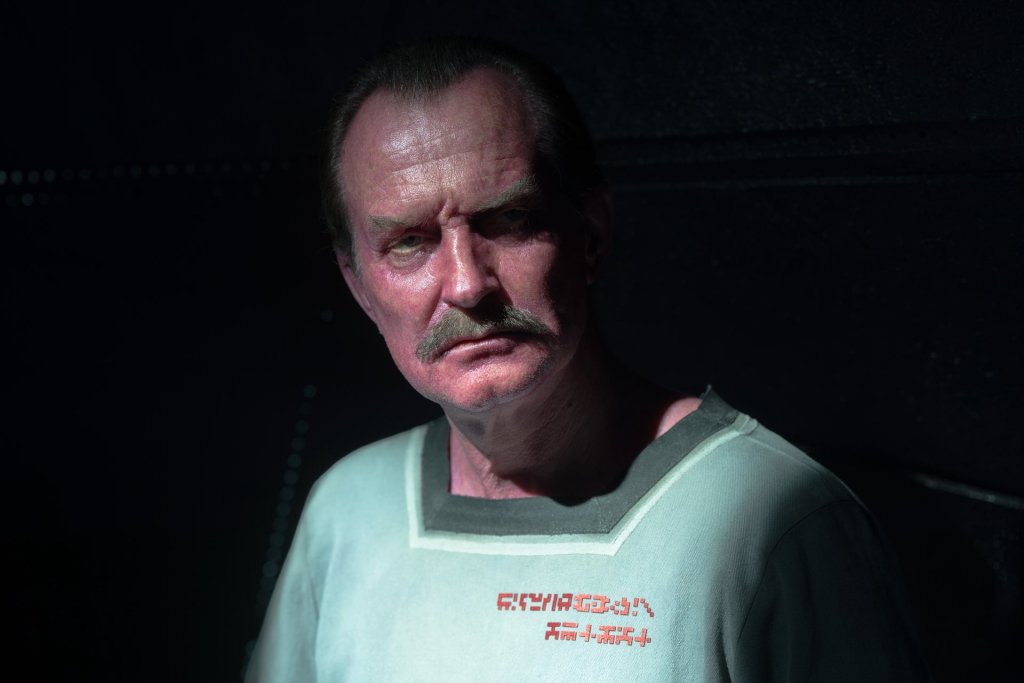
By the end of the series, Sinestro operates entirely outside the Green Lantern infrastructure, but his dialogue strongly telegraphs his future ambitions. Industry observers have pointed to these narrative breadcrumbs as the foundational setup for the introduction of the Sinestro Corps, heavily implying that the Emotional Electromagnetic Spectrum will soon expand to include yellow-light wielders. This trajectory broadens the narrative scope of the DCU, paving the way for massive, color-coded galactic conflicts in future phases.
Abin Sur and the Pre-Jordan Era of Sector 2814
Though never appearing physically in the primary timeline of the series, Abin Sur casts a long shadow over the narrative through Hal Jordan’s repeated reflections. Maintaining continuity with core DC lore, Abin Sur served as the respected predecessor to Jordan in Sector 2814, ultimately meeting his tragic end on Earth and forcing his ring to seek a successor.

The series expands upon this mythology by revealing that Jordan’s ring evaluated multiple candidates before ultimately selecting him. Furthermore, dialogue in the series establishes that Abin Sur was actively transporting a dangerous rogue Manhunter unit at the time of the critical failure that led to his fatal crash on Earth. While the forward-moving timeline of the DCU makes a direct, on-screen adaptation of Jordan’s origin story and Abin Sur’s final moments unlikely, these canonical references firmly embed the legendary alien peacekeeper into the established history of the cinematic universe.
The Extraterrestrial Roster: Ch’p, B’dg, and Mogo
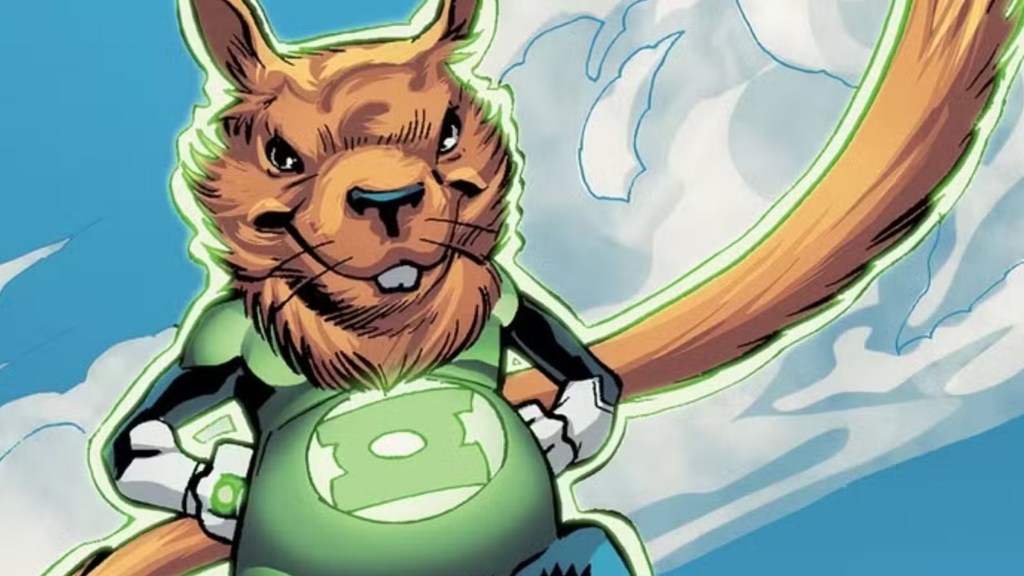
The expansive scope of the Green Lantern Corps is further underscored by casual references to its more exotic, non-humanoid members. Throughout the series, Hal Jordan alludes to various alien Corpsmen stationed across the cosmos. Notably, his remarks regarding a "squirrel" Green Lantern pay homage to fan-favorite characters Ch’p and B’dg, both hailing from the planet H’lven. While Jordan’s personal history hints at lingering resentment—drawing from classic comic book continuity where he and Ch’p trained alongside one another—the explicit canonization of these characters proves that the DCU is willing to embrace the deeply eccentric elements of the source material.
Perhaps the most monumental cosmic confirmation is the existence of Mogo, the living planet. Referenced directly through encrypted passcodes tied to Jordan’s personal history—specifically utilizing the famous phrase "Mogo doesn’t socialize," which also serves as a nod to the character’s debut storyline—the series confirms that the largest Green Lantern in the universe is fully operational within this reality. By weaving these deep-cut cosmic entities into the dialogue, the creative team has signaled that the DCU’s sci-fi frontier possesses limitless boundaries, ensuring that future projects can explore corners of the galaxy far removed from Earth.