A Departure from Traditional Narrative Structures
The game serves as a direct, thematic counterpoint to the xenophobic undertones found in the original works of H.P. Lovecraft. By centering the perspective on a non-human observer, the developers have created a distancing effect that allows players to witness the collapse of human reason without being fully integrated into the colonialist or white-supremacist anxieties that often permeated Lovecraft’s 1930s-era literature.
The narrative is voiced by Lenval Brown, whose performance as the character Howard Blakely—a clear narrative stand-in for the author himself—mirrors the verbose, neurotic, and deteriorating mental state of classic Lovecraftian protagonists. Brown, known for his work in titles like Disco Elysium, provides a grounded, familiar anchor as the player progresses through increasingly surreal environments. The story, however, diverges from the source material by introducing a secondary narrative thread involving a group of Māori warriors tasked with containing the ancient, malevolent forces unleashed by a misguided Nazi expedition seeking occult artifacts.

Mechanical Design and Traversal
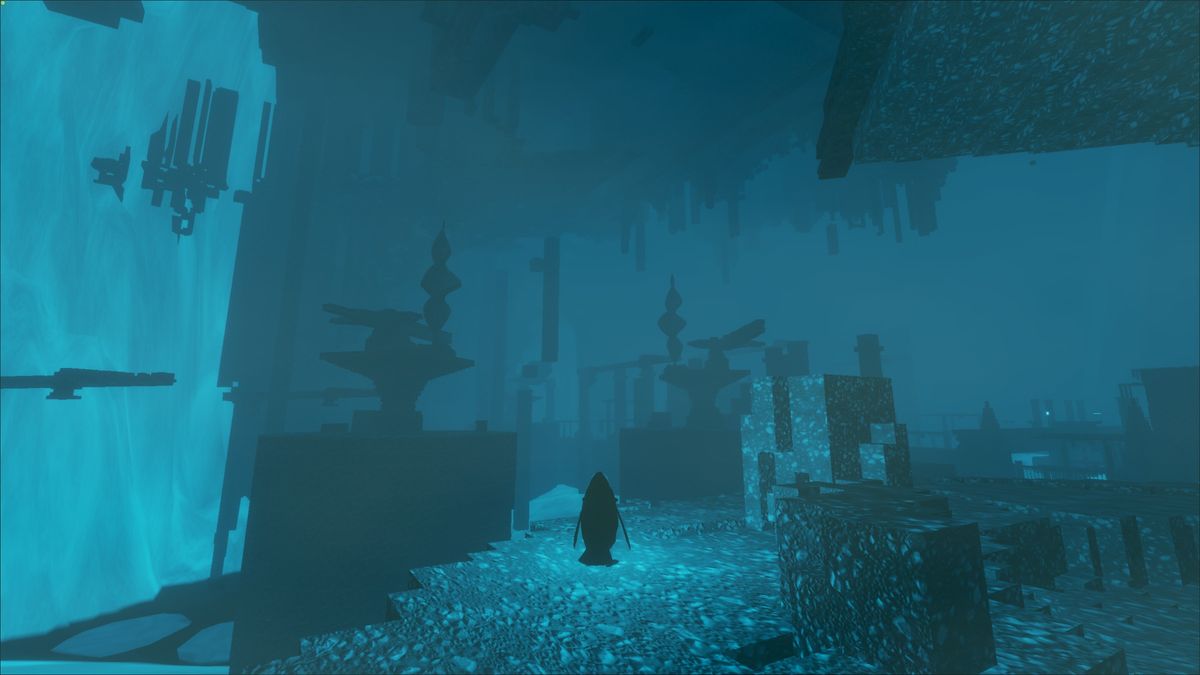
Mechanically, Penguin Colony utilizes a "Foddian" approach to movement—a term derived from games like Getting Over It with Bennett Foddy and Baby Steps—where the physics of the character are intentionally cumbersome. Players control a penguin, navigating icy, unforgiving terrain that often defies logical physics. The ability to possess various penguin species, such as the Rockhopper for its superior vertical leaping, adds a layer of puzzle-solving that is essential for reaching inaccessible areas of the game’s sprawling, subterranean alien megastructures.
Critics have noted that the game’s movement system is deliberately frustrating, intended to reinforce the player’s status as a small, insignificant creature witnessing events of cosmic scale. This design choice has been met with mixed reception. Some players find the inconsistent "mantling" mechanics and the intrusive, neon-colored stamina meter to be significant hurdles, while others argue that these elements successfully convey the helplessness of an animal caught in the crossfire of human hubris and ancient, eldritch threats.
Chronology of the Narrative and Development
The development cycle of Penguin Colony reflects a growing trend in the indie sector of utilizing "high-concept" narratives to explore historical and political themes. The game’s timeline is split between two primary spheres:

- The Expedition: The primary arc follows a 1930s-style scientific expedition that includes both American academics and members of the Nazi party, mirroring the historical interest in occultism prevalent in the Third Reich.
- The Resistance: Interspersed between chapters are vignettes focusing on a Māori party, whose tradition of guarding the southern regions against the "Great Old Ones" provides a stark, proactive contrast to the panicked, reactionary behavior of the main expedition.
The inclusion of these vignettes has been highlighted as a pivotal aspect of the game’s design, effectively serving as an "alternate" history that offers a more disciplined, indigenous perspective on the threats facing the planet. This structure forces the player to interpret the broader geopolitical implications of the story, as the game rarely provides explicit exposition, opting instead for a cryptic, puzzle-heavy approach.
Cryptography and Environmental Storytelling
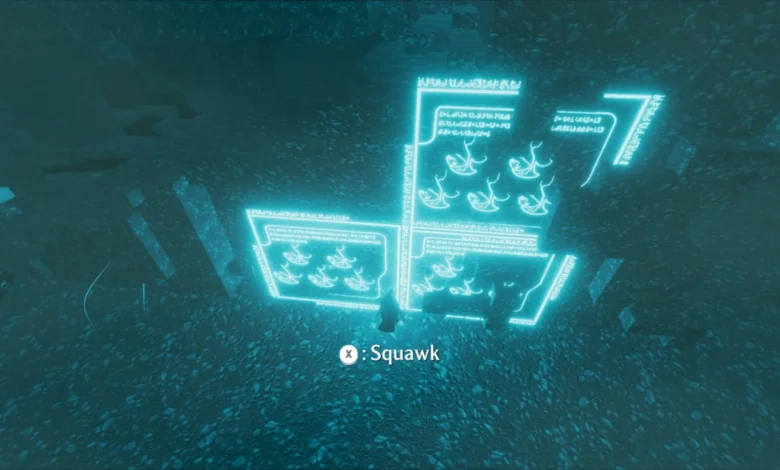
A notable feature of Penguin Colony is its reliance on environmental storytelling and embedded puzzles. The game features a unique system of cursive, alien-inspired hieroglyphs that function as a substitution cipher. Players who invest the time to manually decode these symbols gain significant insights into the deep history of the alien city and the motives of the antagonists. This optional layer of engagement rewards players who are willing to approach the game with the analytical rigor of a researcher, bridging the gap between the game’s "scientific" theme and its player-focused interactivity.
Political Commentary and Industry Impact
Penguin Colony is notable for its direct engagement with modern political discourse. While the game functions as a period piece, it frames its critique of Lovecraft’s personal prejudices through the character of Howard Blakely, who is depicted as a deeply flawed and cowardly individual. The developer, Origame Digital, has taken a firm stance on contemporary issues, including a direct post-credits message condemning the humanitarian crisis in Gaza. This choice has positioned the game as an outlier in an industry that often avoids overt political statements.

The internal data from the development team suggests that the goal was to create a "dual-layer" horror experience: the surface-level terror of cosmic, unknowable beings, and the deeper, grounded terror of the historical prejudices that shaped the genre itself. By juxtaposing these two, the game forces the player to consider how the "horrors" of the past are often inextricably linked to the biases of the individuals who documented them.
Technical Performance and Reception
The game is optimized for a wide range of hardware, having been tested on high-end configurations including the RX 9070 XT and Core i5 12600K processors. Its status as "Steam Deck Verified" ensures that the experience is accessible to portable gaming audiences, which aligns with the game’s compact and modular narrative structure.
While the UI, particularly the stamina indicator, has faced criticism for its lack of cohesion with the otherwise minimalist art style, the technical execution of the game’s massive, ancient environments has been praised. The visual design draws clear inspiration from architectural horror, evoking the feeling of scale found in titles like Scorn or the subterranean depths of the Dark Souls series.
Conclusion
Penguin Colony succeeds as a challenging and introspective piece of interactive media. It does not merely adapt a classic story; it interrogates it, using the absurdity of a penguin protagonist to highlight the insignificance of human ego when faced with the infinite. Although its mechanical frustrations and unconventional pacing may deter players looking for a traditional platforming experience, the game offers a rewarding, intellectually stimulating narrative for those interested in the evolution of cosmic horror. By directly addressing the historical failings of its genre’s predecessors, Penguin Colony establishes itself as a significant, if flawed, milestone in 2026 indie gaming.
Related posts: