Is Spidey and His Amazing Friends key to the MCU? Marvel reportedly has a special team to keep the Spider-Man series in line with future productions.

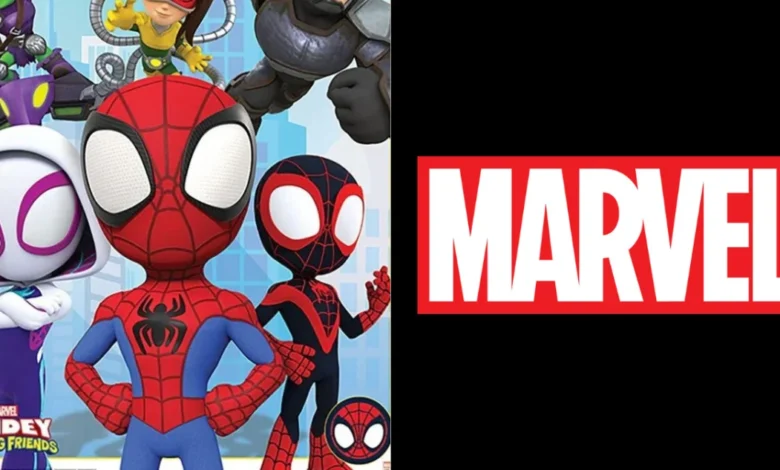
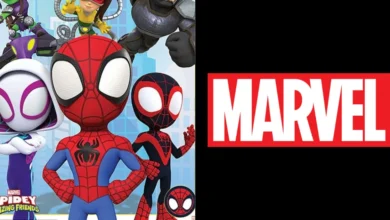
The Marvel Cinematic Universe (MCU) has long been defined by its intricate interconnectedness, a sprawling narrative web that spans over three dozen feature films and numerous streaming series. However, a recent report from The Wrap has shed light on an unexpected layer of this corporate strategy: the high-level oversight of children’s programming. Specifically, the hit Disney Junior series Spidey and His Amazing Friends is being subjected to rigorous scrutiny by Marvel leadership to ensure its narrative trajectory does not collide with the blockbuster film franchise.
While the series is firmly aimed at a preschool audience, its reach is substantial, acting as a primary entry point for the next generation of Marvel fans. The revelation that the show must operate within the parameters of a "master plan" suggests that Marvel’s intellectual property management is far more centralized than previously assumed, extending its reach even into content aimed at children under the age of five.
The Mechanism of Oversight
According to Harrison Wilcox, a key creative figure associated with the production of Spidey and His Amazing Friends, the collaboration between the animation team and the broader Marvel Studios leadership is constant. The goal is not necessarily to integrate the preschool show into the MCU canon, but rather to ensure that the two entities do not occupy the same creative space in ways that could create confusion or narrative redundancy.
This "master plan" functions as a protective measure for the Marvel brand. By maintaining frequent communication, Marvel ensures that the version of Spider-Man presented to toddlers—voiced by Benjamin Valic—does not inadvertently feature plot points, character arcs, or villain introductions that the live-action MCU (currently centered on Tom Holland’s portrayal of Peter Parker) intends to utilize in the near future. This level of synchronization indicates that Marvel views all iterations of its iconic characters, regardless of the target demographic, as part of a singular, guarded brand identity.
Chronology of the Spider-Man Brand Strategy
The evolution of the Spider-Man brand under the Marvel Studios banner has been marked by a series of strategic maneuvers. Following the 2015 deal between Sony Pictures and Marvel Studios, Spider-Man was successfully integrated into the MCU starting with Captain America: Civil War in 2016. Since then, the character has become the cornerstone of Marvel’s cinematic strategy.
Spidey and His Amazing Friends premiered on August 6, 2021, on Disney Junior. Since its debut, the show has become a ratings juggernaut, regularly ranking among the most-watched cable programs for its target demographic. As the show reached its 100th episode milestone, the industry took notice of the creative restrictions imposed upon it. The realization that Marvel’s "corporate wall" extends to a cartoon highlights the shift in how the studio manages its characters: they are no longer just individual stories but are treated as global assets requiring constant, high-level maintenance.
Supporting Data and Market Reach
The influence of Spidey and His Amazing Friends cannot be understated. As a flagship property for Disney Branded Television, the show serves a dual purpose: it generates significant merchandising revenue and fosters brand loyalty among children who will eventually become the core demographic for Marvel’s theatrical releases.
Data from the streaming era indicates that children’s programming is a critical pillar for platforms like Disney+. By aligning the creative direction of a show like Spidey and His Amazing Friends with the MCU, Marvel ensures a seamless transition for young fans. If a child grows up associating Spider-Man with specific personality traits, catchphrases, or visual aesthetics, they are statistically more likely to gravitate toward the live-action films as they mature. This long-term "audience cultivation" strategy is a hallmark of the current Disney business model.
Narrative Implications: Character "Blacklisting"
The most fascinating aspect of this oversight is the negative space it creates. By confirming that the show’s creative team must avoid conflicts with the MCU, it implies that certain characters or plot threads appearing in the preschool series are effectively "off-limits" for the live-action movies.
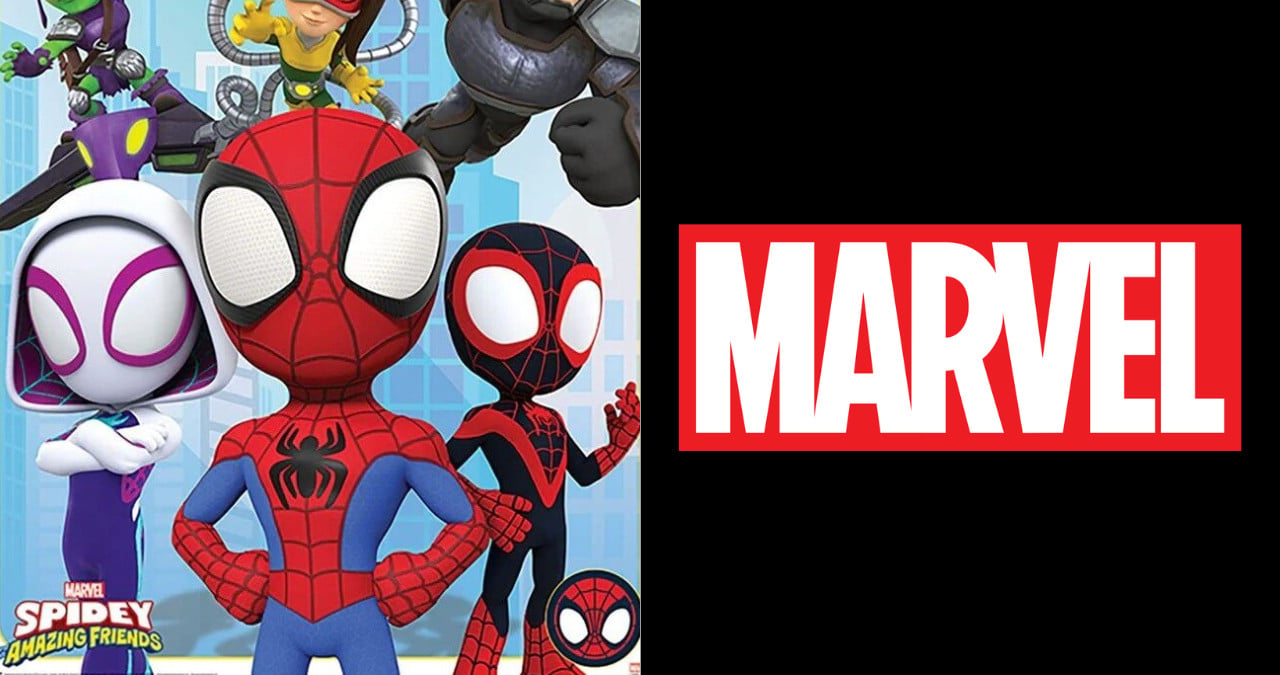
For instance, the introduction of Symbie, a symbiote character, in the preschool series likely signals that Marvel has no immediate plans to explore this specific iteration in the cinematic universe. Similarly, the show has featured prominent villains such as a female iteration of Doctor Octopus and the robotic menace Ultron. Industry analysts suggest that the inclusion of these characters in a preschool show effectively acts as a "dibs" system or a signal of exclusion. If a character is being utilized in a children’s show to provide a lesson in friendship or problem-solving, it is unlikely that the same character will be portrayed as a high-stakes, life-threatening antagonist in a PG-13 or R-rated MCU feature film in the immediate future.
This creates a fascinating, if subtle, taxonomy of Marvel villains and heroes. There are "theatrical-grade" characters, reserved for the high-budget, complex narratives of the MCU, and "animated-grade" characters, who provide the foundational conflict for younger audiences.
The Broader Impact on the Marvel Cinematic Universe
The revelation regarding Spidey and His Amazing Friends is a microcosm of the "Marvel Machine." It reflects a company culture where no detail is too small and no project is too niche to escape the reach of the central brand office. While some critics argue that such strict control might stifle creativity, proponents note that it is this very consistency that has allowed the MCU to maintain a cohesive identity across more than 15 years of content.
Furthermore, this strategy highlights the evolving nature of the Spider-Man franchise. With Spider-Man: Brand New Day slated for a theatrical release on July 31, 2026, the stakes for the character have never been higher. Marvel Studios must balance the need for fresh, innovative storytelling with the need to protect the long-term integrity of one of the most recognizable figures in pop culture.
The fact that a team is dedicated to preventing narrative "clashes" between a toddler-focused show and a global blockbuster franchise illustrates the sheer scale of modern IP management. It is a reminder that the MCU is not just a series of movies; it is a meticulously curated ecosystem where every move is calculated, every character is managed, and every story is designed to fit into a larger, carefully constructed, and highly lucrative puzzle.
Conclusion: A Synchronized Future
As we look toward the future of the Marvel Cinematic Universe, the role of peripheral media like Spidey and His Amazing Friends will only grow in importance. By ensuring that these disparate projects exist in a state of "harmonious separation," Marvel continues to solidify its grip on the entertainment market.
While fans may never see the preschool version of Spider-Man team up with the Avengers in a live-action film, the impact of their shared brand guidelines is felt in every corner of the Marvel portfolio. This level of coordination ensures that whether a fan is three years old or thirty, the version of the hero they encounter is consistent with the corporate vision of the character. As Marvel prepares for its next phase of cinematic expansion, this behind-the-scenes management of its narrative web remains one of the most effective, albeit hidden, tools in its arsenal. The "master plan" is not just about movies; it is about ensuring that the Spider-Man brand remains, above all else, unified.