Skydance Games initiates staff reductions following corporate restructuring as merger integration continues

Just over a month after the completion of Paramount’s acquisition of Warner Bros. Discovery and the subsequent rebranding of the entity as Skydance, the organization’s consolidated gaming division has begun an unspecified round of staff layoffs. The news, which broke via a wave of reports on professional networking platforms, marks a significant shift for the newly formed Skydance Games Studio. The layoffs arrive as a direct consequence of the massive corporate consolidation, which sought to merge Skydance Interactive and Skydance New Media with the assets formerly held by Warner Bros. Games.
The personnel changes were first identified through public announcements on LinkedIn, where departing employees confirmed their separation from the company. Among those impacted are senior developers, engineers, and environment artists, with reports suggesting that entire project teams have seen their headcounts significantly reduced. David Vera, a lead engineer who remains with the studio, publicly acknowledged the loss of talent, while principal environment artist Dana Klaren, one of the affected staff, publicly listed more than 25 colleagues who were simultaneously let go. Furthermore, senior gameplay and AI programmer Rebecca Vessal indicated in a public statement that the vast majority of her specific project team had been terminated, highlighting the scale of the reorganization within certain departments.
A Chronology of Consolidation
The path to this moment began earlier this year when the disparate game studios under the Paramount and Warner banners were unified to form Skydance Games Studio. The objective behind this merger was to leverage the combined intellectual property portfolios of both entertainment giants, creating a powerhouse capable of producing high-fidelity, narrative-driven titles.
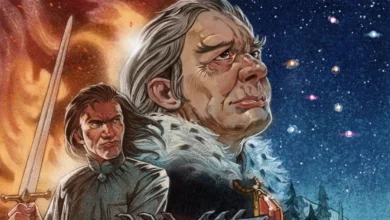
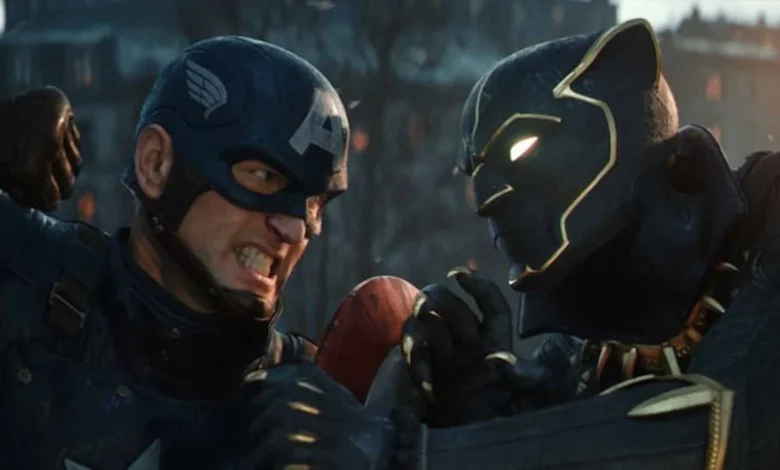
The studio is currently tasked with high-profile projects, including the adaptation of Teenage Mutant Ninja Turtles: The Last Ronin and the highly anticipated, though increasingly mysterious, Marvel 1943: Rise of Hydra. The latter title, directed by Amy Hennig, has faced multiple delays, and current reports suggest the project is in a state of flux. The recent layoffs raise immediate questions regarding the production timelines for these games, as the loss of "a ton of great talent," as described by staff, inevitably creates friction in the development pipeline.
The broader context of this acquisition is defined by the shifting priorities of the gaming industry. Warner Bros. Games, which had experienced substantial success in 2023 with titles like Hogwarts Legacy and Mortal Kombat 1, was nonetheless viewed by some industry observers as a secondary asset during the acquisition negotiations. Netflix co-CEO Gregory Peters famously remarked that his company did not attribute significant value to Warner’s gaming studios, characterizing them as "relatively minor" compared to the grander scope of the acquisition. Despite this, the potential for brand expansion and IP exploitation remained a primary driver for the deal, leaving the gaming division in a precarious position as it attempted to justify its value to the new parent company.
Corporate Strategy and Official Response
In a formal statement provided to industry outlets, a representative for Skydance confirmed that the layoffs were part of a broader "reorganization and operational shift." The statement framed the cuts as a necessary measure to "position Skydance Games for long-term growth and success."
"We have stepped back and taken some time to consider where we are investing our efforts and have made the difficult decision to scale down some of our projects," the representative said. "As a result, there are roles impacted. This is not a reflection of the talent, dedication, or creativity of those affected and we are grateful for their contributions. We are committed to approaching the process with transparency, care and respect for those who are leaving the company."

This rhetoric mirrors the standard language used by major technology and media firms in the post-pandemic era. Since 2023, the gaming industry has seen a continuous wave of downsizing, with thousands of developers losing their jobs as companies pivot away from experimental projects in favor of "safe" bets and cost-cutting measures intended to satisfy shareholder demands for profitability.
Industry Implications and Financial Pressure
The decision to scale down projects at Skydance Games reflects a wider trend of risk aversion in the gaming sector. Major publishers are currently grappling with ballooning development budgets, where the cost of creating a "AAA" title can now exceed $200 million or more. When a project is delayed—as is the case with Marvel 1943: Rise of Hydra—the carrying costs become unsustainable for parent companies looking to trim their balance sheets following large-scale mergers.
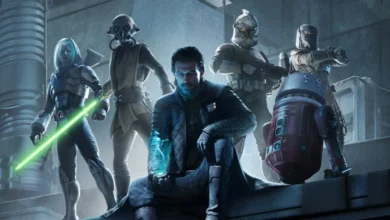
By consolidating resources, the new Skydance leadership is likely attempting to eliminate redundancy. Before the merger, Paramount had two distinct divisions: Skydance Interactive (known for VR titles like The Walking Dead: Saints & Sinners) and Skydance New Media (the narrative-focused arm). The administrative and technical overlap between these entities likely made them primary targets for restructuring. However, the loss of experienced developers in specialized fields, such as gameplay AI and environment design, often results in "brain drain," which can lead to a decline in the quality of the final product and further delays in shipping games to market.
The Human Cost of Market Volatility
While corporate statements emphasize "long-term growth," the human impact on the studio’s culture is palpable. The LinkedIn posts from affected staff members highlight a sentiment of suddenness and, in some cases, confusion regarding the future of the projects they were working on. When a studio undergoes a merger, the internal culture often shifts from a creative-first environment to one focused on reporting lines, budget adherence, and portfolio management.
The departure of senior staff members—individuals who hold the institutional knowledge of the games in development—often creates a vacuum. In the competitive landscape of software development, losing talent to competitors is a significant risk. If the morale at Skydance Games continues to decline, the company may find it difficult to recruit the top-tier talent required to complete the ambitious projects currently on its slate.
Looking Ahead: Can the Studio Deliver?
The future of Skydance Games hinges on its ability to navigate this period of turbulence without sacrificing the core vision of its upcoming titles. Marvel 1943: Rise of Hydra represents a massive investment, and the public’s perception of the game is tied closely to the reputation of the development team. If the studio continues to cut staff while simultaneously failing to provide a clear release window for its flagship titles, consumer confidence will likely wane.
Furthermore, the publishing deal for Teenage Mutant Ninja Turtles: The Last Ronin adds another layer of complexity. As the publisher, Skydance must maintain a degree of oversight and quality control that may be compromised if the internal teams are stretched too thin by the current layoffs.
Ultimately, this event serves as a microcosm of the current gaming industry’s condition: an era of high-stakes mergers followed by the cold reality of efficiency-driven layoffs. While Skydance argues that these moves are essential for survival, the long-term impact on the studio’s creative output remains to be seen. For the developers who remain, the mandate is clear: they must demonstrate the viability of their projects in a climate that is increasingly skeptical of the investment required to bring such massive, cinematic experiences to life. The coming months will be critical in determining whether Skydance Games can stabilize its workforce and deliver the high-quality entertainment it has promised, or if it will continue to struggle under the weight of its own corporate restructuring.