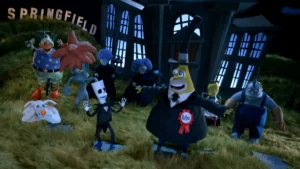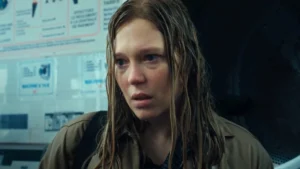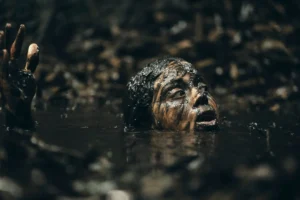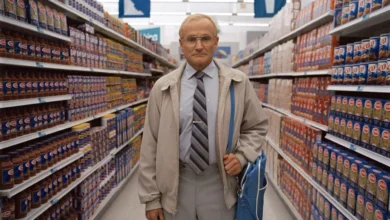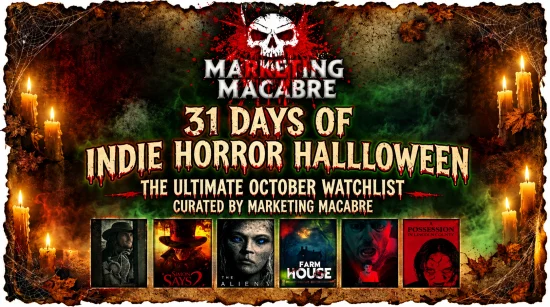
The arrival of October traditionally signals a period of heightened interest in the horror film genre, an industry segment that has seen a significant shift in audience consumption habits over the last decade. As major studios prioritize tentpole releases and established intellectual properties, the independent film circuit has cultivated a robust, alternative ecosystem that thrives on low-budget innovation, experimental storytelling, and niche thematic exploration. In alignment with this seasonal surge in viewership, the horror-focused public relations firm Marketing Macabre has released a curated schedule titled 31 Days of Indie Horror Halloween. This initiative serves as both a distribution roadmap for cinephiles and a strategic spotlight on independent productions that often struggle to achieve visibility amidst the saturation of the mainstream theatrical market.
Contextualizing the Independent Horror Landscape
The independent horror sector has historically acted as a proving ground for emerging directors and a laboratory for unconventional narratives. Data from recent years indicates that while major studio horror films garner the highest box office receipts, independent horror titles frequently experience higher engagement rates on streaming platforms, particularly those specializing in genre content like Tubi, Plex, and various boutique VOD services.
The Marketing Macabre initiative is a response to the fragmentation of the digital landscape. By organizing a daily viewing schedule, the firm attempts to streamline the discovery process for fans who wish to bypass corporate algorithms in favor of grassroots filmmaking. The selection encompasses a diverse array of sub-genres, including found footage, supernatural thrillers, and extreme horror, reflecting the breadth of contemporary independent output.
Chronological Viewing Schedule and Thematic Breakdown
The following timeline details the daily programming curated for the month of October, categorizing the films by their primary thematic focus and availability:
The First Week: Cults, Anthologies, and Hauntings
The month commences on October 1st with Human Hibachi 3: The Last Supper, a production that highlights the recurring theme of cult-driven narratives within indie horror. Following this, October 2nd features F’d: Tales From the End Times, an anthology film that utilizes the "end of the world" premise to explore multiple short-form perspectives.
The focus shifts toward atmospheric and supernatural horror on October 3rd with Borley Rectory, a work centered on historical paranormal investigation. The week concludes with a mix of science fiction and rural horror, including Alien Storm (October 4th), Farm House (October 5th), Revenge of the Corn Zombies (October 6th), and Bone Hill (October 7th), illustrating the industry’s reliance on high-concept, location-based storytelling.
The Second Week: Urban Legends and Psychological Stress
The mid-month period emphasizes the psychological and "creature feature" elements of the genre. October 8th through 12th features titles such as Demon of Serling, Beyond Sasquatch, A Possession In Lincoln County, Sanguire Teeth on a Driftless Road, and The Alien Report. These films demonstrate a trend in indie cinema toward utilizing analog aesthetic choices—such as the found-footage techniques seen in A Possession In Lincoln County—to heighten audience immersion.
The progression continues through October 14th with the sequel Simon Says 2, reflecting the growing trend of independent franchises that utilize established low-budget brand equity to maintain viewer interest.
The Third Week: The Intersection of Trauma and Supernaturalism
As the month reaches its midpoint, the selection focuses on the intersection of personal trauma and external manifestations of evil. Titles such as A Mind In Chaos (October 15th), Air Shift (October 16th), and Condemned Dreams (October 18th) suggest a thematic preoccupation with mental health, isolation, and the inability to distinguish reality from delusion.
The Final Stretch: Supernatural Entities and Slasher Tropes
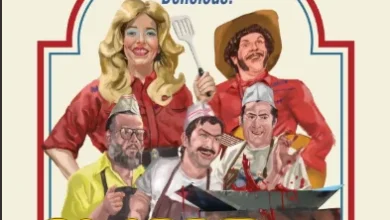
The final week, leading up to October 31st, features a concentration of traditional horror tropes, including cursed objects, vengeful spirits, and masked antagonists. Highlights include Bitter Souls (October 20th), Bad Bunny (October 21st), and The Family Business (October 24th). The schedule concludes with Sorority of the Damned on Halloween night, a nod to the classic "college campus" sub-genre that remains a staple of the industry.
Distribution Trends and Platform Impact
The "31 Days of Indie Horror" campaign highlights a notable change in how films are distributed and consumed. The reliance on platforms such as Tubi, Amazon Prime Video, and niche services like Found TV underscores the "Free Ad-Supported Streaming Television" (FAST) model’s growing importance for independent filmmakers.
By partnering with these platforms, the films included in this list are able to reach a global audience without the overhead costs of traditional theatrical distribution. For filmmakers, this democratization of access provides a vital revenue stream. For consumers, it provides a curated alternative to the limited selections often found on primary subscription-based services.
Industry Analysis: The Sustainability of Indie Horror
Market analysts suggest that the proliferation of such curated lists is a direct response to "choice paralysis" among streaming audiences. With thousands of titles available, viewers are increasingly looking for external validation and curation. Marketing Macabre’s role as a public relations entity in this context is significant; by providing a cohesive list, they are essentially acting as a digital film festival, providing context and accessibility to films that would otherwise remain obscure.
However, the industry faces challenges. While independent horror is highly accessible, it often lacks the marketing budget to compete with the promotional cycles of major studios. The reliance on boutique VOD and specialized platforms means that these films rarely receive critical reviews from major news outlets, relying instead on word-of-mouth and social media amplification.
Strategic Implications for Future Genre Programming
The success of such curated initiatives provides a blueprint for future film promotion. By grouping films into a seasonal schedule, the industry can extend the life cycle of smaller productions that might have otherwise seen a brief release window.
Furthermore, the prevalence of supernatural and analog-style horror in this year’s lineup suggests that audiences are currently favoring "low-tech" scares. The reliance on practical effects and character-driven tension, as seen in films like The Alien Report and A Possession In Lincoln County, indicates a broader shift away from the CGI-heavy horror that dominated the early 2000s.
In conclusion, the 31 Days of Indie Horror Halloween initiative represents a calculated effort to bridge the gap between independent creators and a global audience of genre enthusiasts. As streaming continues to evolve, these curated pathways will likely become the primary mechanism through which independent horror continues to maintain its cultural relevance and economic viability, ensuring that the "indie underground" remains a vital component of the horror genre’s enduring popularity during the autumn season.
Related posts: