Rebecca Romijn Discusses the Evolution of Star Trek Strange New Worlds as the Series Approaches Its Final Season

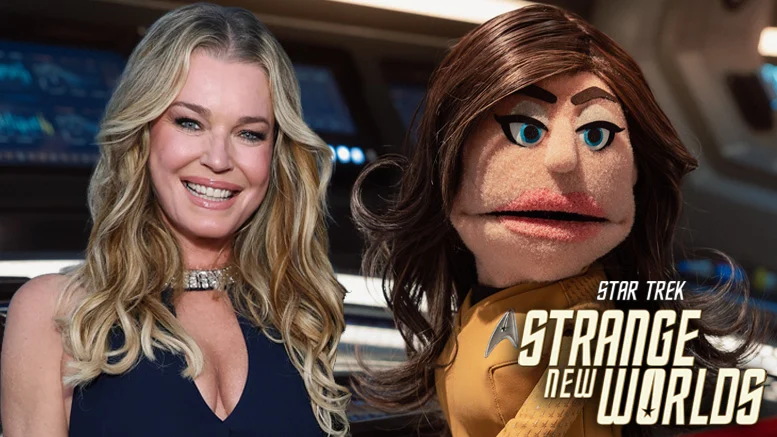
The production of Star Trek: Strange New Worlds is currently navigating a pivotal transition period. With the penultimate episode of the fourth season scheduled for release tomorrow, anticipation among the franchise’s global fanbase is reaching a fever pitch. The episode, which promises another signature "genre-bending" departure from standard science fiction tropes, arrives as the cast and creative team reflect on a four-year journey that has re-established the franchise’s foothold in modern television. During a recent appearance at the Star Trek Day celebration in Los Angeles, Rebecca Romijn, who portrays Commander Una Chin-Riley, provided deep insights into the show’s creative trajectory, the reception of its experimental narrative choices, and the structural shift expected for the forthcoming fifth and final season.
A Legacy Rooted in Exploration and Optimism
Since its premiere, Strange New Worlds has been frequently lauded for its commitment to the episodic, "planet-of-the-week" format that defined the 1966 debut of The Original Series. For many long-term observers of the franchise, the show serves as a bridge between the classic era of Star Trek and contemporary streaming aesthetics. Romijn emphasizes that this connection was intentional from the inception of the series.
"I would like to think that our show connects with the spirit of The Original Series," Romijn remarked during the event. "When you are on the Enterprise, you are part of a groovy, sexy ship where the ship itself is the star. My hope is that we continue to inspire curiosity and exploration in generations to come."

The cultural significance of the series lies in its multi-generational appeal. In an era where television content is often segmented by demographic, Star Trek has maintained its unique status as a shared viewing experience for families. Romijn attributes this longevity to the core tenets of the franchise: a vision of the future that is fundamentally hopeful and optimistic, rather than one defined by aggression or dystopian anxiety. This commitment to a progressive, diplomatic future remains a cornerstone of the show’s enduring legacy.
The Debate Over Creative Experimentation
Season 4 of Strange New Worlds has been characterized by its bold stylistic risks, including musical episodes, horror-themed installments, and high-concept fantasy narratives. While these departures have garnered critical acclaim and strong viewership numbers, they have also sparked a vocal debate within the fandom regarding the use of "gimmicks."
Romijn addressed this discourse with notable candor. While she acknowledged that some viewers have expressed fatigue with the show’s frequent genre shifts, she firmly defended the creative team’s philosophy. "I have seen a lot of commentary about our show becoming too gimmicky," she noted. "However, if you remove the gimmick, the mission is always still there. Every single episode is a Star Trek episode at its core."
From a production standpoint, these risks have served as a tool for character exploration. By placing the crew of the Enterprise in extraordinary, often surreal circumstances, the writers have been able to probe the motivations and vulnerabilities of the bridge crew in ways that a standard procedural format might not allow. For the cast, these challenges have provided an opportunity to showcase range, even if the reception among the audience has been polarized. Romijn suggests that the value of these episodes often reveals itself upon subsequent viewings, as the thematic underpinnings of the characters’ arcs become more apparent.

Transitioning into the Final Chapter: Season 5
The narrative structure of the final season, Season 5, is expected to diverge from the experimental nature of its predecessor. With the series finale confirmed, the production team has shifted its focus toward narrative closure and the fulfillment of long-term character arcs.
"Season 5 has a different nature," Romijn explained. "We were given enough notice to really wrap up people’s storylines and to give every character their due justice. You won’t see as many gimmicks in Season 5."
This transition represents a strategic pivot common in long-running television productions. As a series approaches its conclusion, the narrative priority often shifts from episodic experimentation to long-form character resolution. For the viewers who expressed a preference for more traditional, character-driven storytelling, this final season is likely to be viewed as a welcome return to the franchise’s foundational roots. The objective is to provide a cohesive, satisfying conclusion that honors the history of the characters while maintaining the optimism that has defined the series.
Chronology and Production Context
The production timeline for Strange New Worlds has been a carefully managed operation. The cast completed their work on the final episodes in December of the previous year, providing the creative team with ample time for post-production refinement. This period of reflection has allowed actors to view the series as a singular, evolving work of art rather than a collection of disjointed seasons.

The series is part of a larger, robust expansion of the Star Trek universe under the current oversight of Paramount+ and CBS Studios. Since the launch of Star Trek: Discovery in 2017, the franchise has undergone a significant renaissance, with multiple series airing concurrently. Strange New Worlds, however, has occupied a unique niche as a prequel to The Original Series, effectively balancing the constraints of established canon with the creative freedom to explore new narrative territories.
Broader Implications for the Franchise
The conclusion of Strange New Worlds will undoubtedly leave a vacuum in the current Star Trek lineup, prompting questions about the future direction of the brand. The series has demonstrated that there is a significant audience for high-budget, episodic science fiction that avoids the cynicism often present in modern media.
Furthermore, the show’s success has validated the strategy of using high-concept "genre swings" to keep a long-running franchise relevant. Even for viewers who disliked specific experimental episodes, the discourse generated by these creative risks has kept the show in the cultural conversation, arguably contributing to its high engagement metrics.
Looking forward, the lessons learned from the Strange New Worlds production—specifically regarding the balance between fan expectations and creative evolution—will likely influence the development of future iterations of the Star Trek franchise. As the series moves into its final episodes, the focus remains on the "intentionality" of the storytelling. Whether through a high-concept fantasy episode or a quiet moment of character development, the cast and crew remain committed to the belief that the audience will ultimately recognize the passion invested in the project.

Industry Reception and Related Developments
The Star Trek Day event served as a platform not only for reflection but for looking ahead at the broader Star Trek universe. Along with the insights provided by Romijn, the event featured contributions from co-showrunner Henry Alonso Myers and series regulars such as Christina Chong and Ethan Peck. These discussions have highlighted a unified front among the creative team, emphasizing the collaborative effort required to maintain the quality and continuity of the series.
The podcast and interview circuit surrounding these events underscores the depth of the industry’s investment in the series. As fans prepare for the final two episodes of Season 4 and the eventual arrival of Season 5, the dialogue continues to center on the impact of the series on the broader genre. By providing a blend of traditional science fiction values with modern production techniques, Strange New Worlds has established itself as a definitive chapter in the 60-year history of the Star Trek franchise.
As the Enterprise mission draws toward its conclusion, the legacy of the show appears to be one of bold experimentation and a steadfast adherence to the franchise’s core message of unity and hope. The final season, while expected to be more grounded, will carry the weight of this legacy, ensuring that the characters receive a conclusion that is as thoughtful as the journey they have undertaken.
Related posts: