Comic book publisher Dynamite Entertainment has officially drawn a hard line against the encroachment of generative artificial intelligence into its product lines. In a recent directive distributed to comic book retailers, the publisher made it clear that any upcoming retailer-exclusive variant covers suspected of being generated by artificial intelligence will undergo strict internal review. If found to be constructed using generative AI tools, those covers will be outright rejected.
This policy shift arrives as Dynamite prepares a substantial slate of upcoming comic book titles for the direct market. The affected lineup includes prominent franchise properties and high-profile launches such as Vampirella: Paradise #1, Red Sonja / Barbarella #1, Ben 10 #6, alongside expanded issues and miniseries for Thundercats, Archie Vs Terminator, Supernatural, Pathfinder, and Space Ghost vs The Herculoids. Additionally, the publisher’s milestone issues—such as the historic push toward Red Sonja and Vampirella heading toward issue #700—as well as its catalog of Disney-licensed titles, which operate under a slightly different set of contractual terms, fall under heightened scrutiny regarding visual asset integrity.
While publishers routinely police their interiors and standard covers for quality and copyright compliance, the new enforcement mechanism specifically targets the burgeoning sector of custom store variants. In its communication to vendors, the publisher stated bluntly: "Covers suspected of being A.I. will be reviewed, discussed, and if confirmed to be A.I., rejected."
The Anatomy and Economics of Retailer Exclusive Variants
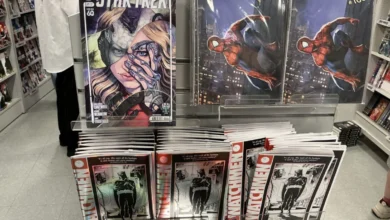
To understand the weight of Dynamite’s decision, it is necessary to examine what retailer-exclusive variant covers are and how vital they have become to the modern comic book ecosystem. A retailer-exclusive variant is an alternate-cover edition of a comic book produced specifically for a single comic book shop, a small consortium of stores, a specialized convention, or an individual creator’s studio, rather than entering general nationwide distribution.

While the interior narrative and artwork of the comic remain entirely identical to the regular newsstand or direct-market edition, the outer cover features unique, bespoke art. Typically, a vendor commissions or selects the artist, secures formal approval from the publisher, and commits to a minimum print run. The economics require the vendor to pay the standard wholesale price of the comic book in addition to covering the artist’s commission fee, all while guaranteeing the purchase of hundreds, or sometimes thousands, of copies upfront. These variant editions often incorporate specialized trade dress, "virgin" versions (art without logos or text), foil treatments, metallic inks, cardstock paper, and the distinct name or logo of the commissioning store.
The practice of producing exclusive variants has evolved dramatically over the past decade. The first recognized, widespread example of a proper retailer exclusive is widely traced back to IDW Publishing’s Godzilla in 2011. Since then, the market has exploded into a multi-million-dollar sub-industry. Today, massive hype surrounds titles like Absolute Batman retailer-exclusive variants, which frequently command secondary market prices in the triple digits per single issue. Similarly, the Exquisite Corpses series from Tiny Onion and Image Comics has begun to achieve comparable financial tiers on the collector market.
For local comic book shops, these exclusives represent a critical revenue stream. They provide a unique product that stores can sell at a premium price point, allowing small businesses to boost profit margins. For collectors, these variants offer distinctive art styles from popular creators that cannot be found anywhere else. Because print runs for these exclusive editions are relatively small compared to standard mass-market covers, they manufacture a level of artificial scarcity that drives demand. Crucially, these large upfront commitments to minimum print runs can significantly pad the bottom line, often determining whether a specific comic book title turns a profit for the publisher.
The Rise of Generative AI in Commercial Illustration
The integration of generative artificial intelligence into the comic book industry has been a source of intense controversy, legal debate, and ethical friction since advanced text-to-image models became publicly available around 2022. Creators, illustrators, inkers, colorists, and letterers have voiced profound concerns regarding copyright infringement, the unauthorized scraping of copyrighted artistic styles, and the potential displacement of human labor.
In the publishing sector, a handful of independent projects and micro-publishers attempted to cut production costs by utilizing AI-generated art for interiors and covers. However, these attempts have almost universally faced fierce backlash from readers, digital comic communities, and prominent industry professionals. Social media watchdogs, often operating under community tags like "CoverWatch," routinely scour upcoming publisher solicitations to flag anomalies, structural inconsistencies, and stylistic fingerprints typical of machine-generated imagery.

Until now, much of the burden of policing AI art has fallen on consumers and digital watchdogs after solicitations have already been made public. Dynamite Entertainment’s new directive represents a proactive, institutional pushback from a major established publisher, signaling that quality control must extend beyond simple narrative content to protect the integrity of the artistic workforce.
Broader Implications for Publishers and the Direct Market
Dynamite Entertainment’s hardline stance is expected to create a ripple effect throughout the direct market, influencing how comic shops commission freelance artists for their store exclusives. By publicly stating that suspicious covers will be flagged and potentially canceled, the publisher is shifting the risk back onto retailers and intermediaries who commission freelance cover artists.
This policy forces stores and vendors to exercise heightened due diligence when hiring artists for exclusive commissions. Retailers must now ensure that the talent they hire relies on traditional or digital human-made processes rather than taking shortcuts with AI generation software to meet tight publishing deadlines. Failure to do so could result in a canceled exclusive, leaving the shop financially liable for a commissioned art fee without the accompanying high-value exclusive comic to sell.
Furthermore, the move sets a precedent for other independent and mid-tier comic publishers navigating the delicate balance between keeping production costs low and maintaining consumer goodwill. As collector backlash against machine-generated art hardens into an economic reality—where fans actively boycott books featuring suspected AI assets—publishers are realizing that the short-term savings of automated art are vastly outweighed by the long-term damage to brand reputation and retail trust.
As Dynamite rolls out its expansive publishing schedule for its flagship licenses, the industry will be watching closely to see how effectively the publisher’s review process catches potential violations and whether other major players in the direct market will adopt similarly stringent preventative measures.