The WoW ‘Classic+’ rumors were true: World of Warcraft: Forever promises to be another timeline’s…

A New Strategic Direction for Azeroth
For years, the success of World of Warcraft: Classic demonstrated that there is a significant, dedicated player base eager to experience the game as it existed in its nascent state. However, the limitation of Classic servers has always been the eventual exhaustion of content. Once players conquer Naxxramas and reach the end of the expansion cycles, the "museum" experience reaches a natural conclusion.
World of Warcraft: Forever shifts this paradigm. Rather than serving as a static archive of 2004 gameplay, Forever functions as an "alternate timeline" or an "evolved classic" experience. The development team has indicated that they intend to introduce new narrative arcs, unexplored zones, and character progression paths that were omitted during the original development of the game. This approach is reminiscent of the strategy employed by Jagex with Old School RuneScape, which has managed to maintain record-breaking player counts by allowing the community to vote on and shape the development of new, bespoke content that fits the spirit of the original game.
Chronology of the Announcement
The revelation of World of Warcraft: Forever comes at a pivotal time for Blizzard Entertainment. The timeline leading up to this launch highlights the company’s commitment to diversifying the World of Warcraft brand:
- 2019: The launch of World of Warcraft: Classic proves that millions of players are interested in the original, unadulterated MMO experience.
- 2021–2023: Continued expansion of the Classic catalog, including the Burning Crusade and Wrath of the Lich King releases, keeps the subscriber base engaged with legacy content.
- Late 2024 (BlizzCon): Blizzard formally announces World of Warcraft: Forever during the Opening Ceremony, confirming the "Classic Plus" rumors that had circulated on community forums for months.
- November 2024: A public beta test is scheduled to commence on the Thursday following the announcement, with the official full-scale launch set for November 4.
By moving from a concept to a playable beta in such a short window, Blizzard is signaling confidence in the stability of this new branch. The game will be included in the standard World of Warcraft subscription, ensuring that existing players have a low barrier to entry for exploring these new horizons.
Supporting Data and Technical Implementation
The infrastructure required to maintain three distinct versions of the same game—Retail (the modern, current-expansion version), Classic (the legacy progression), and now Forever—is significant. Blizzard has historically been one of the few studios capable of managing such a massive, multi-faceted live service ecosystem.
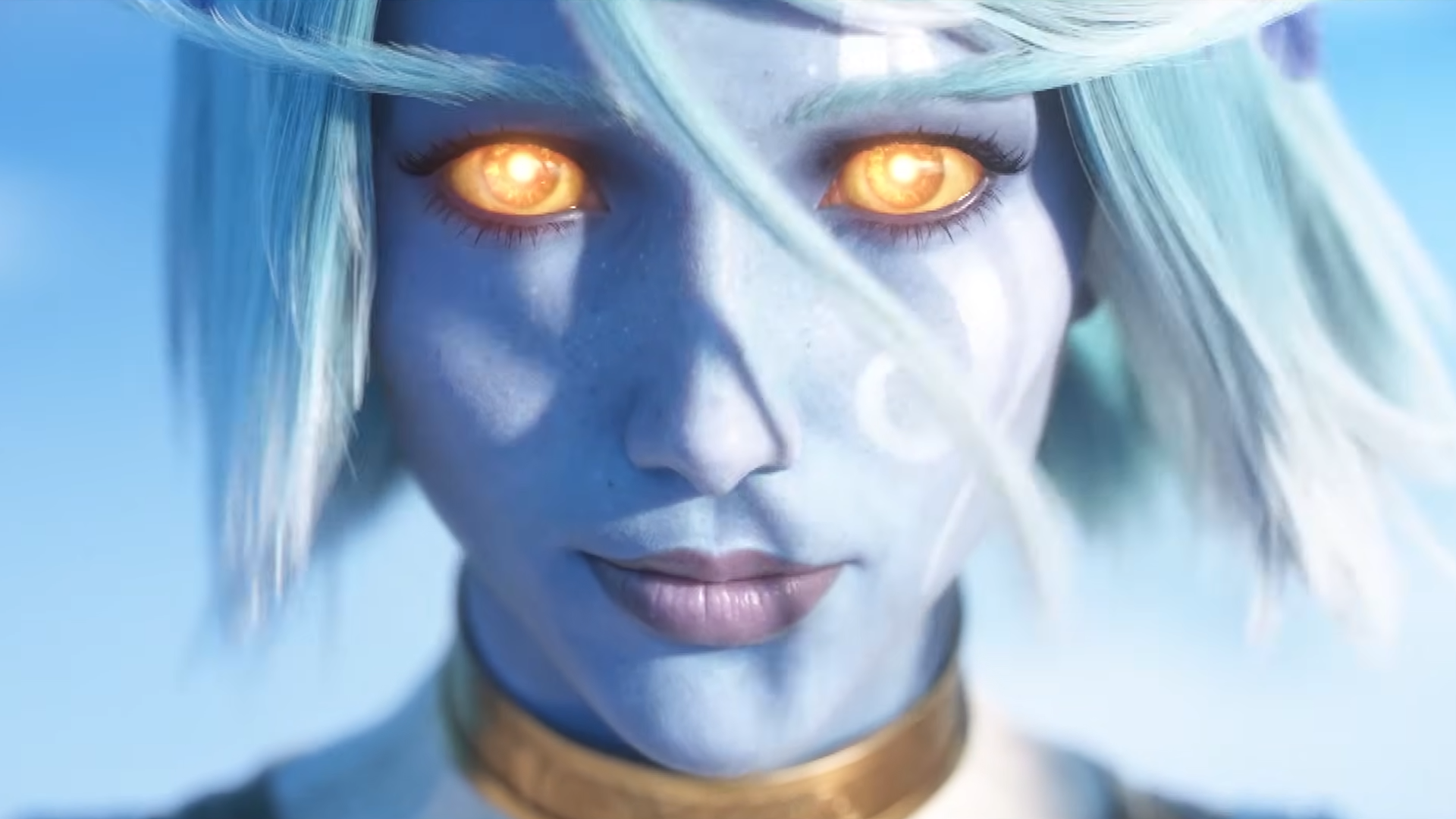
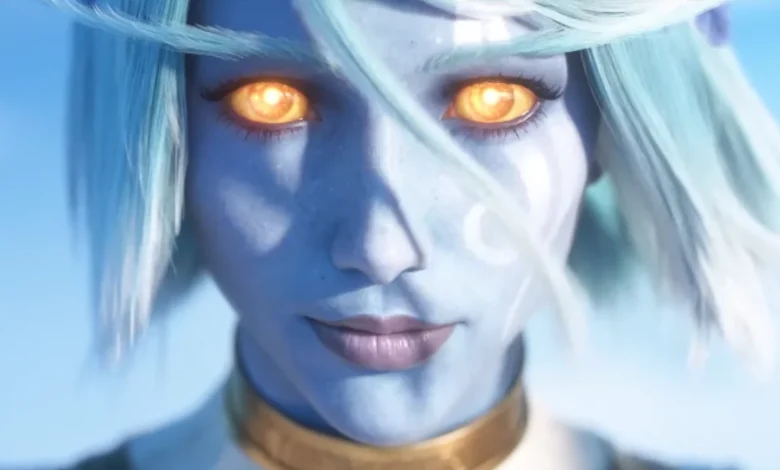
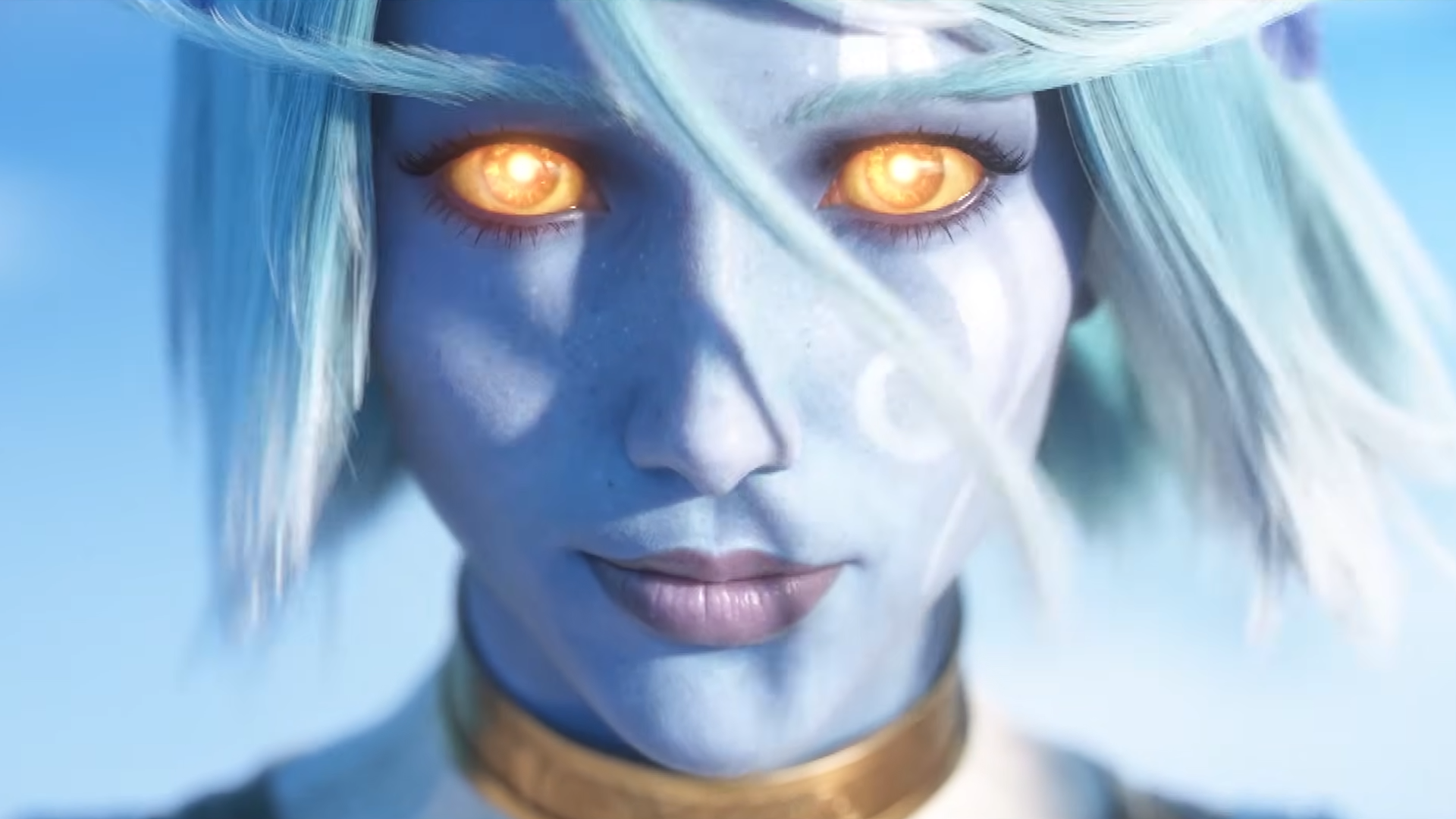
The introduction of "upgrade packs," starting at $30, which include aesthetic and functional additions like the new "Skyborne" race, represents a monetization shift. While the base subscription grants access to the game, these premium tiers suggest that Blizzard is looking to generate additional revenue streams by offering high-quality, optional cosmetic and gameplay enhancements that fit within the stylistic boundaries of the 2004 aesthetic.
From an industry perspective, the decision to launch Forever represents a hedge against the natural decay of the "Retail" expansion model. As modern MMOs face increasing competition, keeping the core "Vanilla" audience engaged with new, infinite content is a mathematically sound strategy for maintaining high Monthly Active User (MAU) metrics.
Implications for the Playerbase
The fragmentation of the player base is a valid concern for any long-running MMO. Critics have argued that splitting the audience between three versions of World of Warcraft could lead to lower population density on individual servers. However, Blizzard’s internal data likely suggests that the audiences for these versions are distinct enough to avoid a "cannibalization" effect.
The "Classic" player is often motivated by nostalgia and a preference for slower, more deliberate, and social-focused gameplay. The "Retail" player typically prioritizes high-end competitive raiding and modern quality-of-life features. "Forever," therefore, serves as the bridge—a hybrid model that promises the slower, world-building focus of the 2004 era with the modern design sensibilities that keep a game relevant in 2024.
The Evolution of Narrative
One of the most anticipated aspects of World of Warcraft: Forever is the promise of "stories that weren’t told." The original lore of Azeroth was expansive, but many plot threads were left hanging or were entirely retconned by later expansions. By returning to the 2004 baseline, the development team has a blank slate to resolve these mysteries without the constraints of 15 years of complex, sometimes contradictory, narrative baggage.
Players can expect to see deeper involvement from factions that were previously relegated to the background, as well as the potential for new, challenging raid content that utilizes the original game’s itemization and talent trees. This offers a "what if" scenario that has the potential to satisfy long-term lore enthusiasts who have felt dissatisfied with the direction of the game’s narrative in recent years.
Industry Analysis and Official Response
While official statements from Blizzard developers have focused on the "spirit of discovery," external analysts point to this as a masterclass in IP management. By curating three distinct flavors of the same core product, Blizzard is effectively creating a walled garden that keeps players within the Battle.net ecosystem regardless of their preferred playstyle.
"The goal is to honor the foundation," said one lead developer during the pre-reveal briefing. "We aren’t looking to change what made 2004 special; we are looking to expand upon it as if we had the time and the technology to do so back then."
This sentiment is crucial for the success of the project. The community’s primary fear regarding "Classic Plus" was that it would be "tainted" by the features they disliked in modern WoW—such as cross-realm teleportation, reduced social friction, or excessive power creep. By keeping the mechanics rooted in the original era while only expanding the world content, Blizzard is attempting to maintain the integrity of the "Classic" experience while satisfying the demand for new challenges.
Conclusion: A New Era of Nostalgia
As the launch date of November 4 approaches, the gaming world will be watching closely. The success of World of Warcraft: Forever will likely set a new standard for how legacy games are handled in the industry. If Blizzard succeeds, they will have successfully turned an aging classic into a perpetually evolving, evergreen product.
The introduction of the Skyborne race and the promise of uncharted territories serve as the carrot for both veteran players who have seen everything and new players who want to experience the "Golden Age" of the game with a fresh coat of paint. Whether Forever can maintain the same magic that made the original release a cultural phenomenon in 2004 remains to be seen, but the initial response suggests that the appetite for a return to Azeroth’s roots—with a twist—has never been higher. With a solid infrastructure, a clear development roadmap, and a dedicated player base, World of Warcraft: Forever is positioned to be a cornerstone of the MMO landscape for years to come.