The Rise of AI-Generated Vibe-Coded Mashup Mods Sparks Outrage Among Veteran Game Modders and Threatens Traditional Communities

The video game modification community is currently experiencing a profound internal crisis, sparked by a sudden and viral influx of generative artificial intelligence tools being used to splice entirely unrelated game worlds together. Often referred to by creators and consumers alike as "vibe-coded" mods, this emerging trend has dominated social media feeds over the past week, drawing sharp condemnation from long-time developers who view the phenomenon as an existential threat to authentic digital artistry.
While automated tools and scripts have long played a supportive role in software development and mod creation, the latest iteration of generative AI models has dramatically lowered the technical barrier to entry. This shift has allowed individuals with little to no programming or design experience to decompile proprietary video games and rapidly assemble chaotic mashups, generating significant online engagement while alienating the veteran creators who have built the foundation of the modding ecosystem over decades.
The Mechanics of the Trend and Recent Technological Catalysts
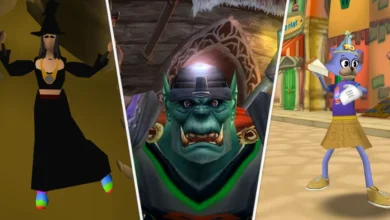
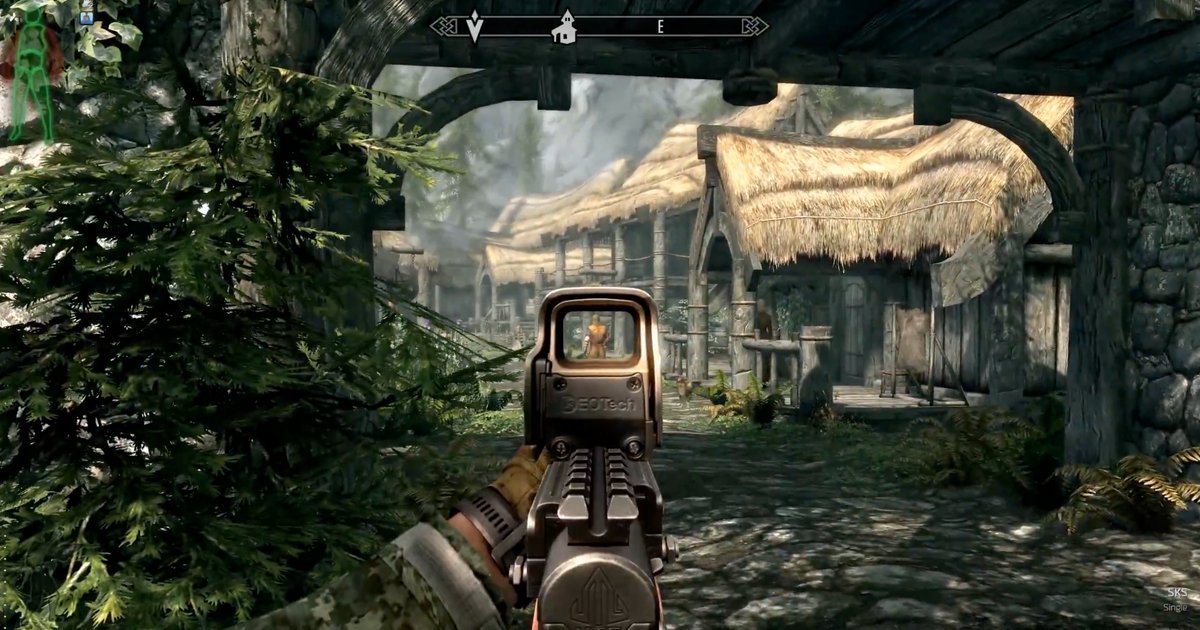
The sudden proliferation of these bizarre cross-game projects—such as injecting World of Warcraft assets into Call of Duty: World at War, bringing Escape from Tarkov mechanics into The Elder Scrolls V: Skyrim, or superimposing Insomniac’s Spider-Man framework onto the rainy rooftops of Batman: Arkham City’s Gotham—is directly linked to recent advancements in artificial intelligence.
Over the course of a single week, the trend snowblown across platforms like X (formerly Twitter), largely driven by the deployment of advanced code-generation platforms such as Claude Opus 5.5. Offering cheaper processing tokens and vastly improved code comprehension compared to previous iterations, these models allow users to point an AI system directly at a compiled game directory, extract its core functions, and hastily graft foreign assets and mechanics onto the framework.
However, the rapid output of these tools yields deeply erratic results. Technical demonstrations shared by prominent gaming content creators, such as YouTuber Brendan Jowett, have highlighted the severe limitations of the current generation of vibe-coded mods. Comparisons between Claude Opus 5.5 and alternative models like OpenAI’s Astra 6 reveal fundamental structural breakdowns: non-functional enemy artificial intelligence that completely ignores the player, and physics engines that cause vehicles like space fighters to fly diagonally while firing straight ahead. Despite the glaring technical flaws, these sensationalist projects continue to attract massive view counts and social media interaction, operating on what veteran modders describe as the digital equivalent of "jingling keys" to capture fleeting public attention.
Backlash from the Veteran Modding Community
The backlash from established creators has been swift and severe. Many seasoned modders, some of whom openly acknowledge utilizing AI for minor, repetitive scripting tasks, have drawn a hard line between assistive programming and the wholesale generation of low-effort content mashups.
"I mod games and I’m not shy about the fact that I use AI to do it. I hate this bullshit ‘trend’. Pure slop, there’s nothing creative about this at all," wrote prominent modder kran27_ in a widely circulated social media post, emphasizing that the viral projects rely entirely on shock value rather than craftsmanship.
Echoing these sentiments, another established creator known as discountmodder expressed deep disillusionment with the direction of the community, stating, "If this becomes the permanent state of modding, this may be my last project. I don’t wanna be involved in an AI slop-factory."
The core frustration stems from the perceived devaluation of thousands of hours of meticulous, manual labor. Traditional game modification requires a deep understanding of software architecture, asset pipelines, rigging, texturing, and custom scripting—processes that can take months or years for a single comprehensive modification project. In contrast, vibe-coded mashups prioritize speed and novelty, utilizing stolen or scraped assets to manufacture instant online clout.
Legal Minefields and the Stance of Major Platforms
Beyond the artistic and cultural concerns raised by developers, the AI-generated mod trend operates in a perilous legal grey area. Virtually all of the viral mashups circulating on social media rely on the unauthorized decompilation of proprietary software and the direct theft of intellectual property. Creators of these projects routinely combine copyrighted assets from multiple distinct publishers without permission, licensing, or attribution.
To date, none of these specific AI-generated mashups have appeared on reputable, curated modding distribution platforms such as Nexus Mods. Industry analysts attribute this absence strictly to stringent platform policies and legal protections rather than a lack of consumer interest.

Nexus Mods established a clear and uncompromising stance on generative artificial intelligence in late 2023. The platform’s official guidelines explicitly state: "In order to prevent any issues with your mods, we encourage you to avoid using these tools unless you have explicit permission to use all the assets." Because vibe-coded mods inherently rely on unauthorized code extraction and cross-game asset pillaging, they are fundamentally incompatible with the safety standards maintained by established hosting networks.
Nevertheless, industry observers note that the pressure on platform administrators will mount if the trend continues to attract mainstream attention. The primary concern among community leaders is whether a less regulated platform might eventually attempt to monetize or host these projects, permanently altering the definition and legal safety of community-driven game modification.
Broader Industry Implications and Corporate Crackdowns
The rise of generative AI in user-generated content coincides with an increasingly restrictive corporate environment surrounding game modifications. Major publishers have historically maintained a delicate, permissive relationship with modders, viewing community projects as a vital driver of long-term software longevity. However, the introduction of automated, mass-produced AI modifications has alarmed legal and development departments alike.
In a related development that highlights the shifting landscape of user-generated content, Rockstar Games recently imposed strict new guidelines and restrictions on the modding community ahead of the highly anticipated PC release of Grand Theft Auto VI. As publishers brace for an unprecedented wave of automated and AI-assisted content following the title’s eventual platform expansion, corporate entities are moving to tighten control over how their intellectual properties are manipulated.
As the debate intensifies, the future of the modding ecosystem hangs in the balance. While proponents of generative AI view these tools as an exciting frontier for democratization, veteran creators warn that an uncurated flood of low-quality, derivative slop threatens to dismantle the collaborative trust, legal protections, and artistic integrity that have defined the modding community for decades.