Mastering Wardogs: Essential Tactical Strategies and Economic Proficiency for New Recruits


Wardogs represents a significant evolution in the first-person shooter genre, blending the high-stakes intensity of extraction-based shooters with the large-scale, strategic coordination found in dedicated military simulations like Squad. Developed by Bulkhead, the game challenges players to balance individual combat prowess with complex logistical responsibilities, all within a 100-player king-of-the-hill dynamic. As the player base grows, understanding the game’s unique economy, transportation mechanics, and squad-based communication is essential for those looking to transition from novice to veteran status.
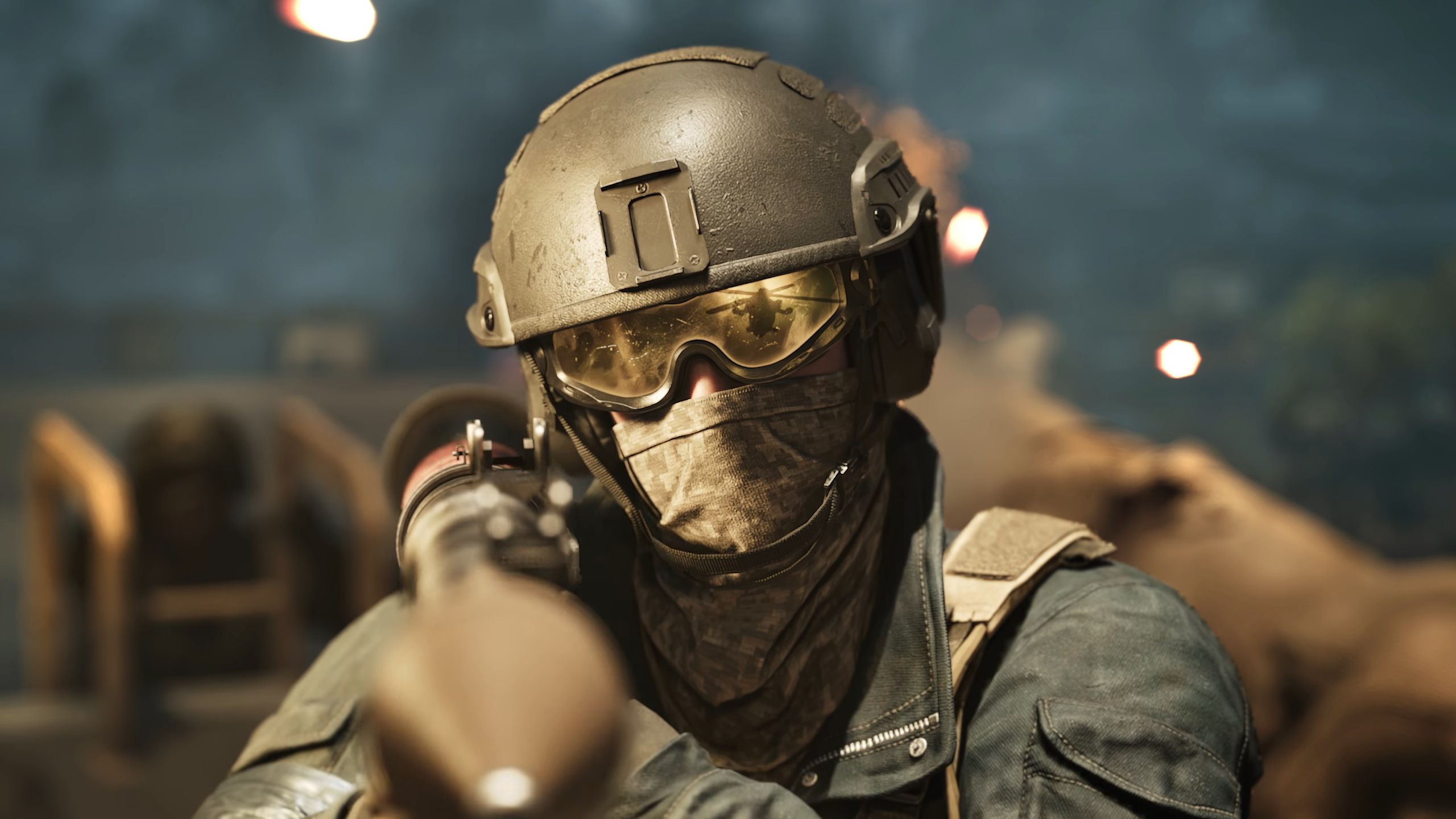
The core of the Wardogs experience lies in the tension between resource management and front-line combat. Unlike traditional arcade shooters, Wardogs forces players to consider the fiscal cost of their equipment and the logistical burden of moving across the map. Players must navigate a 3km landscape where inefficient travel and poor inventory management can lead to early elimination.
The Economic Landscape and Inventory Optimization
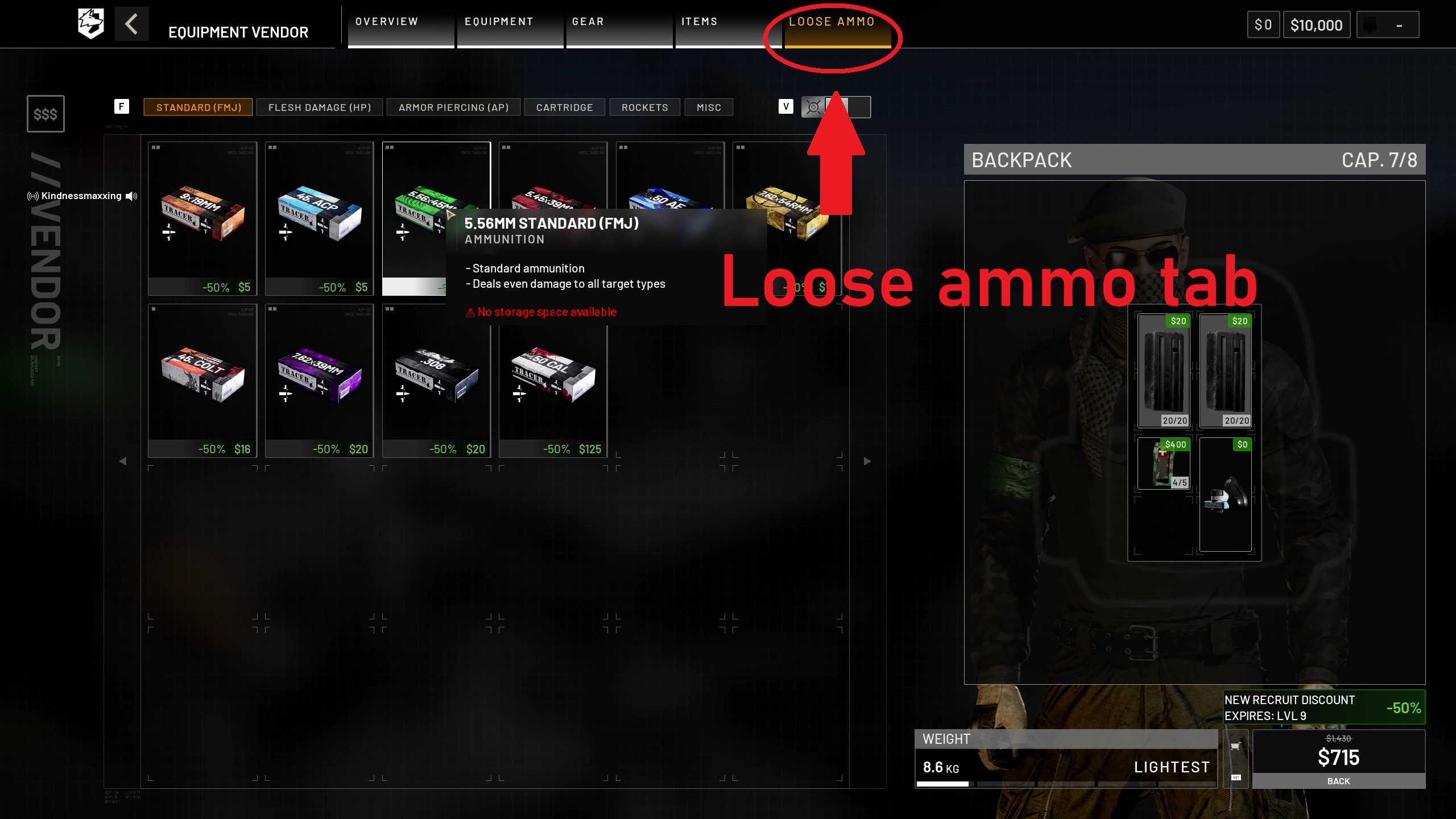
One of the most common pitfalls for new players is the inefficient acquisition of ammunition. The game’s vendor system is designed for speed, often tempting players to purchase pre-loaded magazines. However, professional analysis of the game’s economy suggests that purchasing loose ammunition is significantly more cost-effective. By acquiring ammunition in bulk stacks of 100, which occupy only two inventory slots, players can manually replenish their magazines during downtime by utilizing the game’s "C" key bind. This process, while time-consuming, preserves vital financial resources that are better spent on higher-tier armor or specialized class gadgets.
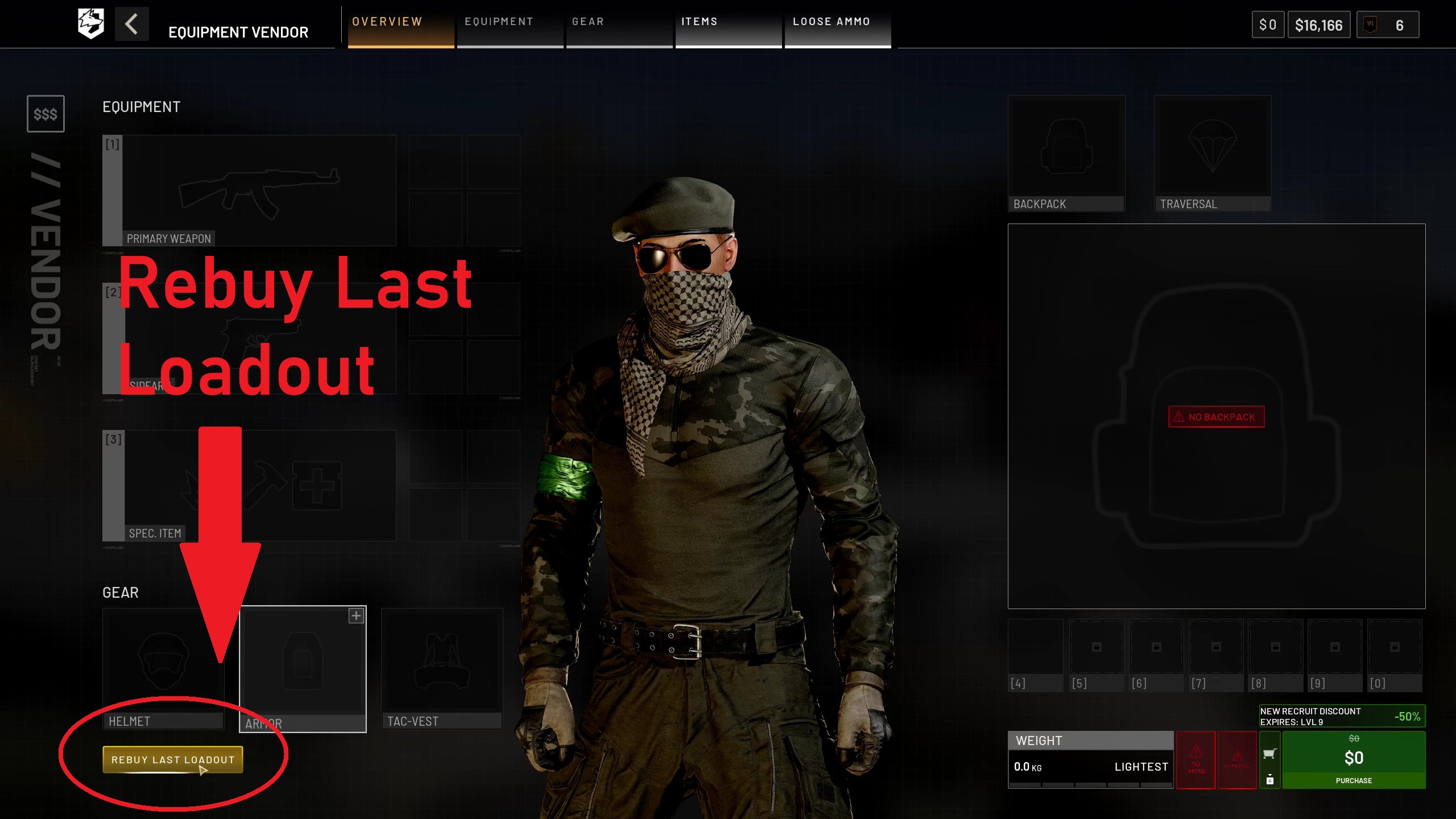
Furthermore, the "Re-buy Loadout" feature serves as an essential tool for maintaining consistent performance. By utilizing the button located in the bottom-left corner of the vendor interface, players can quickly restore their previous setup. This feature not only saves time but also provides a final audit of costs before deployment, allowing for last-minute adjustments based on the current financial situation.
Logistical Realities: Transportation and Movement
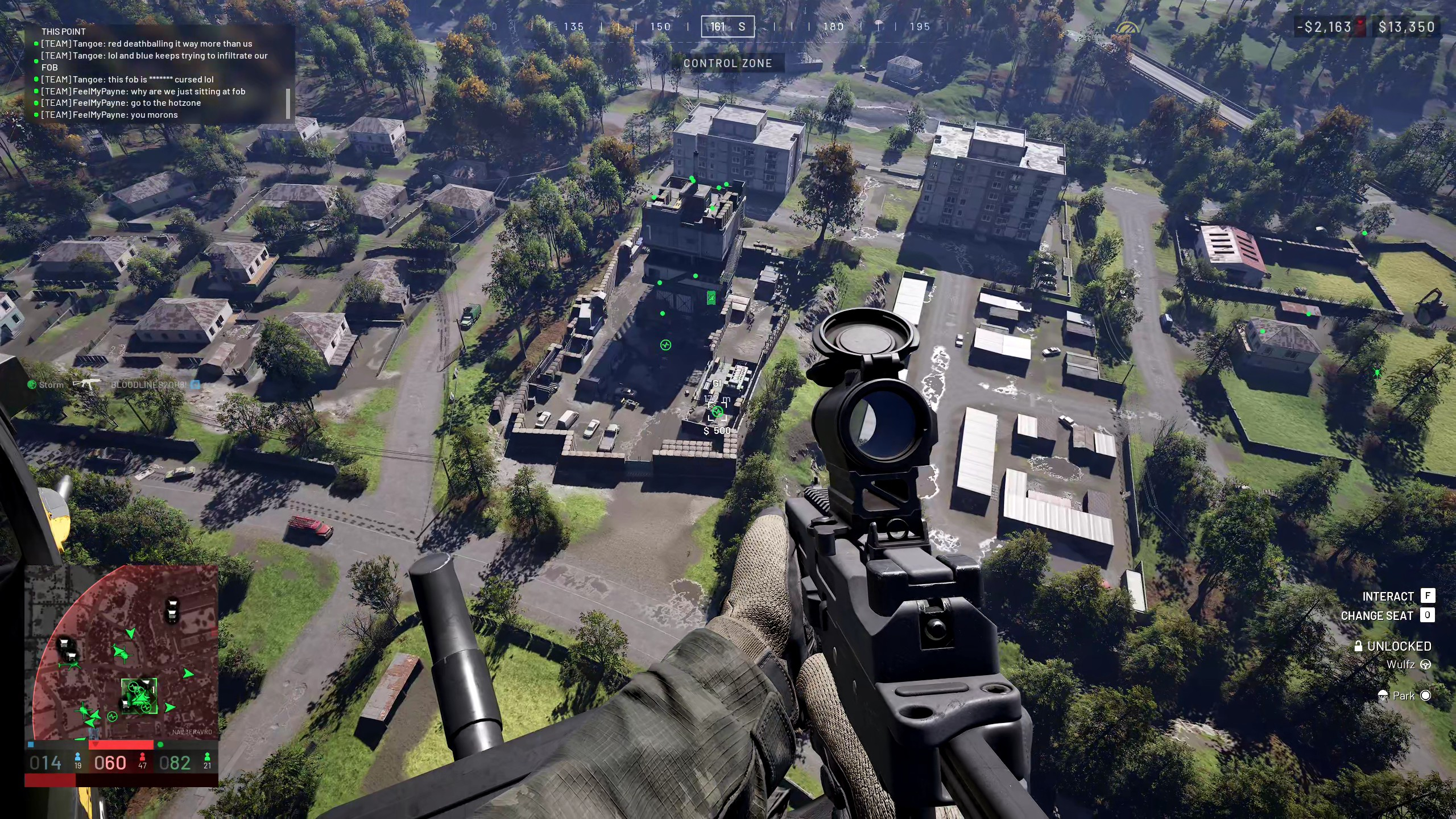
In Wardogs, map control is dictated by the ability to move forces from Forward Operating Bases (FOBs) to the designated Hot Zones. New players frequently make the mistake of attempting to drive to these locations. Given the 3km distance between spawn points and objective areas, driving is rarely the optimal strategy; it is time-consuming and leaves the player vulnerable to enemy ambush.
Data from player activity patterns indicates that teams that prioritize aerial transport significantly increase their efficiency in holding objectives. Volunteer helicopter pilots serve as the lifeblood of the team, providing rapid transit that far outweighs the cost or effort of securing ground vehicles. Waiting for a scheduled transport, even for a duration of 30 to 60 seconds, is statistically more efficient than attempting a solo ground transit.
Combat Mechanics and Tactical Proficiency
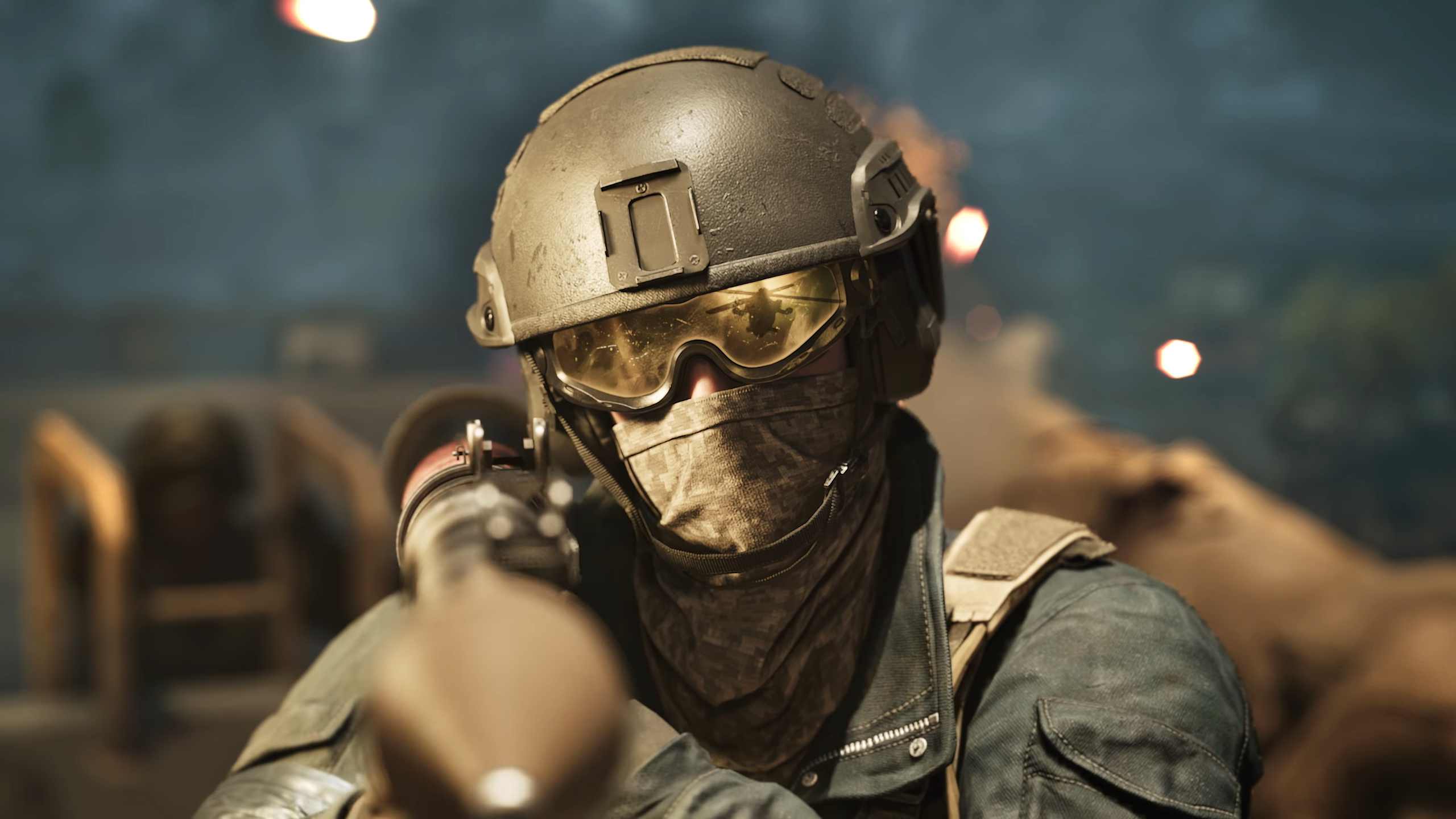
Success in combat is often determined by the player’s ability to stabilize their weapon and communicate effectively. The game features an aim-steady mechanic, activated by holding the Shift key while aiming down sights. This action provides a slight zoom and significantly reduces weapon sway, which is critical for precision fire at mid-to-long ranges.
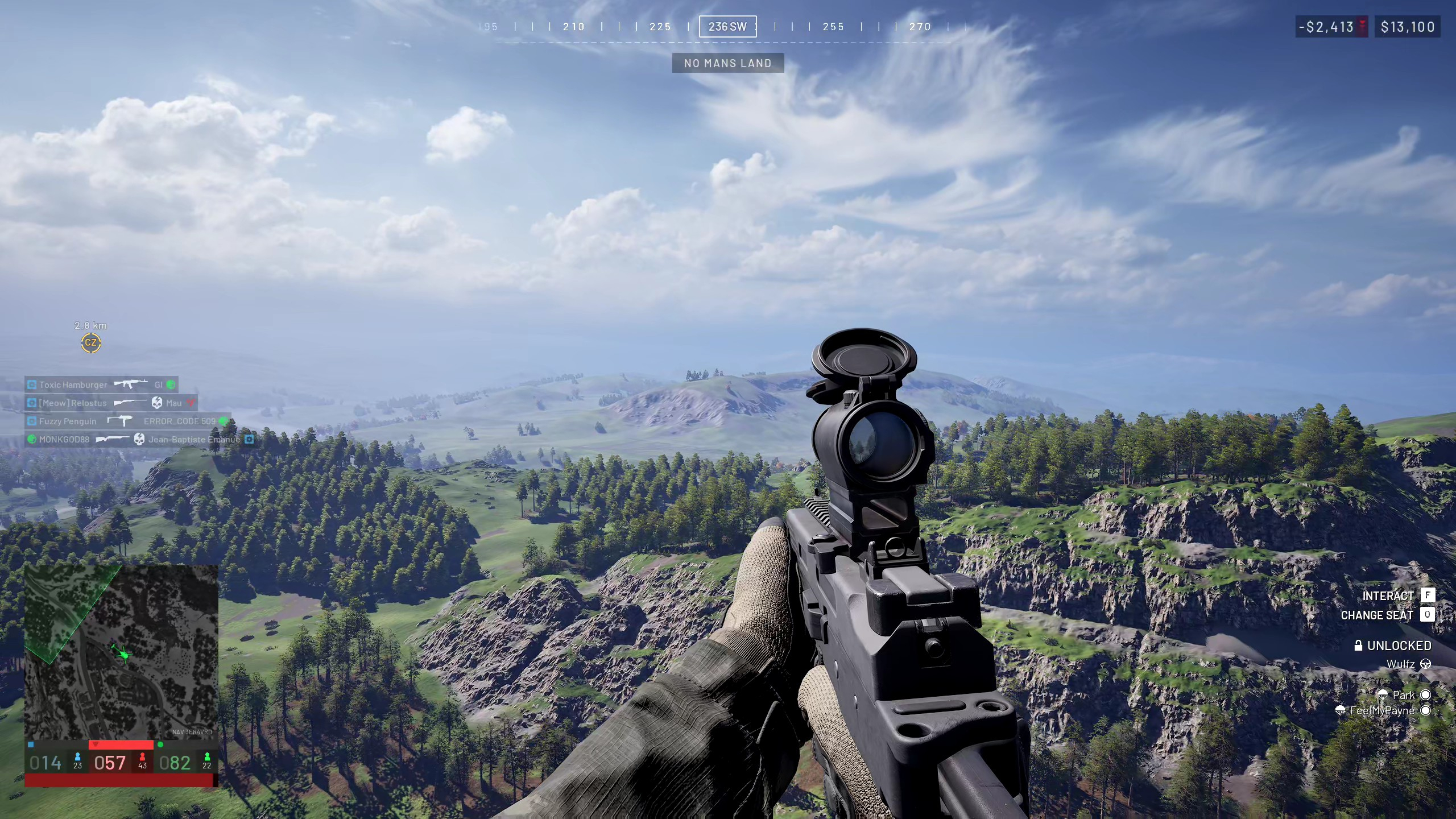
Equally important is the tactical use of specialized equipment. For players still mastering combat roles, the binocular gadget is perhaps the most high-impact tool available. Beyond its primary function of reconnaissance, the ability to mark enemy positions by holding the Left Mouse Button (LMB) provides a substantial benefit to the entire team. This action not only facilitates better coordination but also grants the user significant experience points and assist bonuses, creating a passive income stream that supports more expensive loadouts later in the match.
Communication and The "Medic" Doctrine
Communication in Wardogs is a double-edged sword. Proximity voice chat allows players to coordinate with teammates, but it is equally audible to nearby enemies. A critical tactical error among newcomers is the immediate verbal request for assistance when downed. If a medic or squadmate is in the vicinity, they are likely already assessing the threat level. Calling out to them, or expressing gratitude mid-revival, can inadvertently reveal their position to the opposition.
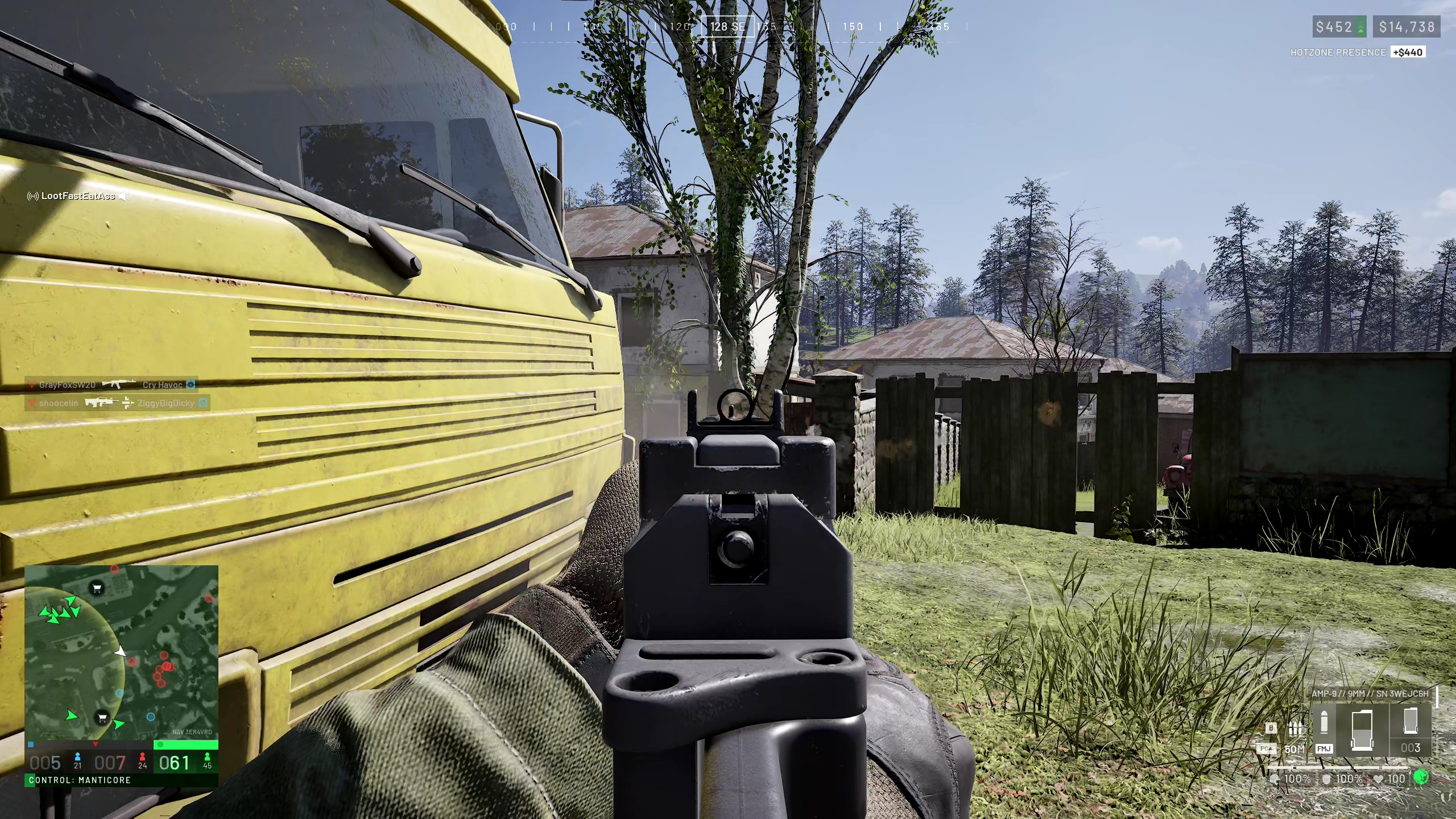
Players are advised to use the team text channel for intelligence gathering and to remain silent when in close proximity to enemy forces. This discipline ensures that revival attempts remain covert, preserving the momentum of the squad.
The Strategic Value of Attrition
The destruction of enemy infrastructure is a cornerstone of success in Wardogs. Each team is provided with an Armored Personnel Carrier (APC), which serves as a mobile spawn point. These vehicles are vital to the logistical chain, allowing teams to sustain pressure on contested zones. Consequently, identifying and neutralizing the enemy APC is the highest-priority objective for any squad. Utilizing explosives such as RPGs, IEDs, or C4 against these targets provides a massive strategic advantage and substantial financial rewards.
Additionally, the practice of looting fallen combatants is essential for survival. Because players lose their gear upon death, the battlefield becomes a source of replenished supplies. By looting backpacks, which persist for several minutes after a player has "given up," survivors can maintain their supply of medical bandages, ammunition, and armor integrity without needing to return to an FOB.
Broader Implications and Developer Intent
Bulkhead’s design philosophy with Wardogs appears to be the creation of a "living" battlefield. By forcing players to manage their own economy and logistics, the developers have successfully moved away from the "run-and-gun" style of traditional shooters toward a more deliberative, simulation-heavy experience. The game’s focus on roles—drivers, pilots, medics, and scouts—encourages a social environment where interdependence is not just suggested, but required for victory.
From a game design perspective, the success of Wardogs will depend on the community’s ability to balance these complex systems. The reliance on volunteer pilots and the need for organized squad communication suggest that the game is aimed at a demographic that values long-term mastery over instant gratification. As the meta-game evolves, it is expected that the value of logistical roles will increase, further cementing the game’s position in the tactical shooter market.
Summary of Best Practices for Beginners
To summarize the essential tenets of the Wardogs experience:
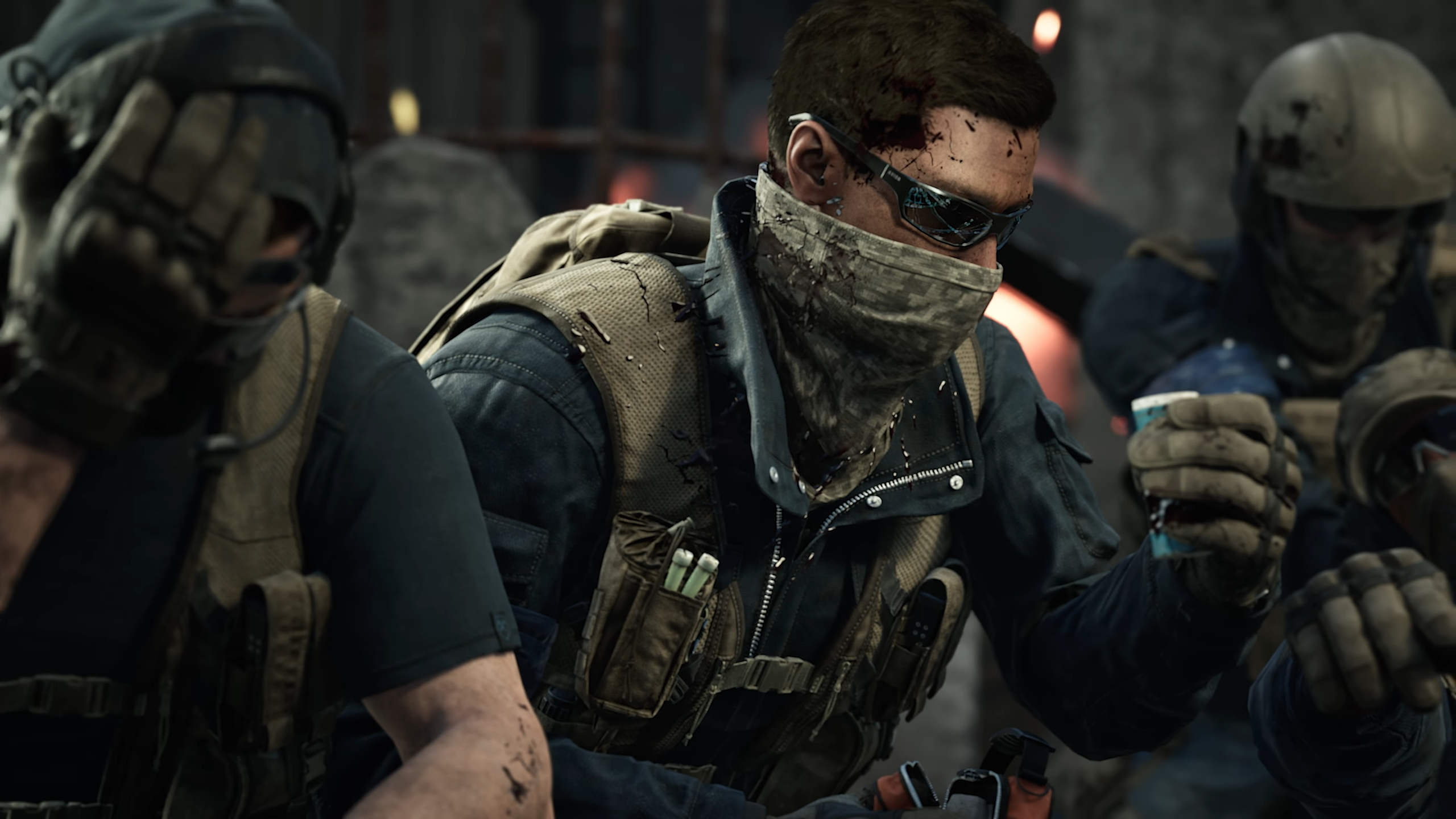
- Logistics: Always prioritize helicopter transit over ground vehicles to maintain team momentum.
- Economy: Buy loose ammunition to maximize inventory efficiency and minimize costs.
- Re-buying: Utilize the "Re-buy" feature for consistent, rapid deployment.
- Combat: Use the Shift key to steady aim and focus on long-range accuracy.
- Recon: When unsure of a specific role, prioritize using binoculars to spot enemies for team-wide benefits.
- Survival: Loot bodies for fresh gear, but maintain silence during revivals to avoid compromising squad positions.
- Objectives: Treat enemy APCs as high-value targets to disrupt the opposing team’s spawn capabilities.
As Wardogs continues to integrate into the competitive FPS landscape, new players who internalize these tactical nuances will find themselves significantly better positioned to contribute to their team’s success. The game is not merely about mechanical skill with a rifle, but rather the intelligence to manage resources and the discipline to execute long-term strategies under fire. By adhering to these principles, players can move beyond the initial learning curve and engage with the deeper, more rewarding aspects of this complex military simulation.