Avengers Doomsday World Series Promo Leaves Marvel Fans Frustrated Amid a Pattern of Miscalculated Marketing Campaigns

The intersection of major league sports and blockbuster cinematic promotion has long been a staple of modern Hollywood marketing, but a heavily hyped promotional spot for Marvel Studios’ upcoming Avengers: Doomsday during Game 1 of the Major League Baseball World Series has reignited a contentious debate regarding the widening gap between fan expectations and studio execution. Billed heavily across social media channels by both the MLB and Marvel in the days leading up to the opening matchup, the cross-promotional event culminated in a brief sequence of footage interwoven with commentary from baseball all-stars. Rather than satisfying an eager fanbase, the broadcast segment left many viewers perplexed, frustrated, and questioning the strategic value of tying high-stakes cinematic previews to traditional sports broadcasts.
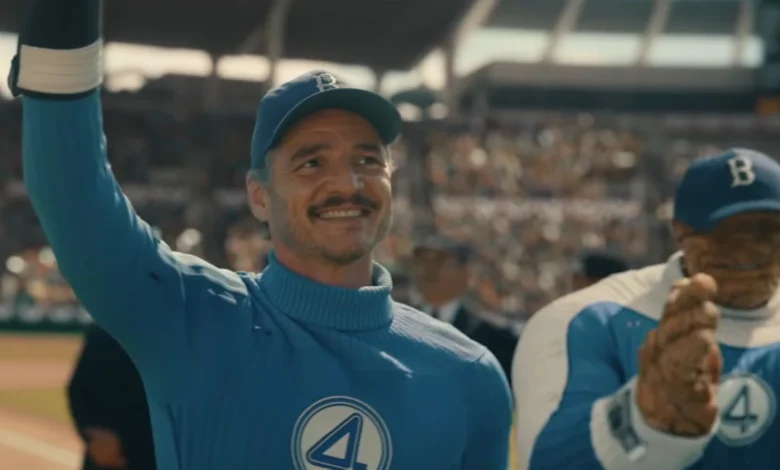
The broadcast footage, which aired during the early innings of the World Series opener, offered fleeting glimpses into the multiverse-spanning narrative of Avengers: Doomsday. Among the highlights included in the package was a sequence featuring the Fantastic Four throwing out a ceremonial first pitch at a Brooklyn Dodgers game set on Earth-828. Additionally, the clip showcased a brief comedic exchange between Thor and Steve Rogers regarding hammer envy, alongside a quip by Ant-Man expressing confusion over whether to contact Steve Rogers or Sam Wilson for assistance. Outside of these brief narrative nuggets, the promotional spot offered virtually no substantive new plot details, serving instead as a lighthearted showcase featuring professional athletes delivering baseball-themed puns alongside the cinematic footage.
For a significant portion of the Marvel fanbase, the collaboration failed to justify the intense digital countdowns and promotional buildup orchestrated by the MLB and studio marketing teams. Social media platforms quickly became saturated with expressions of disillusionment, with many viewers noting the stark demographic differences between dedicated sports enthusiasts and hardcore comic book film fans. While cross-promotion is designed to capture crossover audiences, industry analysts have pointed out that unlike the NFL’s Super Bowl—which routinely functions as an independent cultural event drawing millions of viewers specifically for high-profile trailers—the World Series attracts a specialized sports audience unlikely to tune in exclusively for fragmented movie teasers. Consequently, the stunt prompted widespread online complaints from fans who felt compelled to sit through innings of baseball only to receive a minimal reward in promotional content.
Chronology of a Disappointing Promotional Cycle
The lukewarm reception of the World Series crossover is merely the latest chapter in a surprisingly rocky promotional timeline for Avengers: Doomsday, a film slated to arrive in theaters on December 18. The pattern of mismatched expectations began earlier this year in June, when directors Joe and Anthony Russo appeared at SXSW London to tease a major surprise tied to the film. Anticipation immediately skyrocketed across fan forums and news outlets, with many speculating that a major trailer or unannounced cast member reveal was imminent.
Instead, the much-anticipated surprise materialized as a physical activation: a Doom-themed coffee shop adorned with fictional Latverian branding, culminating in an appearance by the Russo brothers themselves. While creative in concept, the reveal fell flat for global fans who were expecting digital media or narrative announcements rather than a localized marketing installation in London.
Compounding these promotional missteps, Marvel Studios faced regulatory and financial friction during San Diego Comic-Con earlier in the production cycle. In an effort to immerse attendees in the world of the film, studio representatives arranged for the iconic archway entrance of the city’s Gaslamp Quarter to be draped in a massive promotional advertisement for Avengers: Doomsday. However, the installation proceeded without the necessary municipal permits or city authorization. As a consequence, local authorities penalized the studio with a costly $160,000 fine for unapproved structural modifications to public property, creating an avoidable public relations headache.
The Economics and Mechanics of Modern Trailer Eventization
The friction surrounding the marketing of Avengers: Doomsday highlights a broader structural shift in how Hollywood studios approach promotional campaigns in the digital age. In recent years, the industry has embraced the "eventization" of individual trailers, frequently releasing teaser-trailers for trailers, countdown clocks, and exclusive broadcast partnerships weeks before actual footage hits public streaming platforms. This hyper-serialized approach to advertising is designed to maximize social media engagement metrics and maintain continuous algorithmic visibility in a crowded media landscape.
However, this strategy carries inherent risks. When marketing departments artificially inflate anticipation for minor promotional assets—such as sports crossovers or localized activations—they risk triggering consumer fatigue and acute disappointment. Market research indicates that modern audiences have become increasingly sophisticated regarding promotional tactics, often distinguishing between substantial narrative reveals and superficial cross-promotional synergy. When a campaign repeatedly over-promises and under-delivers, it can inadvertently dilute goodwill toward the core product, regardless of the film’s eventual quality.
Industry Implications and Studio Strategy
As the theatrical release date for Avengers: Doomsday approaches on December 18, the commercial stakes for Marvel Studios remain exceptionally high. The studio operates under immense pressure to maintain its historical box-office dominance while navigating a cinematic landscape where superhero fatigue and shifting consumer habits require precise audience engagement.
Media strategists observing the campaign suggest that the studio does not need to saturate every non-traditional broadcast medium to ensure commercial success. Given the immense baseline awareness already surrounding the Avengers franchise, relying on traditional, predictable release channels for major footage might ultimately prove more effective than attempting unconventional crossovers that alienate core supporters while failing to convert casual viewers.
Ultimately, the MLB World Series collaboration and the preceding missteps serve as a cautionary case study in modern entertainment marketing. While creative partnerships between major sports leagues and blockbuster franchises will undoubtedly continue, the recent backlash demonstrates that studios must carefully calibrate their messaging. Ensuring alignment between fan expectations and actual deliverables will be crucial as Marvel finalizes its final promotional push for the highly anticipated winter release, ensuring that future campaigns generate excitement grounded in tangible rewards rather than unfulfilled hype.