Union Claims Shutting Down Arkane Lyon Would Cost Microsoft More Than Finishing Marvel’s Blade

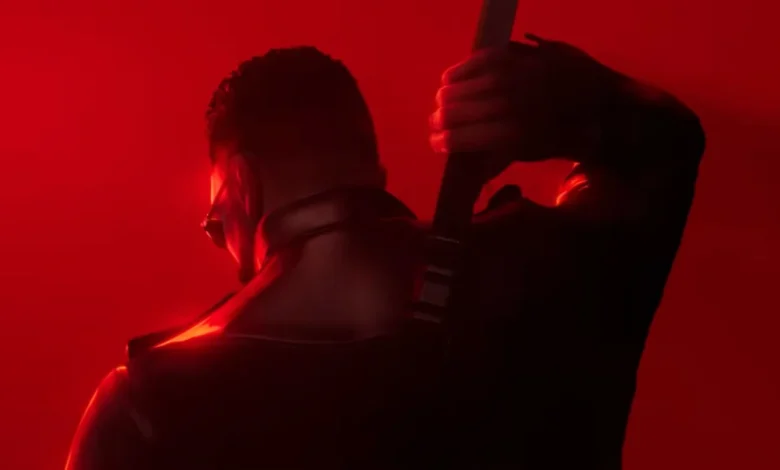
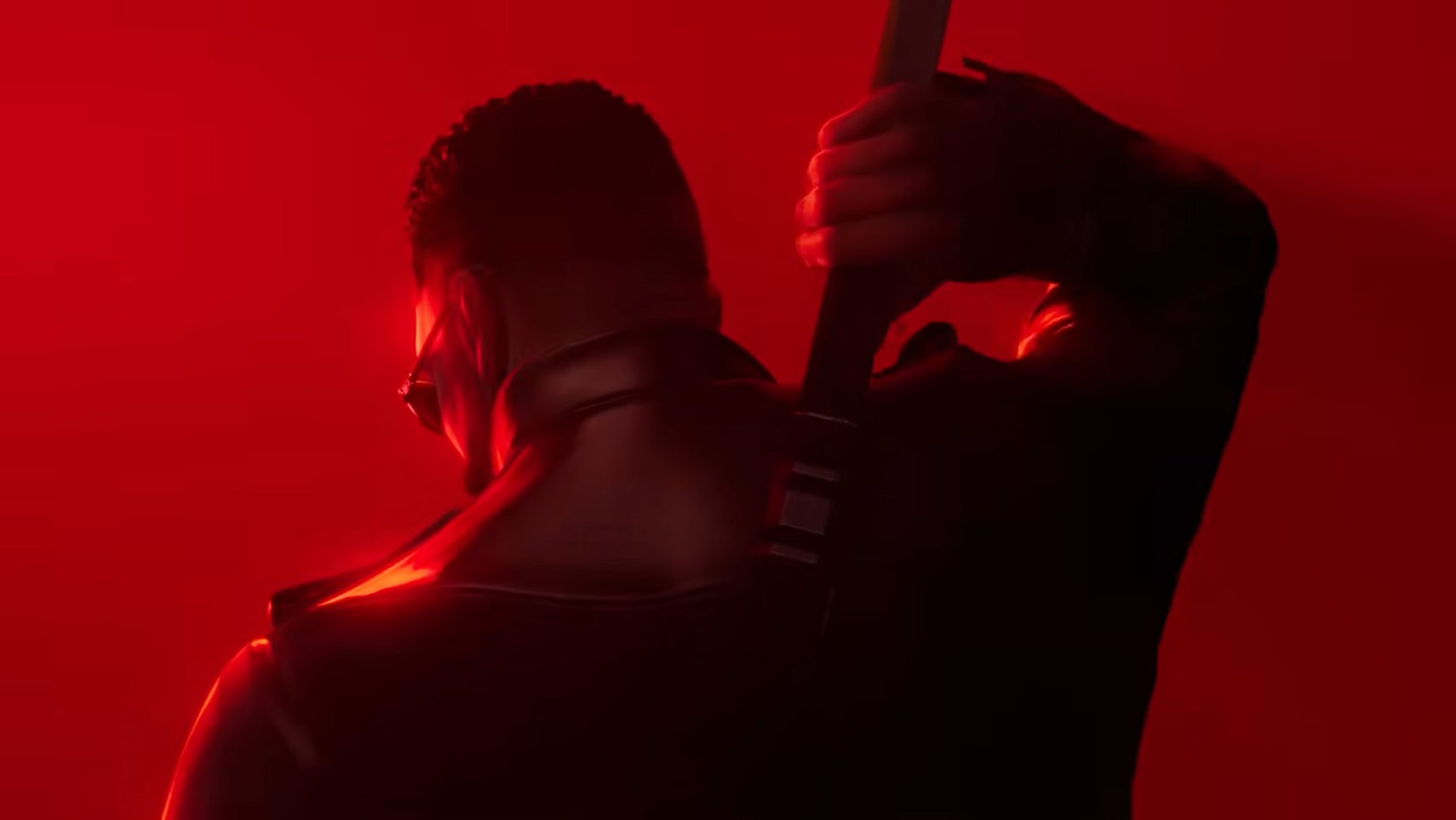
The ongoing restructuring and consolidation efforts within Microsoft’s Xbox division have placed the future of several prominent development houses in jeopardy, drawing sharp criticism from labor organizations and industry analysts alike. At the center of this turbulence is Arkane Lyon, the acclaimed French studio renowned for its immersive simulation masterpieces such as Dishonored and Prey. According to the French video game labor union STJV (Syndicat des travailleureuses du jeu vidéo), Microsoft’s handling of the studio defies basic financial pragmatism. The union asserts that the tech conglomerate would actually expend more capital executing the closure of Arkane Lyon than it would require to fully fund, complete, and launch its highly anticipated upcoming project, Marvel’s Blade.
The controversy underscores a broader, systemic tension between corporate profit optimization and the long-term stability of creative enterprises within the modern interactive entertainment landscape. As Microsoft navigates a shifting macroeconomic climate and reevaluates its multiplatform publishing strategy, the human and operational toll of these high-level corporate maneuvers has ignited a fierce debate over corporate responsibility, studio autonomy, and the sustainability of AAA game development.
Chronology of the Crisis: From Acquisition to Uncertainty
To understand the current precarious standing of Arkane Lyon, one must examine the timeline of events that preceded the studio’s precarious consultation period. Arkane Studios, originally founded in 1999 by Raphaël Colantantonio and later acquired by ZeniMax Media in 2010, became a cornerstone of Bethesda Softworks’ prestige single-player portfolio. The studio’s Lyon branch earned critical acclaim for redefining the immersive sim genre, blending intricate narrative design with player-driven mechanics in titles like Dishonored (2012) and Deathloop (2021).
When Microsoft finalized its massive $7.5 billion acquisition of ZeniMax Media in March 2021, Arkane Lyon officially became part of the Xbox first-party ecosystem. Hopes were high that the studio would benefit from the deep financial backing of one of the world’s largest technology companies. However, the operational reality within Xbox began to shift rapidly amid cooling hardware sales, rising development costs, and a broader industry correction following the post-pandemic boom.
The timeline leading to the current crisis accelerated through several distinct phases:
- Late 2023: Arkane Lyon officially announces Marvel’s Blade during The Game Awards, generating massive enthusiasm across the global gaming community and establishing the project as a premier title for Xbox’s future lineup.
- 2024–2025: Internal operational strains begin to mount. According to labor reports, Microsoft imposes a prolonged hiring freeze lasting over a year, which union representatives claim artificially inflated project timelines, delayed development milestones, and increased overall expenditures.
- Early 2026: Microsoft announces sweeping, company-wide job cuts and strategic divestments affecting multiple first-party studios under the Xbox umbrella. Arkane Lyon is thrust into an extended consultation period, initially granting leadership and staff until December to secure an independent buyer or face potential shuttering.
- Recent Developments: Reports emerge indicating that French publishing giant Ubisoft Entertainment, alongside other potential entities, has expressed interest in acquiring Arkane Lyon, though no binding agreements have been finalized.
Financial Realities and the STJV’s Accusations
In a comprehensive public statement released via the STJV website, worker representatives painted a damning picture of corporate mismanagement and short-termism. The union stated unequivocally that development on Marvel’s Blade is proceeding smoothly and demonstrates a level of quality entirely consistent with Arkane’s celebrated track record. Rather than viewing the project as a valuable asset, the union argues that Microsoft is actively "sabotaging the game it funded" by imposing restrictive conditions and threatening the studio’s existence.
Central to the STJV’s argument is the economic illogic of the shutdown. "Even this closure itself is done against any financial logic, as closing Arkane today would probably be more expensive than finishing the game," the union declared in its statement. By the union’s calculations, severance liabilities, intellectual property handovers, project write-offs, and the loss of projected revenues far outweigh the remaining operational expenditure needed to push Marvel’s Blade across the finish line.
Furthermore, the union directly challenged the narrative that studio delays and budget overruns justified the punitive measures taken by Microsoft. Representatives highlighted that internal bottlenecks—specifically the prolonged, corporate-mandated hiring freeze—were the primary catalysts for any budgetary friction. "Microsoft now uses those same delay and additional costs as a reason to close the studio," the statement emphasized.
The critique extended into a broader philosophical condemnation of modern corporate behavior. "The truth is that Microsoft based its decision only on stone cold and inhuman logic, in which our lives, projects and dreams are voided, so we can better serve Microsoft’s short term financial goals… The decision to close Arkane is solely the brutal application of a never-ending search for maximum profit optimization. Arkane is profitable. Just not profitable for Microsoft."
Union Demands and Employee Protection Measures
In response to the looming threat of unemployment and studio dissolution, the STJV has formulated a stringent list of demands aimed at safeguarding the rights, livelihoods, and creative output of Arkane Lyon’s workforce. These demands focus heavily on transparency, worker agency, and financial security:
- Direct Worker Involvement in Acquisition Talks: The union insists that employees must be granted a formalized seat at the table during negotiations with prospective buyers, such as Ubisoft, ensuring that any future corporate stewardship aligns with the studio’s cultural and creative values.
- Long-Term Employment Guarantees: Demands include robust contractual protections shielding staff from subsequent waves of downsizing or restructuring following any successful acquisition.
- Enhanced Severance Packages: Should acquisition talks ultimately collapse and closure become inevitable, the union has characterized current baseline redundancy offerings as "outrageously low." Consequently, the STJV is demanding guaranteed redundancy compensation of €200,000 per employee, alongside comprehensive outplacement and mental health support services.
The Wider Industry Context: Ripple Effects Across Xbox Studios
Arkane Lyon is far from an isolated casualty within Microsoft’s recent restructuring initiatives. The aggressive downsizing strategy implemented by Xbox leadership has reverberated across multiple high-profile development teams, fundamentally altering the landscape of first-party game creation.
Other notable studios within the Xbox portfolio have been forced to navigate extreme structural upheaval to maintain their operational independence. Development teams such as Double Fine, known for the critically acclaimed Psychonauts franchise; Compulsion Games, currently developing South of Midnight; and Undead Labs, the studio behind State of Decay, successfully negotiated management buyouts to secure their independence. However, these life-saving arrangements were not achieved without significant human cost, as each studio was forced to shed portions of its workforce to operate sustainably outside the protective, yet volatile, umbrella of a trillion-dollar parent corporation.
Meanwhile, the outlook remains profoundly uncertain for other storied internal teams. Studio operations at Ninja Theory, the acclaimed developer behind Senua’s Saga: Hellblade II, have faced persistent scrutiny and negative projections amid the ongoing contraction of Microsoft’s internal development footprint. Industry observers note a distinct pivot away from prestige, narrative-driven single-player experiences toward scalable, high-margin live-service titles and predictable intellectual property exploitation—a strategic shift that leaves boutique studios specializing in immersive sims and cinematic storytelling particularly vulnerable.
Analysis of Implications for the Video Game Industry
The unfolding situation at Arkane Lyon serves as a watershed moment for the video game industry, illuminating the profound friction points between massive tech conglomerates and creative development houses. When hardware manufacturers acquire independent studios to bolster subscription services like Xbox Game Pass, the financial metrics governing success shift dramatically. A studio can maintain critical acclaim and operational profitability yet still face extinction if its output does not align with the hyper-growth financial expectations of a publicly traded parent company.
Moreover, the active mobilization of labor unions like the STJV signifies a maturation of worker consciousness within the interactive entertainment sector. For decades, video game development has operated under a culture of crunch, job insecurity, and sudden studio closures without structured resistance. The vocal pushback from French developers establishes a powerful precedent for collective bargaining and accountability, challenging executive decisions that prioritize short-term quarterly returns over cultural heritage and creative capital.
As December approaches—the deadline set for Arkane Lyon to secure a viable buyer—the eyes of the global gaming community remain fixed on Lyon. Whether the studio finds a new home under the banner of a publisher like Ubisoft, or whether it becomes another cautionary tale in the annals of corporate consolidation, the legacy of its creators and the resilience of its workforce have already permanently altered the discourse surrounding labor rights and artistic integrity in modern game development.