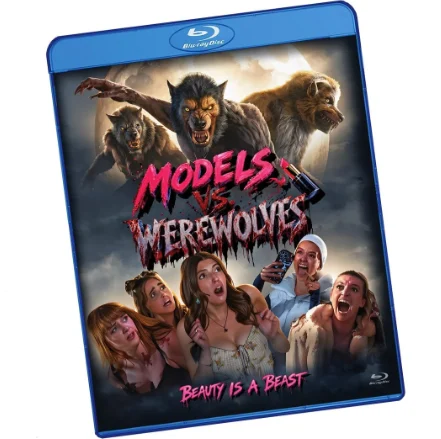
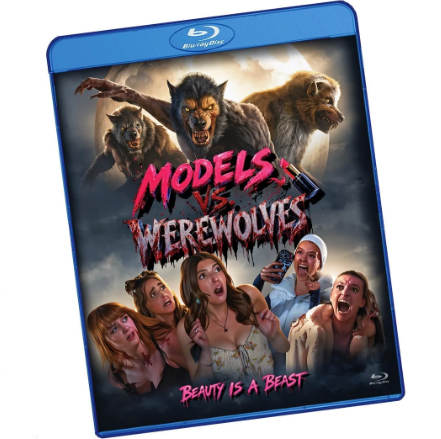
The 2026 release of Models vs. Werewolves marks the latest addition to the extensive Full Moon Features library, a production house renowned for its prolific output of low-budget genre cinema. Directed with a focus on satirical horror, the film centers on a group of high-profile social media influencers who venture into a remote wilderness, only to encounter a pack of lycanthropes. As the latest entry in the company’s long-standing tradition of creature features, the film provides a case study in the intersection of modern influencer culture and classic monster movie tropes.
Production Context and Industry Background
Full Moon Features, led by industry veteran Charles Band, has maintained a consistent production schedule for decades, specializing in direct-to-video and streaming-first horror content. The strategy behind Models vs. Werewolves appears to be an attempt to modernize the studio’s aesthetic by incorporating contemporary social dynamics—specifically the vapidity often attributed to social media personalities—into a traditional supernatural framework.
The film, which clocks in at a lean 74 minutes, adheres to the established Full Moon formula: high-concept, low-cost premises that prioritize brisk pacing and campy aesthetics over high-concept drama or complex narrative architecture. This release follows a broader industry trend of horror-comedies targeting niche audiences who appreciate practical creature effects and B-movie sensibilities. The inclusion of genre icon Dee Wallace, whose history with werewolf cinema is cemented by her legendary performance in Joe Dante’s 1981 classic The Howling, serves as both a marketing hook and a nod to the long-standing traditions of the werewolf subgenre.
The Narrative Premise and Social Commentary
The film’s central conflict arises from the juxtaposition of the influencers’ self-absorbed lifestyles and the primal, predatory nature of the werewolves. By isolating the characters in a wilderness setting—a trope that has remained a staple of the genre since the mid-20th century—the filmmakers attempt to contrast the artificiality of digital fame with the raw survival instincts required when facing a legendary monster.
While the film attempts to offer a critique of influencer culture, the execution remains largely satirical rather than analytical. The narrative focuses on the influencers’ attempts to maintain their online presence even as they are hunted, a choice that serves as the film’s primary source of humor. However, critical reception indicates that while the premise is serviceable, the film functions more effectively as a lighthearted diversion than a biting social commentary. The brevity of the runtime suggests a deliberate effort to avoid the common pitfall of narrative drag often found in low-budget horror, ensuring that the film reaches its conclusion before the repetitive nature of the tropes becomes a detriment to the viewing experience.
Technical Specifications and Blu-ray Distribution
The Blu-ray release distributed by Full Moon Features adheres to the label’s standard collector-focused approach. In an era where physical media is increasingly treated as a luxury good, the studio has opted to include a robust suite of supplemental materials to justify the purchase for dedicated fans. These extras include:
- Director’s Commentary: A track providing insight into the production challenges of shooting a creature feature on a constrained budget and schedule.
- Behind-the-Scenes Footage: A technical look at the practical effects and makeup artistry employed to bring the werewolves to life, highlighting the studio’s commitment to physical effects over modern CGI.
- Cast Screening Introduction: A segment featuring Charles Band, providing context for the film’s release within the wider Full Moon catalog.
- Original Theatrical Trailer: Preserving the marketing materials used to promote the film during its initial release cycle.
The inclusion of these features reflects the studio’s business model of catering to "completists"—collectors who value the physical acquisition of the film as an artifact of the horror subculture.
The Evolution of the Werewolf Subgenre
Werewolf films have historically served as metaphors for the "beast within," often exploring themes of repressed desire, societal conformity, or the loss of control. From The Wolf Man (1941) to An American Werewolf in London (1981), the subgenre has evolved alongside changing societal anxieties. Models vs. Werewolves represents a contemporary, lighter iteration of this tradition. By substituting the traditional Gothic or blue-collar protagonist with modern influencers, the film shifts the focus from deep-seated psychological struggle to the clash of modern vanity against ancient threats.
Statistically, the horror-comedy genre has seen a resurgence in the mid-2020s, driven by the popularity of streaming platforms that aggregate genre-specific content. The data suggests that films with clear, easily marketable premises—often characterized by "vs." titles—perform reliably well within these niche ecosystems. Despite the saturation of the market, the sustained interest in practical-effect-heavy werewolf films indicates that audiences retain a nostalgia for the specific tactile quality of creature features that dominated the late 1980s and early 1990s.
Critical Analysis and Market Performance
The critical consensus regarding Models vs. Werewolves positions it as an average entry in the wider horror-comedy landscape. It is not characterized as a revolutionary piece of cinema, nor is it a catastrophic failure. Instead, it occupies a middle ground that provides sufficient entertainment for fans of the specific sub-genre while failing to capture a wider, more mainstream audience.
The implications for Full Moon Features are clear: the studio continues to operate as a successful boutique label by understanding the specific demands of its audience. By leveraging known genre talent like Dee Wallace and keeping production costs controlled, the company minimizes risk while maintaining a steady stream of content. The film serves as a reminder that within the horror industry, there is a distinct difference between "groundbreaking" cinema and "entertaining" cinema. Models vs. Werewolves falls firmly into the latter category.
Looking Forward: The Future of Niche Horror
As we look at the timeline of the genre, the release of this film in late 2026 highlights the ongoing democratization of film distribution. Productions that might have struggled to find a theatrical foothold thirty years ago now thrive on platforms that cater to specific horror demographics. The success of a film like this is measured not by box office revenue, but by its performance in Blu-ray sales, digital rentals, and viewer retention on subscription-based streaming services.
For the casual observer, Models vs. Werewolves may seem like a curiosity—a low-budget film with a high-concept premise. For the horror enthusiast, it is a testament to the longevity of a studio that has remained committed to a specific style of filmmaking for over three decades. While the film may not be destined for the pantheon of horror classics, it fulfills its purpose as a piece of genre content that serves a loyal, pre-existing fan base.
In conclusion, the film provides a modest yet enjoyable addition to the lore of cinematic werewolves. It does not reinvent the wheel, but for those interested in the evolution of creature features in the social media age, it offers a functional and entertaining look at the genre’s capacity to adapt to contemporary trends. Future releases from Full Moon will undoubtedly continue this pattern, balancing nostalgic practical effects with the topical concerns of the modern era, ensuring that the cycle of production and fan engagement remains unbroken.