Context and Franchise Positioning
Star Trek: Scouts represents a strategic shift for the franchise, which has historically targeted adult and young adult audiences. By expanding into the preschool educational space via Nick Jr., the producers—working under the umbrella of Paramount’s multi-platform strategy—are aiming to foster brand loyalty among a new generation of viewers. The series utilizes the familiar setting of the holodeck, a narrative device that allows the show to present diverse, standalone moral and scientific dilemmas in a controlled environment.
The inclusion of species like the Horta, first introduced in the 1967 Star Trek: The Original Series episode "The Devil in the Dark," serves as a connective thread between the classic franchise and this modern, animated iteration. By revisiting these legacy creatures, the production team maintains a sense of continuity that appeals to multi-generational households, allowing parents who are long-time fans to share the lore with their children.
Chronology of the Current Season
The second season of Star Trek: Scouts launched on Star Trek Day, September 8, 2026, marking a significant milestone in the show’s production history. The release schedule has been designed to provide a consistent stream of short-form content, with the season total slated for 30 episodes, each lasting approximately three minutes.
- September 8, 2026: Season 2 premiere coincides with the annual Star Trek Day celebrations.
- October 2026: Mid-month milestones are reached as the series reaches its fifth episode of the new cycle.
- Future Trajectory: The remaining 25 episodes are scheduled to roll out throughout the coming months, maintaining the quick-turnaround, high-frequency release model that has become common for digital-first children’s programming.
The distribution strategy relies heavily on YouTube, specifically the Blaze and the Monster Machines channel, which acts as the primary hub for Nick Jr. short-form content. This digital-first approach ensures that the content remains accessible to a global audience, bypassing the traditional gatekeeping of cable television programming blocks.
Narrative Analysis: The Horta and the Antagonist
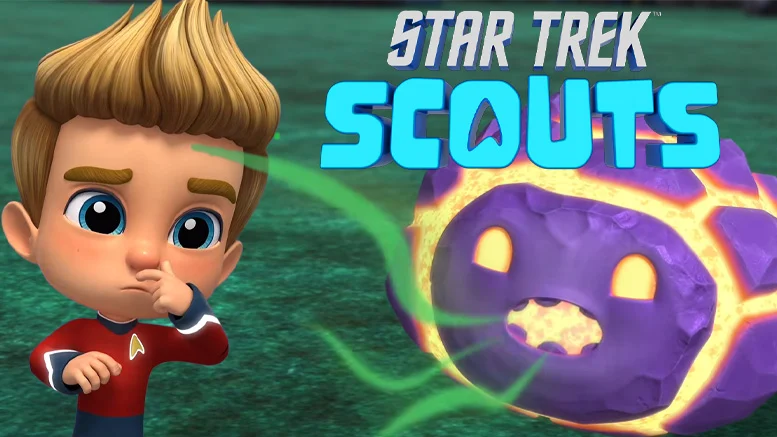
The latest episode, titled for its focus on a "gassy" Horta, introduces a blend of slapstick humor and problem-solving. In the episode, the cadet team is confronted with an environmental hazard on an alien planet, characterized by intense odors and a "stink-nado." The narrative arc hinges on the cadets’ ability to utilize their specialized equipment to stabilize the situation.
The return of Finn, an antagonist who has previously challenged the cadets, adds a layer of conflict to the otherwise educational nature of the simulation. Within the show’s logic, Finn’s presence forces the cadets to exercise critical thinking and teamwork under pressure, reinforcing the series’ core tenets: scientific inquiry, empathy for non-human life, and collaborative conflict resolution. This structural approach mirrors the "Problem of the Week" format often found in children’s television, but with the added layer of Star Trek’s high-tech, space-faring aesthetic.
Data and Production Scope
The shift to short-form, high-frequency episodes is a calculated move by Paramount to capture the attention span of younger demographics. With an average duration of three minutes per episode, the series fits within the "micro-content" category, which has seen explosive growth in the 2024–2026 period.
Supporting data regarding the show’s performance indicates that the integration of recognizable Star Trek elements—such as PADDs, tricorders, and iconic alien species—significantly increases engagement metrics compared to generic children’s animated content. By utilizing the Blaze and the Monster Machines YouTube channel, the show benefits from a pre-existing subscriber base, effectively cross-pollinating the audience of two major intellectual properties.
Educational Implications and Thematic Goals
Beyond the entertainment value, Star Trek: Scouts is designed to introduce fundamental scientific and social concepts to a preschool audience. The inclusion of an environmental crisis—even one framed through the humorous lens of "stinky gas"—provides a scaffold for teaching children about ecological responsibility, pollution management, and the importance of scientific observation.
The characters of JR, Sprocket, and Roo function as archetypes for different approaches to learning:
- JR: Often leads the team with enthusiasm and a focus on mission parameters.
- Sprocket: Frequently serves as the technical expert, managing the gear and gadgets required to solve the puzzles.
- Roo: Provides the emotional grounding and observational skills necessary to identify the needs of the creatures they encounter.
By working together, the cadets demonstrate that complex problems, whether they involve a distressed Horta or a malfunctioning piece of machinery, are best addressed through the synthesis of different skill sets.
Broader Impact on the Star Trek Universe
The expansion of the franchise into the preschool demographic is indicative of a broader trend in legacy media. IP holders are increasingly looking to establish "cradle-to-grave" engagement strategies. By introducing the vocabulary and visual language of Star Trek to toddlers, the franchise ensures that the brand remains a cultural touchstone regardless of changes in media consumption habits.
While the show is clearly distinct from the more mature iterations like Star Trek: Picard or Star Trek: Discovery, it shares the core values established by Gene Roddenberry: a commitment to exploration and the betterment of sentient life. The fact that a "stinky" Horta rescue can be framed within the same universe as deep-space diplomacy speaks to the flexibility of the Star Trek framework.
Official Stance and Audience Reception
Though the production team has not released formal viewership statistics for individual episodes, the comment sections on official YouTube uploads suggest a positive reception from the core demographic—parents of preschool-aged children. The common sentiment among viewers is that the show provides a "safe" and "educational" entry point into science fiction.
Critics of the series often point to the simplistic nature of the plots, but supporters argue that the complexity is scaled appropriately for the target age group. The focus on empathy—specifically the cadets’ desire to help the Horta rather than viewing it as a threat—is a direct thematic callback to the original series’ message of peace and understanding, which remains the bedrock of the entire Star Trek brand.
Conclusion and Future Outlook
As the second season of Star Trek: Scouts progresses, it is likely that the writers will continue to incorporate more legacy species and environmental scenarios. With 25 episodes still to be released, the series is well-positioned to continue its streak of blending classic sci-fi tropes with modern educational content.
The ongoing partnership between Nickelodeon and the Star Trek production team underscores a commitment to sustaining the brand’s relevance for the next decade. By treating the franchise as a living, breathing ecosystem that includes everything from high-stakes drama to preschool animations, Paramount is securing a unique position in the competitive landscape of digital entertainment. For fans, both new and old, the sight of a Horta—no matter how gassy—serves as a reminder that the Star Trek universe is vast enough to accommodate stories for everyone, from the most seasoned Trekkie to the newest recruit.