The Technical Evolution of the Xbox PC Experience
The latest iteration of the Xbox application represents a strategic pivot for Microsoft, which has spent years attempting to unify its console-based ecosystem with the open-ended nature of Windows gaming. By optimizing the app’s architecture, Microsoft is addressing long-standing criticisms regarding the software’s bloat and responsiveness.
Internal testing by the Xbox engineering team indicates that in-app windows will now open up to 65% faster, a substantial improvement intended to reduce the friction between launching the app and initiating gameplay. These performance gains are attributed to a refactored codebase designed to handle resource allocation more effectively on various hardware configurations. However, Microsoft notes that final performance metrics remain contingent on individual user variables, including system specifications, internet bandwidth, and background processes.
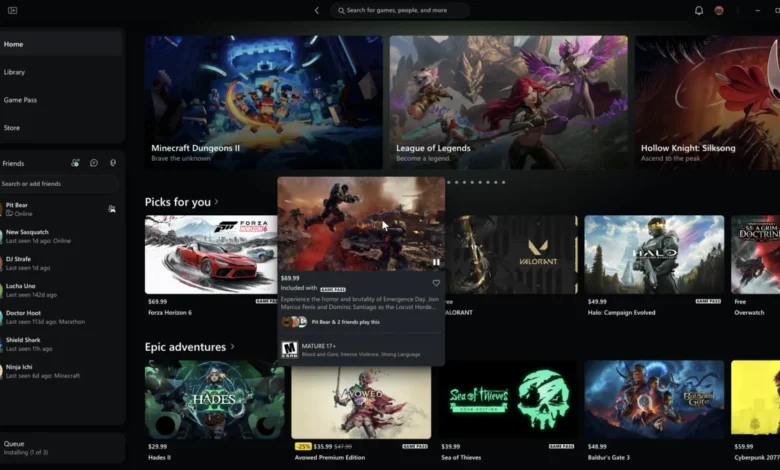
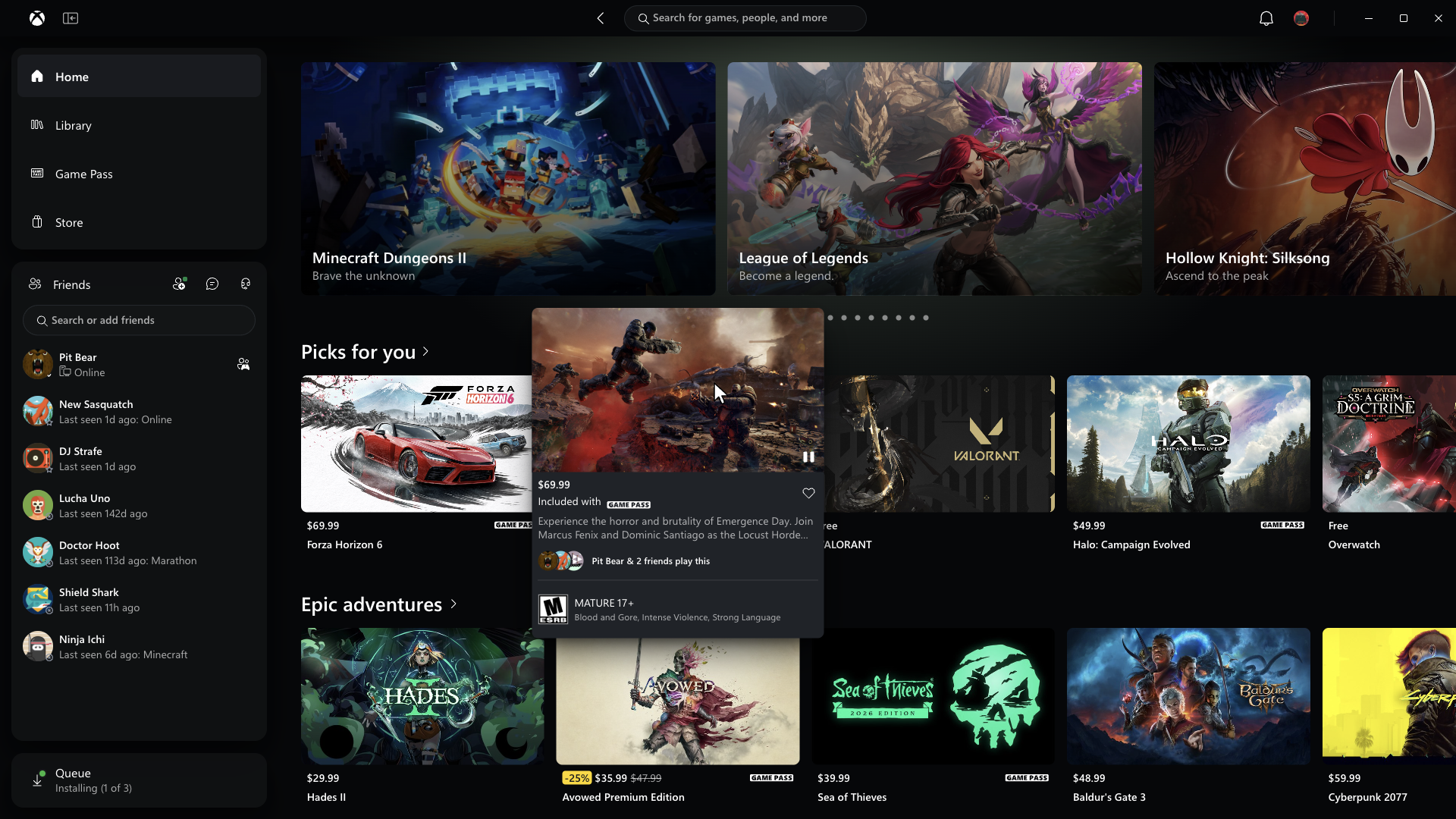
Beyond raw speed, the user interface has undergone a comprehensive redesign. The navigation system has been flattened to prioritize simplicity, allowing users to move between their library, the digital store, and the Game Pass catalog with fewer clicks. Perhaps most notably, the social and friends-list features—previously tucked away in sub-menus—have been moved to the primary navigation pane. This change reflects a broader industry trend toward prioritizing community connectivity, placing social interaction on par with content discovery and game management.
Chronology of Launcher Competition
The push for "faster load times" has become a competitive battleground among digital storefronts. For years, Steam—the dominant force in PC gaming—was criticized for its reliance on web-based rendering, which often led to sluggish performance. In response, Valve, the parent company of Steam, rolled out significant architectural updates throughout 2023 and 2024, focusing on a faster, more lightweight interface.
In early 2024, the Epic Games Store made headlines by promising a "vibe-coded" overhaul of its own launcher, explicitly marketing the update as faster and more efficient than its competitors. This sparked a wave of industry discourse regarding the necessity of such speed, with many analysts questioning whether launcher performance significantly influences consumer purchasing behavior.
Microsoft’s latest move suggests that the company is no longer content to let its application be viewed as a secondary gateway to Game Pass, but rather as a robust, high-performance platform capable of competing with the industry standard. The timeline of these updates suggests a cycle of parity; as one platform introduces a performance-focused patch, others follow suit to ensure they are not perceived as lagging behind in the "arms race" for system resource efficiency.
Supporting Data and User Integration
The performance metrics provided by Microsoft are categorized by specific software modules:
- Application Launch Time: Up to 60% reduction in cold-start latency.
- Navigation Loading (Home, Store, Game Pass): Up to 50% improvement in transition speeds.
- Window Interaction: Up to 65% faster responsiveness when opening sub-menus and settings.
These figures represent a significant shift from previous versions of the app, which frequently relied on heavy background processes that could consume substantial RAM. For users with lower-end systems, these improvements may represent the difference between a seamless experience and a frustratingly slow one.
To access these features, Microsoft has mandated participation in the Xbox Insider program. This requires users to install the "Xbox Insider Hub" via the Microsoft Store, providing the company with real-world telemetry data from a diverse array of PC builds. This feedback loop is essential for identifying potential bugs or hardware-specific conflicts before the update receives a general release. Furthermore, the company is extending these optimizations to the web, with a "refreshed web experience" slated for release that will utilize better screen-space management and introduce high-contrast modes for accessibility.
Broader Implications for the PC Gaming Market
The implications of this update extend beyond simple speed improvements. By smoothing the transition into the Xbox ecosystem, Microsoft is actively trying to lower the barrier to entry for users who may find the transition from Steam or other platforms jarring. The "Steam-like" simplicity that many users demand is not just a UI preference; it is a retention strategy.
In the current landscape, the average PC gamer manages a portfolio of games across multiple platforms, including GOG, Epic Games Store, Ubisoft Connect, and EA App. Fragmentation is high, and platform loyalty is often dictated by which launcher provides the least resistance. If Microsoft can offer a faster, more intuitive experience, it increases the likelihood that users will engage with the Game Pass subscription model more frequently.
However, industry analysts remain divided on whether speed alone is enough to shift market dominance. The "who cares?" factor mentioned in recent consumer feedback loops highlights a critical reality: for many, the quality of the games themselves and the value of the subscription service far outweigh the millisecond-level differences in launcher performance. The true test for Microsoft will be whether these updates foster a community that treats the Xbox app as a primary hub rather than a secondary utility.
Official Stance and Future Roadmap
Microsoft’s official communications emphasize a commitment to a "simpler, faster" future for PC gaming. By acknowledging the need for better organization and faster navigation, the company is signaling that it is listening to the technical feedback provided by its user base. The focus is on removing the "technical noise" that has plagued the Windows gaming experience for years.
In addition to the app update, Microsoft’s strategy includes a push toward better integration between the Windows OS and the Xbox platform. With the continued development of the "Xbox Game Bar" and better cloud-gaming integration via web browsers, the company is attempting to make the brand ubiquitous across all hardware.
The upcoming "refreshed web experience" will also feature improved library management, a long-requested feature that will allow players to better organize their titles, filter by genre, and track progress across their entire collection. This, coupled with the light, dark, and high-contrast visual modes, indicates a move toward a more polished and professional aesthetic that mirrors the design language of the modern Windows 11 interface.
Conclusion: A Measured Step Forward
The update to the Xbox PC app is a clear, calculated step in Microsoft’s long-term plan to dominate the PC gaming subscription market. While the performance gains are objectively impressive, their long-term impact will be defined by user adoption and the continued stability of the platform.
As the industry continues to iterate on these tools, the focus will likely shift from simple speed to feature parity. Users are increasingly expecting features like advanced mod support, community workshop integration, and robust social tools—all of which remain the stronghold of platforms like Steam. By addressing the fundamental performance issues first, Microsoft is laying the groundwork for a more competitive, user-centric ecosystem.
For now, members of the Xbox Insider program serve as the front line for these changes. Their experience over the coming weeks will determine the final polish of the app before it reaches the broader market. As the lines between console and PC gaming continue to blur, the launcher serves as the primary point of contact for millions of players, and Microsoft’s latest investment in speed suggests that they are taking this responsibility with newfound urgency. Whether this will lead to a shift in market share remains to be seen, but the intent to provide a high-tier, streamlined experience is more evident than it has been at any point in the platform’s history.
Related posts: