Kevin Feige and Ryan Coogler Reflect on the Enduring Legacy of Chadwick Boseman and the Human Cost of Cinematic Franchises

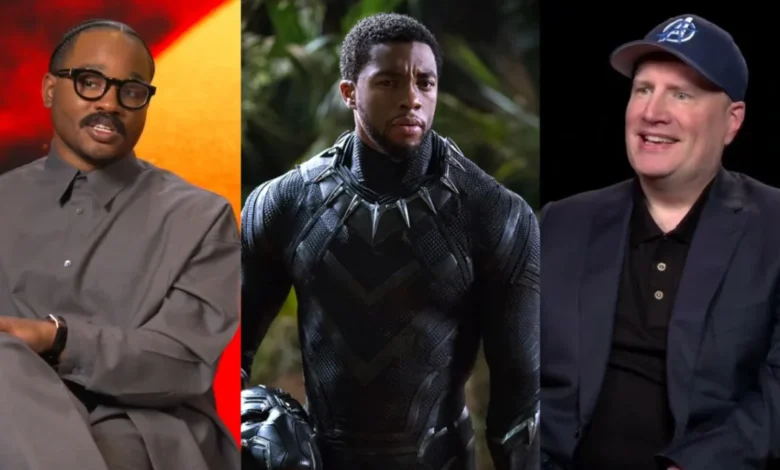
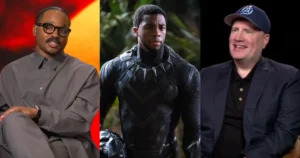
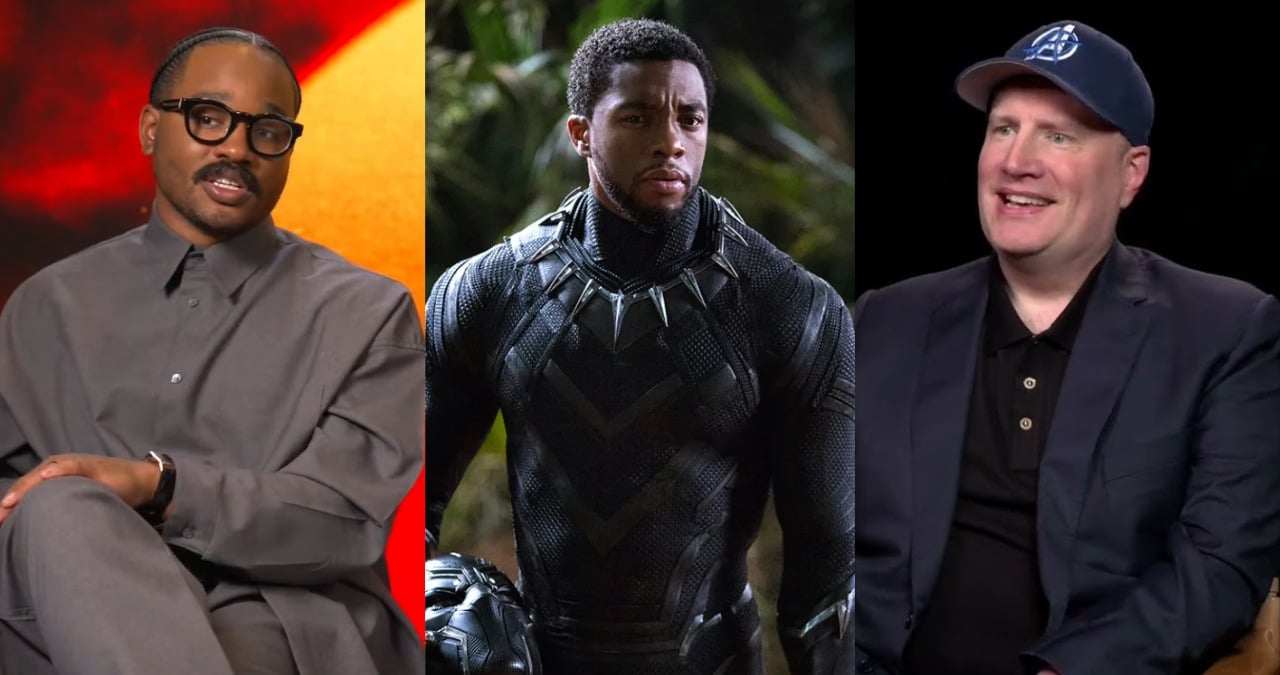
The sudden passing of Chadwick Boseman in August 2020 sent shockwaves through the global entertainment industry, fundamentally altering the trajectory of the Marvel Cinematic Universe (MCU) and leaving a profound void in the lives of those who worked closely with him. Years removed from that tragedy, Marvel Studios President Kevin Feige and director Ryan Coogler—the creative architects behind the Black Panther franchise—recently convened at the University of Southern California to discuss the intersection of professional demands and the personal grief that defined one of the most difficult periods in the studio’s history. This dialogue, which explored the balance between corporate stewardship and human empathy, sheds light on the internal culture at Disney and Marvel during a moment of unprecedented loss.
A Timeline of Loss and Resilience
Chadwick Boseman, who portrayed King T’Challa with a regal gravitas that transformed the superhero genre, passed away at the age of 43 following a private four-year battle with colon cancer. His death occurred during the height of the global COVID-19 pandemic, a time when the world was already sequestered and experiencing collective trauma.
The chronology of the franchise’s response to his passing is defined by a delicate navigation of mourning and continuation. Following the loss, the studio opted not to recast the role for Black Panther: Wakanda Forever (2022), choosing instead to weave the narrative of T’Challa’s death into the script to honor the actor’s memory. This decision reflected a rare alignment between the artistic vision of Ryan Coogler and the strategic imperatives of Kevin Feige. While the industry is often governed by the necessity of sustaining billion-dollar intellectual properties, the immediate aftermath of Boseman’s death was notably devoid of the typical "reboot" chatter that often follows the loss of a lead star.
The Human Element Behind the Corporate Veil
During the USC discussion, moderated to explore the professional evolution of both men, the conversation pivoted from the logistical challenges of production to the emotional reality of the 2020 lockdown. Ryan Coogler provided an intimate account of how Marvel’s leadership approached him, not as a director burdened with a stalled franchise, but as a grieving friend.
"They came to our apartment in lockdown… and we walked around the Richmond Arena and just talked," Coogler recounted. "It was the first real check-in. And it wasn’t ‘Hey, what are we going to do about this franchise?’ It was about, ‘Hey, are you OK? How are you taking it?’"
This anecdote serves as a significant insight into the leadership style of Kevin Feige and Disney CEO Bob Iger. By prioritizing the mental well-being of their lead filmmaker over the immediate financial concerns of a multi-billion dollar asset, the studio demonstrated an awareness of the "humanity beyond the corporate things," as Coogler described it. This approach likely prevented a premature and potentially alienating creative pivot, allowing for a more organic development of the Black Panther sequel.
Kevin Feige’s Reflection on Professional Mortality
Kevin Feige, whose tenure at Marvel has been defined by long-term planning and the meticulous construction of the Multiverse Saga, admitted that the experience forced him to re-evaluate his own professional habits. The relentless pace of the film industry, often characterized by back-to-back production schedules and high-pressure release dates, had fostered a mindset of perpetual availability.
"We will be back in there, that was always my expectation," Feige said, referring to his belief that he would have future opportunities to reconnect with Boseman. "So the need to set a dinner or a lunch to say hi, I just never do. Because we’re busy and because we’re going to have a next time. And that hit me like a ton of bricks when I realized that there wasn’t going to be a next time."
This admission highlights a common phenomenon among high-level executives in the entertainment sector: the "illusion of the next time." In a business where projects span years, the assumption of future collaboration is a default setting. The loss of Boseman, an actor with whom Feige had planned a multi-film arc, acted as a catalyst for a shift in perspective regarding the value of human connection over the ephemeral nature of studio output.
Contextualizing the Legacy of Black Panther
The Black Panther franchise represents more than just a successful series of films; it is a cultural touchstone that redefined the commercial viability of diverse storytelling in Hollywood. The first film, released in 2018, grossed over $1.3 billion worldwide and became the first superhero film to be nominated for an Academy Award for Best Picture.
Chadwick Boseman’s portrayal of T’Challa was central to this success. His ability to project strength, vulnerability, and nobility resonated with audiences globally, cementing his status as a cultural icon. Following his death, the success of Wakanda Forever—which grossed over $850 million—confirmed that the audience’s investment in the franchise was tied deeply to the thematic legacy Boseman established, rather than just the spectacle of the genre.
Implications for the Future of the Franchise
As Ryan Coogler continues to build his career—most recently recognized with an Oscar for his work on Sinners—the conversation surrounding the future of the Black Panther IP has returned to the forefront. Reports suggest that Marvel is currently in early development on Black Panther 3.
While the studio has previously resisted the notion of recasting T’Challa, industry analysts have noted that the conclusion of the "Multiverse Saga" may provide a narrative framework for revisiting the character in some form. However, both Feige and Coogler remain protective of the integrity of the character. As Coogler noted during the USC talk, "There was only one Chad, bro. And there was only one character that was really meant for him."
The challenge for Marvel Studios moving forward lies in maintaining the cultural significance of the Black Panther series while navigating the absence of its primary architect. The strategy thus far has been to emphasize the legacy of the mantle rather than the individual, a narrative choice that honors Boseman’s contribution while allowing the franchise to evolve.
Analytical Perspective: The Institutional Shift
From a business standpoint, the transparency shown by Feige and Coogler regarding their internal reaction to 2020 serves as a case study in crisis management. In an era where corporate transparency is increasingly demanded by shareholders and the public alike, the acknowledgment of personal grief as a factor in high-level decision-making is rare.
Historically, large media conglomerates have been criticized for prioritizing intellectual property rights over the human beings who create that property. The narrative provided by Coogler regarding the studio’s support during the lockdown suggests a conscious effort to preserve the integrity of the creative partnership. Whether this cultural shift persists as the studio moves into its next phase of production remains to be seen, but the precedent set by the handling of the Black Panther transition suggests a more human-centric approach to franchise management.
Conclusion
The dialogue between Kevin Feige and Ryan Coogler offers a window into the intersection of personal tragedy and professional duty. It underscores the reality that even within the monolithic structures of a global studio like Disney, the most profound decisions are often rooted in empathy and the recognition of human mortality.
As Marvel Studios prepares for the next chapter of its cinematic journey, the lessons learned from the life and passing of Chadwick Boseman continue to shape its creative direction. The legacy of Black Panther is now inextricably linked to this history of resilience, ensuring that while the face of the franchise may shift, the values of the story—rooted in the dignity and humanity that Boseman brought to the screen—will remain a guiding principle for the studio’s future endeavors. The industry will be watching closely as the franchise moves forward, balancing the commercial demands of the box office with the enduring weight of a performer who left an indelible mark on cinema history.
Related posts: