Bit Reactor Hit With Layoffs at Star Wars Zero Company Developer Despite Strong Sales and Post-Launch Recovery Efforts

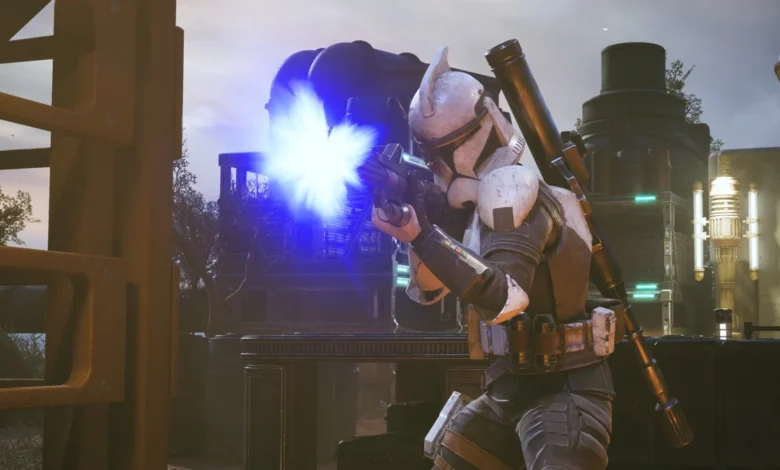
The volatile intersection of critical acclaim, commercial success, and financial instability in the modern video game industry has once again claimed a toll, as Bit Reactor—the independent development studio behind the critically lauded tactical game Star Wars Zero Company—has implemented a fresh wave of layoffs. This development comes just a month after the studio celebrated a partial staff recall following a severe pre-launch funding crisis that saw the vast majority of its workforce temporarily furloughed.
While the exact number of affected employees has not been officially disclosed by studio executives, multiple developers took to professional networking platforms to announce their departures. The layoffs underscore a grim reality for many mid-sized independent studios operating within the current macroeconomic climate, where even a million-selling franchise title cannot immediately secure long-term job security for its creators.
Anatomy of a Pre-Launch Financial Crisis
The seeds of Bit Reactor’s current turmoil were sown in the critical weeks leading up to the commercial debut of Star Wars Zero Company. In August, as the studio put the finishing touches on the turn-based tactical project, financial pressures reached a breaking point. Facing a sudden depletion of liquid capital just shy of the finish line, studio leadership made the unprecedented and drastic decision to furlough approximately 80 percent of its workforce.
For developers who had dedicated years of their lives to steering the project from early pre-production through to completion, the sudden suspension of employment contracts was a devastating blow. Furloughs of this scale are exceptionally rare so close to a game’s market release, typically indicating that development costs had severely outpaced available funding or that publisher backing had hit temporary bottlenecks. Despite these immense internal pressures, the skeleton crew remaining at Bit Reactor managed to push Star Wars Zero Company across the launchpad, releasing the title to widespread consumer and critical acclaim on August 27.
Commercial Triumph and Critical Acclaim
The gamble to push the game to release under duress initially appeared to yield the necessary financial dividends. Star Wars Zero Company struck a chord with both long-time strategy enthusiasts and casual gamers alike, benefiting from a well-executed fusion of established turn-based tactical mechanics and the globally recognizable Star Wars intellectual property.
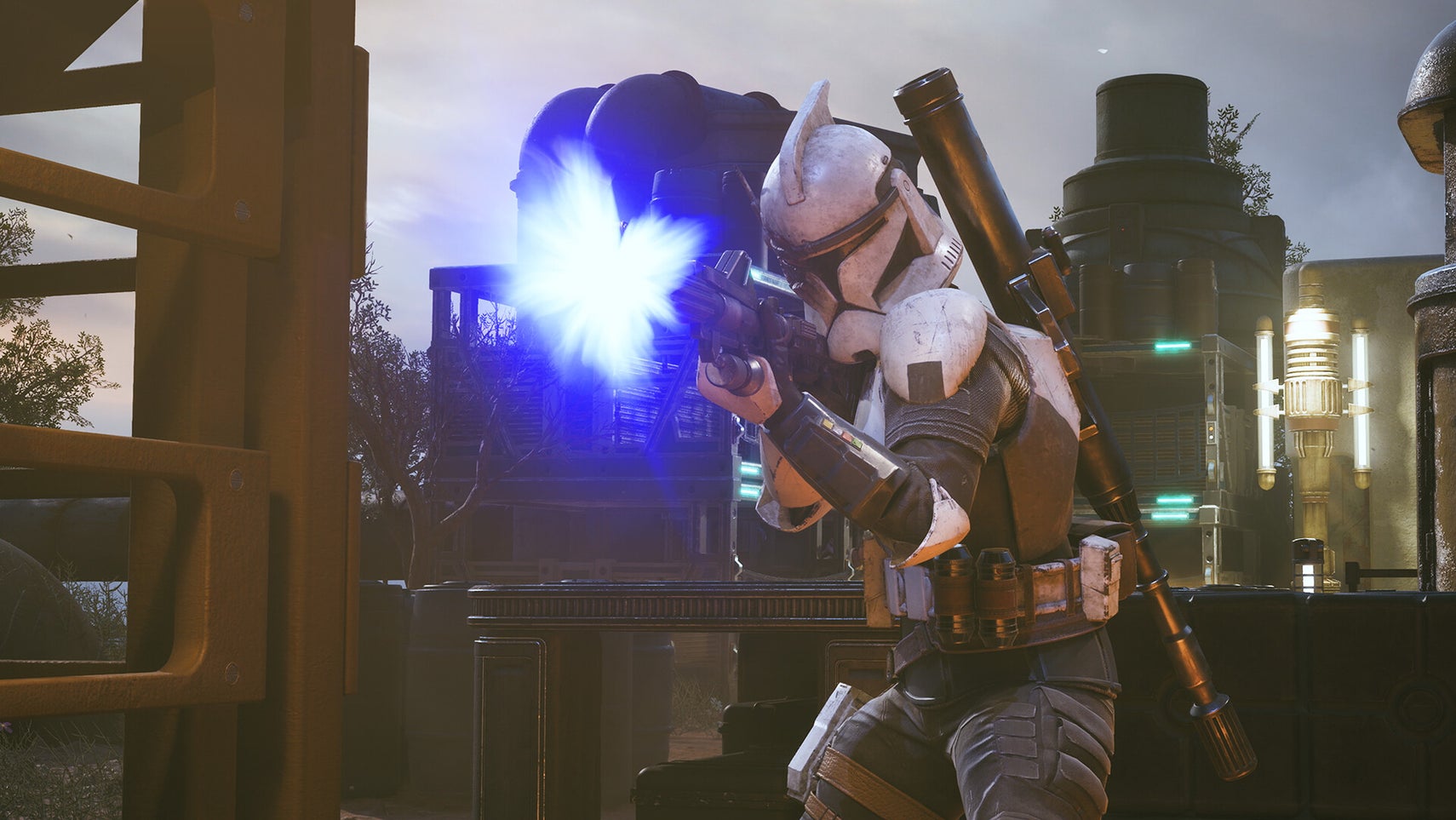
Industry analysts and internal estimates indicate that the title surpassed the crucial one-million-copies-sold milestone within its first month on the market. Furthermore, the game earned glowing reviews from major gaming publications. Eurogamer, for instance, awarded the title a stellar four-out-of-five-star rating, praising it as "an already winning genre is matched with the perfect setting in this earnest, heartfelt, smart and slightly ramshackle turn-based tactics gem."
This robust commercial performance provided a much-needed financial lifeline, prompting studio leadership to pivot toward recovery mode and begin bringing displaced workers back into the fold.
The Short-Lived Return and Subsequent Departures
On October 7, Bit Reactor CEO Greg Foertsch took to the social platform Bluesky to share an encouraging update with the gaming community. Foertsch announced that the studio had officially initiated the process of recalling furloughed staff members to resume active development and operational duties.
Reflecting on the pre-launch furloughs, Foertsch described the decision to temporarily sideline the team as an "incredibly difficult decision," but defended it as a necessary evil "that was necessary to help us eventually bring as many people back as possible."
Reports indicate that more than half of the original workforce was successfully reintegrated into the studio following the post-launch revenue influx. However, this recovery was fraught with compromises; not all returning employees were brought back on their original full-pay scales. Moreover, the long-term sustainability of maintaining the expanded headcount appears to have faltered rapidly over the subsequent weeks.
By Friday, November 6, the temporary nature of the studio’s financial stabilization became apparent when several key developers announced their permanent termination. Among those impacted were veteran industry professionals who had weathered the entirety of the game’s production cycle. Senior environment artist Ryan Lopez, who dedicated three and a half years to shaping the visual landscapes of Zero Company from its infancy, confirmed his departure following a grueling three-month furlough. Similarly, UI engineer Tyler Eichten—responsible for designing the intuitive on-screen interfaces that guided players through tactical combat missions—alongside QA team member Ryan Mosher, verified that they had been let go.
Expressions of Resilience Amid Industry Uncertainty

Despite the bitter nature of the layoffs, departing staff members have publicly expressed deep pride in the collaborative achievements that brought Star Wars Zero Company to life. In a statement posted to LinkedIn, Ryan Lopez encapsulated the mixed emotions of the team, writing, "While it stings, I’m really proud of what we built together. It was a privilege to ship a game with you."
The situation at Bit Reactor reflects a broader, systemic issue plaguing the interactive entertainment sector. Even when a studio successfully delivers a polished, million-selling hit within a beloved multi-billion-dollar franchise, the lag time between retail sales and actual revenue disbursement to independent developers can create lethal financial vacuums. Post-launch sales spikes do not always translate into immediate cash flow sufficient to sustain pre-launch staffing levels, particularly for independent developers beholden to strict budgetary milestones and revenue-sharing agreements.
Broader Implications for Independent Studios
The events at Bit Reactor highlight the precarious balancing act required of independent developers partnering with major intellectual property holders. While working with a powerhouse brand like Star Wars guarantees visibility and built-in audience interest, it also carries immense production pressures and high financial stakes.
As the games industry continues to navigate a post-pandemic correction characterized by widespread venture capital retrenchment, studio closures, and sporadic layoffs, the plight of Bit Reactor serves as a cautionary tale. It demonstrates that critical praise and commercial milestones are not always absolute shields against economic reality.
As of now, Bit Reactor has not issued a comprehensive public statement detailing the exact magnitude of this latest round of layoffs, nor has the studio clarified the future operational roadmap for remaining personnel. For the talented developers who poured years of labor into crafting one of the year’s standout tactical titles, the abrupt conclusion of their tenure at the studio leaves an uncertain path forward in an increasingly competitive job market.
Related posts: