Brad Anderson Is Still Pitching Session 1, a Prequel to His 2001 Cult Horror Classic Session 9

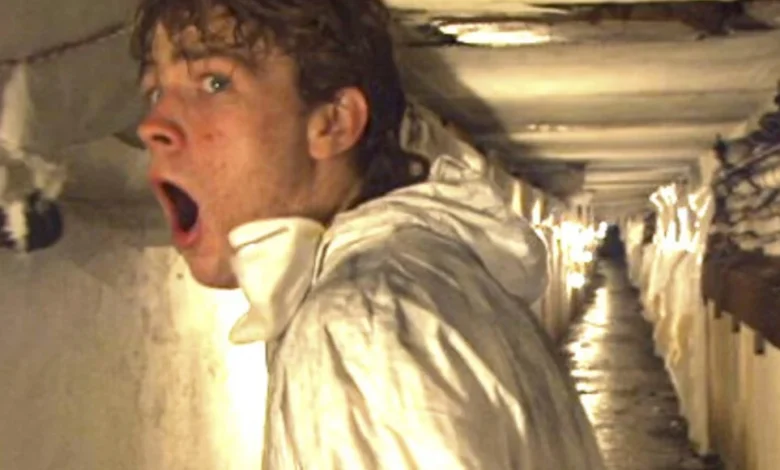
More than two decades after quietly slipping into theaters before finding a ferocious, enduring life on home video and streaming, Brad Anderson’s psychological horror film Session 9 continues to cast a long shadow over the genre. Celebrating its 25th anniversary this year, the film has been the subject of retrospective screenings and celebratory panels. However, rather than simply looking back at past achievements, director and co-writer Brad Anderson has used the anniversary tour to continue advocating for a project that has long lingered in development hell: a prequel tentatively titled Session 1.
During a recent appearance, screening, and subsequent question-and-answer session at Mass Mini Con, Anderson revealed to an eager audience of genre enthusiasts that he and his Session 9 co-writer, Stephen Gevedon, have actively developed a narrative charting the origins of Mary Hobbes. In the original 2001 film, Mary Hobbes is the unseen, multi-personality patient whose haunting, disembodied voice provides the psychological anchor and chilling audio-tape framework for the entire narrative.
While the original movie relies on the terrifying ambiguity of these audio recordings to unravel the sanity of an asbestos abatement crew working inside a haunted asylum, the proposed prequel aims to bring Mary Hobbes out of the shadows. According to details shared by Anderson on stage—which were initially relayed to the public via social media by Alex DiVincenzo of Broke Horror Fan and subsequently covered by genre outlets like Bloody Disgusting—Session 1 would deeply explore the formative years of the infamous character.
Diving Into the Origin of Mary Hobbes
For fans of Session 9, the prospect of learning the precise mechanics behind Mary Hobbes’ psychological fracture is both thrilling and contentious. The original film achieved its cult status precisely because it refused to offer neat, tidy explanations for the supernatural or psychological horror unfolding on screen. Instead, the dread mounted through atmosphere, isolation, and the eerie cadence of the titular therapy sessions.
Anderson’s description of the prequel suggests a narrative that does not shy away from explicit trauma. Speaking to the crowd at Mass Mini Con, the director outlined a plot that would dramatize Mary Hobbes’ upbringing, the pivotal events that altered her life, the nature of her alleged possession, and the horrific climax in which she slaughters her family.
Despite the specificity of Anderson’s vision, the project currently exists in a state of indefinite limbo. Outlets such as Rue Morgue have noted that no independent confirmation of further production specifics has been provided beyond what Anderson articulated from the stage, leaving the project without an official greenlight, financing, or a distribution partner.
A Half-Decade Search for a Greenlight
The push for Session 1 is not a sudden whim born of anniversary nostalgia. Anderson and Gevedon have spent years attempting to bring the prequel to fruition, facing persistent roadblocks from the corporate entities that control the intellectual property.
A comprehensive timeline of the prequel’s development reveals that the creative team has pushed the concept for at least five years. Reports dating back to 2021 indicated that Anderson and Gevedon had already drafted a complete, feature-length treatment for Session 1. Armed with a finalized script framework, they approached Focus Features, the studio holding the distribution and ownership rights to Session 9.
At the time, the pitch hit an immovable corporate wall. According to Anderson, Focus Features maintained a strict, standing policy against producing sequels, prequels, or spin-offs tied to library titles within its catalog. Despite the filmmakers reportedly structuring the pitch in a manner that would require little to no upfront financial investment from the studio, executives ultimately passed on the project.
Whether corporate policies at Focus Features—or whichever parent company currently manages the rights—have softened in the intervening years remains entirely unclear. Nothing stated during the Mass Mini Con appearance suggests that the studio’s stance has changed, meaning that Session 1 remains orphaned from the institutional backing required to bring a motion picture to life. Yet, the persistent advocacy of its director demonstrates that the creative drive behind the project remains undiminished.
The Enduring Legacy and Production Lore of Session 9
To understand why Anderson remains so fiercely dedicated to expanding the universe of Session 9, one must examine the unique circumstances of the original film’s production and its subsequent ascent within the horror canon.
Released in the autumn of 2001, Session 9 operated on a modest budget and received a relatively limited theatrical rollout. Directed by Anderson and co-written by Anderson and Gevedon (who also played the role of Mike in the film), the movie starred an eclectic ensemble cast including Peter Mullan, David Caruso, Josh Lucas, and Brendan Sexton III.
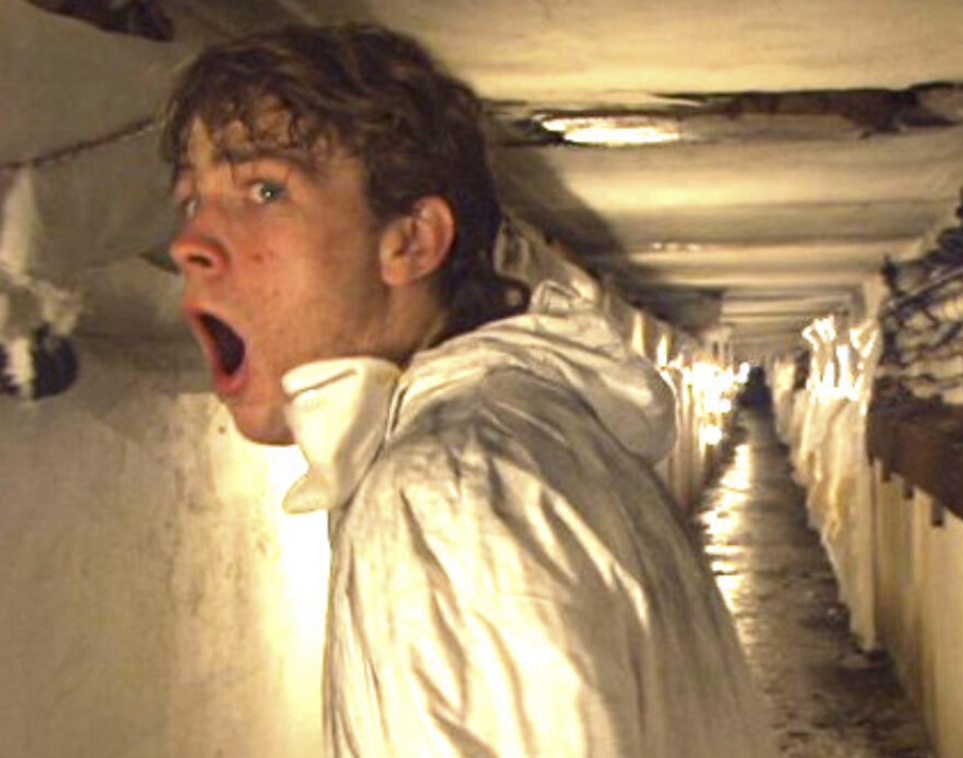
Rather than relying on cheap jump scares or heavy-handed CGI—which dominated commercial horror at the turn of the millennium—Anderson opted for a slow-burn atmospheric approach. The film follows an asbestos abatement crew tasked with stripping the sprawling, decaying interior of the Danvers State Hospital, a real-life, decommissioned psychiatric facility in Massachusetts known for its ominous Gothic architecture and dark history of lobotomies and institutional neglect.
As the crew works through the labyrinthine corridors, the psychological pressure of the environment begins to fracture their relationships. Central to their unraveling are a series of audio tapes documenting the therapy sessions of Mary Hobbes, meticulously listened to by the crew member Gordon (played by Mullan). The audio medium serves as an auditory ghost, haunting the workers and slowly driving them toward paranoia and violence.
Danvers State Hospital itself became as much a character in the film as any human actor. Its cavernous halls, peeling lead paint, and looming institutional facade provided an authentic backdrop of dread that digital effects could never truly replicate. Fittingly, the historic hospital was largely demolished shortly after filming concluded, cementing Session 9 as a vital cinematic time capsule of a lost architectural monument to psychiatric history.
Implications and the Double-Edged Sword of Prequels
The ongoing campaign for Session 1 invites a broader critical analysis regarding the nature of prequels within the horror genre. In contemporary cinema, horror franchises frequently rely on prequels and origin stories to milk established intellectual properties, often demystifying iconic antagonists and draining them of the fear that made them effective in the first place. For a film like Session 9, which achieved its legendary status by preserving ambiguity—leaving audiences to debate whether the characters were suffering from shared psychosis, demonic possession, or mundane homicidal madness—explaining Mary Hobbes carries inherent risks.
A literal dramatization of her childhood, possession, and familial murder threatens to trade psychological terror for exposition. However, supporters of Anderson’s vision argue that a director with his track record—who also helmed acclaimed thrillers like The Machinist and Transsiberian—is uniquely equipped to handle such material without resorting to cliché. Based on his recent stage remarks, Anderson envisions a project that walks directly into the psychological abyss alongside Mary Hobbes, prioritizing character degradation and atmospheric dread over simple narrative answers.
The Road Ahead for Session 1
As the anniversary celebrations for Session 9 draw to a close, the immediate future of Session 1 remains unchanged. It occupies the space it has inhabited for half a decade: a passion project fueled entirely by the creative persistence of a filmmaker who refuses to let his creation fade into obscurity.
While industry observers and dedicated horror publications will continue to monitor developments for any sign of a shifting corporate landscape or unexpected studio acquisition, the reality on the ground is stark. Without a distributor, a formal greenlight, or allocated production capital, Session 1 exists solely as an idea waiting for an open door.
For the legions of fans who discovered Session 9 on late-night cable, through word-of-mouth recommendations, or via specialized boutique physical media releases over the past twenty-five years, the mere existence of the script is a comforting reminder that great horror films never truly die—even if the doors to the asylum remain firmly locked.