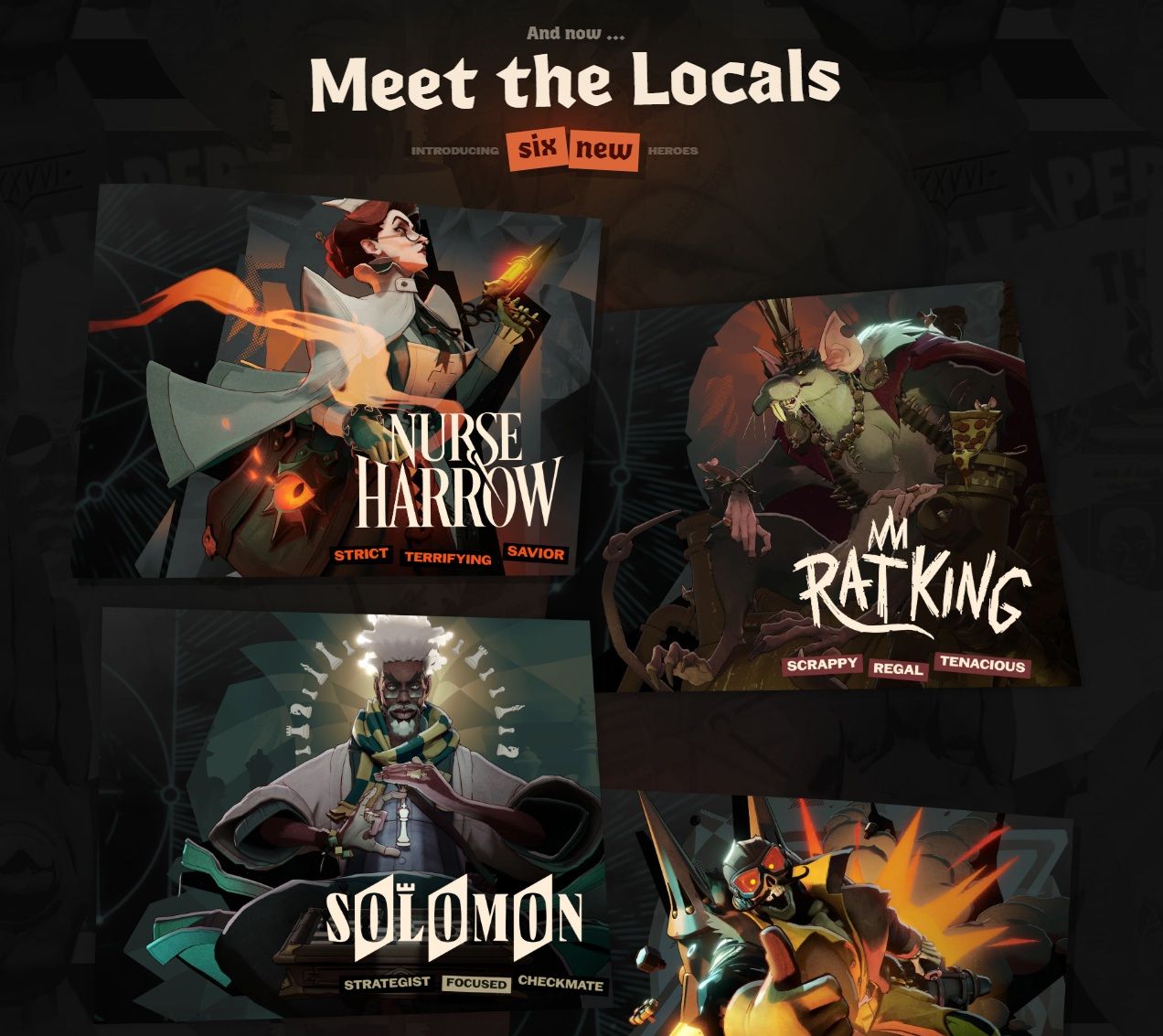
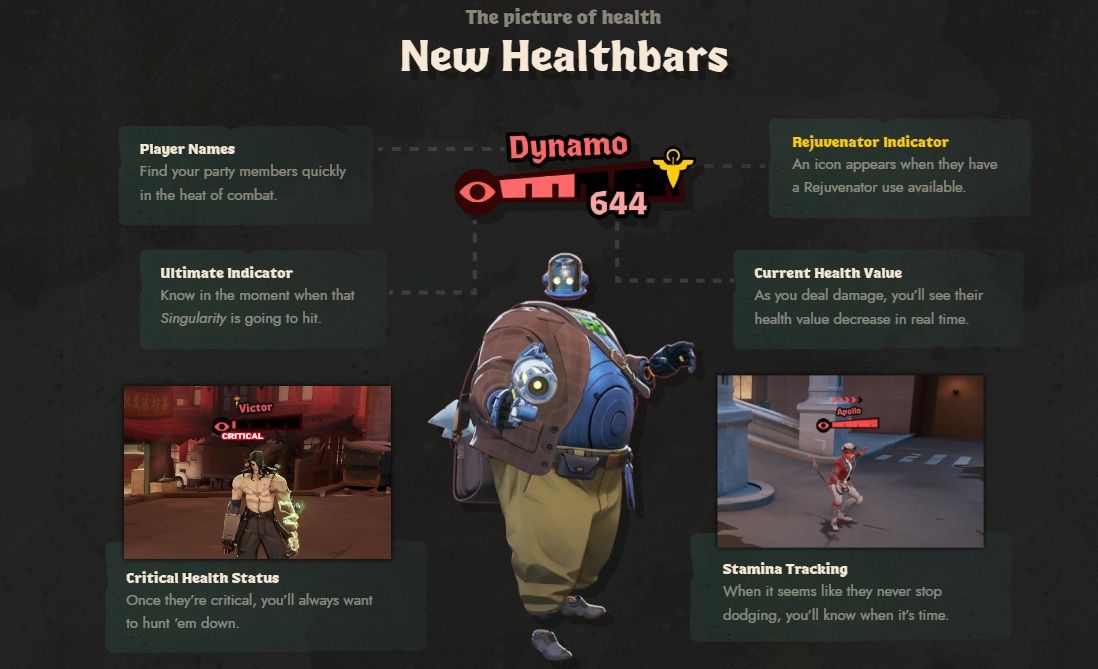
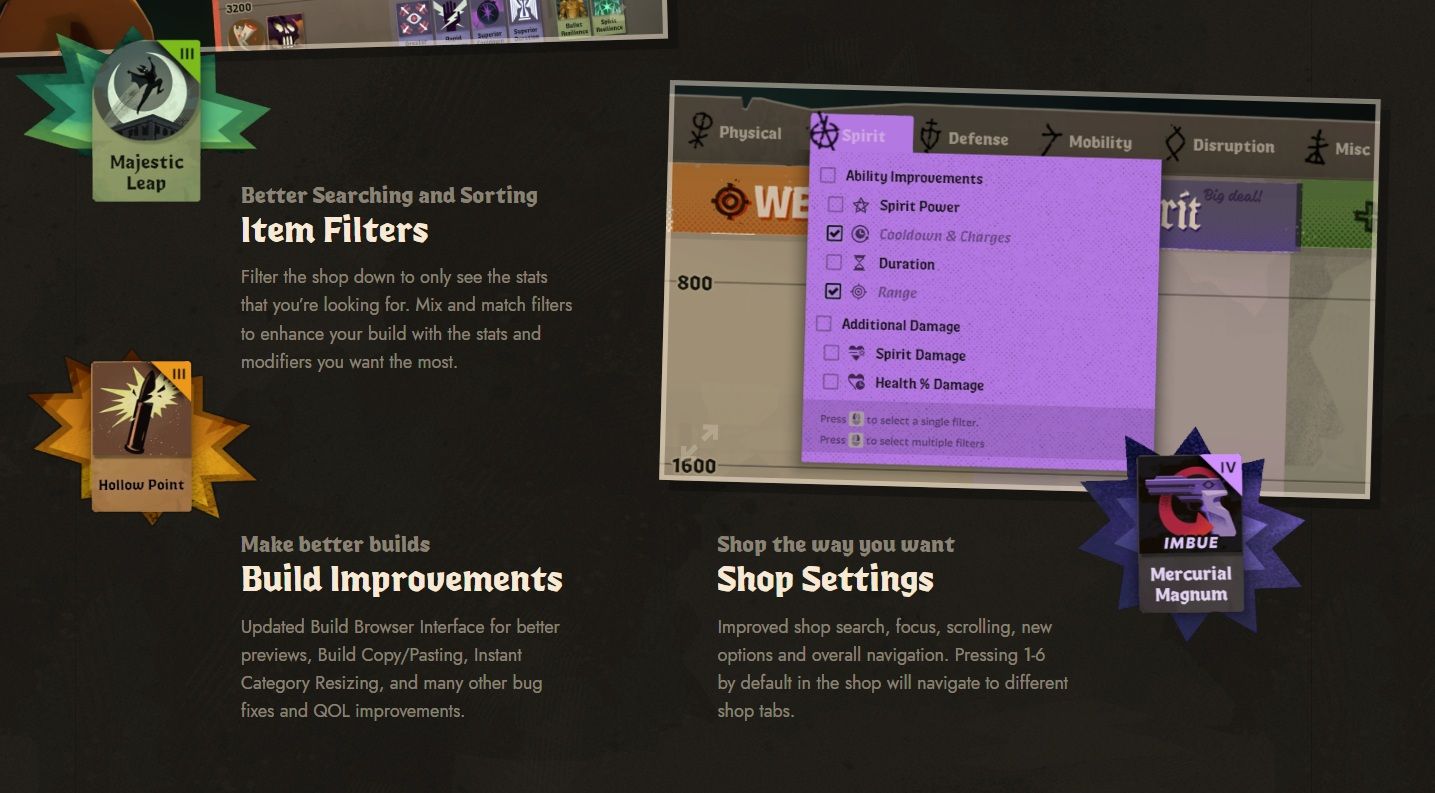
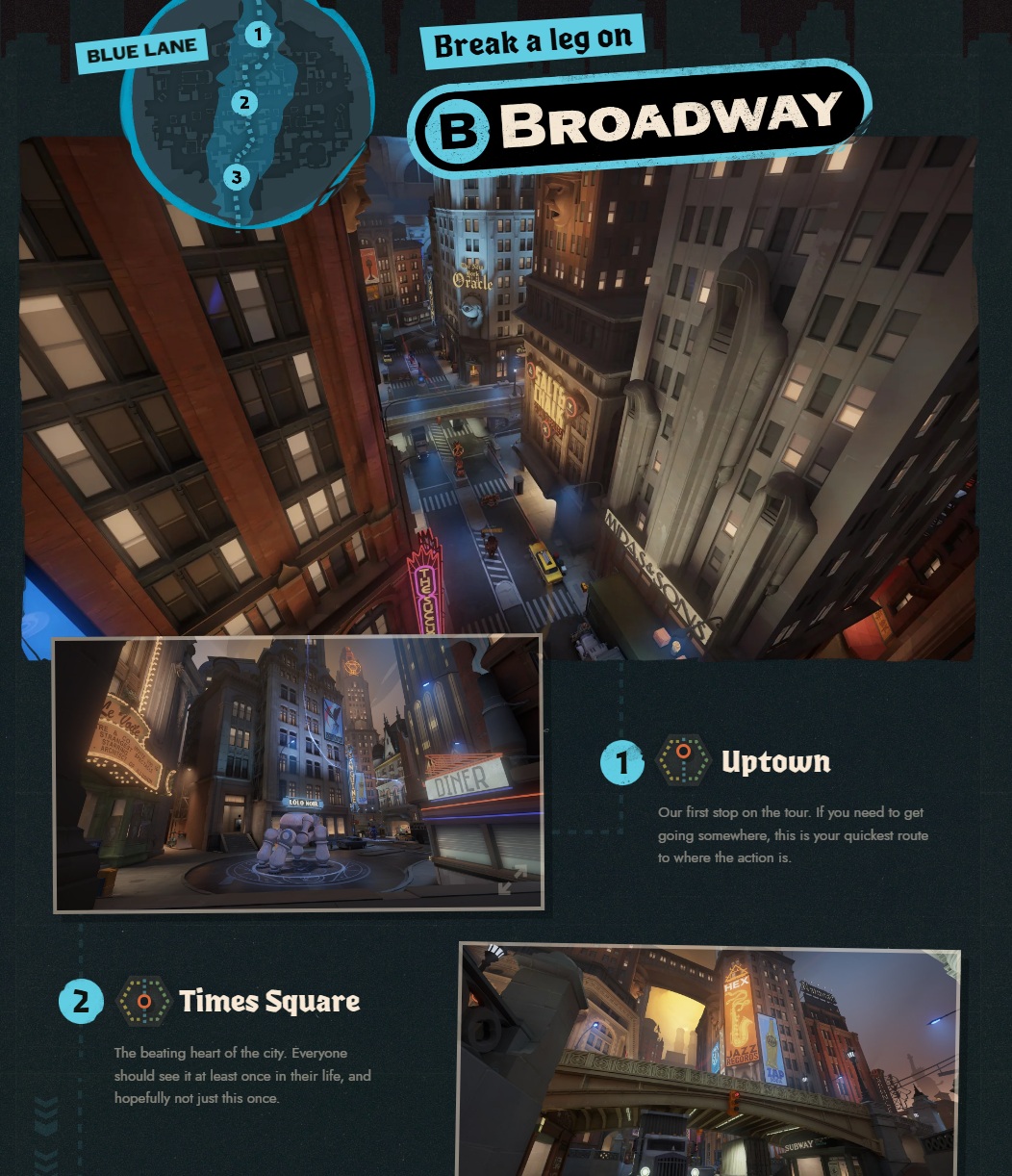
The recent release of the "City Never Sleeps" update for Valve’s burgeoning title, Deadlock, has signaled a significant departure from the industry-standard practice of releasing dry, utilitarian text documents to accompany game balance changes. By presenting technical adjustments through the lens of an in-universe tourism brochure for its reimagined New York City map, Valve has reignited a discourse regarding the presentation of live-service updates and the importance of developer-player communication.
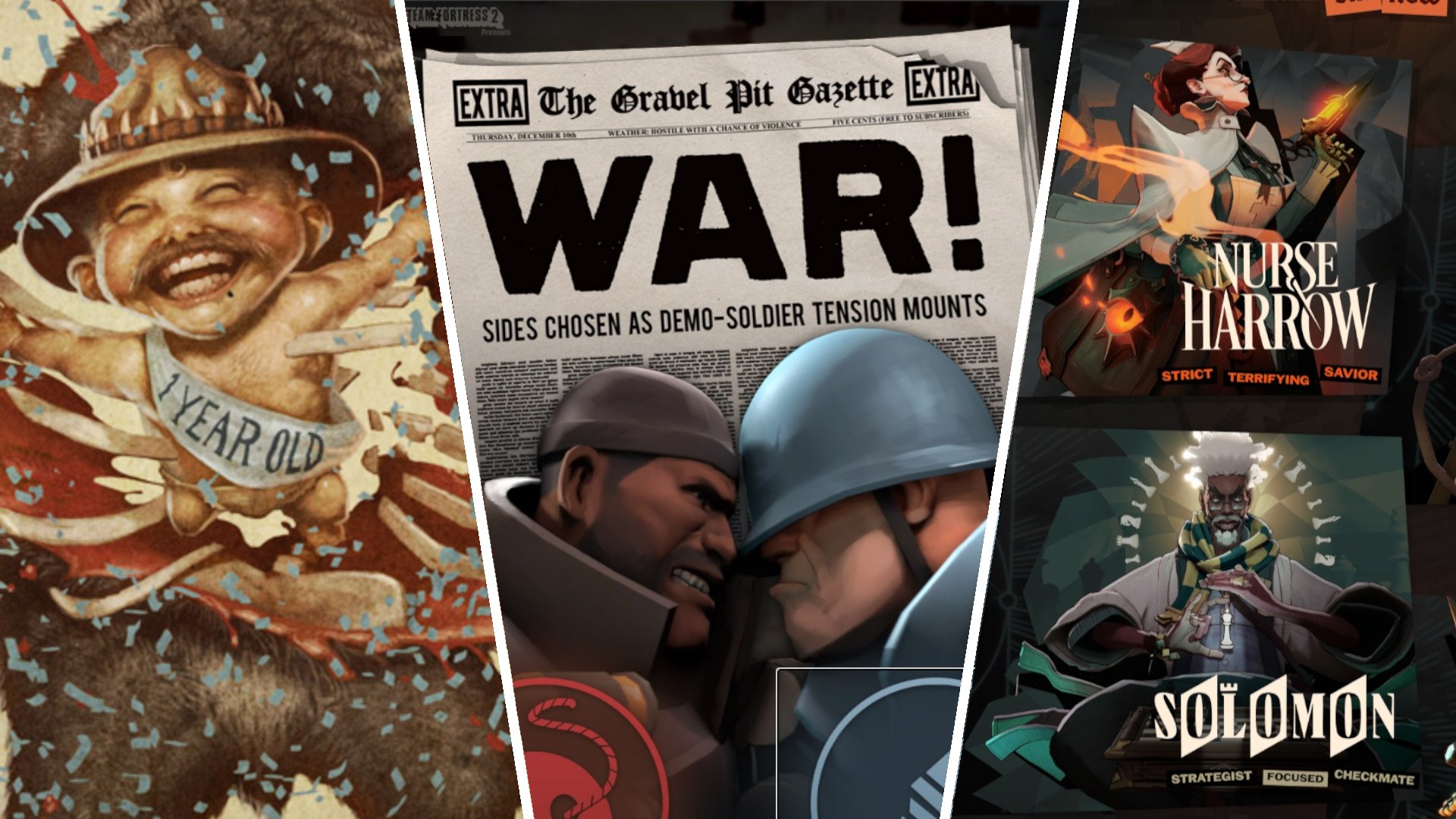
This creative approach, while novel in the current era of competitive gaming, serves as a direct callback to the company’s "golden age" of community engagement, most notably characterized by the prolific and theatrical update cycles of Team Fortress 2.

The Evolution of the Patch Note
For over a decade, the standard for patch notes in the gaming industry has trended toward the functional. Games such as League of Legends, Dota 2, and Counter-Strike 2 typically utilize concise, bulleted lists that prioritize raw data—percentage changes to damage, cooldown adjustments, and hitbox corrections. While efficient, this methodology often strips the update of its narrative context, reducing significant mechanical shifts to mere arithmetic.
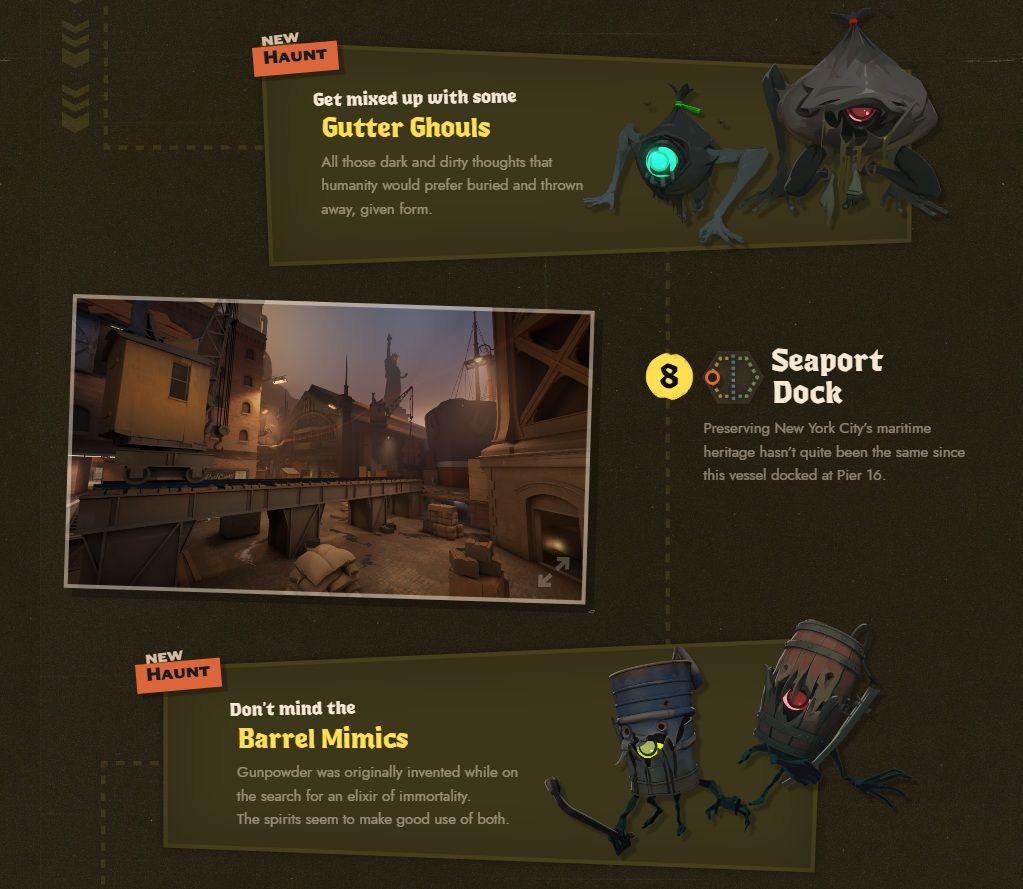
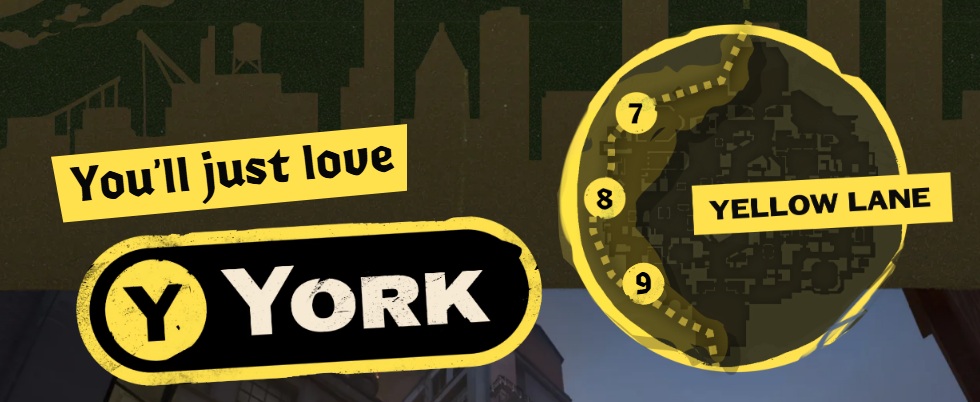
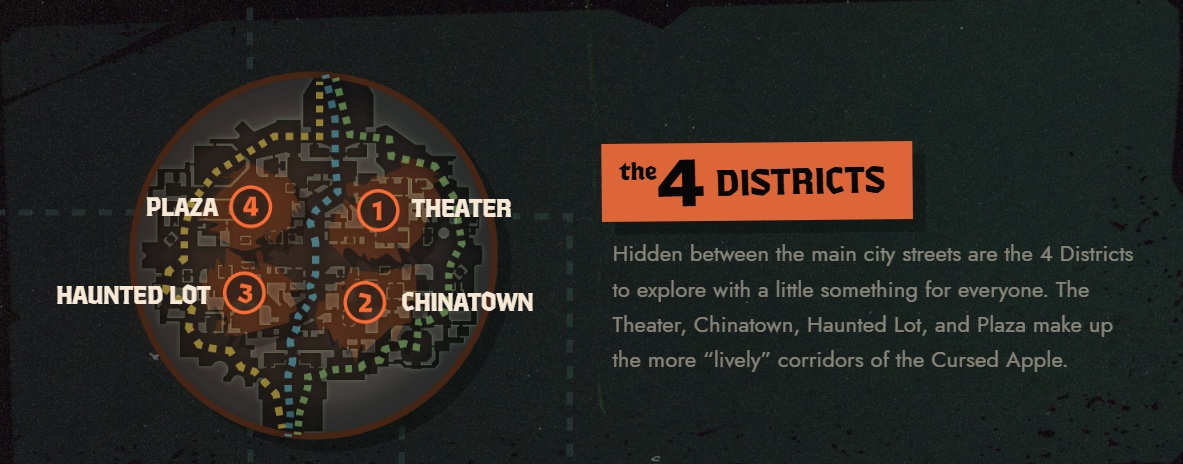
Valve’s "City Never Sleeps" update, however, functions as a hybrid of technical documentation and creative world-building. The patch notes are organized by the game’s four primary districts—Chinatown, Theater, Haunted Lot, and Plaza—guiding the player through the map’s architectural and strategic changes as if they were a visitor on a walking tour. This method integrates the lore of the game directly into the patch cycle, ensuring that even the most technical adjustments feel like a cohesive part of the game’s expanding universe.
Historical Context: The Team Fortress 2 Blueprint
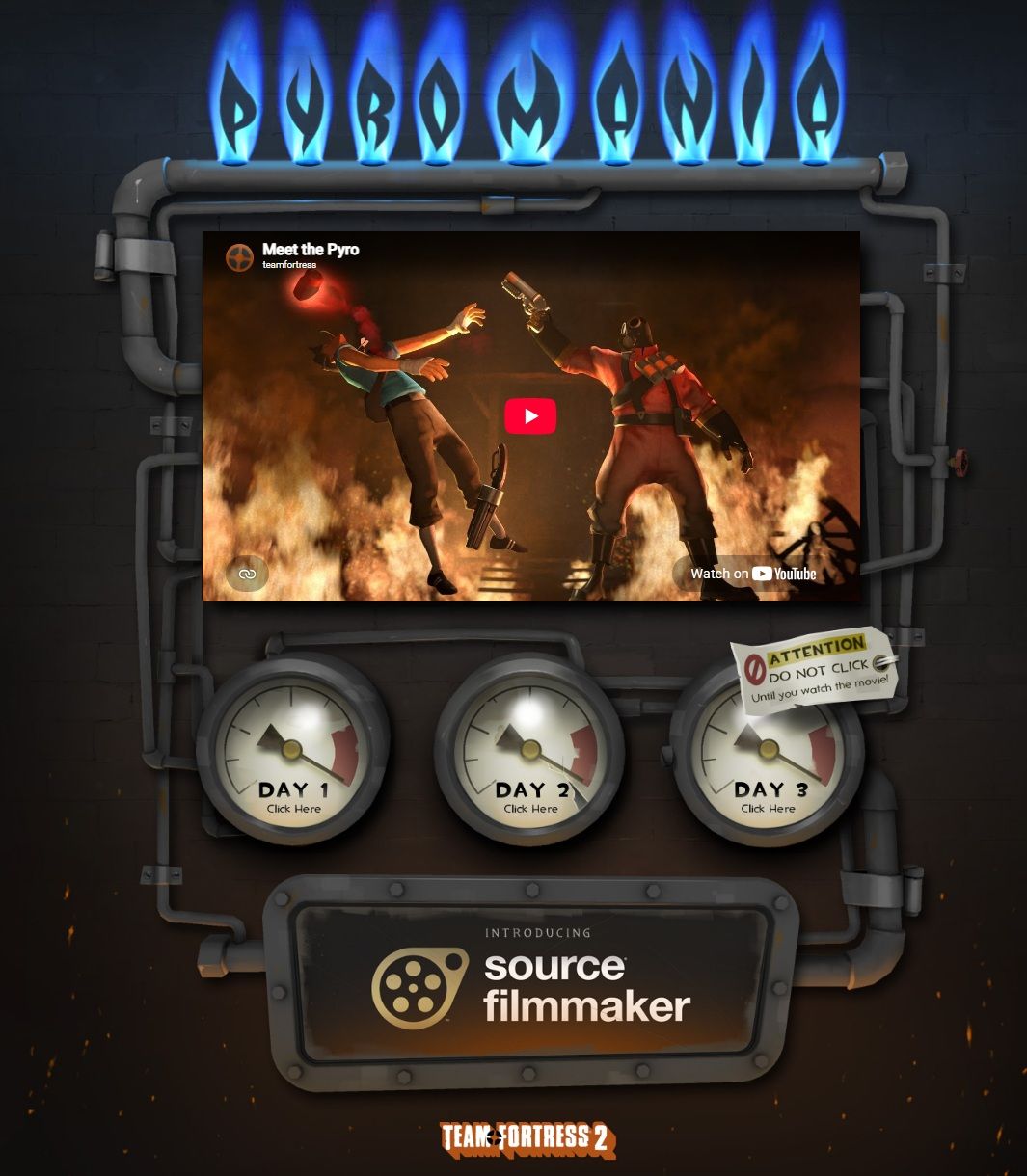
To understand the significance of this design choice, one must look at the precedent established by Valve between 2009 and 2012. During the peak of Team Fortress 2, Valve pioneered the "live service" model before the term became industry parlance.
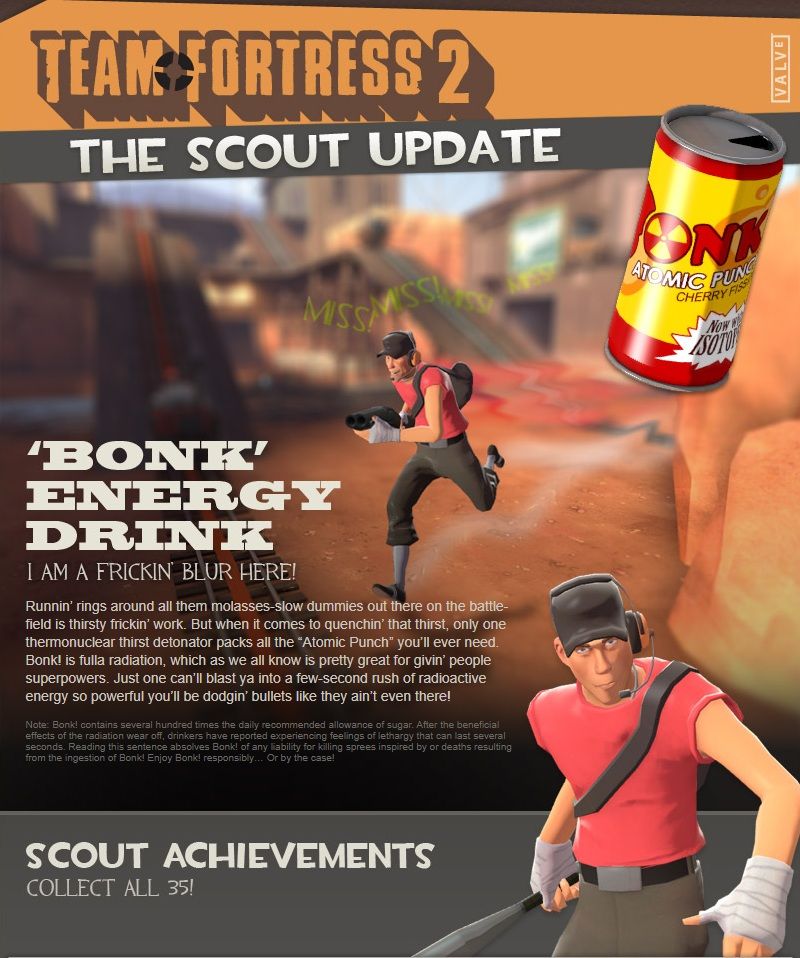
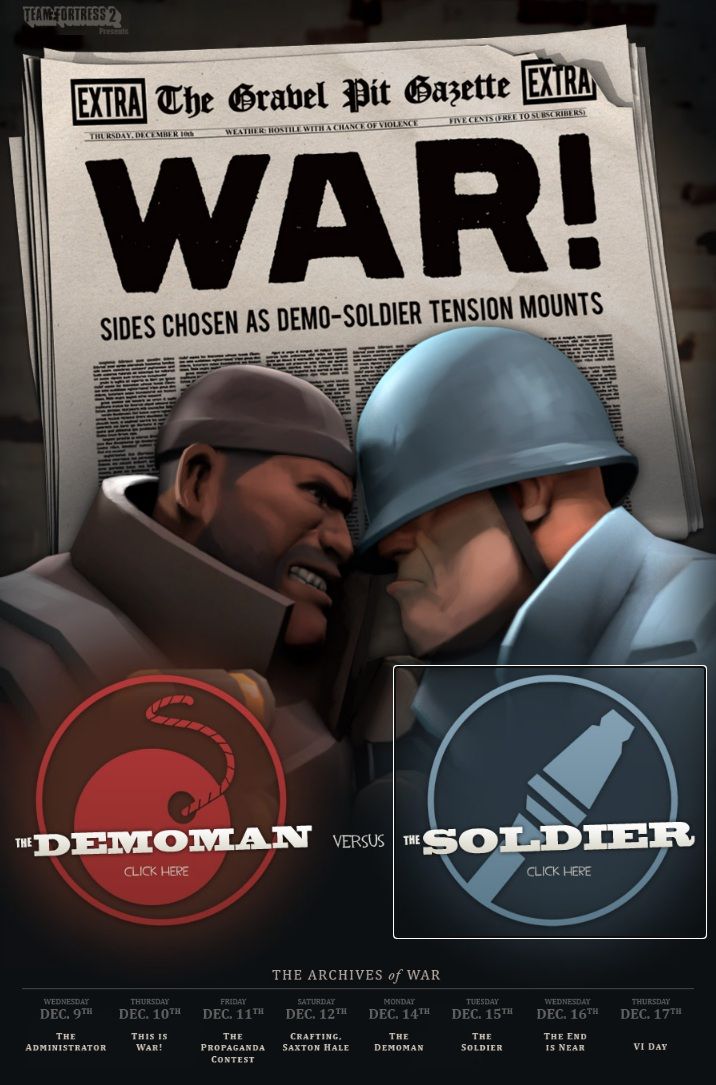
The 2009 "WAR!" update, which pitted the Soldier class against the Demoman, remains a landmark event in multiplayer history. Valve tracked player kills in real-time to determine the winner, creating a tangible sense of agency for the community. The update was accompanied by comic books, custom web pages, and even mock department store catalogs, such as the one used to introduce the "Force-A-Nature" scattergun.
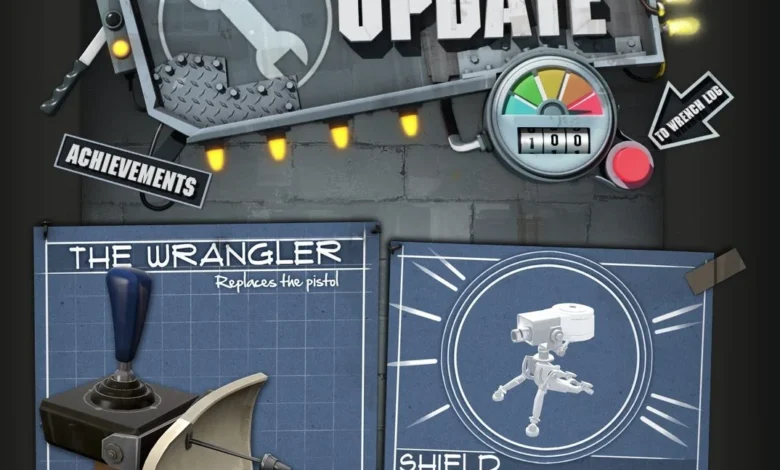
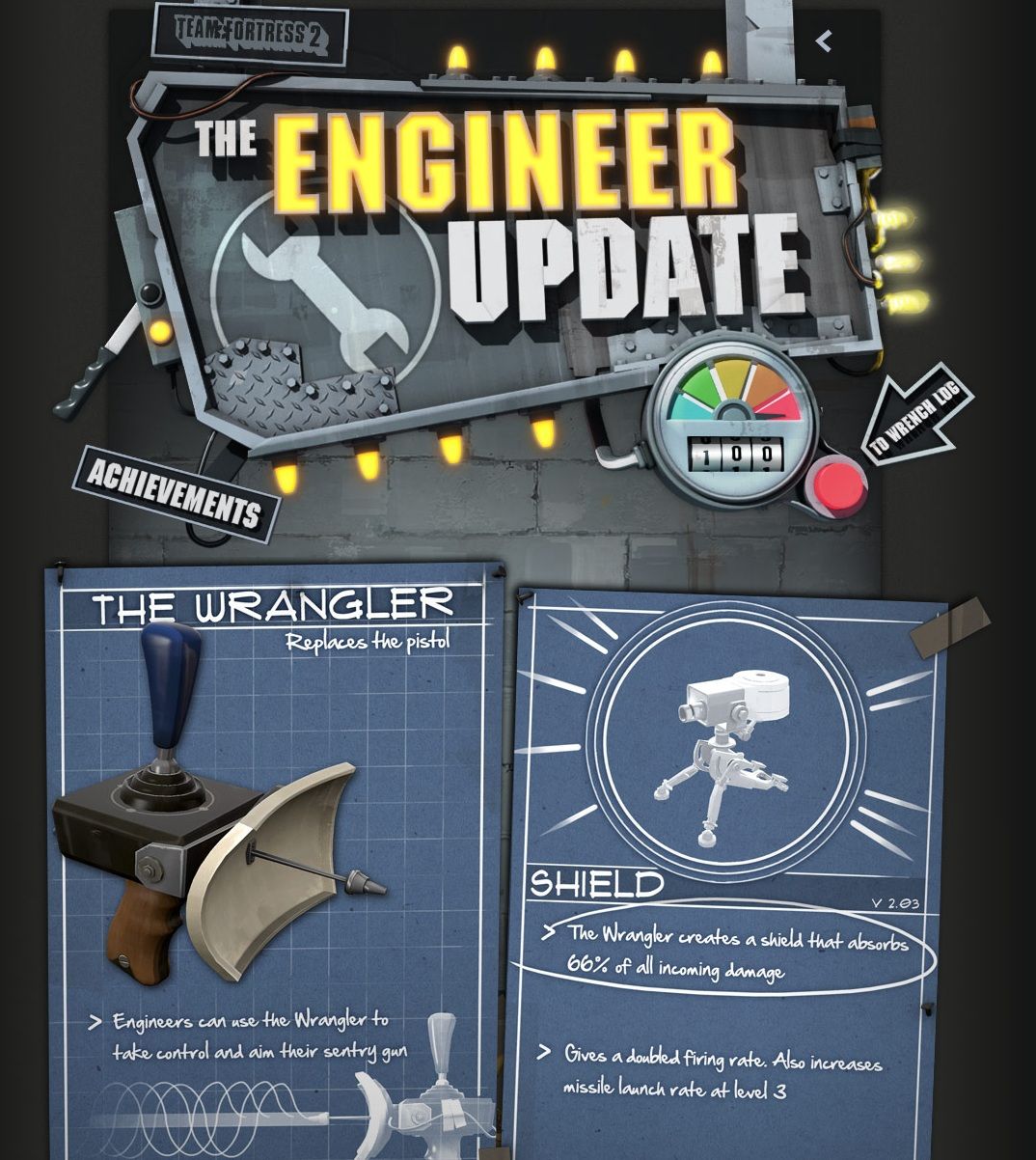
This era was defined by a lack of a singular template. The "Engineer Update" (2010) utilized blueprint imagery with handwritten annotations, while the "Mac Update" (2010) adopted the minimalist, high-contrast aesthetic of contemporary Apple marketing. These efforts were not merely decorative; they established a parasocial bridge between the developers and the players, transforming the mundane process of game maintenance into a highly anticipated media event.
Data and Developer Strategy
The efficacy of these immersive updates is supported by long-term player engagement metrics. Historically, Valve’s most "theatrical" updates correlated with spikes in concurrent player counts and community-generated content. For instance, the "Mann-conomy" update in 2010 introduced a sophisticated in-game economy that, while controversial due to the inclusion of paid items and loot boxes, generated enough buzz to sustain the game’s relevancy for years afterward.
By applying similar, if slightly more refined, techniques to Deadlock, Valve is likely attempting to cultivate a strong community identity early in the title’s lifecycle. The use of custom artwork, interactive UI elements, and lore-heavy descriptions serves to differentiate Deadlock from its competitors in the crowded MOBA and hero-shooter markets.
Implications for the Competitive Landscape
The shift back toward creative communication carries broader implications for the games-as-a-service model. Currently, many developers operate under intense pressure to maintain rigid update schedules, often resulting in "formulaic" content drops. When a game’s popularity dips, studios frequently scramble to pivot their roadmaps, which can lead to disjointed or rushed updates.

In contrast, Valve’s willingness to invest resources into the presentation of a patch suggests a long-term commitment to the title’s aesthetic and narrative integrity. While critics of the modern industry point to the "sweatiness" or hyper-competitive nature of MOBAs as a barrier to creative storytelling, Valve is testing whether the two can coexist. If successful, the "City Never Sleeps" model could provide a blueprint for other developers to humanize their update processes.

However, challenges remain. As Deadlock transitions from its development phase into a mature competitive product, the need for precision will grow. Professional players and high-level community members often prefer absolute clarity, which can sometimes be obscured by excessive flair. Finding the balance between "theatrical" patch notes and the necessary technical specificity required for competitive balance will be the primary hurdle for the development team moving forward.
Official Stance and Future Outlook
While Valve has not issued a formal statement explaining the change in policy, the departure from the austere patch notes of Dota 2 and Counter-Strike 2 is stark. In those titles, the sheer frequency of balance adjustments makes "bespoke" patch pages labor-intensive and perhaps impractical. The decision to apply this level of detail to Deadlock suggests that the game is viewed by Valve as a unique creative project, rather than just another entry in its competitive portfolio.
The broader gaming community has responded with cautious optimism. For many long-time fans of Valve’s earlier work, the return to this style of communication is a sign that the company is reclaiming its identity as a developer that prioritizes "wonder" and "surprise" alongside mechanical stability.
Whether this effort is a one-time experiment or a return to the company’s historical standards remains to be seen. If Deadlock continues to receive "City Never Sleeps" levels of attention in its future updates, it could set a new expectation for how live-service games communicate their evolution to their player bases. In an industry defined by the relentless, cold output of content, Valve is reminding its peers that how a story is told is just as important as the story itself.
As of late 2024, the success of this strategy is being measured not just in concurrent users, but in the volume of community discourse surrounding the patch notes themselves—a metric that few other developers can claim to influence through documentation alone. The "City Never Sleeps" update has effectively turned a routine maintenance task into a piece of digital ephemera, ensuring that the history of Deadlock’s development is as engaging as the gameplay itself.