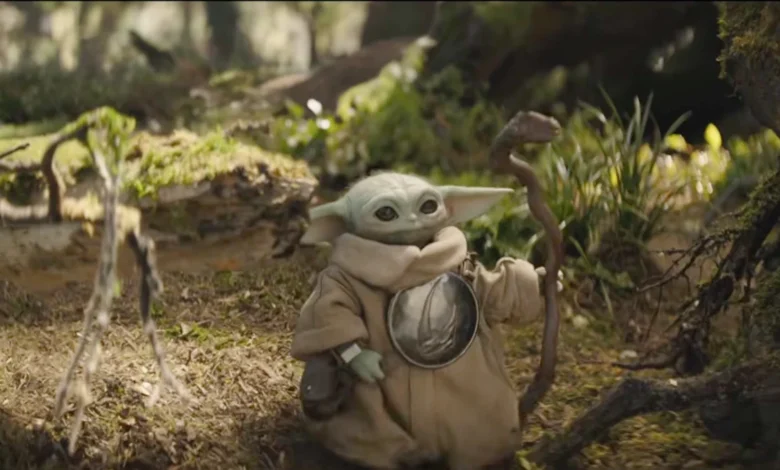
The release of The Mandalorian and Grogu has reignited a long-running industry debate regarding the optimal distribution strategy for modern intellectual properties, specifically within the expansive Star Wars universe. Originally developed as a potential fourth season of the flagship Disney+ series before transitioning into a theatrical feature film, the project has provided a unique case study in narrative scaling. Upon its arrival in theaters—and subsequent transition to home viewing formats—critics and audiences alike observed that the film retained the distinct episodic cadence, character-centric pacing, and structural sensibilities of a television production. This duality has prompted media analysts, fans, and industry observers to reevaluate the traditional binary division between multi-episode streaming series and multi-million-dollar theatrical blockbusters, suggesting that Lucasfilm and The Walt Disney Company may be overlooking a viable middle ground: the high-budget Star Wars television movie.
Main Facts of the Release and Production Evolution
The transition of Din Djarin and Grogu from the small screen to the cinema represented a calculated risk for Lucasfilm. Following the conclusion of The Mandalorian Season 3, which aired on Disney+ in the spring of 2023, development shifted toward a feature-length film directed by Jon Favreau and produced alongside Dave Filoni. The film was designed to capture the box office momentum of traditional Star Wars theatrical outings while maintaining continuity with the interconnected narrative universe established on streaming platforms.
However, the core mechanics of the film’s narrative reflect its television origins. Unlike theatrical epics that typically require sweeping three-act paradigm shifts, comprehensive character introductions, and universe-altering stakes, The Mandalorian and Grogu operates much like an extended television special. The central protagonists require no exposition; their dynamic, established across multiple seasons of television and a crossover arc in The Book of Boba Fett, is immediately understood by the audience. The plot relies on localized objectives, episodic encounters with familiar faces, and sequential problem-solving rather than monumental galactic shifts. This structure has sparked widespread discussions regarding whether every cinematic venture under the Star Wars banner requires the massive financial investment and box office pressures associated with a traditional theatrical release.
Chronology of the Mandoverse and Streaming Strategy
To understand how The Mandalorian and Grogu arrived at this creative crossroads, it is necessary to examine the timeline of Disney’s Star Wars television strategy since the launch of Disney+ in November 2019.
- November 2019: The Mandalorian premieres as the flagship launch title for Disney+, pioneering new virtual production technologies (StageCraft) and establishing a serialized, weekly format for live-action Star Wars storytelling.
- December 2020: During a Disney Investor Day presentation, Lucasfilm president Kathleen Kennedy announces an ambitious slate of interconnected streaming series set within the same era, including Ahsoka, Rangers of the New Republic, and The Book of Boba Fett.
- March – April 2023: The Mandalorian Season 3 airs, concluding with Din Djarin settling down on Nevarro while officially partnering with the New Republic, leaving the door open for subsequent adventures.
- January 2024: Lucasfilm officially announces that a feature film titled The Mandalorian and Grogu is entering production, directed by Jon Favreau, effectively pivoting the planned fourth season into a theatrical release.
- Mid-2026: The film debuts globally in theaters, drawing strong box office returns while inviting critical commentary on its structural resemblance to high-end television.
Supporting Data and Format Analysis
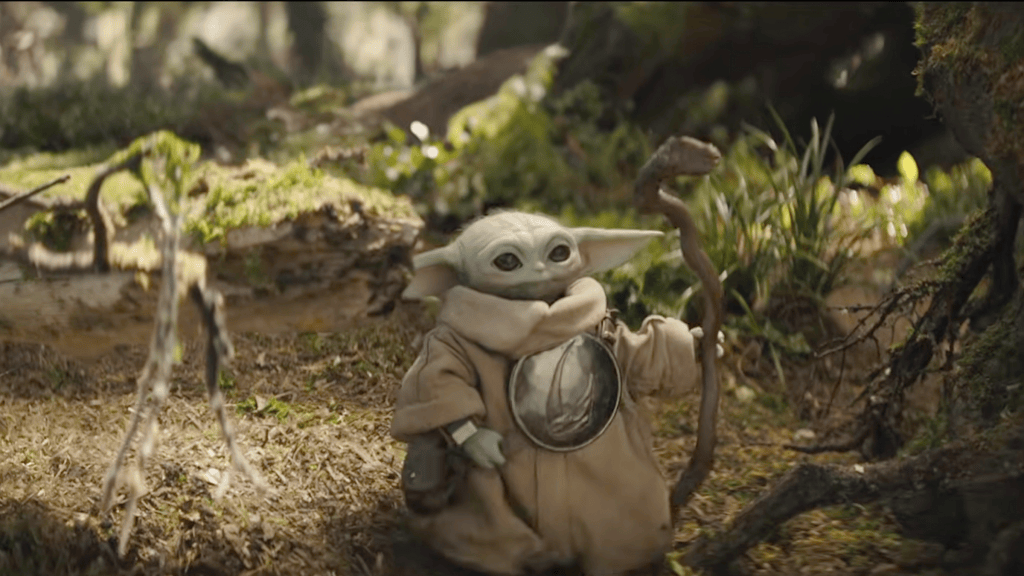
The economic realities of modern franchise filmmaking heavily favor diversified release models. According to industry box office tracking data, theatrical Star Wars films generally require global grosses exceeding $500 million merely to break out of production, marketing, and distribution expenditures. Conversely, high-end streaming series command budgets ranging from $100 million to $150 million per season, relying on subscriber acquisition and retention metrics to justify their costs.
A television movie—traditionally running between 90 and 120 minutes and released directly to a streaming platform—offers a fiscal and creative compromise. Data from major subscription video-on-demand (SVOD) platforms indicate that standalone feature-length specials drive high viewer engagement without incurring the hundreds of millions of dollars in global marketing expenses required for a theatrical rollout. For a franchise like Star Wars, which possesses a vast roster of secondary and tertiary characters—such as Embo, various Imperial remnants, and unexplored outer rim inhabitants—the TV movie format provides an ideal vehicle for self-contained, medium-scale narratives. It allows creators to bypass the narrative stretching often required to fill an eight-episode television arc, while avoiding the catastrophic financial risks associated with underperforming theatrical releases.
Official Responses and Industry Implications
While studio executives at Disney and Lucasfilm have not officially committed to establishing a dedicated "Star Wars TV movie" division, comments from creative leads frequently acknowledge the fluidity of modern storytelling mediums. Creators working within the "Mandoverse" have noted that television production pipelines allow for rapid iteration and a closer relationship with the fanbase, whereas theatrical films demand a universal four-quadrant appeal that can occasionally dilute the intimate, serialized charm that made properties like The Mandalorian popular in the first place.
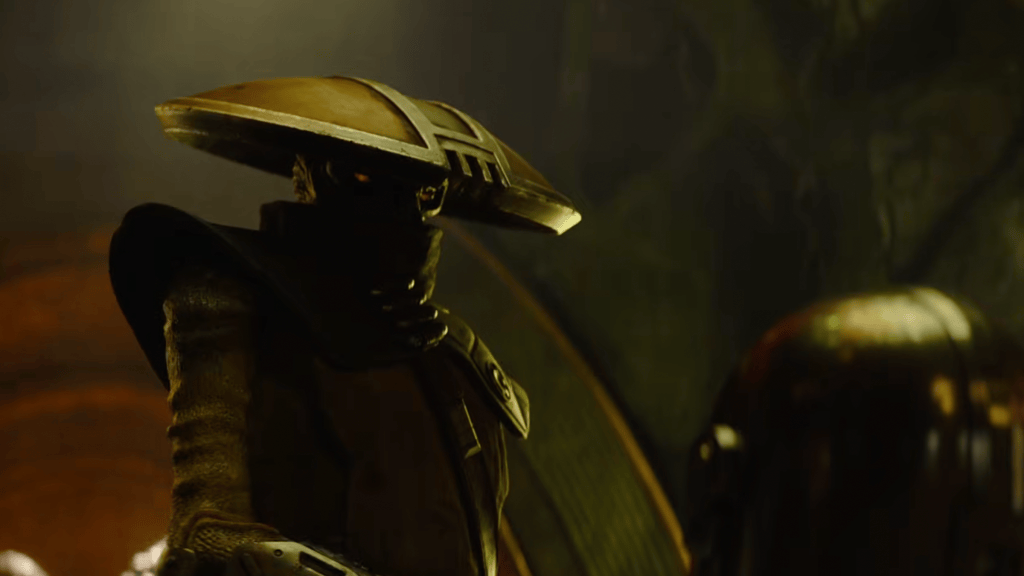
Industry analysts suggest that the success of hybrid releases—films that easily translate to home viewing environments without losing narrative coherence—may encourage studios to experiment further with runtime and distribution channels. Rather than forcing every galactic narrative into either a traditional theatrical mold or a sprawling eight-part television season, Lucasfilm could utilize television movies to test new creative talent, explore niche historical eras, or provide cinematic closures to streaming storylines that have reached their natural narrative zenith.
Broader Impact on the Future of the Franchise
The overarching implication of The Mandalorian and Grogu is that audience consumption habits have evolved beyond rigid distinctions between "cinema" and "television." Viewers increasingly consume high-end narrative content in home environments where production values across both mediums are virtually indistinguishable.
As Lucasfilm maps out its post-The Mandalorian and Grogu trajectory—balancing potential sequel developments, fourth-season television considerations, and separate theatrical projects spearheaded by directors like James Mangold, Dave Filoni, and Sharmeen Obaid-Chinoy—the question of format versatility remains paramount. The franchise possesses an entire galaxy of lore, eras, and characters that do not necessitate multi-billion-dollar theatrical stakes to captivate audiences. By embracing a flexible format that bridges the gap between streaming series and theatrical events, Disney could secure a sustainable, creative pathway for the future of Star Wars, ensuring that stories are told in the exact length and medium they demand rather than what marketing formulas dictate.