The acclaimed eight-issue mini-series Supergirl: Woman of Tomorrow, originally released in 2021, has re-entered critical discourse as anticipation builds for its cinematic adaptation, slated for theatrical release on June 26, 2026. This renewed attention has prompted many, including initial reviewers, to revisit the comic, leading to a re-evaluation of its narrative choices and characterizations in light of the extensive discussions that have unfolded since its debut. The series, initially met with considerable critical praise, has also sparked a nuanced debate, particularly among long-time fans of the character, regarding its portrayal of Kara Zor-El.
The Genesis of a Critical Reassessment
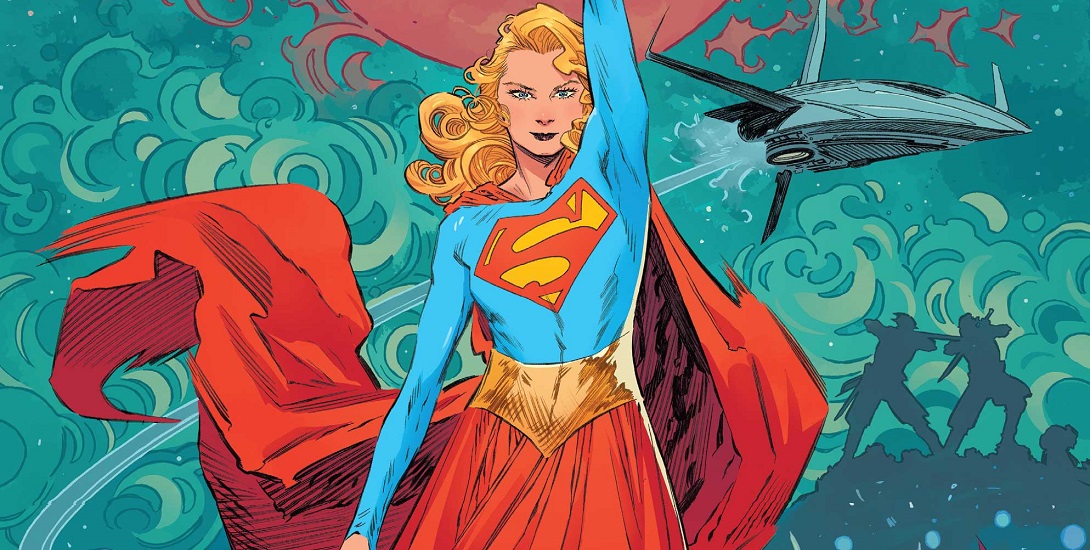
Upon its initial publication, Supergirl: Woman of Tomorrow, penned by Tom King with art by Bilquis Evely and colors by Matheus Lopes, quickly garnered accolades for its unique narrative structure and breathtaking visuals. Set against a cosmic backdrop, the story follows Supergirl as she embarks on a quest for vengeance alongside a young alien girl named Ruthye. The series was lauded for its poetic prose and stunning artwork, which imbued the cosmic odyssey with a sense of wonder and gravitas. However, as the initial buzz subsided, a deeper, more polarizing discussion emerged, particularly concerning King’s interpretation of Supergirl. Many long-standing fans of Kara Zor-El expressed significant reservations, perceiving a fundamental deviation from the character’s established persona, leading to a reconsideration of the series’ lasting impact and its suitability as a foundation for a major film.
This ongoing discourse highlights a recurring pattern in the reception of works by Tom King, whose writing often provokes strong reactions due to his willingness to deconstruct and recontextualize iconic characters. His previous works, such as Batman, Heroes in Crisis, and Strange Adventures, have similarly divided audiences and critics, with some praising his psychological depth and others criticizing perceived mischaracterizations. The four years since Woman of Tomorrow‘s release have allowed for a more comprehensive absorption of its themes and conclusions, prompting readers to scrutinize elements initially overlooked or interpreted differently. The impending film adaptation, announced as a cornerstone of James Gunn and Peter Safran’s new DC Universe (DCU) Chapter One: Gods and Monsters, amplifies this re-examination, placing the comic under an even more powerful spotlight.
Deconstructing Kara’s Portrayal: Points of Contention

One of the most frequently discussed elements of Woman of Tomorrow is its opening depiction of Supergirl. The series introduces Kara on her 21st birthday, seemingly isolated and consuming alcohol, leading to a state of inebriation. This scene, while presented as a fleeting moment of self-isolation and vulnerability, has been a significant point of contention. Initial readings often contextualized it as a relatable human moment of melancholy or a coming-of-age experience. However, a deeper look, especially through the lens of established Supergirl lore, raises questions about its implications for her characterization.
Critics and fans have debated whether this portrayal aligns with Kara’s traditional depiction as a beacon of hope and resilience, often seen as having largely overcome the profound trauma of Krypton’s destruction to embrace her role as a hero on Earth. The absence of Superman, Lois Lane, or other supporting characters at her 21st birthday celebration further underscores a sense of loneliness that some find incongruous with her established network of allies and family. The narrative’s failure to provide a specific, immediate impetus for this particular moment of depression on her 21st birthday leaves a narrative gap. A missed opportunity, as some analyses suggest, was to connect this milestone to a Kryptonian rite of passage, such as the Guild choosing seen in Sterling Gates’ run, which could have powerfully linked her sadness to the unfillable void left by her lost homeworld. Such a connection would have provided a more resonant and character-consistent explanation for her emotional state, rather than suggesting an unresolved, prolonged trauma that defines her at this stage of her life.
Beyond the "drunk Supergirl" scene, the comic explores themes of hopelessness and nihilism, which some readers initially found difficult to reconcile with Kara’s long-standing heroic identity. While Supergirl has often grappled with the weight of her past, her character arc has typically emphasized her ability to find purpose and joy despite profound loss. Woman of Tomorrow appears to suggest a deeper, more persistent struggle with these darker emotions, positioning her trauma as an active, ongoing force rather than a past hurdle she has largely overcome. This narrative choice, while intended to add depth, has been perceived by some as a departure from the core essence of the character, whose unique journey often differentiates her from Superman precisely through her embrace of life and connection.

Thematic Threads: Trauma, Revenge, and Parallel Journeys
A more thorough re-reading of Woman of Tomorrow often reveals a crucial thematic technique employed by King: the parallel alignment of Ruthye’s trauma with Supergirl’s own experience of Krypton’s destruction. Through extensive dialogue and Ruthye’s narration, King meticulously draws connections between the young girl’s grief over her father’s murder and Kara’s profound, foundational loss. This parallelism is central to the series’ overarching message and significantly impacts the interpretation of its controversial ending.
King’s narrative strategy aims to universalize the experience of trauma, suggesting that even a super-powered alien like Kara Zor-El carries the burden of her past in ways that might not always be outwardly apparent. By mirroring Ruthye’s singular, immediate tragedy with Kara’s cataclysmic, distant one, the story endeavors to create an emotional bridge between the two characters and, by extension, between Supergirl and the reader. This shared emotional landscape is intended to drive Kara’s actions and decisions, particularly as the quest for vengeance unfolds.

However, the effectiveness of this thematic alignment is debated. For readers accustomed to a Supergirl who has largely processed her grief and found her place, the narrative’s insistence on portraying her as still deeply defined by Krypton’s destruction can feel forced. The journey itself, once the ending is known, loses some of its initial urgency. The initial hooks – the fate of Krypto, the pursuit of Krem, and Supergirl’s efforts to dissuade Ruthye from revenge – diminish in impact on subsequent reads. While moments of Supergirl’s compassion and strength remain, the narrative’s heavy reliance on overwritten narration, particularly in Ruthye’s voice, can become tedious, detracting from the emotional core rather than enhancing it. The challenge lies in connecting Kara’s internal struggle with the external quest in a way that feels organic and consistent with her long-established character history.
Artistic Brilliance: A Consistent Highlight
Across virtually all critical assessments and fan discussions, one aspect of Supergirl: Woman of Tomorrow remains consistently and universally praised: the artwork by Bilquis Evely and the colors by Matheus Lopes. Evely’s intricate line work and dynamic compositions, combined with Lopes’ vibrant and atmospheric coloring, elevate the cosmic saga to a visual masterpiece. The art provides a sense of epic scale and intimate emotion, perfectly capturing the alien landscapes and the nuanced expressions of the characters.

Evely’s ability to convey both the grandeur of space and the vulnerability of its inhabitants ensures that even when the narrative choices are divisive, the visual storytelling remains captivating. From the design of alien species to the sweeping vistas of distant planets, every panel is meticulously crafted. Lopes’ colors further enhance this, creating a palette that is both alien and emotionally resonant, distinguishing the series visually within the broader DC Comics catalog. This artistic synergy is often cited as the primary reason for the comic’s initial critical success and remains its undisputed strength, offering a compelling reason to engage with the series regardless of one’s stance on the script. This phenomenon is not uncommon in comics, where strong artistic contributions can sometimes overshadow or even compensate for narrative shortcomings, a recurring observation in discussions surrounding Tom King’s collaborations.
The Divisive Climax: Interpreting the Ending
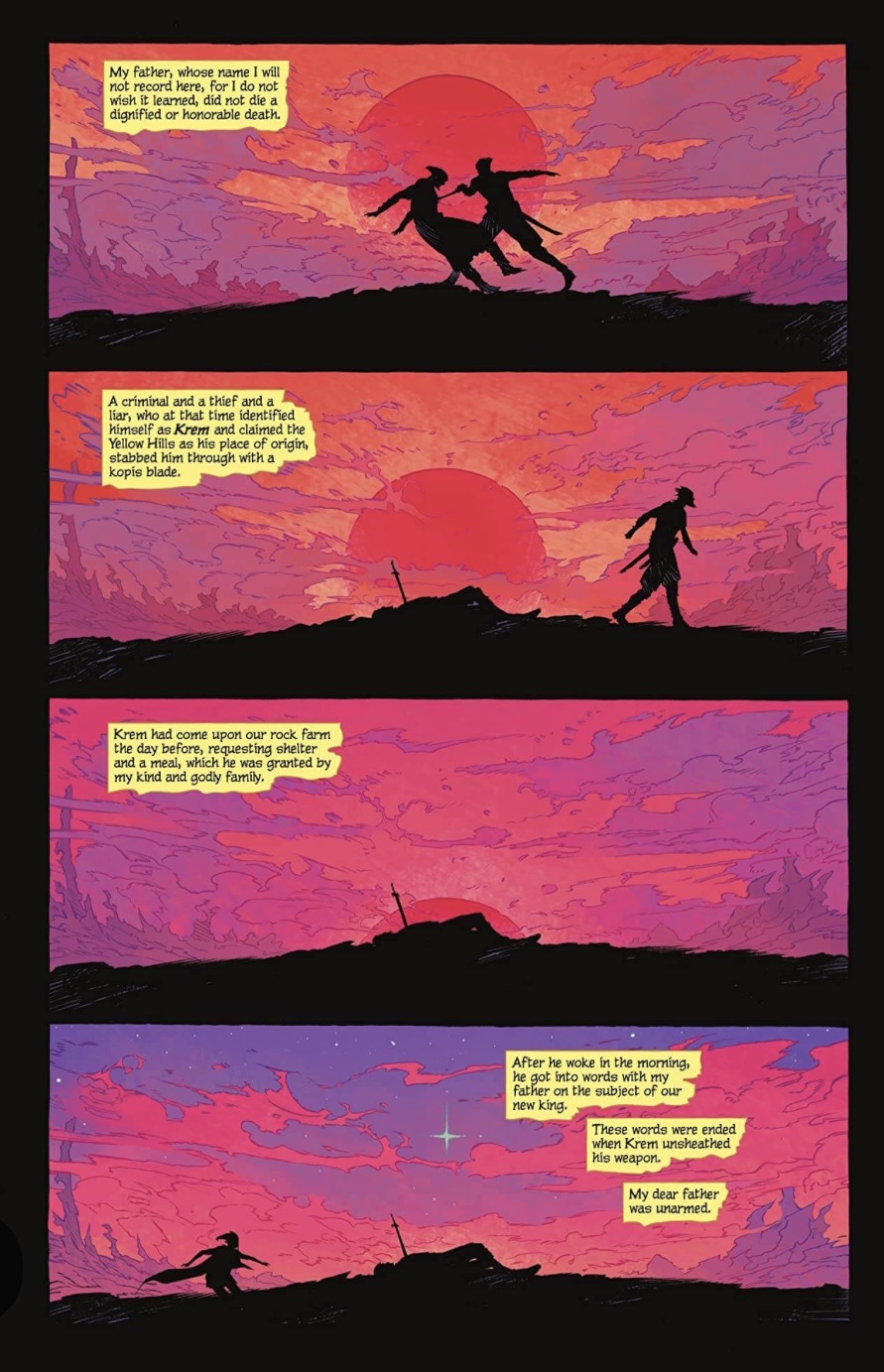
The ending of Supergirl: Woman of Tomorrow is arguably its most contentious element, prompting significant debate about its meaning and its implications for Kara’s character. In the final issue, Supergirl confronts Krem, the murderer of Ruthye’s father, holding him at sword point. Her dialogue in this scene, initially interpreted by some as genuine temptation to commit murder, is central to King’s intended character arc. This interpretation suggests that Kara is genuinely on the brink of avenging Krypton through Krem, a proxy for the forces that destroyed her home, only to be swayed by Ruthye’s pleas. This aligns with King’s known tendency to push established characters into morally ambiguous or "out-of-character" situations to explore deeper psychological themes.

This approach has been a hallmark of King’s writing, seen in Adam Strange’s villainous turn in Strange Adventures or the dramatic recontextualization of characters in The Human Target and his Wonder Woman run. For many long-time Supergirl fans, the idea that Kara Zor-El, a character defined by hope, compassion, and a strict no-kill policy, would genuinely be tempted to murder a subdued opponent is a fundamental mischaracterization. They argue that her heroic reputation, cultivated over decades, makes such a moment unbelievable, regardless of the narrative’s thematic goals.
The series then fast-forwards many years to Krem’s release from the Phantom Zone. The final page depicts Ruthye striking Krem, who falls to the ground, followed by Supergirl and Ruthye walking away in silence. This ambiguous ending initially caused widespread confusion among readers and critics. King himself has offered interpretations online, but the visual storytelling strongly suggests a more definitive, darker conclusion. The paralleling of this final panel with the first page of issue #1, where Krem murders Ruthye’s father, is a classic cinematic and comic book technique used to draw direct comparisons and imply a full circle of vengeance.
If Ruthye’s action is merely a "bop on the head," the ending is perceived as lighthearted and incongruent with the serious themes of trauma and potential murder explored throughout the series, rendering it largely meaningless. However, if Ruthye does indeed kill Krem, as the visual parallelism strongly implies, the implications for Supergirl’s character are profound. Her silence and complicity in Ruthye’s act, especially after hearing of Krem’s penitence, suggest a fundamental shift. It implies that Supergirl has acknowledged the necessity of revenge for Ruthye’s closure, and crucially, that Kara herself has not moved beyond the destruction of Krypton. In this interpretation, Supergirl, by proxy, embraces a nihilistic worldview, forever defined by her past trauma and unable to fully embody the hopeful figure she has traditionally been. This darker, more complex ending aligns with King’s propensity for exploring the psychological scars of heroism, albeit at the cost of alienating some of the character’s most ardent supporters.

The Road to the Big Screen: Adapting a Divisive Narrative
The announcement that Supergirl: Woman of Tomorrow will serve as the foundation for a major DCU film directed by James Gunn and Peter Safran has ignited both excitement and apprehension. Gunn has explicitly stated his intention to adapt the comic, describing it as a "very different type of Supergirl story" that explores her "harsh and brutal" past on a fragment of Krypton before arriving on Earth. This suggests that the film will embrace the comic’s darker, more introspective take on the character.
Adapting a comic that has generated such significant internal debate presents both opportunities and challenges. The opportunity lies in bringing a fresh, visually stunning, and thematically rich Supergirl story to a global audience, potentially redefining the character for a new generation. The comic’s exploration of trauma, identity, and the moral complexities of vengeance offers fertile ground for a compelling cinematic narrative, especially within a DCU aiming for greater thematic depth and continuity.

However, the challenge involves navigating the controversial aspects of the source material, particularly the perceived mischaracterizations and the ambiguous, dark ending. Filmmakers will need to carefully consider how to translate King’s nuanced, often internal, narrative into a mainstream action-adventure film while retaining the essence of the character that resonates with long-time fans. The success of the film will likely hinge on its ability to make Kara’s emotional journey feel earned and consistent, even if it delves into darker territory, without fundamentally altering the core values that define Supergirl. Gunn’s vision for the DCU emphasizes character-driven stories and a cohesive narrative, making the adaptation of a polarizing comic a critical test of this new direction.
Broader Implications for the DC Universe
The choice of Supergirl: Woman of Tomorrow as a foundational text for the DCU has broader implications beyond the character herself. It signals a willingness by the new DC Studios leadership to embrace stories that delve into the psychological complexities of its heroes, moving beyond simplistic portrayals. This aligns with a broader trend in superhero media towards more mature and introspective narratives.
If the film successfully translates the comic’s themes and resonates with audiences, it could set a precedent for future DCU adaptations, encouraging a wider range of narrative tones and character explorations. Conversely, if the film fails to reconcile the comic’s divisive elements with audience expectations, it could complicate the establishment of the new DCU’s identity and its ability to build a cohesive, beloved roster of heroes. The re-evaluation of Woman of Tomorrow underscores the ongoing tension between artistic interpretation and established character legacy, a dynamic that will undoubtedly continue to shape the future of the DC Universe. The film’s reception will be a significant indicator of the new DCU’s creative direction and its ability to forge a path that honors its rich history while fearlessly exploring new narrative frontiers.
As the 2026 release date approaches, the debates surrounding Supergirl: Woman of Tomorrow will only intensify. The comic remains a visually stunning, thematically ambitious work that continues to provoke discussion and introspection. Its journey from an acclaimed mini-series to a pivotal cinematic adaptation ensures that its complex portrayal of Supergirl will be scrutinized, celebrated, and debated for years to come.