From Early Access Phenomenon to 1.0 Masterpiece: How Valheim Conquered the Survival Genre and Reached Its Definitive Release


The video game industry is replete with titles that promised the world during early access phases, only to falter under the weight of expectations upon reaching a full commercial release. However, rare exceptions manage to defy industry trends, transforming years of iterative community feedback into a polished, critically acclaimed masterpiece. Among these, the Viking survival-crafting simulator Valheim stands out as a defining success of the modern gaming landscape. Following a lengthy development cycle that began in the winter of 2021, indie developer Iron Gate Studio, in partnership with Coffee Stain Publishing, has officially launched Valheim 1.0.
The definitive release has arrived to widespread critical acclaim, commanding an impressive 90% aggregate review score on Metacritic. This milestone achievement reflects years of dedicated collaboration between a compact development team and an exceptionally passionate global player base. As the game transitions from its iterative early access origins to a fully realized 1.0 product—simultaneously expanding to new console platforms—industry analysts and players alike are examining the unique trajectory that turned a small-scale indie project into one of the most enduring survival hits of the decade.
Main Facts of the 1.0 Release and Platform Expansion
The official rollout of Valheim 1.0 introduces a wealth of new content designed to cap off years of procedural world-building and survival gameplay. Chief among the additions is a massive, chilling new endgame biome known as the "Deep North." This frozen expanse challenges even veteran players with severe environmental hazards, powerful new adversaries, and exclusive resources. Furthermore, the 1.0 update injects over 40 new weapons and upwards of 30 distinct crafting materials into the game’s economy, vastly expanding customization, combat versatility, and stronghold architecture.
Perhaps the most significant commercial implication of the 1.0 launch is the broadening of the game’s hardware ecosystem. Previously accessible primarily on Windows PC and Microsoft’s Xbox consoles, Valheim has officially arrived on the PlayStation 5 and the newly launched Nintendo Switch 2. By extending its reach to Sony and Nintendo platforms, Iron Gate Studio has removed the remaining hardware barriers preventing mainstream audiences from experiencing the title. This cross-platform availability is expected to inject a fresh wave of players into the game’s already thriving community, bridging the gap between hardcore PC survival enthusiasts and console gamers.
A Chronological Timeline: From Nordic Roots to Global Milestone
Understanding Valheim’s enduring relevance requires examining the deliberate, community-driven timeline that shaped its development. The journey began in February 2021, when Iron Gate Studio—consisting of fewer than 20 core developers—released the game into Steam Early Access.
Phase 1: The Viral Explosion (Early 2021)
Immediately upon its debut, Valheim captured the collective attention of the global gaming community. Within weeks of its early access launch, the title shattered concurrent player milestones on Steam, frequently competing with industry behemoths for the top spot on platform charts. The game’s striking low-poly aesthetic, coupled with deeply satisfying cooperative mechanics supporting up to ten players, struck a resonant chord during a period when global audiences were seeking digital spaces for social interaction.
Phase 2: Iterative Expansion and Patch Support (2021–2025)
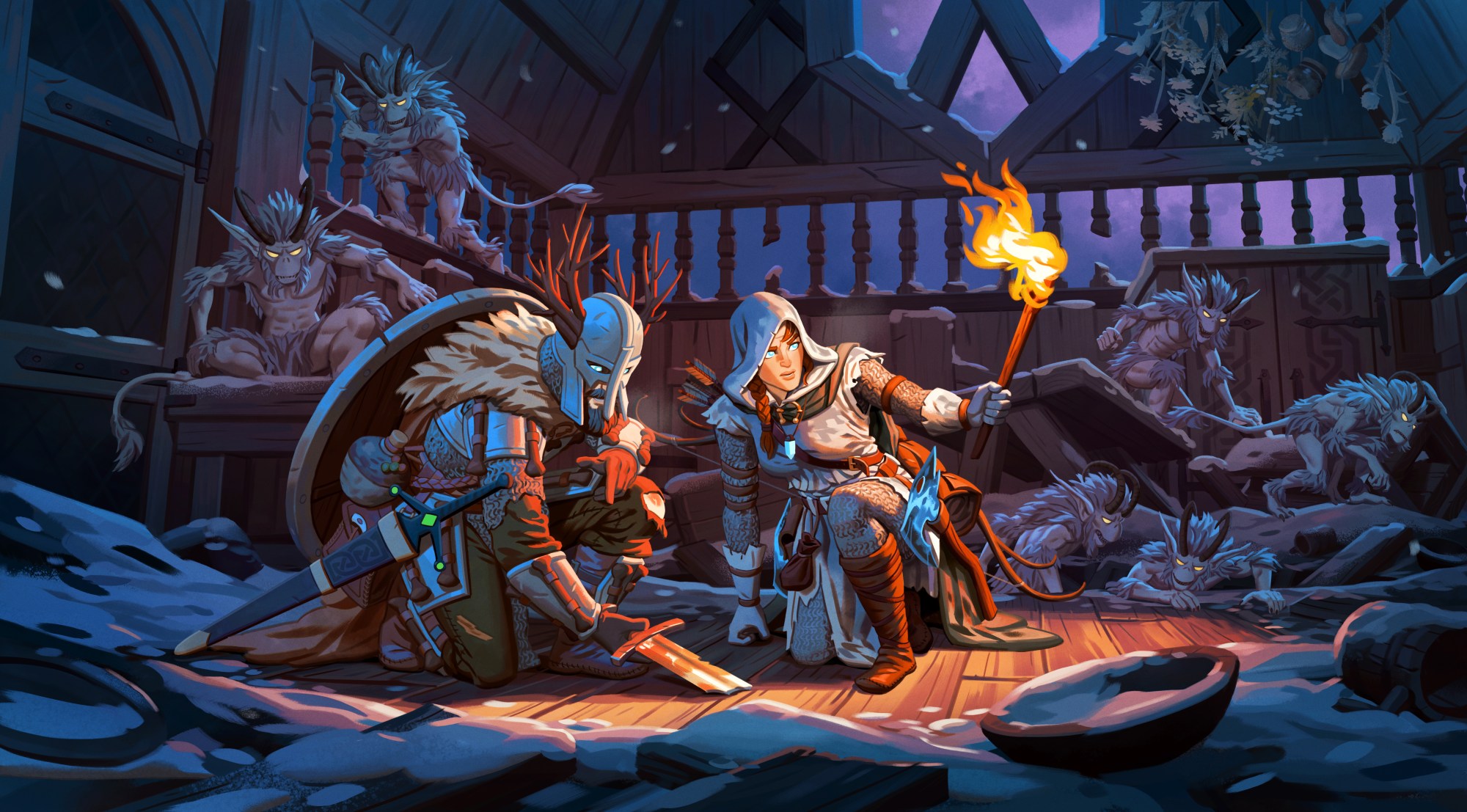
Unlike many early access titles that suffer from protracted development bottlenecks, Iron Gate maintained a steady cadence of substantial content updates. Over the course of nearly five years, the studio methodically introduced major biome expansions, including the Hearth and Home update, Mistlands, and Ashlands. Each patch was met with rigorous community scrutiny and engagement, creating a symbiotic relationship where player feedback directly influenced balancing and design choices.
Phase 3: The 1.0 Milestone (2026)
Culminating nearly six years of continuous refinement, the release of Valheim 1.0 marks the formal conclusion of the early access era. By delivering the promised Deep North biome alongside sweeping performance optimizations for current-generation hardware, Iron Gate has successfully converted an experimental indie sandbox into a definitive, feature-complete survival epic.
Supporting Data and Community Metrics
The quantitative metrics underpinning Valheim’s success paint a picture of rare and sustained commercial vitality. On Steam alone, the game has accumulated upwards of 250,000 player reviews, maintaining an overwhelmingly positive rating that places it in an elite tier of user-reviewed titles on the platform. To achieve such sustained user satisfaction over a half-decade lifespan without sliding into player fatigue is a testament to the robust foundational mechanics engineered by Iron Gate.
Critical reception has mirrored this grassroots enthusiasm. The game’s 90% aggregate score on Metacritic places Valheim among the highest-rated releases of its release window, validating the studio’s patient, quality-first approach to software development. Industry analysts note that achieving a 90+ score as a self-published or indie-partnered survival title is an increasingly rare feat in an era dominated by heavily funded AAA franchises.
Official Responses and Developer Philosophy
Throughout the development lifecycle, representatives from Iron Gate Studio and Coffee Stain Publishing have maintained a transparent, community-centric philosophy. Speaking on the challenges of scaling a small indie team to meet global demand, studio leads have repeatedly emphasized the importance of creative independence. Rather than rushing content to capitalize on early viral momentum, the developers chose to expand the team gradually, ensuring that creative vision was never compromised by corporate timelines.
In statements accompanying the 1.0 launch, the development team expressed deep gratitude to the community of Norse warriors who forged paths through the procedurally generated purgatory of the Tenth World. The studio noted that the patience and constructive feedback of players were the primary catalysts enabling them to realize their original design goals, transforming a modest Nordic passion project into a sprawling virtual universe.
Broader Impact and Industry Implications
The trajectory of Valheim offers a compelling case study for the contemporary games industry, particularly regarding the viability of the early access model. In recent years, consumer trust in early access has occasionally waned due to abandoned projects and prolonged development cycles. Valheim serves as a counter-narrative, demonstrating that when paired with responsive developers, transparent communication, and consistent updates, the early access framework can produce generational masterpieces.
Furthermore, the game’s sustained popularity highlights a broader market appetite for cooperative survival experiences that prioritize player agency over linear storytelling. While mainstream competitors like Assassin’s Creed Valhalla addressed Norse mythology through a cinematic, narrative-driven lens, Valheim empowered players to author their own emergent histories through architecture, exploration, and cooperative survival.
As Valheim 1.0 establishes its foothold on PlayStation 5, Nintendo Switch 2, PC, and Xbox, its legacy within the survival genre is secure. For millions of players who have spent the last five years hunting, building, and battling across its perilous realms, the 1.0 release is not merely an endpoint, but a celebration of a journey well-traveled. For newcomers donning the horned helmet for the very first time, the Tenth World awaits—offering an expansive, meticulously crafted afterlife from which escape is entirely optional.
Related posts: