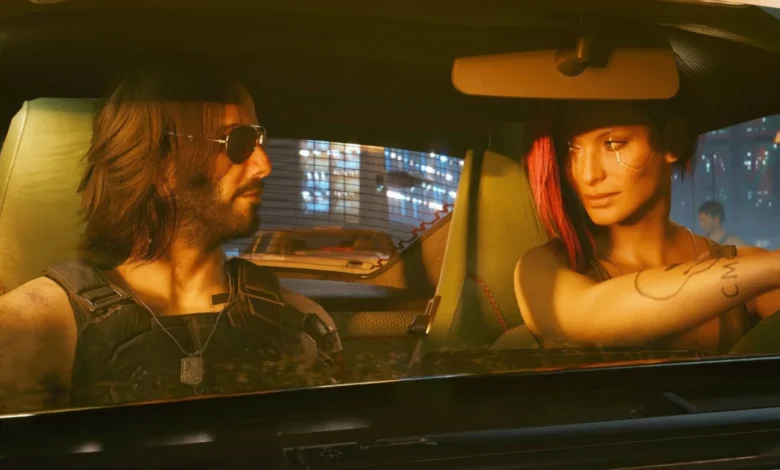
The development of the highly anticipated follow-up to Cyberpunk 2077 may finally resurrect the ambitious online components that CD Projekt Red was forced to abandon during the turbulent rollout of the original title. Recent recruitment postings by the Polish game development powerhouse indicate that the studio is actively exploring multiplayer network architecture for its upcoming open-world project, tentatively referred to as Cyberpunk 2.
While the studio has not formally announced a definitive online mode for the sequel, the inclusion of specific technical requirements in its latest hiring calls suggests that multiplayer integration remains a significant area of interest for the development team. As CD Projekt Red pivots deeper into pre-production and full development cycles for its future portfolio, industry observers are closely watching how the studio plans to balance its traditional strength in narrative-driven, single-player role-playing experiences with the modern commercial demands of online connectivity.
Recruitment Clues and Technical Requirements
The renewed speculation regarding multiplayer functionality stems from a recently published job advertisement for a lead quest programmer to join the Cyberpunk sequel development team. Deep within the listing’s optional qualifications—commonly referred to in human resources terminology as "nice-to-haves"—CD Projekt Red explicitly requests an "understanding of multiplayer network architecture and client-server synchronization for game state/quests."
Although this qualification is not listed as a mandatory prerequisite for applicants, its presence in a core design-focused role provides a clear window into the technical competencies the studio values for the project. Quest programming in an open-world RPG typically involves scripting intricate narrative events, non-player character behaviors, and world-state changes triggered by player choices. Translating these complex systems into a multiplayer environment requires sophisticated synchronization protocols to ensure that multiple users experience a cohesive game world simultaneously without desynchronization errors.
This technical wishlist does not amount to an official confirmation that Cyberpunk 2 will ship with cooperative gameplay, competitive modes, or persistent online worlds. However, it strongly implies that the engineering and design teams are laying the groundwork necessary to accommodate online features should the studio decide to move forward with them.
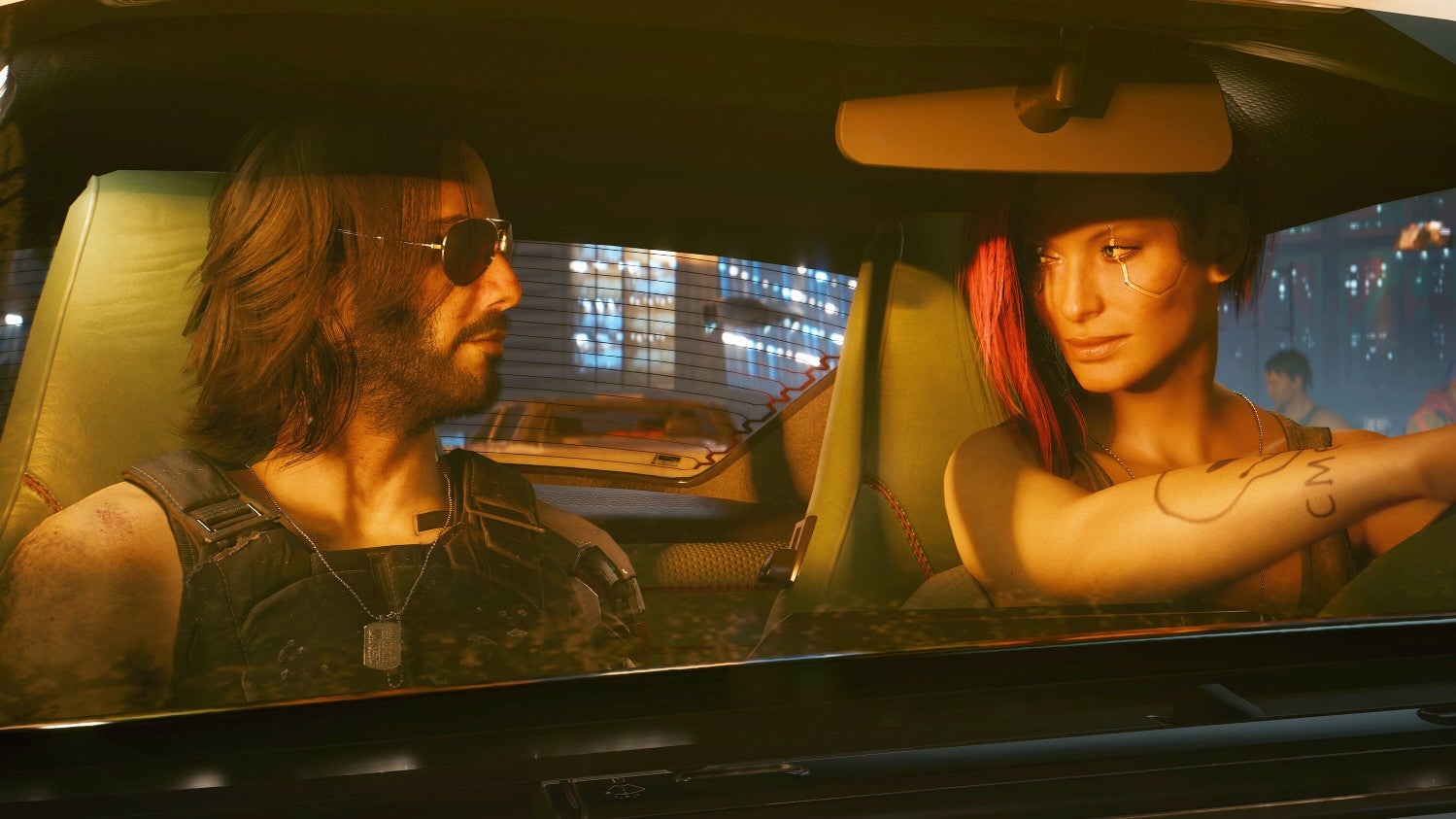
A Look Back: The Evolution of Cyberpunk 2077’s Multiplayer Ambitions
To understand the significance of these recent job postings, it is necessary to examine the complex history of multiplayer development within CD Projekt Red over the past decade. Long before Cyberpunk 2077 launched in December 2020, studio executives frequently discussed plans to incorporate online components into Night City.
Initially, CD Projekt Red positioned multiplayer as a distinct, major follow-up project tied to the Cyberpunk universe. As the immense technical and logistical challenges of finalizing the base game mounted, the studio adjusted its timeline. Shortly before the launch of Cyberpunk 2077, management clarified that the multiplayer component had evolved into a standalone triple-A release that would arrive sometime after the core single-player experience had successfully debuted.
The disastrous launch of Cyberpunk 2077, characterized by severe performance issues, bugs, and widespread consumer dissatisfaction on previous-generation consoles, abruptly altered those plans. CD Projekt Red leadership made the strategic decision to reallocate all internal resources toward stabilizing, patching, and improving the single-player game, culminating in the critically acclaimed Update 2.0 and the expansive Phantom Liberty story expansion released in 2023. Consequently, the standalone multiplayer project was officially shelved or fundamentally restructured.
Despite the setback, studio leadership maintained that online connectivity remained a long-term strategic objective. In previous statements, senior developers, including senior quest designer Philipp Weber, noted that the company intended to weave online technology into all of its major intellectual properties over time. The goal was no longer to create a single standalone online game, but rather to build a scalable online infrastructure that could be seamlessly integrated into the development pipelines of future franchises, including the next-generation Witcher titles and the Cyberpunk sequel.
Executive Commentary and Strategic Shifts
Leadership at CD Projekt Red has remained transparent about evaluating multiplayer options for the upcoming Cyberpunk sequel, even during the earliest phases of conceptualization.
In early 2024, CD Projekt CEO Adam Badowski publicly confirmed that the development team was actively considering multiplayer elements for the Cyberpunk 2077 follow-up. Badowski emphasized that these discussions were taking place while the project was still in its formative concept phase, indicating that any potential online features would be baked into the game’s architecture from the ground up rather than bolted on as an afterthought—a critical lesson learned from the troubled history of the first game’s development cycle.

This measured approach reflects a broader strategic evolution within the company. Following the redemption arc of Cyberpunk 2077, which restored consumer trust through persistent updates, transparency, and high-quality post-launch support, CD Projekt Red has reorganized its studios into agile, multi-project development powerhouses. Operating under the codename Project Orion, the Cyberpunk sequel is being spearheaded primarily by CD Projekt Red’s newly established North American studios based in Boston and Vancouver, working in tandem with veteran core staff in Poland.
Broader Industry Context and Implications for Project Orion
The potential inclusion of multiplayer features in Project Orion aligns with broader industry trends. Modern AAA open-world role-playing games increasingly leverage shared-world elements, cooperative mechanics, or asynchronous online features to enhance player retention and long-term engagement.
However, integrating multiplayer into a deeply immersive, choice-driven narrative RPG presents profound design hurdles. Maintaining the intricate branching storylines, player agency, and cinematic storytelling that define CD Projekt Red’s pedigree becomes exponentially more difficult when multiple players inhabit the same virtual space. Balancing the pacing of narrative quests with the unpredictable nature of cooperative or shared-world gameplay requires innovative solutions in both technical engineering and game design.
By actively recruiting talent with expertise in multiplayer network architecture during the early stages of Project Orion, CD Projekt Red is proactively mitigating the architectural limitations that hindered its previous online initiatives. Whether these efforts ultimately culminate in a fully realized co-op mode, shared social spaces, or simply a robust technical foundation for future scalability remains to be seen.
Ongoing Support for Cyberpunk 2077
While development on the sequel continues behind closed doors, CD Projekt Red remains committed to keeping the current community engaged. The studio recently rolled out a celebratory update for Cyberpunk 2077 coinciding with the debut of the second season of the critically acclaimed animated series Cyberpunk: Edgerunners on Netflix. This update introduced fresh gameplay mechanics to the six-year-old title, including dual-wielding capabilities and cross-platform modding support, demonstrating the studio’s continued dedication to nurturing the franchise’s ecosystem.
As Project Orion progresses through its multi-year development cycle, the gaming community will undoubtedly scrutinize future job listings, corporate financial briefings, and developer interviews for further clues regarding the scope, scale, and online capabilities of CD Projekt Red’s return to the neon-drenched streets of the dark future.
Related posts: