The video game industry has experienced a notable surge in horror-themed releases and retrospective analyses coinciding with the Halloween season. Major studios and independent developers alike have leveraged the late-October window to launch experimental titles, revive classic intellectual properties, and engage consumers through seasonal marketing initiatives. This period highlights a broader trend within the interactive entertainment sector: the convergence of nostalgia-driven retro aesthetics with modern gameplay mechanics, particularly within the survival horror and simulation genres.
Industry analysts note that October consistently serves as a strategic launchpad for horror and supernatural-themed software. Publishers utilize the cultural prominence of Halloween to capture consumer attention, driving engagement metrics across digital storefronts such as Steam, the Nintendo eShop, and console marketplaces. This year’s seasonal slate reflects a diverse market approach, ranging from cozy, low-stress simulation games to punishing psychological horror experiences that hark back to the early eras of 3D and pixel-art survival games.

Retrospective Analysis and the Evolution of Survival Horror
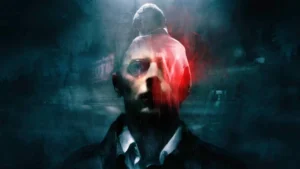
A significant component of this season’s discourse involves the re-examination of foundational horror titles that defined the genre in the late 2000s and early 2010s. Among these, Frictional Games’ Amnesia: The Dark Descent, originally released in 2010, has seen renewed interest from both players and industry commentators. Industry historians often credit Amnesia with catalyzing a major shift in the survival horror landscape, moving the genre away from combat-heavy action titles—exemplified by later entries in the Resident Evil franchise—and toward vulnerability, stealth, and psychological dread.
The enduring relevance of such titles demonstrates how early indie horror foundations continue to influence contemporary design. Modern psychological horror games frequently borrow Amnesia’s core tropes, including the mechanics of defenseless protagonists, sanity meters, and physics-based puzzle solving. Critics observing these trends point out that while graphical fidelity and technological capabilities have advanced significantly over the past decade and a half, the psychological impact of atmospheric tension remains a primary driver of player retention in the genre.
Independent Innovation: Blending FMV, Pixel Art, and Folklore
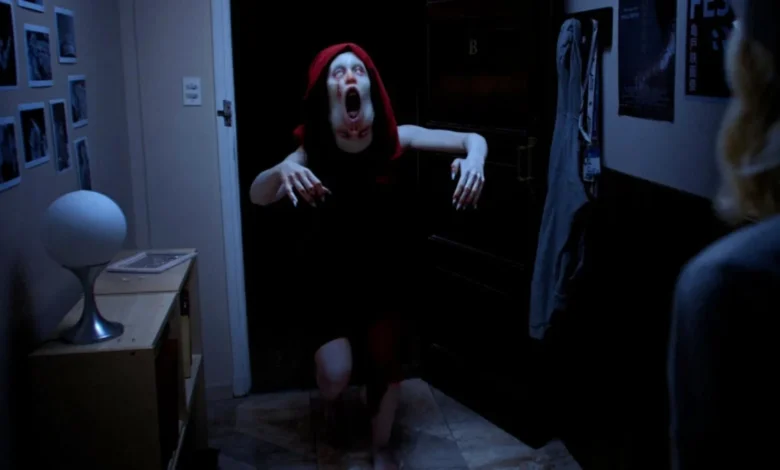
In parallel with classic revivals, the independent games sector continues to push boundaries by experimenting with unconventional visual mediums and narrative structures. Recent releases showcase a distinct appetite among developers for hybrid art styles. Titles such as Tenebris Somnia, which combines traditional adventure game mechanics with live-action full-motion video (FMV) sequences, represent an ongoing effort to merge retro gaming sensibilities with cinematic horror aesthetics.

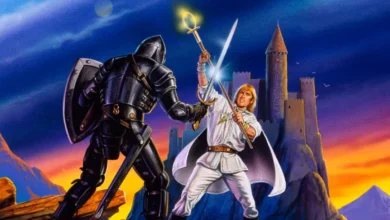
Industry observers draw parallels between these contemporary experiments and earlier multimedia horror projects from the CD-ROM era of the 1990s. However, modern developers utilize advanced digital editing and higher-resolution live-action footage to achieve a more cohesive blend between interactive gameplay and cinematic presentation. Similarly, games drawing inspiration from early 8-bit aesthetics—such as Faith: The Unholy Trilogy—demonstrate that technical limitation can be leveraged as an artistic asset to induce claustrophobia and unease, proving that high fidelity is not a prerequisite for effective terror.
At the same time, newer entries in the narrative strategy space, such as The Killing Stone, illustrate the diversification of horror mechanics. By fusing roguelike deck-building frameworks with first-person folkloric storytelling, developers are appealing to niche audiences that demand strategic depth alongside atmospheric dread. Set within a Scandinavian mythological framework, these titles reflect a growing market demand for culturally specific folklore rather than standard Gothic tropes.
The Rise of Cozy Supernatural Simulations
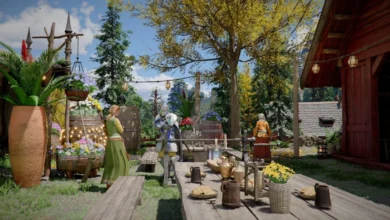
Counterbalancing the influx of traditional psychological horror is the steady commercial growth of "cozy" simulation games that incorporate supernatural or dark fantasy themes without the accompanying stress or jump scares. Titles positioned within the farming and life-simulation subgenre—originally popularized by monoliths like Stardew Valley—have increasingly adopted alternative thematic skins to capture seasonal interest.

Market research indicates that these titles serve a vital segment of the gaming demographic that enjoys seasonal aesthetics—such as witchcraft, vampirism, and gothic architecture—while actively avoiding high-anxiety gameplay loops. By blending mundane agricultural tasks with supernatural storytelling elements, developers have successfully expanded the demographic reach of Halloween-themed content beyond core horror enthusiasts.
Market Implications and Future Outlook
The commercial performance of this year’s Halloween lineup underscores the resilience of the horror and supernatural genres within both indie and mid-tier publishing ecosystems. As digital distribution platforms lower the barrier to entry for creative experiments, developers are increasingly willing to test unorthodox genre combinations, such as card-based combat within narrative horror or relaxed management mechanics featuring gothic protagonists.
Looking ahead, industry analysts expect publishers to continue utilizing seasonal windows to market specialized titles, capitalizing on cultural touchstones to maximize visibility in a crowded marketplace. Whether through high-fidelity remasters, daring indie experiments, or relaxed seasonal simulations, the enduring appeal of the macabre remains a reliable economic driver for the interactive entertainment sector.