The Psychological Horror Title RESIDUUM Launches on Steam, Bringing Claustrophobic Survival Gameplay to PC

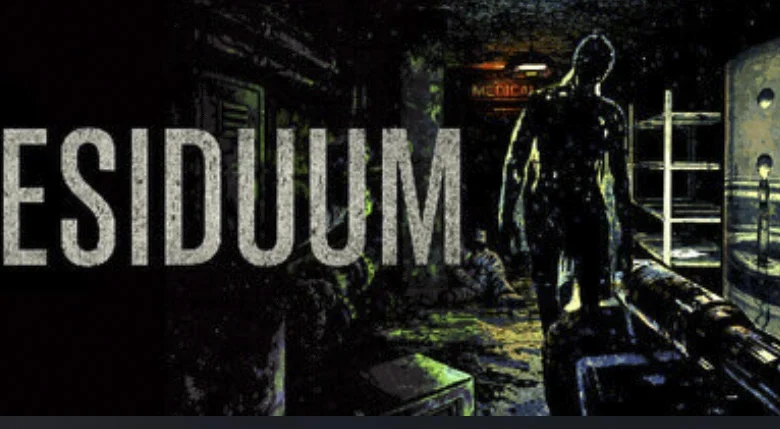
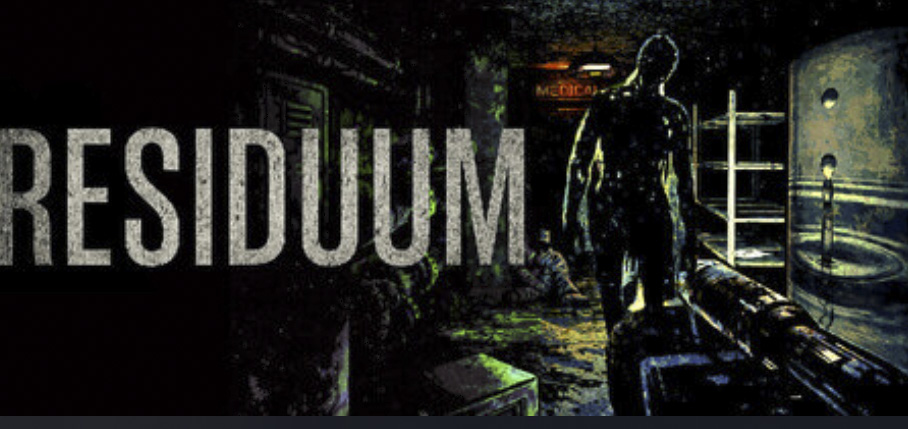
The psychological survival horror genre has a new contender with the official release of RESIDUUM, a first-person title developed entirely by solo creator Will Nightingale. Launched on Steam for Windows PC, the game thrusts players into the oppressive, confined depths of a mysterious underground research facility where resources are scarce and the environment itself acts as an antagonist. Nightingale’s debut project centers its core mechanics around psychological tension, resource management, and a stark sense of isolation, targeting seasoned fans of indie horror who appreciate slow-burn, atmospheric storytelling.
Premise and Narrative Setup
The overarching narrative of RESIDUUM utilizes a classic yet effective horror trope: desperation driving characters into situations they are fundamentally unprepared to handle. Players assume the role of an unnamed protagonist who takes a job at a remote, subterranean research facility simply because the financial compensation is too significant to ignore. The employment agreement requires no questions to be asked about the nature of the work being conducted.
Naturally, this arrangement proves fatal. Upon arrival, players discover that a catastrophic experiment has taken place, leaving the facility abandoned, erratic, and hostile. The story is not told through traditional cutscenes or exposition dumps; instead, players must piece together the grim sequence of events by scavenging through scattered photographs, audio recordings, and internal memoranda left behind by the former staff.

The environment communicates its own history through architectural decay, emergency lighting, and environmental storytelling. The narrative framework positions the player not as a trained operative capable of fighting back, but as an ordinary worker caught in the fallout of corporate negligence and scientific hubris.

Gameplay Mechanics and Survival Systems
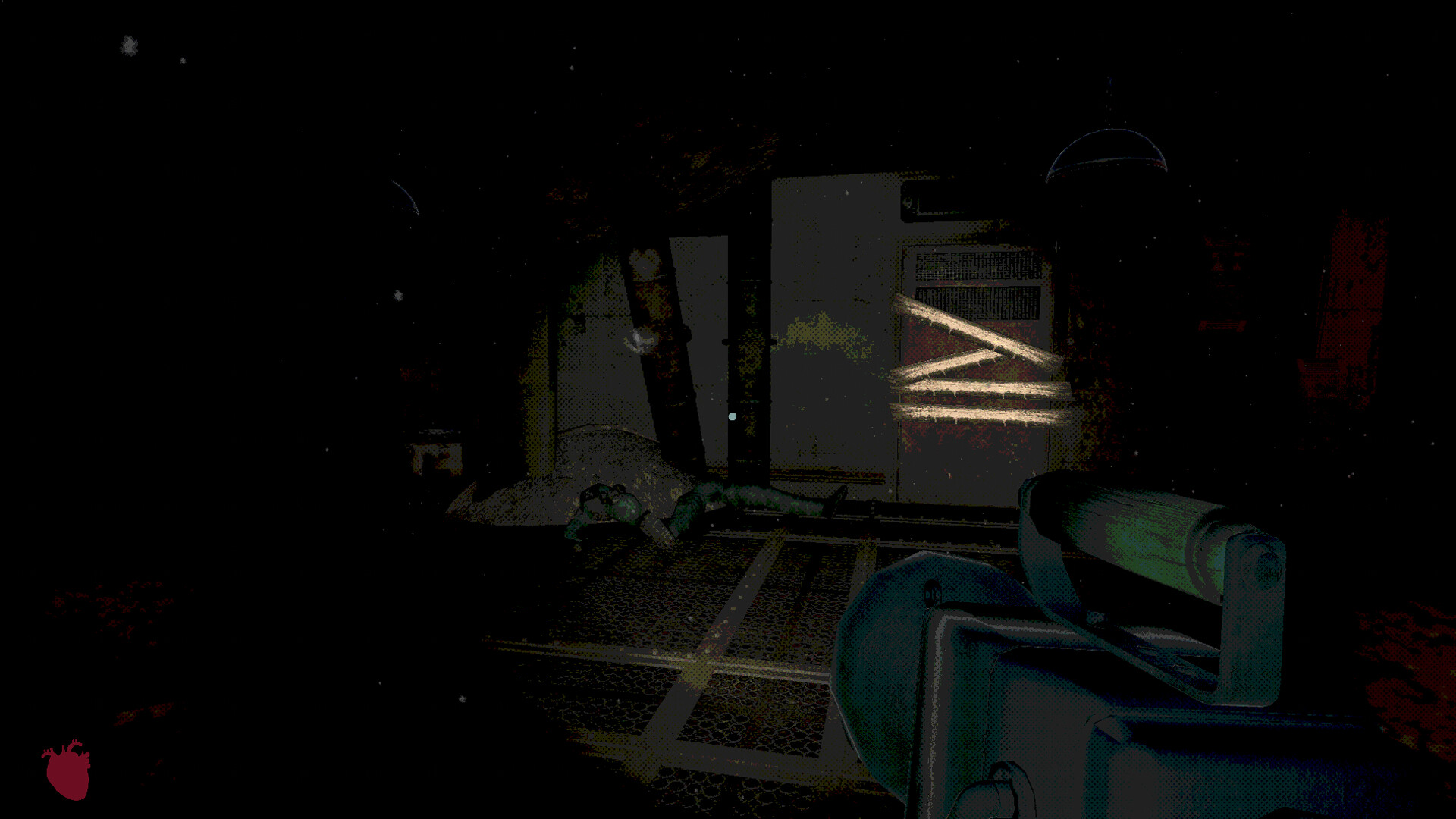
At the mechanical level, RESIDUUM relies heavily on resource scarcity to cultivate dread. The opening moments immediately establish this vulnerability by equipping the player with a flashlight that is already failing—a deliberate design choice intended to induce panic as the battery steadily depletes.

Navigation and survival require careful management of the few tools provided. Alongside the weak light source, players carry a faulty heartbeat sensor. This device serves a dual purpose: it acts as a navigational aid and environmental scanner, while simultaneously functioning as a psychological terror mechanism. The erratic readout of the sensor constantly reminds the player of their character’s rising panic and physical proximity to unseen threats.

Structurally, the game adopts a semi-open survival horror format. Players must explore the facility’s labyrinthine corridors, administrative offices, and laboratories to locate necessary keys, supplies, and puzzle components. Combat is notably minimized or entirely subordinate to stealth and evasion; the primary objective is figuring out how to escape while uncovering the truth of what transpired underground.

According to Steam’s content warnings, RESIDUUM features depictions of deceased bodies and references to substance use, confirming that the title is tailored for a mature audience well-versed in the psychological horror landscape.

The Rise of Solo-Developed Psychological Horror
The release of RESIDUUM highlights a broader, ongoing trend within the video game industry: the increasing viability and prominence of solo-developer projects within the horror genre. Over the past decade, advancements in accessible game development engines—such as Unreal Engine and Unity—alongside robust digital distribution platforms like Steam, have allowed individual creators to produce commercially viable titles that rival the atmospheric density of mid-tier studio productions.

Psychological horror, in particular, has become a fertile ground for solo developers. Because these games typically prioritize atmosphere, pacing, narrative, and environmental design over massive open worlds or complex multiplayer infrastructures, small teams or single creators can focus their limited resources on tightly controlled, highly impactful experiences. Titles like RESIDUUM demonstrate how a singular artistic vision can bypass the design compromises often found in larger, committee-driven corporate projects.

Industry Implications and Market Reception
As RESIDUUM makes its debut on PC, its performance will serve as another data point for the health of the indie horror market on Steam. Horror games consistently perform well on Valve’s platform, driven by dedicated communities of content creators, streamers, and enthusiasts who actively seek out unique, narrative-driven frights.

While commercial metrics and initial sales figures have not been formally disclosed at the time of writing, the game’s niche focus ensures it will appeal directly to aficionados of titles like Amnesia, Outlast, and modern indie classics that emphasize helplessness over empowerment. For solo developer Will Nightingale, the launch represents the culmination of an intensive development cycle, transitioning the project from concept to a playable reality for horror fans worldwide.
RESIDUUM is available now for Windows via Steam. Prospective players are advised to consult the official Steam store page for up-to-date pricing and system requirements before purchasing.