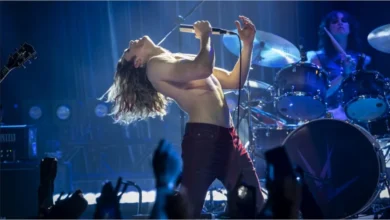
The intersection of automotive innovation, entrepreneurial grit, and modern artistry has officially reached its climatic conclusion. Toyota and UPROXX have wrapped up their collaborative digital content series, The Next Gear, with a high-profile finale featuring Grammy-nominated electronic music producer, DJ, and songwriter Illenium alongside Los Angeles-based stylist and emerging apparel designer Toreno Winn. Set against the sleek, modern backdrop of the all-electric Toyota C-HR, the final installment served as both a mentorship session and a reflection on the psychological hurdles that young creators face when transitioning from service-based creative roles to independent product design.
Over the course of the season, The Next Gear has carved out a distinct niche by pairing established cultural heavyweights with breakout talents who utilize their vehicles not merely as modes of transportation, but as mobile workspaces, safe havens for ideation, and foundational elements of their daily entrepreneurial routines. For Winn, whose multidisciplinary practice requires endless transit across the sprawling expanse of Los Angeles, the passenger seat of the electric crossover proved to be an appropriate venue for a deeply personal discussion about perfectionism, creative paralysis, and the vital art of knowing when to release a project into the world.
The Creative Struggle: Navigating the Shift from Stylist to Designer
For years, Toreno Winn has built a formidable reputation within the competitive fashion landscape of Los Angeles as a visionary stylist. In this capacity, his role has largely been reactive and curatorial—synthesizing existing pieces, understanding client aesthetics, and pulling from established houses to craft compelling visual narratives. However, recent career trajectories have pushed Winn to pivot toward original creation, designing apparel from the ground up and stepping into the unpredictable waters of manufacturing and brand ownership.
This professional evolution, while exciting, has introduced a heavy psychological burden common among early-stage creators: the paralyzing grip of perfectionism. During his ride-along with Illenium—legally known as Nicholas Miller—Winn opened up about the internal friction holding back his debut collections.
“I keep holding on to things, and I’m not putting it out… I’m such a perfectionist at times,” Winn confessed from the shotgun seat, highlighting a struggle that paralyzes countless independent artists across the fashion, music, and design industries. The fear of releasing a flawed product or an unpolished design often keeps brilliant concepts trapped on hard drives, in sketchbooks, or rolling around in the back of a car indefinitely.
Recognizing these symptoms of creative gridlock, Illenium offered a pragmatic counterweight born from over a decade of navigating the peaks and valleys of the global music industry. The electronic producer’s advice cut straight through the noise of self-doubt: perfection is an illusion, and waiting for the stars to align guarantees that a project will never see the light of day.
“More exposure is better; let things be rough around the edges,” Illenium advised Winn, pulling from his own extensive catalogue of musical experimentation. “There’s never going to be a perfect scenario where everything is ready.”
From "Pure Laziness" to Cultural Phenomenon: The Illenium Jersey Lore
To contextualize the necessity of embracing imperfection, Illenium shared a piece of origin lore behind one of modern electronic dance music’s most recognizable sub-cultural staples: the artist-branded merchandise jersey. Today, thousands of fans—collectively known as Illenials—flock to amphitheaters, arenas, and festival grounds worldwide adorned in custom jerseys bearing numbers, tour dates, and artistic motifs. Yet, according to the producer, this multi-million-dollar merchandise category was born out of convenience rather than a calculated marketing strategy.
“It started out of pure laziness,” Illenium revealed, explaining that he simply hated the logistical headache of checking bags at airports while touring incessantly. Needing durable, comfortable stage wear that could easily fit into a carry-on bag, he turned to athletic jerseys.
What began as a functional wardrobe hack quickly struck a chord with his audience. Fans began identifying with the aesthetic, adopting it as a uniform of community and belonging. The accidental branding evolution underscored a broader lesson for Winn and other emerging creators: organic growth often supersedes over-engineered strategy. By allowing his brand identity to evolve naturally from core practical needs rather than forcing a reinvention with every album cycle, Illenium built a resilient, enduring career that resonates deeply across demographics.
The Evolution of Mobility and Creative Workspaces
The backdrop of this mentorship—the all-electric Toyota C-HR—serves as more than just a slick vehicular prop; it highlights the changing nature of modern creative work. In contemporary metropolitan centers like Los Angeles, the traditional four-walled office has largely dissolved. For creatives constantly on the move, the automobile functions as a vital third space.
As noted throughout the run of The Next Gear, vehicles like the Toyota C-HR have transformed into mobile command centers. For Toreno Winn, the car is simultaneously a “second home,” a “portable office,” and a sanctuary for “peace and quiet” amidst the chaotic hustle of the fashion industry. The integration of electric vehicle (EV) technology into these spaces further enhances this environment, offering quiet cabins devoid of engine vibration, allowing for clear phone calls, uninterrupted brainstorming sessions, and moments of mental decompression between high-stakes fittings and client meetings.
Automotive partnerships with cultural platforms like UPROXX reflect a broader industry shift. Brands are no longer just selling horsepower and fuel efficiency; they are marketing lifestyle alignment, positioning their vehicles as indispensable co-conspirators in the daily pursuits of innovators, musicians, designers, and entrepreneurs.
Broader Industry Implications and the Legacy of "The Next Gear"
As the final episode of The Next Gear rolls credits, the series leaves behind a rich archive of conversations that demystify the journeys of modern creatives. By bridging the gap between established icons—such as Illenium—and rising talents across diverse fields, the campaign has successfully illustrated the universal hurdles of artistic production.
The overarching takeaway from the series is clear: resilience, adaptability, and the courage to abandon perfectionism in favor of public vulnerability are the true currency of modern creative enterprise. Whether it is a Grammy-nominated DJ launching an accidental apparel empire out of luggage fatigue or a Los Angeles stylist struggling to debut his first independent clothing line, the path forward requires stepping out of the comfort zone and letting go.
With this finale, Toyota and UPROXX have closed a compelling chapter on automotive-backed creative mentorship. For Toreno Winn, the ride in the electric C-HR provided not just physical transportation across the city, but the mental clarity needed to finally release his work to the world—proving that sometimes, the most important gear to shift is the one inside your own mind.