Earth’s Mightiest Heroes are historically defined by their unwavering courage, tactical brilliance, absolute selflessness, and the complex mechanics of teamwork required to navigate hopeless, universe-ending scenarios. Yet, the storied halls of Avengers Mansion and the orbital watchtowers of the superhero coalition have frequently housed individuals who tested the patience of their comrades. While personality clashes and interpersonal friction are regular catalysts for the dramatic tension that defines long-running serialized storytelling, certain members elevated "annoying" behavior to an art form. Examining decades of Marvel Comics continuity reveals five distinct heroes and impostors whose grating personalities, boundary-pushing attitudes, and provocative antics drove their teammates to the brink of exasperation.
The Operational Paradox of Personality Friction on Elite Teams
In the organizational hierarchy of the Marvel Universe, joining the Avengers requires more than raw power; it demands cultural and operational synergy. Historically, team directors such as Captain America, Iron Man, and later figures like Norman Osborn and Jonathan Hickman’s overarching council configurations have evaluated recruits based on combat efficacy and reliability under pressure. However, operational history demonstrates that peak performance in the field does not preclude grating interpersonal conduct.
Psychological strain during high-stakes incursions often exacerbates petty grievances. When heroes are locked in containment protocols against cosmic entities, time-traveling conquerors, or subterranean empires, the tolerance for sarcasm, insubordination, and bizarre personal habits shrinks dramatically. Despite this, editorial history shows that many of the publisher’s most enduring characters survived—and even thrived—within the roster precisely because their irritating qualities were counterbalanced by elite tactical utility.
5. Clint Barton: Hawkeye and the Weaponized Wisecrack
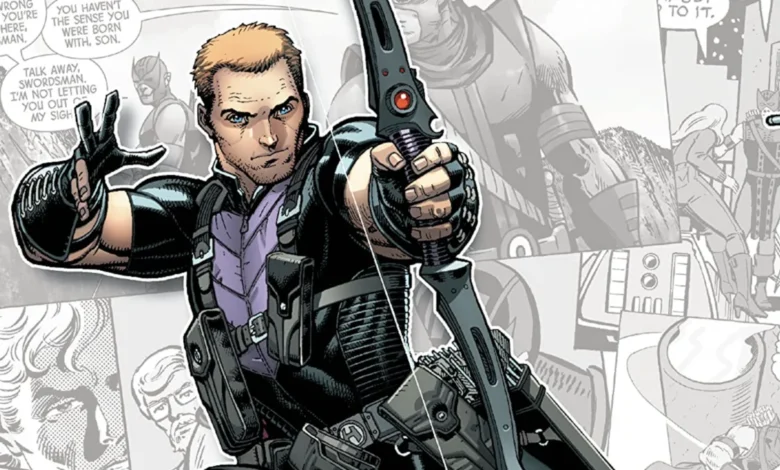
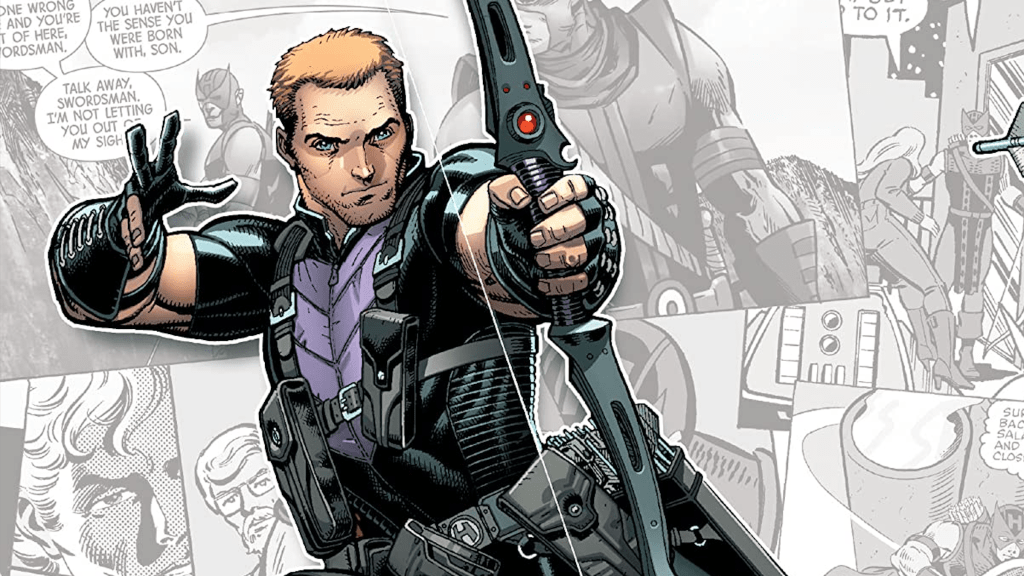
Clint Barton’s induction into the Avengers following his defection alongside the Black Widow introduced an era of irreverent defiance to a team previously defined by stoic, military-style discipline. Initially clashing with team founder and de facto moral compass Captain America, Hawkeye quickly established himself as the team’s resident troublemaker. His combat style, utilizing specialized trick arrows, was routinely accompanied by unceasing verbal jests, unorthodox battlefield commentary, and disrespectful monikers directed at both allies and adversaries.
Barton’s tendency to label Steve Rogers as "old-fashioned" and coin unflattering nicknames for Tony Stark grated on leadership, yet his psychological profile revealed a deeper coping mechanism. Underneath the relentless sassing lay a deeply insecure marksman trying to prove his worth among gods and men of science. While his teammates frequently voiced frustration with his demeanor, his reliability under fire was absolute. Whether deploying an arrow against Kang the Conqueror with a flippant remark or enduring physical trauma to protect civilians, Barton proved that annoyance and bravery could coexist.
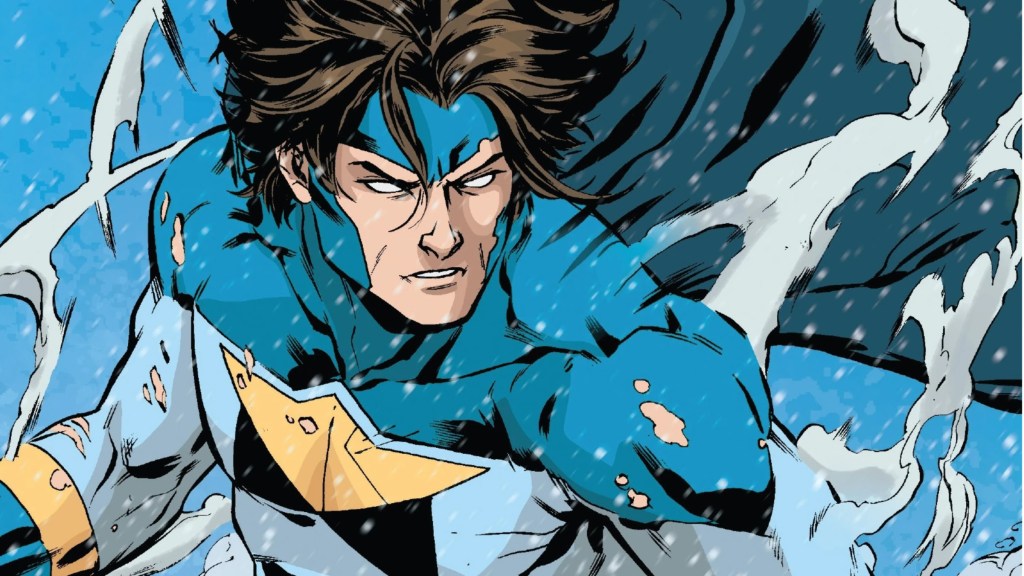
4. Vance Astrovik: Justice and the Overzealous Fanboy Syndrome
The trajectory of Vance Astrovik, known as Justice, into the active roster of the Avengers represents a unique study in psychological over-compensation and the perils of idol worship. Introduced initially via temporal displacement as a member of the Guardians of the Galaxy before carving out a path in the present day as a founding member of the New Warriors under the moniker Marvel Boy, Astrovik’s early life was marked by severe trauma, culminating in the tragic accidental killing of his abusive father.
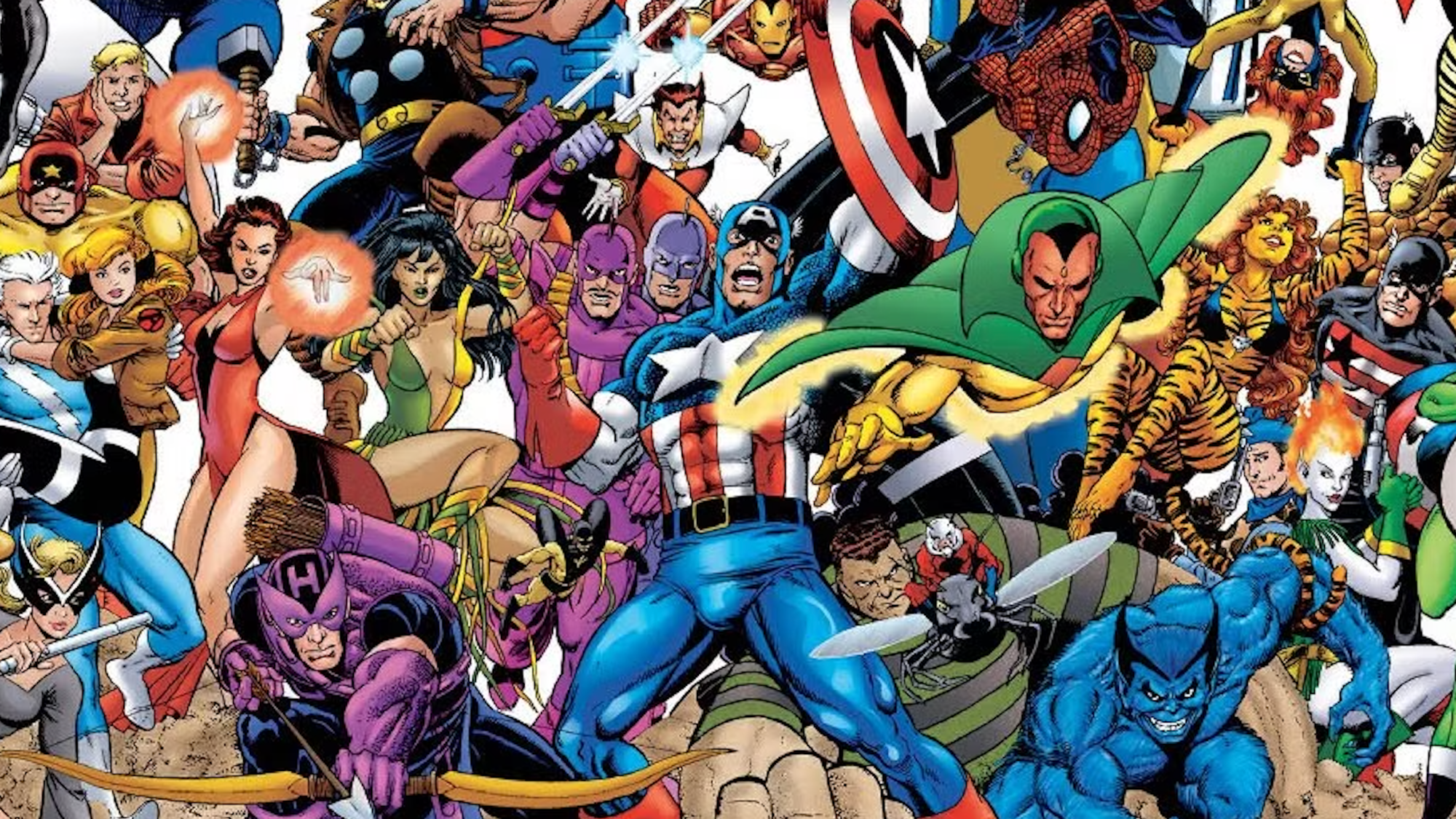
Following his legal vindication and romantic relationship with fellow New Warrior Firestar, Justice achieved his lifelong ambition following a grueling conflict against the sorceress Morgan Le Fay: induction into the active Avengers roster. However, childhood dreams transformed into an adult operational liability. Astrovik’s unbridled enthusiasm manifested as intense, unrelenting fanboy behavior that overwhelmed his seasoned peers. Every briefing, tactical maneuver, and historical anecdote was met with starry-eyed reverence that quickly grew tiresome for veterans accustomed to professional detachment. Over time, as Justice integrated deeper into the team’s operational rhythm and confronted the stark realities of heavy-casualty combat, his behavior normalized, allowing him to transition from an irritating novice to a respected team leader.
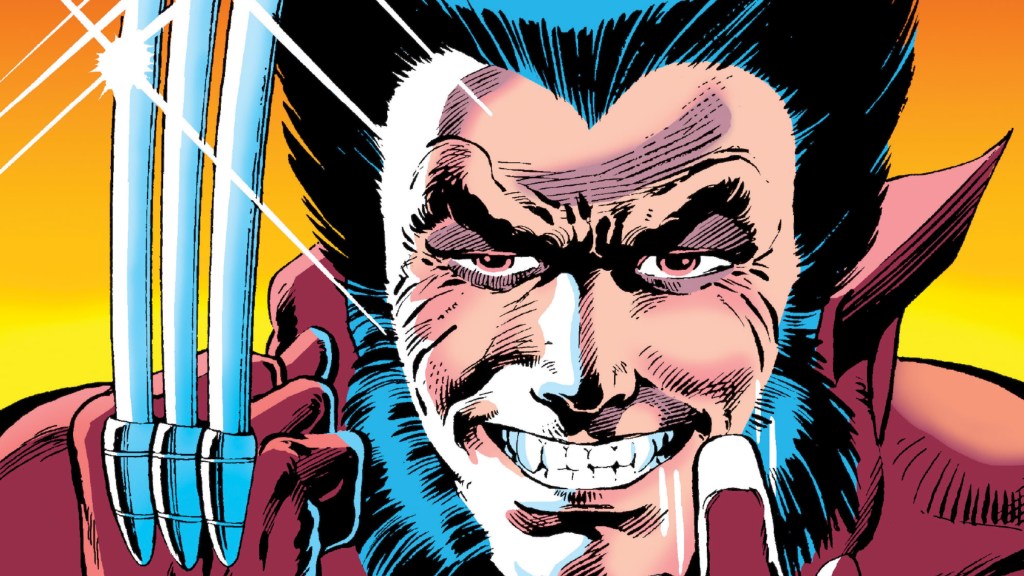
3. Logan: Wolverine and the Cost of Unsanctioned Insubordination
When Wolverine joined the active Avengers roster in the mid-2000s, the decision sent ripples through the comic book community. Long established as the quintessential loner, reluctant mutant protector, and core pillar of the X-Men, Logan brought his signature brand of insubordination directly to Earth’s Mightiest Heroes. Operating under a philosophy that prioritized lethal efficiency and independent judgment over chain-of-command protocols, Wolverine routinely challenged the authority of team directors.
Logan’s presence on the team was characterized by sharp retorts, an absolute refusal to engage in conventional team-building exercises, and a persistent disregard for personal boundaries. The friction culminated in memorable altercations, most notably when Spider-Man physically ejected Wolverine through a reinforced window following particularly tasteless remarks regarding Mary Jane Watson. Wolverine’s tenure demonstrated that while his regenerative healing factor and adamantium-laced skeleton made him an indispensable asset in violent engagements, his off-duty persona remained fundamentally incompatible with harmonious group living. He made allies in spite of his abrasive nature, relying on battlefield execution to justify his disruptive civilian conduct.
2. Otto Octavius: The Superior Spider-Man and the Ultimate Protocol Breach
The inclusion of the Superior Spider-Man in the Avengers during Jonathan Hickman’s acclaimed 2013 run (specifically issues #4 through #6 of Avengers Vol. 5) remains one of the most uniquely abrasive chapters in the team’s history. Following a mind-swap orchestrated by a dying Otto Octavius into the body of Peter Parker, the villain-turned-hero attempted to prove himself as a "superior" version of the web-slinger.
Unlike the genuine article, who had previously served honorably on the roster, Octavius viewed the Avengers through a lens of intellectual superiority and supreme arrogance. His tenure was marked by immediate operational violations, including the appropriation of specialized meals prepared by private chefs for teammates Cannonball and Sunspot, alongside continuous, biting insults directed at the intelligence of his peers. Recognizing that this individual was behaving erratically and displaying a disturbing lack of empathy, the Avengers quietly sidelined Octavius, utilizing him strictly for high-threat combat scenarios while excluding him from communal activities. This period ultimately marked the final time an iteration of Spider-Man served actively on the main roster until Miles Morales’s later induction, standing as a stark reminder of the dangers of harboring unchecked egos.
1. Bullseye: The Psycho-Pathological Terror of the Dark Reign Era
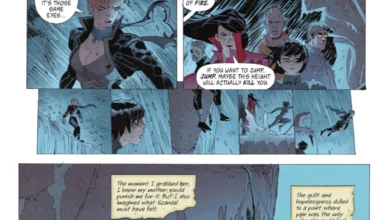
The apex of destructive annoyance within the Avengers came not from a hero struggling with social boundaries or an antihero with a chip on his shoulder, but from a sadistic, unrepentant serial killer operating under state sanction. Following the "Secret Invasion" storyline, Norman Osborn assumed control of national security structures under the banner of the "Dark Reign" initiative. Rebranding his Thunderbolts as a corrupted, fascist reflection of the Avengers, Osborn installed the psychopathic assassin Bullseye into the uniform and codename of Hawkeye.
Bullseye embraced his tenure with sociopathic glee, utilizing his platform to terrorize his teammates and push the limits of institutional immunity. His relentless verbal taunts were backed by credible threats of lethal violence, creating an atmosphere of constant terror within headquarters. His volatile romantic entanglement with teammate Moonstone culminated in explicit altercations within the Avengers’ primary conference rooms, shocking even seasoned operatives. Concurrently, Bullseye actively courted death, attempting to provoke physical confrontations with dangerous powerhouses like Ares, Daken, and the Sentry simply to alleviate his boredom. Bullseye’s time as an Avenger represents the extreme consequence of weaponized dysfunction, transforming interpersonal annoyance into an active, high-casualty hazard for everyone involved.