How Endgame’s Theatrical Re-Release and Loki’s Disney+ Resurgence Are Laying the Groundwork for Avengers: Doomsday

The cinematic landscape of the Marvel Cinematic Universe is once again shifting as studio strategies pivot heavily toward legacy synergy, multi-year continuity tying, and theatrical re-engagement. With the current theatrical run of Avengers: Endgame Encore dominating box office charts and driving substantial ticket sales, Marvel Studios is successfully priming audiences for the upcoming release of Avengers: Doomsday, slated for a global rollout this December. However, the ripple effects of bringing the monumental 2019 crossover back to the big screen extend far beyond box office receipts. In a demonstration of how deeply interconnected the MCU’s streaming and theatrical arms have become, Disney+ has recorded a massive global streaming surge for Loki, propelling the Tom Hiddleston-led series back to the number one spot on the platform’s international charts. Five years after its initial premiere, the series is once again capturing public attention as fans revisit the intricate mythos of the multiverse, seeking crucial context for the narrative trajectory culminating in the Multiverse Saga’s climax.
The Phenomenon of Avengers: Endgame Encore and Multiverse Continuity
The decision by Marvel Studios and Walt Disney Studios Motion Pictures to deploy Avengers: Endgame Encore into cinemas is not merely a nostalgic exercise, but a calculated narrative maneuver. As the MCU progresses toward its fifth and sixth phases, continuity management has grown increasingly complex. The re-release of Endgame, complete with subtle integrations and contextual updates tied directly to the upcoming Avengers: Doomsday, serves as a bridge for both casual viewers and dedicated continuity purists.
Box office analysts have noted that retrospective screenings of major tentpole films often trigger spikes in digital consumption across streaming ecosystems. Yet, the specific resurgence of Loki highlights the unique structural weight the television series carries within the broader franchise architecture. While other post-Endgame Disney+ projects such as WandaVision and The Falcon and the Winter Soldier focused on localized character arcs—dealing with localized grief and sociopolitical mantle-passing respectively—Loki fundamentally redefined the physical and metaphysical laws governing the entire cinematic universe. By re-engaging with Endgame on the big screen, viewers are naturally drawn to explore the direct consequences of 2012 timeline deviations, cementing Loki as essential preparatory viewing ahead of the December premieres.
A Chronological Review of Loki’s MCU Evolution
To understand the current streaming resurgence, one must examine the chronological genesis and execution of the Loki television series. Developed by Michael Waldron and directed for its first season by Kate Herron, Loki debuted on Disney+ in June 2021 as a cornerstone of Phase 4. The narrative premise directly branched off from a specific sequence in Avengers: Endgame, wherein a 2012 iteration of Loki manages to abscond with the Tesseract during the Avengers’ chronological heist.
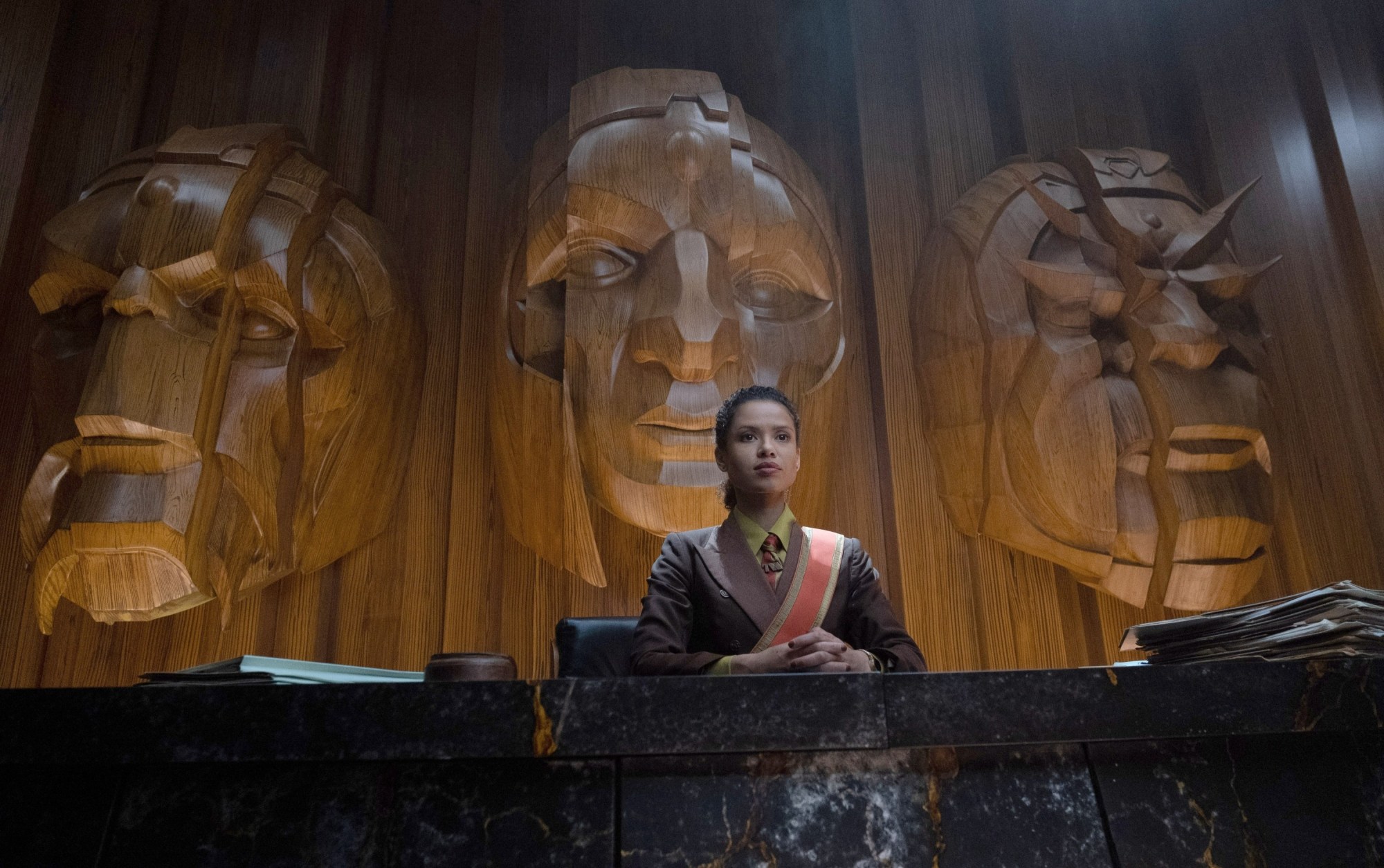
Apprehended by the Time Variance Authority (TVA)—an enigmatic bureaucratic organization tasked with pruning branching realities to preserve a singular "Sacred Timeline"—Loki’s journey rapidly evolved from a standard cat-and-mouse procedural into a high-stakes metaphysical inquiry. Across its two critically acclaimed seasons, the series systematically dismantled foundational assumptions regarding free will, predestination, and the architecture of reality.
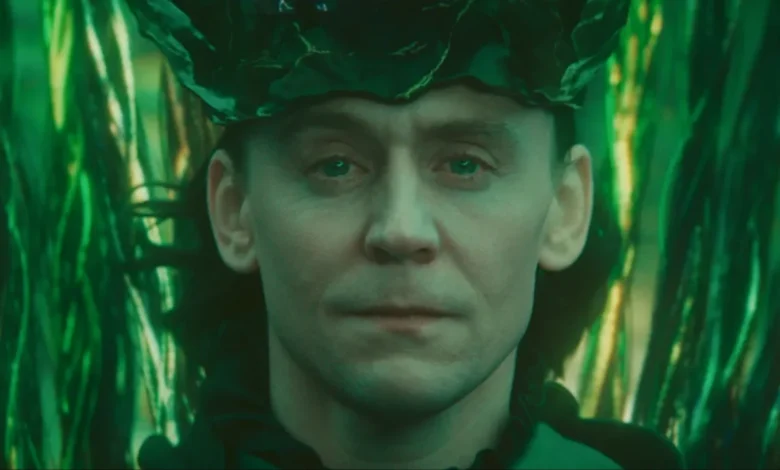
In Season 1, the narrative culminated in the revelation of He Who Remains, a variant of Kang the Conqueror portrayed by Jonathan Majors, stationed at the Citadel at the End of Time. The termination of this entity in the season finale ruptured the Sacred Timeline, unleashing infinite branching realities. Season 2, which aired in late 2023, shifted its narrative focus toward the structural integrity of these infinite branches. Facing the catastrophic decay of the multiverse, Tom Hiddleston’s character underwent his final transformation. Eschewing his historic ambitions of selfish conquest, Loki embraced a profound sacrifice, destroying the Temporal Loom and manually gathering the dying timelines. Seated at the center of the multiverse, he assumed the mantle of the God of Stories, physically sustaining the infinite branches of reality at the cost of his own freedom.
Behind-the-Scenes Realignment: From Kang to Doctor Doom
The narrative architecture of the Multiverse Saga underwent an unprecedented behind-the-scenes pivot that profoundly altered the trajectory of characters established in Disney+ series. Originally, the overarching narrative of Phases 5 and 6 was structured around Jonathan Majors’ portrayal of Kang the Conqueror and his various temporal variants, establishing a direct connective tissue between the conclusion of Loki Season 2 and the planned Avengers films, initially titled The Kang Dynasty.
However, following legal proceedings, subsequent guilty verdicts regarding misdemeanor assault and harassment charges, and his subsequent termination by Marvel Studios in December 2023, studio leadership initiated a sweeping creative realignment. The overarching multi-film arc was recalibrated, pivoting away from Kang to introduce Doctor Doom as the central antagonist of the saga, culminating in the renaming of the forthcoming film to Avengers: Doomsday.
This dramatic shift placed the creative team in a complex continuity position. Loki, having locked himself at the center of the multiverse to manage branching realities, now finds himself safeguarding a universe bracing for the incursions and existential threats posed by Doctor Doom rather than Kang. Industry analysts have pointed out that despite this monumental shift in primary antagonists, the foundational rules of the multiverse established within the two seasons of Loki remain foundational. Consequently, audiences returning to the series find that its detailed exploration of dimensional incursions, time-slipping, and narrative preservation provides the vital lexicon required to comprehend the stakes of Doomsday.
Audience Metrics and the Streaming Resurgence
Data released by internal tracking metrics and independent streaming aggregators illustrate the tangible impact of the Endgame theatrical re-release on digital platforms. Within days of Endgame Encore hitting theaters, Loki registered a triple-digit percentage increase in weekly viewing hours globally on Disney+. This phenomenon underscores a shifting consumer habit: modern cinematic consumption is increasingly treated as an interactive, multi-platform ecosystem rather than a series of isolated viewing events.
Streaming analytics firms have observed that appointment viewing for theatrical re-releases frequently sparks secondary consumption cycles. For Disney+, titles that possess structural narrative weight—those that directly dictate the rules of the fictional universe—experience the most significant lift. While other legacy series have seen moderate upticks, Loki’s return to the number one global position demonstrates that viewers recognize the intrinsic value of the series as a roadmap for upcoming theatrical events.
Broad Industry Implications and Future Roadmap
The convergence of a major theatrical re-release and a legacy streaming surge points toward evolving strategies within Hollywood franchise management. As studios grapple with franchise fatigue and the challenges of maintaining serialized audience engagement over decades, utilizing theatrical windows to drive back-catalogue streaming engagement has emerged as a potent retention tool.
For Marvel Studios, the stakes heading into the final quarter of the year are exceptionally high. With Avengers: Doomsday scheduled for a theatrical debut on December 18 in the United States and December 16 in the United Kingdom, the studio faces the challenge of unifying disparate narrative threads introduced across dozens of films and streaming series over a span of more than fifteen years. The current performance of Loki on Disney+ suggests that audiences are actively preparing for this complexity, undertaking independent narrative reviews to ensure comprehension of the multiverse’s complex mechanics.
As the cinematic calendar approaches its December release window, industry watchers anticipate additional promotional pushes, potential re-releases of key Phase 4 and Phase 5 entries, and heightened promotional focus on the characters who now anchor the multiverse’s survival. Whether Loki will make a physical transition from the streaming format back to the theatrical screen in Doomsday remains a subject of intense speculation among fans and trade publications alike. Regardless of his physical presence in the upcoming film, the structural groundwork laid by the series ensures that the God of Stories remains the invisible architect of the MCU’s immediate future.