Looking Back at Immortal Iron Fist: How Ed Brubaker, Matt Fraction, and David Aja Redefined a Marvel Cult Classic

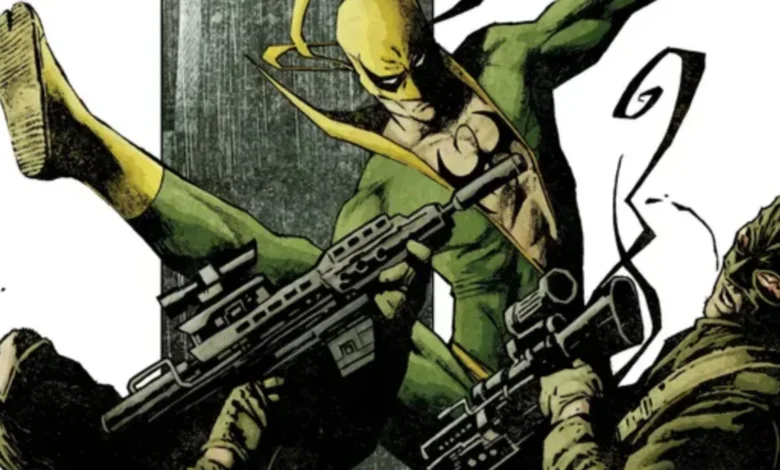
Two decades have passed since Marvel Comics launched a title that would quietly redefine one of its most idiosyncratic heroes, proving that even mid-tier characters could achieve greatness under the right creative stewardship.
Published in an era dominated by universe-shaking crossover events, Immortal Iron Fist debuted in January 2007 without the immediate blockbuster sales numbers of titles like Civil War or Planet Hulk. Yet, looking back at the series twenty years later, comic book historians and critics recognize it as a masterclass in modernizing legacy characters. Spearheaded by writers Ed Brubaker and Matt Fraction alongside artist David Aja, the series elevated Danny Rand from a relic of the 1970s martial arts craze into a complex literary protagonist, while simultaneously launching some of the most influential creative careers in modern sequential art.
The 1970s Genesis and the Search for Identity
To understand the triumph of Immortal Iron Fist, one must examine the tumultuous history of Danny Rand within the Marvel Universe. The 1970s were a period of aggressive adaptation for Marvel Comics. Seeking to capture the shifting cultural zeitgeist away from the traditional cosmic and sci-fi tropes of the 1960s, the publisher turned toward contemporary cinematic trends. Following the explosive popularity of Bruce Lee and martial arts cinema, alongside the rise of blaxploitation films, Marvel diversified its lineup with characters like Shang-Chi and Luke Cage.
Created by Roy Thomas and Gil Kane, Danny Rand first appeared in Marvel Premiere #15 in May 1974. The origin story resonated with readers: young Danny, traveling with his father to the mystical, extradimensional city of K’un-L’un, is orphaned after a betrayal by his father’s business partner, Harold Meachum. Raised by the monks of K’un-L’un, Danny masters their fighting arts, plunges his fists into the molten heart of the dragon Shou-Lao the Undying, and earns the legendary power of the Iron Fist before returning to New York to seek vengeance and eventual redemption.
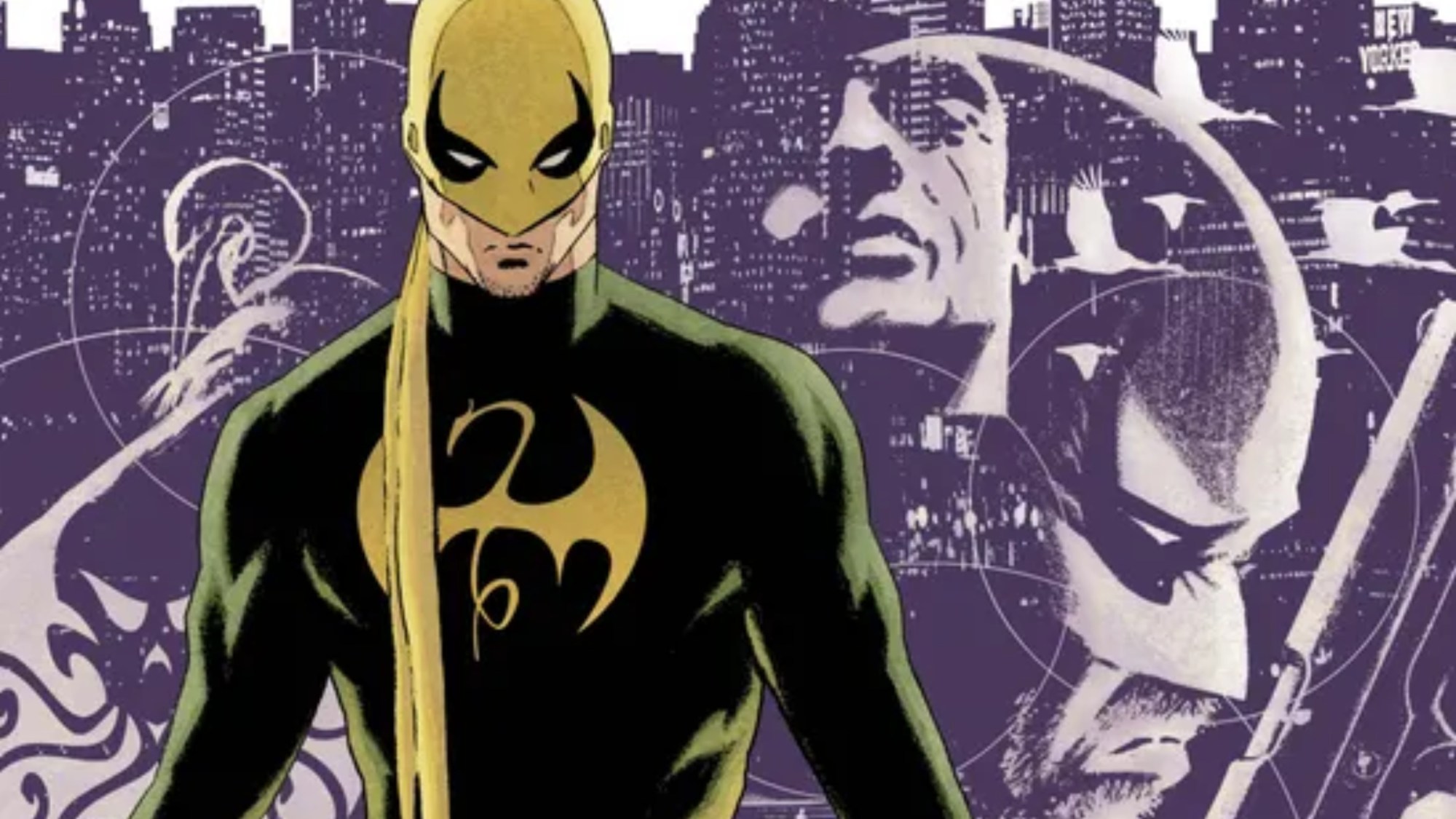
While Danny enjoyed a successful run of solo adventures—notably featuring foundational work by legendary creators Chris Claremont and John Byrne—and a celebrated partnership with Luke Cage in Power Man and Iron Fist, the character’s fortunes waned significantly. By the 1980s, the explosion of the X-Men franchise and an industry-wide shift toward mutant-centric storytelling pushed many of Marvel’s street-level heroes to the margins. Throughout the 1990s, Iron Fist languished in publication limbo, frequently relegated to guest appearances, minor team books, or out-of-print back issue bins.
A Bold Creative Shift: Expanding the Mythos
The resurgence of Marvel’s street-level publishing strategy in the mid-2000s opened the door for Danny Rand’s return. Following the commercial success of Brian Michael Bendis’s revitalization of Luke Cage in Alias and New Avengers, Marvel turned its attention to the Iron Fist mantle.
Rather than simply rehashing the standard fish-out-of-water martial artist trope, the editorial team handed the reins to Ed Brubaker—then fresh off his critically acclaimed, noir-infused run on Captain America—alongside co-writer Matt Fraction and relative newcomer artist David Aja. The creative team made a pivotal structural decision: they would not merely chronicle Danny Rand’s present-day adventures, but would instead blow the doors off the character’s history by exploring the deep, generational lineage of the Iron Fist.
Through the concept of the Seven Capital Cities of Heaven and the introduction of previous wielders of the power—most notably Orson Randall, a World War I veteran haunted by the trenches of the Somme—Brubaker and Fraction expanded K’un-L’un from a static mythical origin point into a vast, interconnected geopolitical and mystical landscape. This historical framing transformed the Iron Fist from a solitary superhero title into an expansive martial arts epic that incorporated elements of espionage, corporate intrigue, and historical tragedy.
Critical Acclaim Versus Commercial Realities
Upon its release, Immortal Iron Fist was immediately recognized by comic book critics as a standout monthly publication. David Aja’s minimalist, dynamic panel layouts and stark color palettes gave the book an unmistakable visual identity that mirrored classic samurai cinema and European bande dessinée.

However, the book’s publishing window presented unique commercial challenges. The mid-2000s at Marvel Comics was defined by massive, high-concept crossover events that commanded the lion’s share of reader attention and retail shelf space. While Civil War tore through sales charts and titles like New Avengers and Astonishing X-Men dominated public discourse, Immortal Iron Fist existed slightly outside the mainstream editorial machinery.
Despite earning passionate word-of-mouth praise and solidifying a dedicated readership, the series struggled to break into the top tier of monthly sales charts. When Ed Brubaker and Matt Fraction departed the book, subsequent creative teams—including writer Duane Swierczynski—struggled to maintain the same lightning-in-a-bottle momentum. Subsequent attempts to anchor Danny Rand in team books, such as a brief stint with the Avengers, failed to establish long-term solo stability. Furthermore, subsequent multimedia adaptations, most notably the Netflix television series, faced critical headwinds that further complicated the character’s mainstream viability. In the years following, Marvel shifted focus within the comics medium, eventually introducing newer, diverse inheritors to the mantle, leaving Danny Rand searching for a definitive modern direction.
The Enduring Legacy of Fraction and Aja
Despite these hurdles, the impact of Immortal Iron Fist on the careers of its primary creators cannot be overstated. The artistic synergy between Matt Fraction and David Aja was forged in the pages of K’un-L’un and the streets of New York, laying the direct technical and stylistic groundwork for their legendary 2012 Hawkeye series. That subsequent run would go on to win multiple Eisner Awards and fundamentally change the visual and narrative language of modern superhero comics.
From a retrospective standpoint, Immortal Iron Fist exemplifies a rare editorial triumph: taking a dormant, undervalued intellectual property and executing a creative reinvention that honors its history while pushing its boundaries into entirely new territory. Two decades later, the initial twelve-issue run by Brubaker, Fraction, and Aja stands as a timeless graphic novel experience—a work that proves a superhero comic does not require massive sales or universal event tie-ins to achieve artistic immortality.