The Untold Legacy of 1990s Television: Three Groundbreaking Shows That Shaped Modern Media

The landscape of 1990s television is frequently defined by a select group of towering cultural monoliths. Series such as Friends, Seinfeld, The X-Files, and ER dominated the Nielsen ratings of the era, capturing the collective attention of millions and securing permanent positions in modern pop-culture history. However, the decade’s television ecosystem was far more vast and experimental than syndication schedules and streaming algorithms suggest. Beneath the surface of these household names lies a graveyard of overlooked programming—series that either struggled to find contemporary audiences or simply failed to maintain the mainstream momentum required for long-term cultural retention.
Yet, historical obscurity does not equate to creative insignificance. A critical examination of late-20th-century television reveals that several of the most innovative, genre-defining shows of the 1990s have been largely forgotten by contemporary viewers, even as their DNA survives in nearly every corner of twenty-first-century prestige television. Far from being mere footnotes, these programs introduced narrative structures, tonal shifts, and character dynamics that permanently altered the trajectory of police procedurals, workplace comedies, and teen dramas.
The Evolution of the 1990s Television Landscape
To understand the profound impact of these overlooked series, one must contextualize the broader television environment of the 1990s. The decade marked a transitional phase between the traditional network television model—dominated by self-contained episodes, broad appeal, and strict censorship—and the serialized, complex "Golden Age" of television that emerged in the late 1990s and early 2000s via cable networks like HBO.
During the early ’90s, the emergence of the Fox network fractured the traditional Big Three network oligopoly, creating space for riskier, demographically targeted programming. Concurrently, the growth of cable networks and the syndication market meant that networks were increasingly willing to experiment with formats that defied standard television tropes. Shows that challenged traditional structures often suffered in real-time ratings, falling victim to premature cancellations or scheduling shifts, but their creative risks laid the structural groundwork for the streaming era. Industry analysts frequently point to this decade as the laboratory where modern television storytelling was forged.
Homicide: Life on the Street and the Deconstruction of the Police Procedural
Before premium cable networks redefined the crime genre with serialized explorations of moral ambiguity, network television relied almost exclusively on the tidy, self-contained procedural format. In these traditional narratives, a crime was committed at the top of the hour, investigated by detached professionals, and neatly solved within sixty minutes, with little to no lingering psychological fallout or continuity.
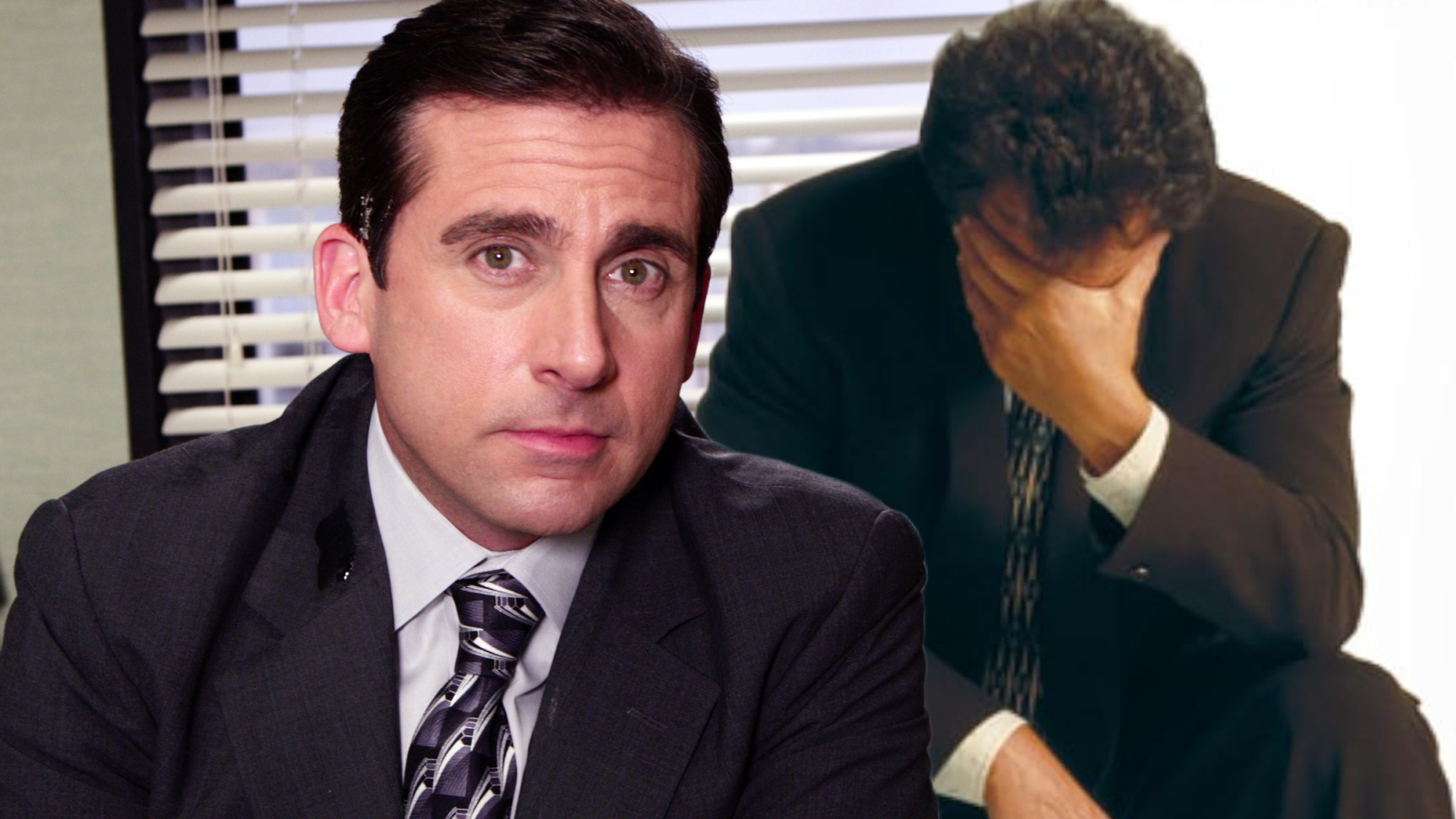
That paradigm shifted dramatically in January 1993 with the premiere of NBC’s Homicide: Life on the Street. Created by Paul Attanasio and based on David Simon’s non-fiction book Homicide: A Year on the Killing Streets, the series followed the abrasive, highly caffeinated, and frequently frustrated detectives of the Baltimore Police Department’s homicide unit.
Unlike its contemporaries, Homicide abandoned glossy aesthetics and comforting resolutions. The detectives operated out of a drab, chaotic squadroom—famously referred to as "The Box," where interrogations were conducted under glaring lights and suffocating psychological pressure. Cases were frequently left unsolved, perpetrators walked free due to technicalities, and the detectives themselves were depicted as deeply flawed, stressed individuals battling burnout, divorce, and existential fatigue.
Industry historians note that Homicide pioneered several techniques that are now standard across television crime dramas, including handheld camera work, rapid-fire overlapping dialogue, and serialized character arcs that tracked the psychological toll of violence over multiple seasons. Despite winning critical acclaim and multiple Emmy Awards, the series struggled with low ratings throughout its seven-season run, frequently facing cancellation threats before concluding in 1999. Its structural DNA, however, directly enabled the creation of critically lauded subsequent dramas, most notably David Simon’s landmark follow-up, The Wire.
The Larry Sanders Show and the Genesis of Modern Workplace Satire
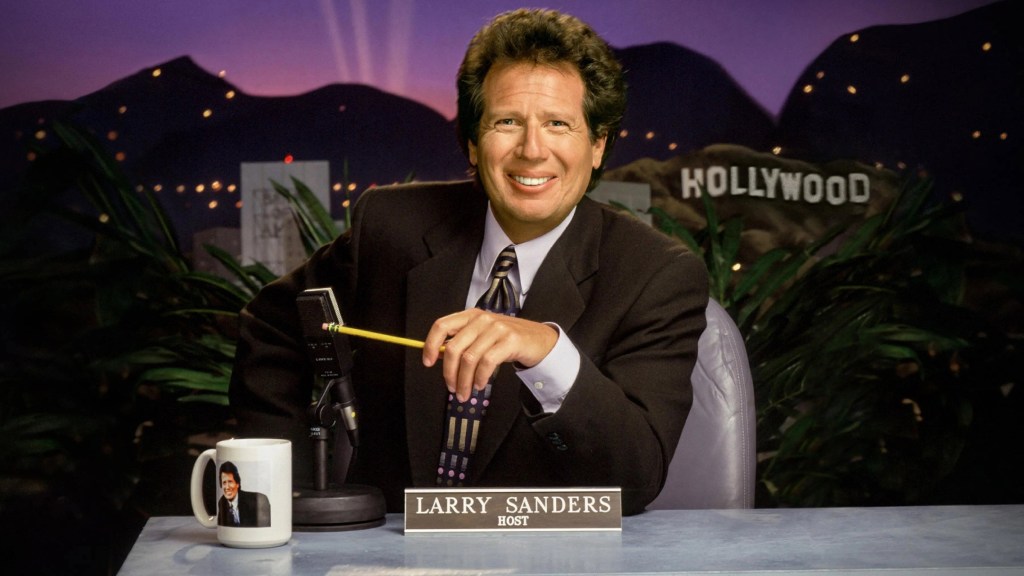
In the realm of comedy, the 1990s are overwhelmingly remembered for the traditional multi-camera sitcom filmed before a live studio audience. These shows relied on predictable setups, pause-for-applause joke delivery, and comforting domestic settings. Operating entirely outside this mainstream paradigm was The Larry Sanders Show, which aired on HBO from 1992 to 1998.
Created by Garry Shandling and Dennis Klein, the series was a single-camera workplace satire set behind the scenes of a fictional late-night talk show. Shandling starred as the neurotic, insecure host Larry Sanders, supported by Jeffrey Tambor as his hopelessly sycophantic sidekick, Hank Kingsley, and Janeane Garofalo as the sharp-tongued talent coordinator, Paula.
The Larry Sanders Show discarded the warm, empathetic tone of standard television comedies, embracing instead a cringe-inducing, uncomfortable brand of satire that exposed the raw narcissism, corporate anxiety, and fragile egos of the entertainment industry. Furthermore, the show frequently blurred the line between fiction and reality by casting real-life celebrities—including major talk show hosts, actors, and musicians—to play heightened, deeply unflattering versions of themselves.

The series’ structural and tonal impact on modern comedy cannot be overstated. By pioneering the use of uncomfortable realism, single-camera setups, and mockumentary-style pacing, The Larry Sanders Show provided the direct blueprint for a generation of critically acclaimed comedies. Creators of subsequent hits—including Ricky Gervais and Stephen Merchant (The Office), Larry David (Curb Your Enthusiasm), and Tina Fey (30 Rock)—have frequently cited Shandling’s work as a foundational influence on their own comedic philosophies. Despite its critical pedigree and numerous accolades, the show remained a niche cable offering during its original run, leaving a legacy far larger than its contemporary viewing figures suggested.
My So-Called Life and the Invention of Authentic Teenage Drama
Perhaps no television genre underwent a more radical transformation in the 1990s than the teen drama, a category previously defined by idealized, highly sanitized depictions of youth culture characterized by moralizing storylines and rapid conflict resolution. Programs aimed at adolescents typically wrapped up complex social issues within a strict thirty-to-sixty-minute window, ensuring characters returned to baseline status by the following episode.
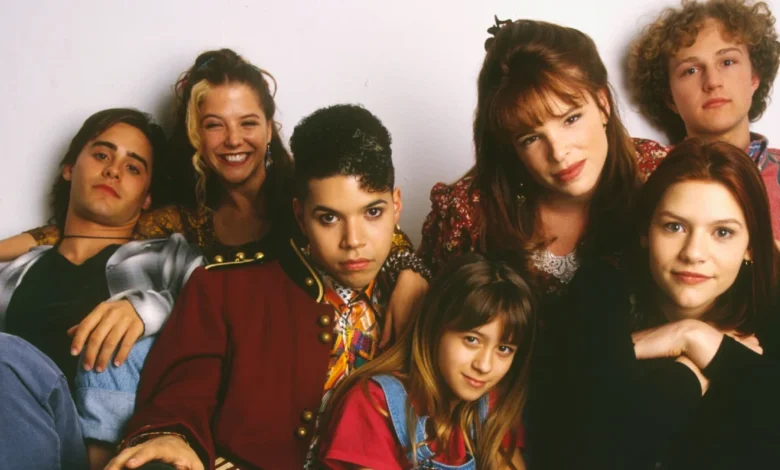
This convention was permanently shattered in August 1994 with the debut of My So-Called Life on ABC. Created by Winnie Holzman and executive produced by Marshall Herskovitz and Edward Zwick, the series followed Angela Chase (played by Claire Danes), a 15-year-old sophomore at Liberty High School in Pittsburgh, as she navigated the agonizing complexities of identity, alienation, first love, and changing friendships.
My So-Called Life approached adolescence not as a phase of comedic misadventures or melodramatic exaggeration, but as a period of genuine emotional crisis. The series tackled heavy, previously avoided subject matter—including homophobia, teen alcoholism, homelessness, child abuse, and body image issues—with empathy and restraint. Crucially, the show introduced serialized storytelling to the teen genre, ensuring that the emotional scars and developmental shifts experienced by the characters carried over from week to week.
Despite widespread critical acclaim and an intensely dedicated fan base, the series was plagued by low initial ratings, largely driven by the network’s scheduling it against powerhouse competitors like Mad About You and its high production costs. ABC formally canceled the series in 1995 after a single season of 19 episodes, sparking one of the earliest coordinated fan letter-writing campaigns in internet history.
The cultural footprint of My So-Called Life, however, proved disproportionately massive. The series launched the film careers of Claire Danes and Jared Leto, while fundamentally redefining how networks marketed and produced youth-oriented television. In the wake of its cancellation, the structural framework established by Holzman was adopted and refined by a new wave of teen dramas in the late ’90s and early 2000s, including Dawson’s Creek, Buffy the Vampire Slayer, Gilmore Girls, and The O.C.
Fact-Based Analysis of Media Preservation and Historical Oversight
The phenomenon wherein groundbreaking television series fade from public consciousness while conventional hits endure is a well-documented subject among media historians and archivists. Industry analysts attribute this disparity to several distinct economic and systemic factors native to the late-20th-century entertainment landscape.
First, the syndication market—which heavily dictated a show’s long-term cultural footprint prior to the advent of subscription streaming services—favored high-episode-count, self-contained comedies and procedurals. Shows with continuous narrative serializations, such as My So-Called Life or Homicide: Life on the Street, were historically difficult to strip into daily syndication blocks, limiting their exposure to casual viewers outside their original broadcast windows.
Second, network acquisition strategies in the pre-digital era meant that niche or critically praised programs that failed to achieve immediate broad demographic penetration were routinely deprioritized for physical media releases (such as VHS and early DVD box sets). Delays in securing music licensing rights—a notorious hurdle for My So-Called Life—further stalled home video distribution, cutting off access for successive generations of viewers.
Finally, television scholarship suggests that shows that subvert genre conventions often experience a delayed cultural valuation. Because these series forced audiences to adapt to unfamiliar storytelling grammars, their true significance could only be measured retrospectively, after subsequent generations of creators had fully integrated their innovations into the mainstream.
Conclusion: The Enduring Echo of Forgotten Pioneers
As the television industry continues to evolve in the era of high-budget streaming content and algorithm-driven discovery, the lessons of the 1990s remain starkly relevant. The enduring cultural shadow cast by Homicide: Life on the Street, The Larry Sanders Show, and My So-Called Life demonstrates that a show’s historical importance cannot be reliably measured by its contemporary Nielsen ratings or the ubiquity of its merchandise.
By dismantling outdated formulas and demanding greater emotional and narrative complexity from their audiences, these three overlooked programs fundamentally upgraded the machinery of small-screen storytelling. Though time and shifting media landscapes may have pushed them to the margins of public memory, their structural innovations continue to inform virtually every major television genre, ensuring that their legacy remains permanently embedded in the modern media landscape.