The Walking Dead: Dead City Season Three Promises Emotional Departures and Unforeseen Reunions

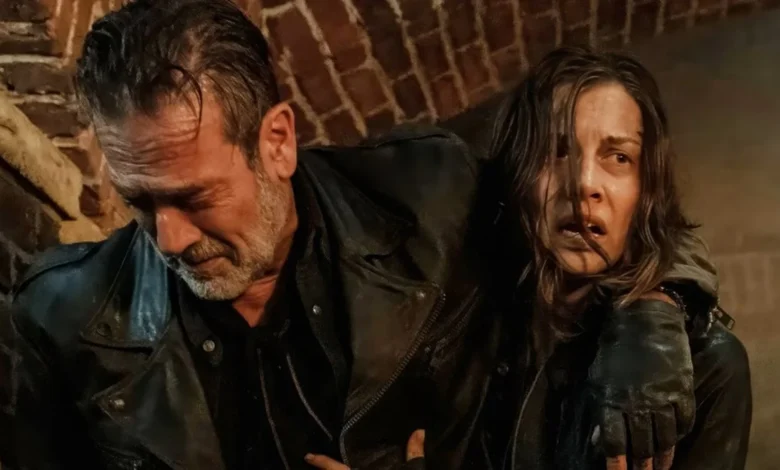
The post-apocalyptic landscape of The Walking Dead: Dead City is set to become even more intricate as the series gears up for its third season, with revelations emerging from San Diego Comic-Con (SDCC) pointing towards a particularly poignant and unexpected narrative arc. The flagship AMC series, which spun off from the original The Walking Dead, has consistently explored the evolving relationships and survival strategies of its core characters. Season three appears poised to delve deeper into Maggie Rhee’s emotional core, primarily through a storyline that promises to revisit a profoundly significant loss from her past: the death of her sister, Beth.
SDCC Unveils a Shocking Twist: Beth’s Return in an Alternate Reality
The most significant revelation from the Dead City panel at SDCC, a pivotal event in the entertainment calendar typically held in July, was the announcement of Beth Greene’s return. However, this resurrection is not a straightforward revival within the established timeline. Instead, fans can anticipate an alternate reality episode, a narrative device that allows for exploration of "what if" scenarios. This concept suggests a departure from the grim realities of walker-infested New York City, offering a glimpse into a world where the apocalypse never occurred and Beth, Maggie’s younger sister, survived.
For long-time viewers of The Walking Dead universe, Beth’s demise in Season 5 remains one of the most emotionally devastating moments. Her tragic death at Grady Memorial Hospital, a result of a gunshot wound inflicted by Dawn Lerner, was indelibly etched in the minds of the audience. The scene, depicting Daryl Dixon cradling her lifeless body while a heartbroken Maggie mourned, underscored the brutal realities of their world and the profound personal sacrifices demanded by survival. The upcoming alternate reality episode is poised to revisit this trauma, offering a stark contrast to the harshness of the present.
Maggie’s Shifting Alliances and New York’s Uncertain Future

Season three of Dead City finds Maggie Rhee in a precarious position. Her relationship with Negan, the man responsible for her husband Glenn’s death, remains fraught with tension and distrust. This volatile dynamic is further complicated by her son, Herschel, whose allegiance appears to have shifted towards the enigmatic Dama. Trailers suggest Maggie’s determination to establish a foothold in New York City, not merely as a survivor but as someone seeking a semblance of home. Her primary motivations remain the safety and rescue of her son and other imperiled individuals, a testament to her enduring maternal instincts and leadership qualities.
Negan, portrayed by Jeffrey Dean Morgan, is also navigating a complex path in the post-apocalyptic landscape of New York. Early footage suggests a shift in his character’s trajectory, hinting at a more introspective or perhaps even eccentric phase as he encounters new individuals and environments, including a peculiar establishment run by an enigmatic figure. This exploration of Negan’s evolving persona, particularly his interactions with those he deems "weird," promises to add further layers to his already multifaceted character.
Beth’s Legacy: A Fond Remembrance and a Narrative Device
The impact of Beth’s death on Maggie has been a recurring theme throughout The Walking Dead saga. Maggie has consistently expressed the enduring pain of her sister’s loss, a sentiment that has shaped her character and her approach to leadership. The introduction of an alternate reality episode centered on Beth’s survival serves as a powerful narrative tool to explore this unresolved grief and offer a cathartic, albeit fictional, resolution.
Lauren Cohan, the actress portraying Maggie Rhee, has publicly declared this alternate universe episode as her personal favorite within her extensive tenure in The Walking Dead universe, spanning over 16 years. This endorsement suggests a deeply personal and emotionally resonant storyline for her character. The prospect of witnessing Maggie and Beth reunited, even in a fabricated reality, holds immense potential for emotional impact on both the characters and the audience.
The "Hallmark Episode" Concept: A Glimpse of a Brighter Past
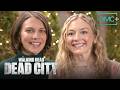
Jeffrey Dean Morgan’s description of the Christmas-themed alternate reality episode as a "Hallmark episode" provides a humorous yet insightful preview. This characterization hints at a departure from the typical bleakness of the series, suggesting a more lighthearted, perhaps even romanticized, portrayal of a world free from the constant threat of the undead. For fans who have followed the emotional journeys of these characters through years of hardship, the idea of seeing them in a simpler, happier existence is undoubtedly appealing.
The concept of alternate universe episodes, often referred to as "What If?" scenarios, has a rich history in science fiction and fantasy storytelling. They allow creators to explore character development and thematic elements in ways that might be impossible within the confines of a strict chronological narrative. In the context of The Walking Dead, such an episode can serve to highlight the profound impact of the apocalypse by showcasing the stark contrast of a world where ordinary life persists. This could offer a renewed appreciation for the resilience of the human spirit and the bonds forged in the crucible of survival.
Broader Implications for The Walking Dead Universe
The inclusion of an alternate reality episode in Dead City season three signifies a creative expansion of the The Walking Dead universe. This approach demonstrates a willingness by the producers to experiment with narrative structures and explore the emotional landscapes of its characters in novel ways. Such deviations can reinvigorate long-running franchises by introducing fresh perspectives and engaging the audience with familiar faces in unexpected contexts.
Furthermore, this narrative choice can serve to underscore the enduring themes of loss, memory, and the search for hope that have been central to The Walking Dead since its inception. By presenting a vision of what might have been, the series can amplify the emotional weight of the characters’ present struggles and their ongoing fight for a better future. The impact of such an episode could resonate deeply with fans, offering a moment of reflection on the sacrifices made and the enduring power of familial bonds, even in the face of unimaginable adversity. The success of this narrative gamble will likely depend on its execution, but the potential for a deeply moving and memorable installment is undeniable. The anticipation for The Walking Dead: Dead City season three is undoubtedly heightened by these promising, albeit bittersweet, revelations.