“Leviathan Freedom”: Marc Guggenheim on seeing history as space opera | Slice of SciFi

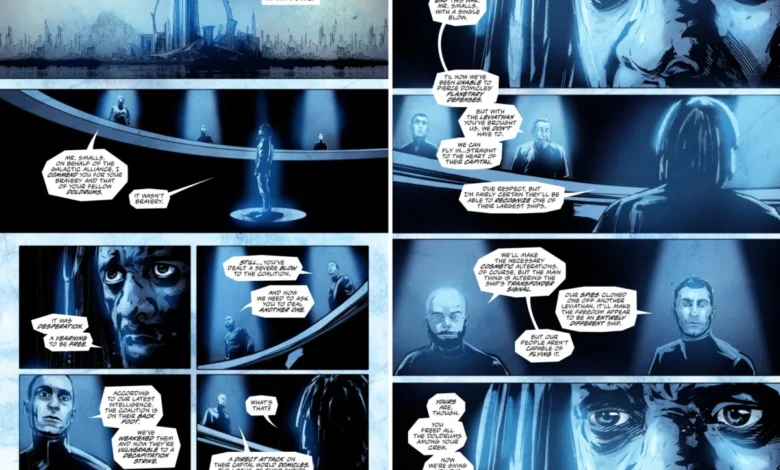
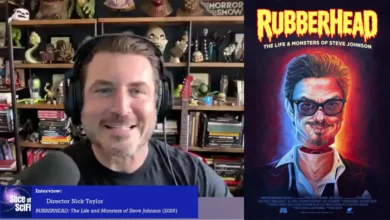
Renowned writer and producer Marc Guggenheim recently appeared on the Slice of SciFi podcast to discuss his latest comic book venture, Leviathan Freedom. Created in collaboration with rock legend Tom Morello and illustrated by artist Szymon Kudranski, the limited series reimagines a monumental moment from American history through the lens of a sweeping, high-stakes space opera. Published via Comixology Originals, the five-issue series translates a true narrative of bravery, tactical brilliance, and liberation from the Antebellum South into an interstellar epic complete with starships, planetary conflicts, and futuristic dystopian empires.
The core inspiration behind Leviathan Freedom is rooted in the remarkable true-life story of Robert Smalls. Born into slavery in South Carolina in 1839, Smalls engineered one of the most daring and ingenious escapes of the American Civil War. Serving as a pilot on the CSS Planter, a heavily armed Confederate military transport steamer stationed in Charleston, Smalls executed a meticulously planned operation on the night of May 13, 1862. While the vessel’s white Confederate officers were ashore, Smalls—along with a crew of fellow enslaved crewmen, their families, and other passengers—assumed control of the ship. Donning the captain’s straw hat and mimicking his mannerisms, Smalls navigated the heavily fortified Confederate harbor, successfully passing through checkpoint after checkpoint. He surrendered the vessel to the Union Navy blockade, providing the North with invaluable intelligence, advanced weaponry, and the Planter itself, which was subsequently integrated into the Union fleet. Smalls later used the bounty money from the capture to purchase his former master’s home and went on to have a distinguished career as a businessman and a United States Congressman during the Reconstruction era.
In transforming this profound historical account into a science fiction narrative, Guggenheim and Morello sought to preserve the emotional core of Smalls’ struggle while utilizing the expansive creative canvas of the space opera genre. During his interview on Slice of SciFi, Guggenheim elaborated on the philosophy of viewing historical milestones through a futuristic or fantastical framework. By substituting historical terrestrial landscapes with alien worlds and substituting nineteenth-century naval machinery with futuristic starships, the creative team aims to introduce contemporary readers to historical heroism in a fresh, engaging format. The final installment of the series, Leviathan Freedom #5, arrived on October 13, bringing the sweeping galactic narrative to a climactic conclusion and cementing the project as a unique intersection of historical documentation and speculative fiction.
The Collaboration Between Guggenheim and Morello
The partnership between Marc Guggenheim and Tom Morello brings together two distinct creative forces known for their work within narrative-driven media and socially conscious art. Morello, internationally recognized as the guitarist for Rage Against the Machine and Audioslave, has long used his platform to highlight historical struggles for justice, civil rights, and labor movements. Translating these themes into a science fiction comic book medium allowed Morello and Guggenheim to explore the universal nature of oppression and rebellion.
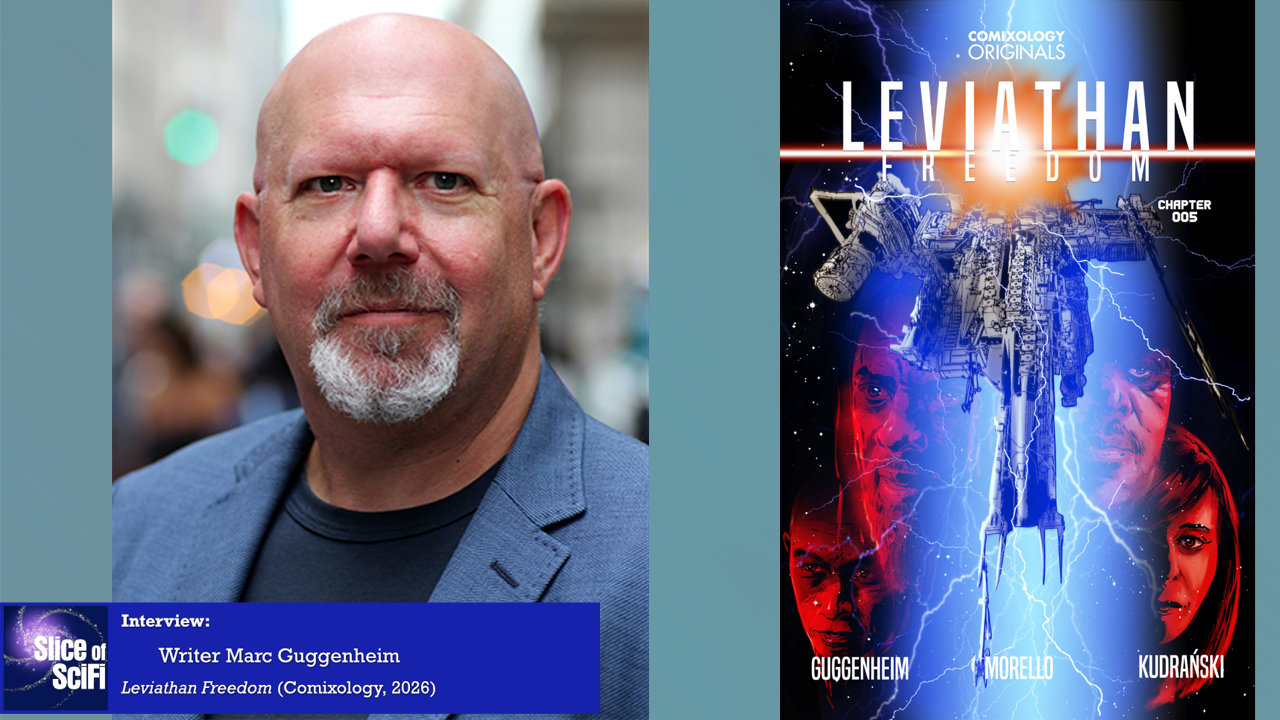
Illustrator Szymon Kudranski brings the sprawling universe of Leviathan Freedom to visual life, employing a moody, dynamic artistic style that emphasizes the gritty reality of interstellar travel alongside the grandiose scale of planetary warfare. The visual design of the starships and extraterrestrial environments serves to mirror the claustrophobia and perilous nature of navigating a warship through hostile waters, drawing direct visual parallels to the historic Charleston harbor escape of 1862.
Chronology of the Project and Release
The development and rollout of Leviathan Freedom followed a structured timeline typical of premier digital-first comic book publishing:
- Initial Conception: The creative collaboration between Marc Guggenheim and Tom Morello began taking shape years prior to publication, driven by a mutual interest in historical emancipation narratives and speculative world-building.
- Artist Integration: Szymon Kudranski joined the project to establish the distinct aesthetic of the series, blending traditional comic art techniques with evocative, cinematic panel layouts.
- Digital Serialisation: Distributed through Amazon’s Comixology Originals platform, the series rolled out its issues sequentially, building narrative momentum leading up to the final publication.
- Conclusion: The release of Leviathan Freedom #5 on October 13 marked the completion of the five-book limited series, making the entire collected arc available for digital acquisition and collector appreciation.
Supporting Data and Literary Context
The intersection of historical non-fiction and speculative science fiction is a growing sub-genre within modern literature and graphic novels. Publishers and creators increasingly turn to speculative frameworks to engage younger demographics or audiences who might otherwise bypass traditional historical texts. According to industry trend reports in digital comics distribution, historical fiction adaptations—particularly those incorporating elements of science fiction, steampunk, or alternate history—have seen a notable rise in readership over the past decade.
By grounding fantastical elements in verified historical biographies, creators like Guggenheim and Morello provide a gateway for readers to explore the real-world events that inspired the fiction. The narrative structure of Leviathan Freedom does not dilute the historical gravity of Robert Smalls’ achievements; rather, it amplifies the stakes by projecting the concepts of human dignity, self-determination, and the fight against tyranny onto an interstellar scale.
Critical and Fan Reception
Since its rollout, Leviathan Freedom has drawn attention from both comic book critics and science fiction enthusiasts. Reviewers have praised the seamless integration of historical biography with space opera tropes, noting that the creators successfully avoid heavy-handed didacticism by focusing heavily on pacing, character development, and high-tension action sequences. The depiction of the protagonist—modeled after Smalls’ courage and strategic foresight—has been lauded as a compelling entry point for discussions regarding representation and agency in speculative media.
Furthermore, the involvement of Tom Morello has attracted crossover audiences from the music industry who are drawn to the political and social themes embedded within the narrative. The synergy between Guggenheim’s scriptwriting expertise—honed through extensive work in television and superhero comic books—and Morello’s thematic vision has resulted in a cohesive narrative structure across all five issues.
Broader Impact and Cultural Implications
The release of Leviathan Freedom underscores a broader shift in how historical narratives are preserved, retold, and consumed in the twenty-first century. By moving beyond traditional textbook retellings, artists and writers are utilizing pop culture mediums to ensure that historical figures of color who effected profound change are introduced to new generations.
Projects of this nature invite audiences to reflect on historical precedents while examining contemporary parallels regarding freedom, systemic oppression, and individual resistance. As speculative adaptations of historical events continue to gain traction, works like Leviathan Freedom demonstrate that the fundamental human desire for liberty remains a universal theme, equally at home on the high seas of nineteenth-century America as it is among the stars of a galaxy far away.