The summer of 2024 promises a significant slate of releases from Disney, with a diverse array of franchise installments and original ventures poised to capture audience attention across various genres. While the immediate focus is on the cinematic debut of a beloved streaming duo, the studio has strategically planned a robust pipeline that includes the highly anticipated return of animated favorites and a bold foray into post-apocalyptic science fiction. Leading the charge in May is The Mandalorian And Grogu, a feature film extension of the critically acclaimed Disney+ series, bringing the iconic bounty hunter and his enigmatic ward to the big screen. This cinematic outing is set to lay the groundwork for a summer that will also see the arrival of Toy Story 5 in June, a new iteration of Moana in July, and Ridley Scott’s directorial effort, The Dog Stars, in August, signaling a multifaceted entertainment offering from the House of Mouse.
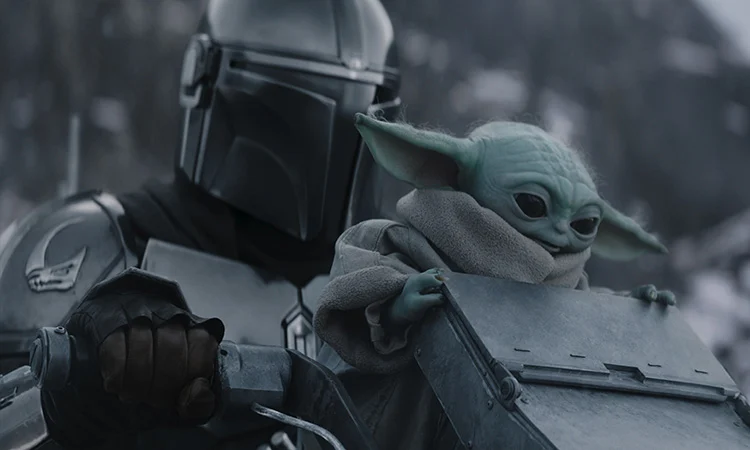
The narrative of The Mandalorian And Grogu unfolds within the established post-Imperial era of the Star Wars galaxy, a period characterized by the fragmentation of the Empire and the nascent efforts of the New Republic to consolidate its hard-won victory. In this turbulent landscape, where scattered warlords continue to pose a threat, the skilled Mandalorian, Din Djarin, portrayed by Pedro Pascal, is tasked with a critical mission. His objective is to locate and neutralize a particularly dangerous adversary. However, this assignment takes an unexpected turn, necessitating the rescue of Rotta The Hutt, the son of the infamous Jabba the Hutt, a character voiced by Jeremy Allen White. Accompanying Din Djarin on this perilous journey is his young apprentice, Grogu, whose presence, often perched on his mentor’s shoulder, has become an indelible image for fans. Together, they navigate a complex web of new and familiar underworld figures, all while evading relentless mercenary pursuit and grappling with the constant imperative to protect Grogu from the dangers of unfamiliar and hostile worlds.
For viewers who have followed the Star Wars television series, the film offers a sense of familiarity that extends beyond its central characters. While a comprehensive understanding of the expansive Star Wars lore is beneficial, it is not presented as an absolute prerequisite for enjoying the film. Nevertheless, certain narrative beats and visual sequences appear to be directly transplanted from the small-screen iterations, including a significant plot revelation that, in the context of the film’s pacing, may feel premature. This reliance on previously established elements, while intended to resonate with the existing fanbase, risks undermining the narrative’s impact and contributing to a perceived lack of originality. The film’s adherence to established fan-favorite dynamics, particularly the endearing interactions between Grogu and new characters like the Minion-esque Babu Frik and his Anzellan companions, verges on what some critics have termed "cuteness overload." This deliberate emphasis on adorable moments might elicit a wry observation from more cynical viewers, echoing the commercialism highlighted in Mel Brooks’ Spaceballs with the memorable line, "Merchandise, merchandise, merchandise!"
Despite these potential drawbacks, The Mandalorian And Grogu presents several commendable aspects. Din Djarin’s evolution from a solitary, stoic bounty hunter to a more engaged protector and strategist is evident. His commanding presence, particularly during action sequences where he rallies his allies against overwhelming odds, evokes comparisons to cinematic heroes like Maximus from Gladiator. This character progression, while perhaps not perfectly aligned with the film’s soundtrack, effectively deepens the bond between Mando and characters he initially encountered as adversaries. The portrayal of Rotta The Hutt is a notable achievement. Voiced with expressiveness by Jeremy Allen White, and brought to life through advanced CGI, Rotta emerges as a character possessing unexpected depth. His departure from his father’s notorious persona, while retaining a physical resemblance, allows for a nuanced exploration of his personality, presenting him as a far cry from conventionally "cute." The visual design of the film is another area where significant resources appear to have been allocated. Director Jon Favreau and his creative team have evidently prioritized the creation of compelling action sequences, featuring striking extraterrestrial landscapes and formidable, often grotesque, creatures that rigorously test Mando’s resilience and combat prowess.
Reports circulating following initial screenings of The Mandalorian And Grogu suggest a degree of apprehension within Disney regarding its reception. While the film undoubtedly succeeds as an entertaining space opera, delivering sufficient large-scale action to maintain audience engagement, the underlying substance may fall short of providing the profound satisfaction associated with witnessing a truly exceptional cinematic achievement. The film, in essence, delivers a compelling spectacle but may not offer the lasting thematic resonance or emotional depth that elevates a movie from merely good to great. The ultimate question remains whether this ambitious cinematic expansion of a beloved series will indeed prove to be "the way" forward for the franchise on the silver screen.
Star Wars: The Mandalorian And Grogu is scheduled for its cinematic release in the United Kingdom on May 22nd, marking the beginning of a significant summer for Disney’s blockbuster franchises. This film’s arrival precedes a series of major releases, including the animated sequel Toy Story 5, slated for June, and a reimagined Moana film in July. The summer’s cinematic slate will culminate in August with the release of Ridley Scott’s directorial venture, The Dog Stars, a post-dystopian action film co-produced with Disney, indicating the studio’s commitment to a diverse and high-profile summer release schedule.
Background and Context of The Mandalorian Franchise
The journey of Din Djarin and Grogu began on Disney+ in November 2019, with the premiere of The Mandalorian. The series was conceived as a flagship property for the then-new streaming service, aiming to capitalize on the enduring popularity of the Star Wars saga and attract a broad audience. Set approximately five years after the events of Star Wars: Episode VI – Return of the Jedi, the series introduced a galaxy still grappling with the aftermath of the Galactic Civil War. The fall of the Galactic Empire left a power vacuum, allowing various criminal syndicates and warlords to operate with relative impunity across the Outer Rim.
The core appeal of the series lay in its return to the roots of Star Wars storytelling, focusing on a lone, skilled operative navigating a dangerous universe. Din Djarin, a bounty hunter belonging to a strict Mandalorian creed that emphasizes living by the "way," became an instant fan favorite. His stoic demeanor, impressive combat skills, and unwavering commitment to his code resonated with audiences. The introduction of Grogu, a Force-sensitive child of the same species as Yoda, added an unexpected emotional anchor and a potent source of merchandising potential. The "Mando-verse," as the interconnected stories within this era have come to be known, has since expanded to include series like The Book of Boba Fett and Ahsoka, further developing the characters and political landscape of this post-Imperial period.
The decision to translate The Mandalorian into a feature film for theatrical release is a strategic move by Disney. It reflects a broader trend in the entertainment industry of leveraging successful streaming intellectual property for theatrical expansion, aiming to generate significant box office revenue and introduce these characters to a wider, non-streaming audience. The success of the series on Disney+, which boasts over 150 million subscribers globally as of early 2024, provides a strong foundation of built-in viewership. The film is expected to draw heavily from this existing fanbase while also aiming to attract new viewers drawn by the Star Wars brand and the promise of a high-octane cinematic adventure.
The Galactic Political Landscape
The narrative of The Mandalorian And Grogu is intrinsically linked to the political instability of the New Republic era. The Empire, though defeated at the Battle of Endor in Return of the Jedi, did not vanish entirely. Its remnants fractured into various factions, often led by ambitious warlords who continued to wage war and exert control over territories beyond the New Republic’s immediate reach. This ongoing threat necessitates the mobilization of the New Republic’s limited resources and the engagement of skilled individuals like Din Djarin.
The New Republic itself, while victorious, faces significant challenges in establishing and maintaining order across a vast galaxy. Its structure is characterized by a decentralized governance system, with individual systems retaining a degree of autonomy. This can lead to bureaucratic inefficiencies and a slower response to emergent threats, making the role of independent operatives crucial. The presence of Hutts, such as Rotta’s father Jabba, further complicates the galactic power dynamic. The Hutt Cartel, renowned for its criminal enterprises, drug trafficking, and slaving operations, represents a persistent underworld influence that the New Republic struggles to eradicate. The rescue of Rotta, therefore, is not merely a personal mission but has implications for the ongoing struggle against organized crime and the restoration of law and order.
Supporting Data and Franchise Performance
The Star Wars franchise has consistently been a juggernaut in the entertainment industry. Since its acquisition by Lucasfilm in 2012, Disney has overseen a significant expansion of the universe, including a new trilogy of films, multiple live-action series, animated shows, video games, and theme park attractions. The original trilogy of films, released between 1977 and 1983, grossed over $1.8 billion worldwide (unadjusted for inflation). The prequel trilogy (1999-2005) added another $2.5 billion. The sequel trilogy (2015-2019) further bolstered the franchise’s box office, earning over $4.3 billion globally.
The Mandalorian series itself has been a critical and commercial success for Disney+. While specific viewership figures for individual episodes are not publicly released, the series has been credited with driving significant subscriber growth for Disney+ and has garnered numerous awards, including multiple Primetime Emmy Awards. The merchandise associated with the show, particularly Grogu-related items, has also proven to be incredibly lucrative, underscoring the character’s broad appeal and commercial viability. The success of the series has paved the way for spin-off shows and, now, a feature film, demonstrating Disney’s confidence in the continued strength of the Star Wars brand and its ability to translate animated and streaming success into theatrical hits.
Potential Implications and Broader Impact
The release of The Mandalorian And Grogu in cinemas represents a significant strategic decision for Disney. It signifies a potential shift in how successful streaming properties are leveraged, with an increased emphasis on theatrical releases to maximize revenue and broaden audience reach. If successful, this approach could pave the way for other Disney+ originals to make the leap to the big screen. Furthermore, the film’s performance will likely influence future Star Wars film production decisions. The franchise has seen a recent lull in theatrical releases following Star Wars: Episode IX – The Rise of Skywalker in 2019, and The Mandalorian And Grogu could herald a new era of Star Wars cinematic storytelling.
The film’s narrative, focusing on established characters and a familiar post-Imperial setting, aims to provide a bridge between the existing fanbase and newcomers. Its success could solidify the "Mando-verse" as a central pillar of the Star Wars universe for years to come, potentially influencing the direction of future films and series. Conversely, if the film fails to meet expectations, it could lead to a re-evaluation of Disney’s strategy for expanding its tentpole franchises beyond their original platforms. The film’s reception will also be closely watched as an indicator of audience appetite for Star Wars content that deviates from the Skywalker saga. The franchise’s future slate includes projects from various filmmakers and focusing on different eras and characters, suggesting a deliberate effort to diversify its cinematic offerings. The Mandalorian And Grogu is the first major test of this diversification strategy on the big screen.