A Fresh Take on a Literary Standard: Georgia Oakley and Diana Reid Bring an Earnest New Vision to Jane Austen’s Sense and Sensibility

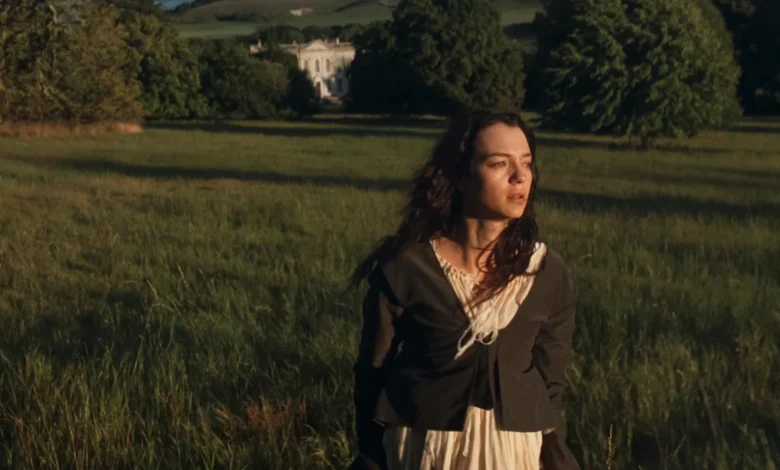
The cinematic legacy of Jane Austen’s 1811 novel, Sense and Sensibility, occupies a formidable space in cultural history. For decades, the trials of the Dashwood sisters have served as a touchstone for period drama, famously adapted by Ang Lee with a screenplay by Emma Thompson in 1995. That landmark feature, boasting an all-star cast that included Thompson, Kate Winslet, Alan Rickman, and Hugh Grant, set an exceptionally high benchmark for subsequent filmmakers. Yet, enduring literary classics possess a mutable quality, inviting successive generations to reinterpret their familiar themes through contemporary lenses. Entering this rich cinematic lineage is a new feature film adaptation directed by Georgia Oakley and scripted by Diana Reid, slated for theatrical release in the autumn of 2026. This latest iteration steps away from the overt whimsy and sardonic irony that have characterized several recent Austen adaptations, opting instead for a deeply earnest, naturalistic, and visually atmospheric exploration of sisterly survival within a rigid patriarchal framework.
Main Facts and Production Overview
The 2026 adaptation of Sense and Sensibility centers on the familiar plight of the Dashwood women, who find themselves abruptly cast adrift following the death of their patriarch. Under the strictures of the era’s inheritance laws, their home at Norland Park passes entirely to their half-brother, John, leaving his stepmother and half-sisters financially vulnerable. Coerced by his calculating wife, Fanny, John relegates the women to a precarious social standing where marriage remains their sole viable economic recourse.
The ensemble cast features Daisy Edgar-Jones as the dutiful and practical elder sister Elinor, newcomer Esmé Creed-Miles as the fiery and passionate Marianne, and young Bodhi Rae Breathnach as pint-sized Margaret. The male leads include George MacKay as the shy and gentle Edward Ferrars, Frank Dillane as the roguish and impulsive John Willoughby, and Herbert Nordrum as the brooding, mysterious colonial war hero Colonel Brandon. Supporting the core cast is Fiona Shaw, whose portrayal of the meddlesome yet warm-hearted Mrs. Jennings provides comic relief and narrative momentum.
Rather than leaning into the modern, high-energy aesthetic sometimes favored by contemporary period pieces—or the Tumblr-era romanticism of recent Austen revivals—director Georgia Oakley and screenwriter Diana Reid anchor their film in a somber, autumnal palette. Production designer Francesca Di Mottola has crafted a pastoral, almost primordial setting where untamed wilderness constantly threatens the fragile civility of Regency society.
Background Context and Chronological Development
Jane Austen’s original novel was published anonymously in 1811 under the simple attribution "By a Lady," eventually establishing her as a foundational voice in English literature. Over the past century, the text has transitioned from a satirical commentary on early 19th-century manners to a globally recognized blueprint for romantic drama.
The chronology of cinematic adaptations has seen significant milestones, most notably the 1995 film directed by Ang Lee, which grossed over $135 million worldwide and garnered seven Academy Award nominations, winning Best Adapted Screenplay for Emma Thompson. In the years following, filmmakers have continually tinkered with the source material, introducing elements of magical realism, heightened comedy, or diverse casting to keep the narratives relevant to modern audiences.
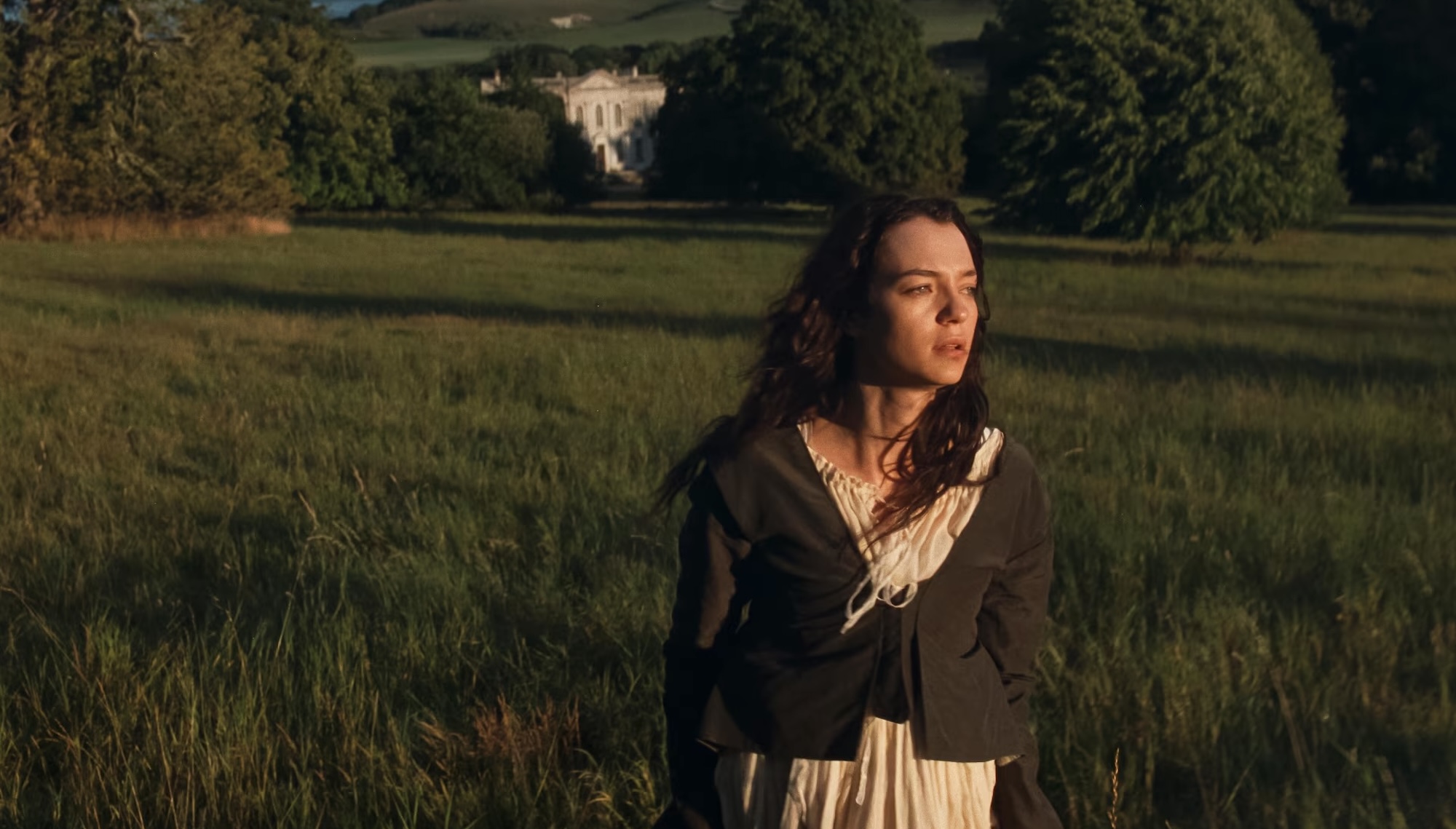
The development of the Oakley-Reid production began quietly as financiers and studios sought fresh perspectives on timeless intellectual properties. By enlisting Georgia Oakley—acclaimed for her precision in directing character-driven psychological dramas—and Diana Reid, the production signaled an intentional pivot away from lighthearted romance toward a grittier, more grounded examination of class, gender constraints, and familial obligation. Principal photography utilized remote, rugged British landscapes to emphasize the harsh economic realities faced by women who lacked independent legal and financial agency during the Regency era.
Supporting Data and Character Analysis
Critical reception from early festival screenings highlights several distinct structural choices made by the filmmakers. Notably, the runtime and narrative focus deliberately sidestep certain iconic set-pieces that have become internet memes and fan-favorite touchstones since the 1995 release. For instance, the infamous onscreen confrontation between the ruthless Fanny and the enterprising Lucy Steele is discreetly bypassed, as is the elaborate double-wedding sequence that traditionally concludes the narrative arc.
Instead, the film shifts its primary emotional weight toward the bond between Elinor and Marianne. While Daisy Edgar-Jones delivers a serviceable, appropriately restrained performance as Elinor—the archetypal good daughter who shoulders her burdens in silence—it is Esmé Creed-Miles’s portrayal of Marianne that commands the screen. Introduced barefoot and running through a wild forest, Creed-Miles’s Marianne rejects the sanitized, delicate tropes of historical heroines, injecting a palpable sense of genuine anger and feral survival instinct into the narrative.
Supporting performances also reinforce this thematic heaviness. George MacKay’s Edward Ferrars remains appropriately bashful, though critics note that his romance with Elinor feels somewhat pro forma compared to the intense, survival-driven dynamics shared between the sisters. Conversely, Frank Dillane’s Willoughby and Herbert Nordrum’s Colonel Brandon navigate their rivalry with a nuanced, wry resolution that subverts traditional villain-hero binaries. Fiona Shaw’s turn as Mrs. Jennings anchors the lighter social interactions, preventing the picture from descending entirely into unrelenting gloom.
Broader Impact and Industry Implications
The release strategy for the 2026 adaptation spans two major territories, opening in the United Kingdom on September 25, followed by a United States theatrical rollout on October 16. Industry analysts view the film as a litmus test for how classic literary adaptations can successfully target bifurcated audiences: older demographics nostalgically attached to the 1995 cinematic standard versus younger, Gen-Z and Millennial viewers encountering the material through a more naturalistic, gritty lens.
By choosing not to modernize the dialogue with anachronistic slang or overtly revisionist plotting, Oakley and Reid have instead modernized the text through tone. The film portrays the English marriage market not merely as a social game, but as a Darwinian system where sisterly solidarity is the only true shield against destitution.
Whether this solemn, autumnal interpretation will achieve the multi-generational staying power of its 1990s predecessor remains to be seen. Industry observers suggest that while older cinephiles may cling to the sunlit nostalgia of earlier versions, younger audiences experiencing the Dashwood saga for the first time—or revisiting it beyond high school literature curricula—may well adopt this earnest, grounded iteration as their defining cultural touchstone. As studios continue to mine public-domain literature for reliable intellectual property, the success of Sense and Sensibility will likely influence how future period dramas balance reverence for established texts with the demand for contemporary thematic relevance.