Amazing Spider-Man #1000 Leads Bleeding Cool Headlines as Industry Retrospectives Highlight Decades of Comic Book History

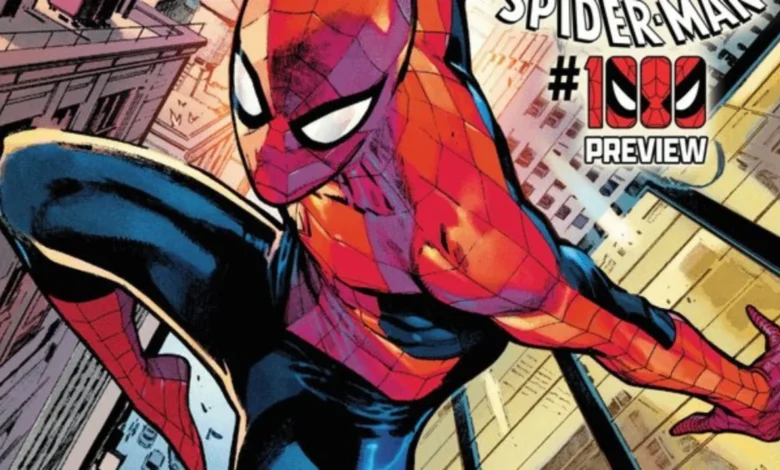
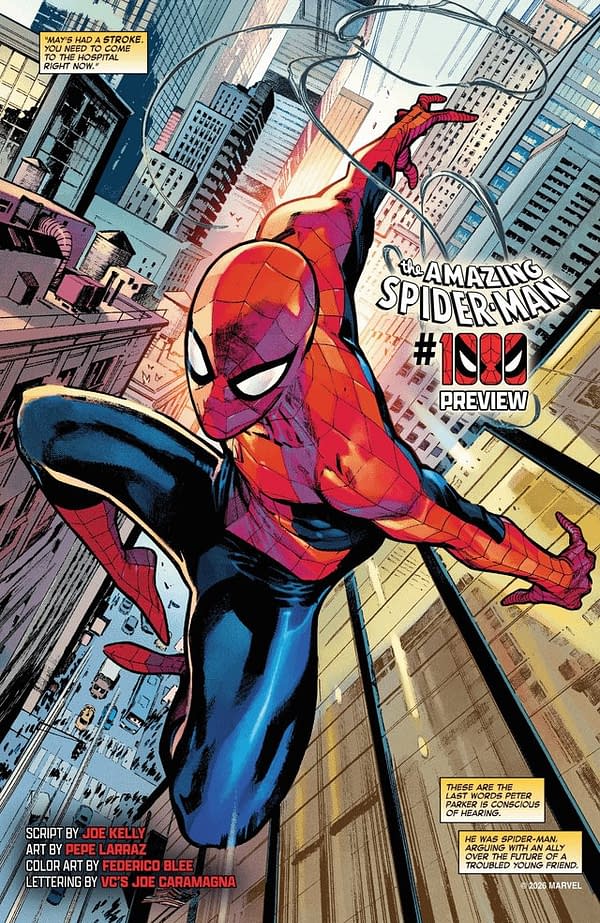
The comic book industry continues to evolve through shifting creative landscapes, milestone publications, and digital retrospectives. Leading the conversation across pop culture platforms, preview details surrounding the landmark issue Amazing Spider-Man #1000 captured the highest level of reader engagement on Bleeding Cool, dominating daily traffic metrics. This milestone spotlight underscores the enduring cultural footprint of Marvel’s flagship web-slinger, while simultaneously offering a window into how comic book journalism tracks industry milestones, historical anniversaries, and shifting readership trends over extended periods.

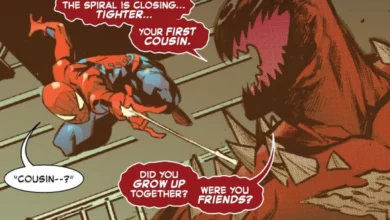
The Milestone Significance of Amazing Spider-Man #1000
Milestone issues in long-running comic book series serve as critical junctures for publishers, creative teams, and dedicated fans alike. Amazing Spider-Man #1000 represents a massive numerical threshold for a title that has defined superhero comic book publishing for over six decades. Created initially by Stan Lee and Steve Ditko in 1962, Peter Parker’s adventures have undergone numerous relaunches, renumbering initiatives, and monumental narrative arcs.
Previews and early promotional material surrounding issue #1000 have sparked intense speculation and discussion within the comic book community. Questions regarding continuity, long-standing supporting characters—such as recent prompts surrounding Aunt May’s memory of Peter Parker—and high-profile creative rosters have consistently driven fan engagement. In the modern era of comic book publishing, milestone issues are rarely just single narrative chapters; they function as celebratory anthologies, retrospective celebrations, and launchpads for the character’s next major publishing eras.
The Evolution of Daily Comic Book Journalism: Looking Back at Lying In The Gutters
The dominance of Amazing Spider-Man #1000 in daily traffic metrics was highlighted through Lying In The Gutters (LITG), Bleeding Cool’s long-running daily news roundup column. Operating for seventeen years in its current digital format—and built upon an additional seventeen years of industry gossip and reporting by founder Rich Johnston—the column aggregates the most-read stories of the prior day while providing historical reflections on what the industry was discussing in previous years.
This historical continuity allows industry observers to trace how comic book news cycles have transformed over time. By maintaining a public archive of past headlines, digital pop culture journalism creates a transparent timeline of major corporate shifts, creative disputes, landmark creative runs, and evolving fan interests.
A Chronological Retrospective: What the Industry Was Talking About in Past Years
Examining the historical archive of Lying In The Gutters reveals a fascinating timeline of major industry events, controversies, and product rollouts that shaped the comic book landscape over the past several years:
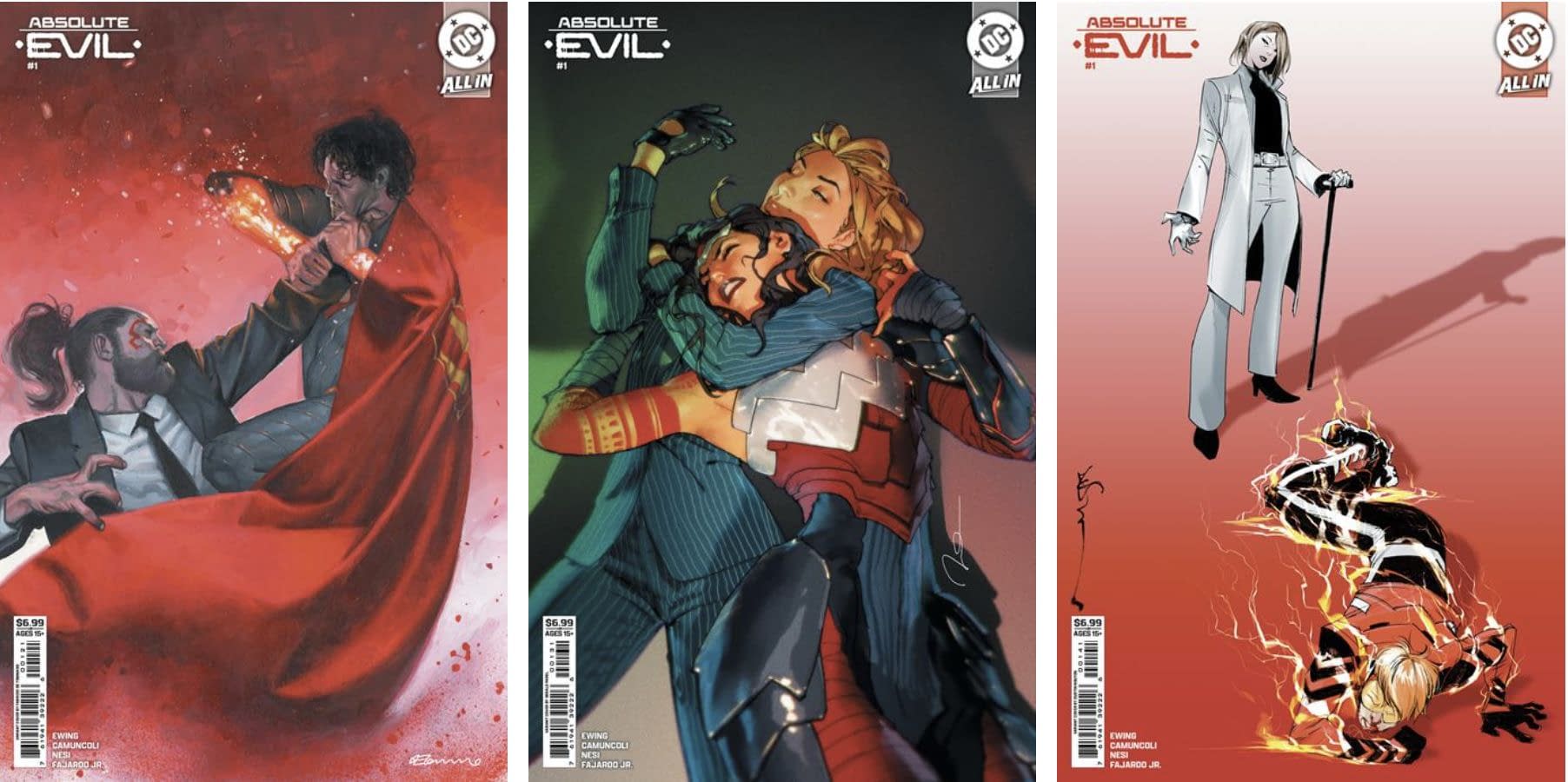
- One Year Ago: The industry was abuzz with leaked details and early gossip concerning DC Comics’ Absolute Justice League, a line-wide initiative designed to reinvent core characters in bold, alternative contexts to capture new market demographics.
- Two Years Ago: Corporate acquisitions and Hollywood’s relationship with independent comic book publishers took center stage. Reports surfaced detailing complex behind-the-scenes negotiations regarding adaptations, including streaming platform maneuvers and international publisher acquisitions involving Valiant Comics.
- Three Years Ago: Toy and collectible crossovers dominated fan discussions. Major toy manufacturers like Hasbro unveiled new collector-focused lines, while high-profile cross-brand partnerships—such as tabletop gaming collaborations and specialty action figure releases—drew massive retail attention.
- Four Years Ago: Multimedia adaptations continued to dictate print sales and fan interest, with television and cinematic projects driving renewed curiosity regarding character origins and publishing histories.
- Five Years Ago: Early promotional material, casting announcements, and production insights for major video game adaptations, such as prestige television treatments for interactive masterpieces like The Last of Us, bridged the gap between gaming culture and traditional media reporting.
- Six Years Ago: Industry veterans made headlines alongside shifting digital ecosystems, notably legendary creator Gerry Conway engaging with public discussions, while augmented reality mobile titles like Pokémon GO continued to influence pop culture daily traffic.
- Seven Years Ago: Editorial mandates and creative controversies sparked spirited debates across the web, particularly concerning editorial changes and alterations made to prominent runs on core titles like Captain America.
- Eight Years Ago: The global comic book community mourned the passing of industry luminaries, including legendary Batman artist Norm Breyfogle, whose dynamic layouts and atmospheric storytelling defined the visual language of Gotham City throughout the late 20th century.
Industry Implications and the Modern Readership Landscape
The sustained popularity of legacy characters like Spider-Man, combined with the insatiable demand for behind-the-scenes industry reporting, points to a healthy, highly engaged readership. As comic book publishers navigate the challenges of the modern marketplace—balancing direct-market comic shop distribution with digital platforms, collected editions, and cross-media synergies—milestone issues remain foundational anchors for customer retention.

Furthermore, the longevity of dedicated pop culture outlets demonstrates that fan interest extends far beyond the four-color pages themselves. Readers actively seek out structural context, creator interviews, release schedules, and historical retrospectives to contextualize their hobby. Whether analyzing the implications of a numbered milestone like Amazing Spider-Man #1000 or tracking the birthdays and milestones of industry professionals, the ecosystem surrounding comic book publishing remains deeply interconnected.
As the industry looks ahead to upcoming publishing initiatives, the ongoing dialogue between creators, publishers, and dedicated news chroniclers ensures that the rich history of the medium continues to be documented, debated, and celebrated by generations of fans worldwide.