Bungie Dismisses Wild Fan Theories as Rumors Swirl Over a Proposed Narrative Merger Between Marathon and Destiny

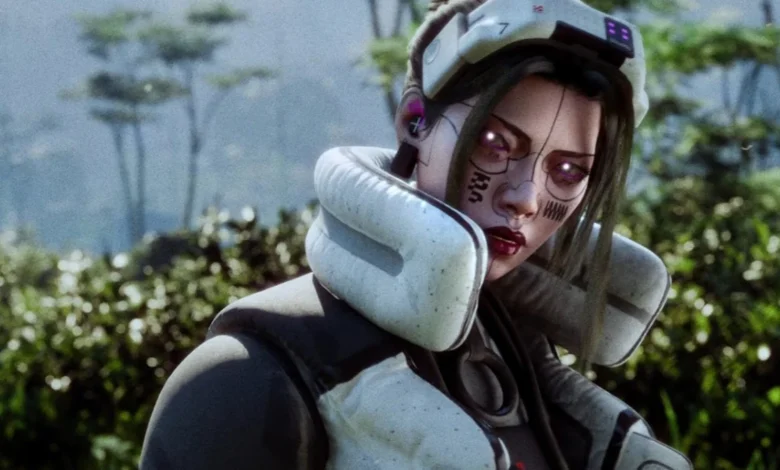
The gaming industry is no stranger to elaborate community rumors, but a recent sprawling leak originating from online forums has forced developer Bungie to formally address one of the more fantastical claims circulating within its player base. Speculation that the studio intends to merge two of its most prominent intellectual properties, Destiny and Marathon, into a single cohesive franchise has been definitively shot down by senior development staff.
The rumor mill began churning after an extensive, wide-ranging post surfaced on 4Chan before being collated and analyzed by community members on platforms like Reddit. Among the various unverified claims in the leak, the most sensational was the assertion that Bungie was actively testing the waters to intertwine the narrative universes of Destiny and Marathon. According to the false report, Marathon was supposedly intended to represent the dawn of mankind’s Golden Age within the broader timeline, designed to foreshadow future galactic threats that would eventually manifest in subsequent Destiny projects.
Official Denial from Bungie Leadership
Addressing the rumor directly on social media, Bungie veteran and Marathon Creative Director Julia Nardin stepped forward to quell the rising tide of speculation. Drawing on her extensive experience working across both franchises, Nardin provided a clear and unequivocal rejection of the narrative merger theory.
"As someone who’s worked on both Destiny and Marathon, I can confirm that the ‘leak’ about us merging the two IPs is fake," Nardin wrote. While acknowledging the shared creative DNA that stems from being crafted by the same studio, she emphasized their distinct identities. "They share a lot of the same Bungie DNA, but like siblings they’re also their own independent entities. Please don’t believe everything you read online."

Despite Nardin addressing the core narrative rumor, the broader leak touched upon numerous other operational and structural changes allegedly occurring within the Washington-based studio. While executive silence remains the standard policy for most unverified internet rumors, the explicit denial of the IP merger highlights the sensitivity surrounding both franchises as Bungie navigates a precarious transitional phase in its corporate and creative lifecycle.
The Backdrop of Corporate Restructuring and Development Shifts
To understand why such a radical leak gained traction, it is necessary to examine the tumultuous period Bungie has recently endured. The studio has faced immense public scrutiny and internal upheaval following a series of strategic shifts regarding its marquee live-service titles.
In June, Bungie delivered the final major update for Destiny 2, officially signaling an end to the active, expansive content cycles that had defined the science-fiction shooter for years. Alongside this milestone, studio leadership confirmed that all major development on Destiny 2 had ceased, ruling out any future expansions. Furthermore, executives explicitly stated that a hypothetical third installment, Destiny 3, was not currently in development, effectively placing the future of the Destiny franchise into an indefinite holding pattern.
Compounding the fatigue of the player base, Bungie enacted massive structural layoffs later that same month, parting ways with hundreds of employees as part of a broader corporate cost-cutting initiative and restructuring driven in part by parent company Sony.
Amid this corporate turbulence, the leaked documents suggested that multiple former Destiny 2 developers had been rehired or reassigned to the Marathon project. According to these unverified claims, these veteran developers were tasked with channeling concepts initially conceived for cancelled Destiny expansions and sequels directly into the development pipeline of Marathon.

Dissecting the Leak: Fact, Fiction, and Gameplay Integration
While the narrative crossover between Marathon and Destiny has been officially discredited, other elements of the leaked dossier align more closely with standard industry practices and known development trajectories.
For instance, the leak suggested that Marathon would incorporate specific mechanics pioneered in the Destiny franchise, such as reputation and faction systems, alongside the implementation of a dedicated social hub for players. Additionally, the report claimed that Bungie plans to incentivize active or returning Destiny 2 players to trial Marathon by offering exclusive cosmetic or in-game rewards tied to the completion of specific Triumphs achieved during Destiny 2’s final content update. Industry analysts note that such cross-promotional carrots represent a logical retention strategy for a studio attempting to funnel an established audience into a brand-new intellectual property.
Further adding to the conversation surrounding Marathon’s operational roadmap, the leak addressed upcoming structural changes to the game’s modes. It claimed that a recent delay affecting Marathon’s next major update—which is set to introduce a permanent Player-versus-Environment (PvE) mode—was directly linked to an internal pivot toward a free-to-play model slated for a December rollout.
According to the leaked details, this upcoming PvE mode, internally or provisionally referenced as "Investigations," is envisioned as an experiential hybrid. The concept reportedly blends the cooperative boss-hunting mechanics of Capcom’s Monster Hunter series with the frenetic, objective-based chaos of Salmon Run from Nintendo’s Splatoon franchise. The mode is said to drop small squads of players into sprawling maps to clear sequential objectives, coordinate extractions, and ultimately face off against massive, Destiny-style raid bosses.
Market Realities and the Pressure on Marathon
The urgency surrounding Marathon’s development and monetization strategy is underscored by the game’s challenging commercial reception. Since its launch, Marathon has struggled to capture a dominant foothold in the hyper-competitive extraction shooter and live-service market.

Market analyst estimates suggest that Marathon sold roughly 1.2 million copies worldwide during its initial launch window, with the vast majority of those sales concentrated on PC via Steam rather than PlayStation consoles. More concerning for the developers are the recent engagement metrics. Data from SteamDB indicates that player numbers on Steam have dwindled to their lowest points since release, with daily peak concurrent player counts consistently remaining under the 3,000 mark.
These tepid metrics help contextualize why rumors of drastic pivots, such as a shift to a free-to-play business model or structural borrowings from the beloved Destiny universe, find such fertile ground among anxious fans. For a studio of Bungie’s historical prestige, the performance of Marathon is critical to stabilizing its financial and creative future following a wave of layoffs and cancelled projects.
Broader Implications for Bungie’s Future
The official debunking of the Marathon-Destiny crossover serves as a reminder of the chasm that often exists between community wishful thinking and corporate reality. While fans frequently attempt to weave disparate narratives into a unified cinematic universe, modern game development rarely permits such sweeping retroactive continuity, particularly when dealing with distinct commercial entities managed by separate internal teams.
As Bungie prepares for the critical December rollout of its upcoming updates and potential business model adjustments for Marathon, the studio faces the delicate task of rebuilding consumer trust. Moving forward, transparent communication from creative directors like Julia Nardin will be vital in separating internet fiction from factual updates, ensuring that Marathon is allowed to stand—or fall—on its own independent merits rather than the nostalgic shadow of its predecessor.