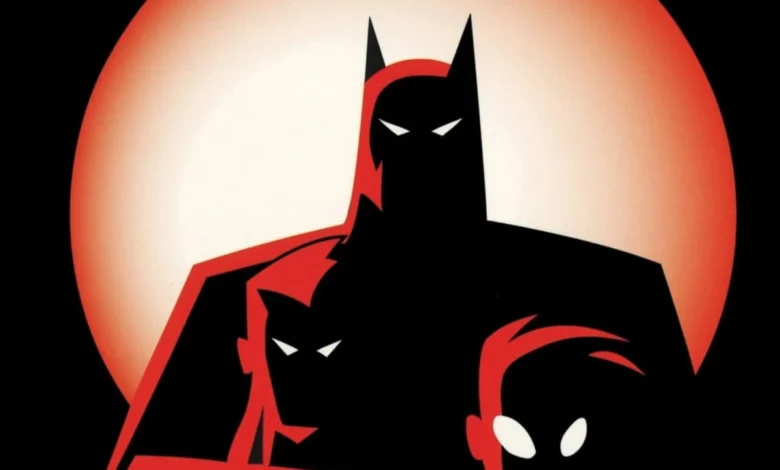
DC Comics has announced a revised release schedule for the highly anticipated Batman: Gotham Adventures – Omnibus, Volume One, shifting its availability by approximately three weeks. Initially slated for an October 20, 2026, debut, the oversized hardcover collection is now projected to hit retail shelves on November 10, 2026. This adjustment comes as part of the intricate logistical and production processes inherent in the publishing industry, particularly for substantial archival editions such as omnibuses. The collection promises to deliver an extensive compilation of stories derived from the critically acclaimed DC Animated Universe (DCAU), specifically drawing inspiration from the Emmy Award-winning Batman: The Animated Series and its equally popular successor, The New Batman Adventures.
This comprehensive volume will gather the complete run of Batman: Gotham Adventures issues #1-42, a series renowned for its faithful adherence to the visual and narrative style of the animated programs. In addition to the core series, the omnibus will feature supplementary stories that further enrich the DCAU comic continuity, including selected tales from Superman Adventures #25, Adventures in the DC Universe #3, The Batgirl Adventures #1, Batman: Gotham Knights #14, and Harley and Ivy: Love on the Lam #1. Such a meticulous compilation underscores DC Comics’ commitment to providing fans with definitive collections of their beloved franchises. The hardcover edition will boast a substantial 1168 pages, measuring 7 1/16 inches by 10 7/8 inches, and will retail for $125.00 US, identified by ISBN: 978-1-79950-923-3. This first installment is explicitly designated as "Volume One," indicating a planned multi-volume series to encompass the entirety of the Gotham Adventures saga and potentially other related DCAU comic narratives.
The Enduring Legacy of the DC Animated Universe
The announcement of a comprehensive Batman: Gotham Adventures omnibus speaks volumes about the enduring legacy and profound impact of the DC Animated Universe. Spearheaded by the groundbreaking Batman: The Animated Series (BTAS), which first premiered in 1992, the DCAU revolutionized superhero storytelling on television. BTAS, created by Bruce Timm and Eric Radomski, quickly garnered critical acclaim for its sophisticated noir aesthetic, mature themes, compelling characterizations, and cinematic quality. It famously introduced elements now considered canonical in the broader Batman mythos, such as the character of Harley Quinn and the specific design language for Gotham City. The series’ distinctive "Dark Deco" art style, often achieved through animation cells painted on black paper, set it apart from its contemporaries and influenced subsequent animated productions for decades.
Following the success of BTAS, The New Batman Adventures (TNBA) continued the narrative from 1997 to 1999, evolving the character designs and integrating more members of the Bat-Family, including Nightwing and a redesigned Batgirl. It was during this period, in 1998, that the Batman: Gotham Adventures comic series was launched. This comic adaptation was not merely a tie-in; it served as a direct narrative extension of the animated continuity, providing new stories that felt indistinguishable from episodes of the show. Writers like Ty Templeton and Scott Peterson, along with artists such as Rick Burchett, Tim Levins, and Terry Beatty, meticulously maintained the animated series’ distinct visual style and tone. Their efforts ensured that the comic series was a seamless continuation, allowing fans to delve deeper into the adventures of Batman, Robin, Nightwing, and Batgirl as they confronted iconic villains like Two-Face, Mr. Freeze, The Joker, and the League of Assassins, all rendered in the familiar DCAU aesthetic. The success of Gotham Adventures underscored the audience’s appetite for further exploration within this beloved universe, cementing its place as a crucial component of the DCAU’s expanded narrative.
The Significance of the Omnibus Format
The decision by DC Comics to collect Batman: Gotham Adventures in an omnibus format highlights several key trends in the comic book publishing industry and caters to a specific segment of the collector market. An omnibus is a premium, oversized, hardcover collection designed to gather an extensive run of comic book issues, often entire series or significant story arcs, into a single, high-quality volume. These editions are celebrated by collectors for their comprehensive nature, superior production values, and archival quality. They offer a unified reading experience, eliminating the need to track down individual issues or smaller trade paperbacks.
For a series like Batman: Gotham Adventures, which ran for 42 issues over five years (1998-2003) and included various crossovers, an omnibus is particularly valuable. It not only provides a complete narrative arc but also serves as an essential archival document, preserving a significant portion of the DCAU’s comic book output in a durable, attractive format. DC Comics, along with other major publishers, has increasingly embraced the omnibus model as a strategy to reintroduce classic or beloved runs to new generations of readers, consolidate scattered stories, and offer a definitive collected edition for long-time fans. This approach taps into the nostalgia for the DCAU while simultaneously making these stories accessible to those who may have missed them during their initial publication. The substantial page count of 1168 pages for Volume One further emphasizes the encyclopedic scope intended for this collection, ensuring that virtually every story from the primary Gotham Adventures series, along with pertinent supplemental material, is included.
Chronology of the Delay and Industry Context
The revised release date for Batman: Gotham Adventures – Omnibus, Volume One from October 20, 2026, to November 10, 2026, represents a relatively minor adjustment in the grand scheme of publishing schedules but is indicative of the intricate planning and potential variables involved in bringing large-scale collected editions to market. While DC Comics did not provide a specific reason for this particular delay, such postponements are not uncommon within the comic book and book publishing industries. Several factors can contribute to shifts in release dates for complex projects like omnibuses.
These can include unforeseen challenges in the supply chain, such as shortages of specific paper stock or printing materials, which have become more prevalent in recent years. Printing capacity, especially for specialized formats like oversized hardcovers, can also become a bottleneck, leading to scheduling conflicts. Furthermore, internal editorial adjustments, such as last-minute quality control checks, final approvals for artwork and lettering, or even minor design revisions, can necessitate a pushback to ensure the final product meets the publisher’s exacting standards. Logistical complexities, including shipping and distribution to various global markets, can also play a role. For a major publisher like DC Comics, maintaining a vast and intricate release calendar requires constant vigilance and flexibility, making minor adjustments an almost routine part of the publishing process. While such delays can cause mild anticipation for eager fans, they are often understood as a necessary measure to guarantee the delivery of a high-quality, polished product. The initial announcement of the omnibus, while not explicitly dated in the provided information, would have generated considerable excitement among collectors and DCAU enthusiasts, making any subsequent delay noteworthy, even if minor.
Inferred Reactions and Broader Implications
The news of the Batman: Gotham Adventures – Omnibus, Volume One delay is likely to elicit a measured reaction from the dedicated fan base and collector community. While any postponement of a highly anticipated release can cause a flicker of disappointment, the relatively short three-week shift is unlikely to generate significant consternation. Most experienced comic collectors are accustomed to such adjustments, recognizing them as an inherent part of the publishing landscape, especially for large, premium format releases. The primary sentiment will undoubtedly remain one of excitement and anticipation for the eventual arrival of this definitive collection.
From a retailer’s perspective, a three-week delay necessitates minor adjustments to pre-order systems, inventory planning, and marketing schedules. However, given the lead time for a 2026 release, these changes are easily manageable. The broader implication for DC Comics is a reinforcement of its commitment to delivering a meticulously crafted product. By allowing for additional time, whether for production, quality control, or logistical reasons, the publisher signals its priority for excellence, which ultimately benefits the consumer.
The explicit designation of this release as "Volume One" carries significant implications for the future of DCAU comic collections. It strongly suggests that a second omnibus, and potentially more, is planned to collect the remaining issues of Batman: Gotham Adventures and other related spin-off titles from the animated continuity. This multi-volume strategy indicates a long-term commitment from DC Comics to comprehensively archive and celebrate this cherished era of its publishing history. Such an approach not only caters to the completist collector but also ensures that the entire narrative arc inspired by Batman: The Animated Series and The New Batman Adventures is made accessible in a premium format for years to come. The continued relevance of the DCAU, nearly three decades after its inception, underscores its lasting impact on popular culture and the unwavering demand for its stories, whether in animated or comic book form. This omnibus serves as a testament to that enduring legacy, offering a tangible piece of superhero history for fans old and new.
Batman: Gotham Adventures – Omnibus, Volume One remains a highly anticipated release, promising to immerse readers in the dynamic world of the DC Animated Universe through its faithful comic book adaptation. Despite the minor schedule adjustment, the collection’s eventual arrival on November 10, 2026, will be a significant event for fans of the Caped Crusader and the iconic animated series that defined a generation. Further updates and detailed information will undoubtedly be provided by DC Comics as the release date approaches.