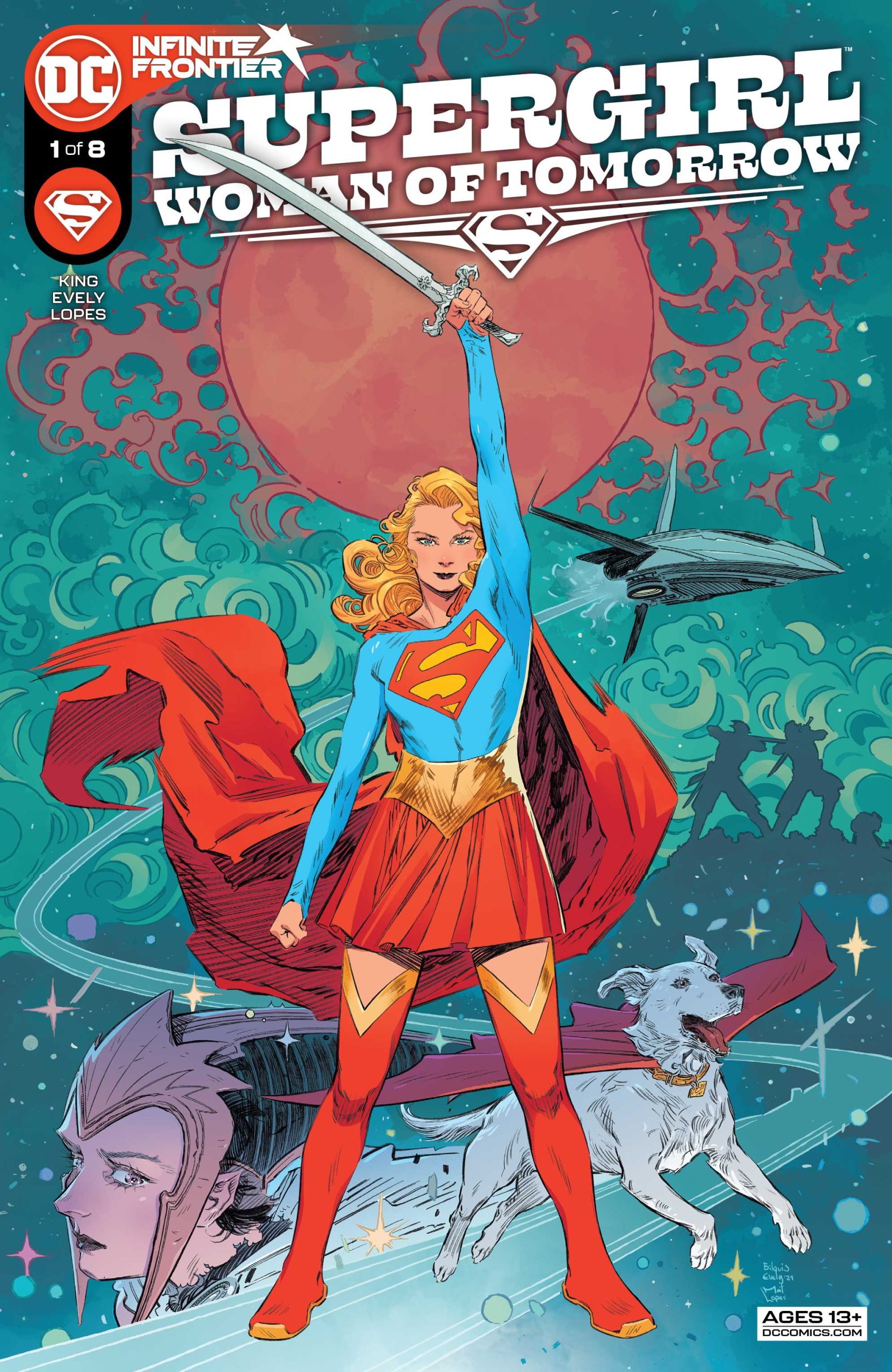
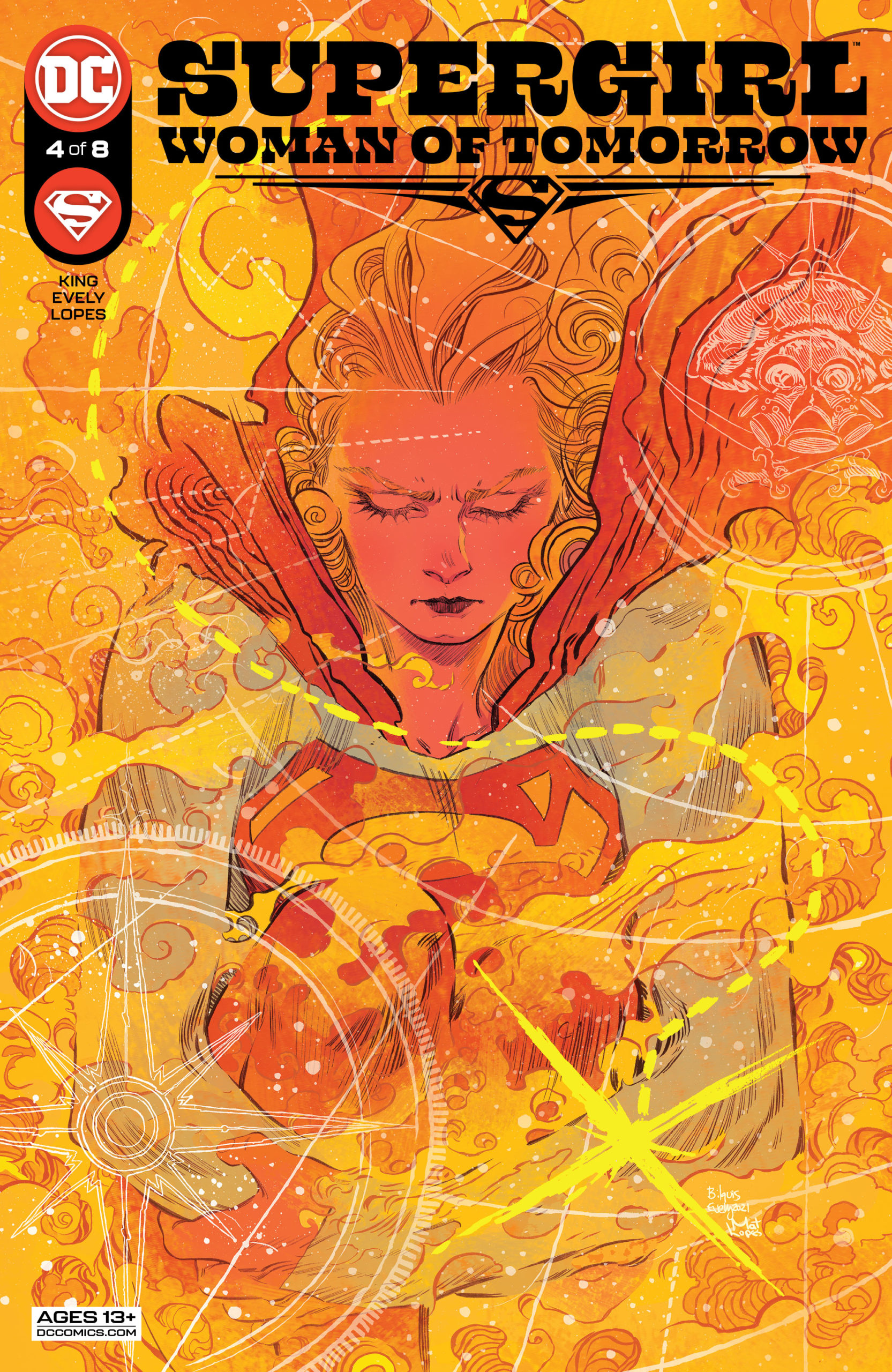
The upcoming release of the Supergirl feature film on June 26, 2026, has reignited critical interest in the 2021 DC Comics limited series Supergirl: Woman of Tomorrow. Written by Tom King with art by Bilquis Evely and colorist Matheus Lopes, the eight-issue miniseries served as a departure from traditional portrayals of the Maid of Might. As the cinematic adaptation looms, the literary community and long-time fans of the character have revisited the source material to assess its narrative themes, its place in DC canon, and its controversial characterization of Kara Zor-El.
Narrative Context and Publication History
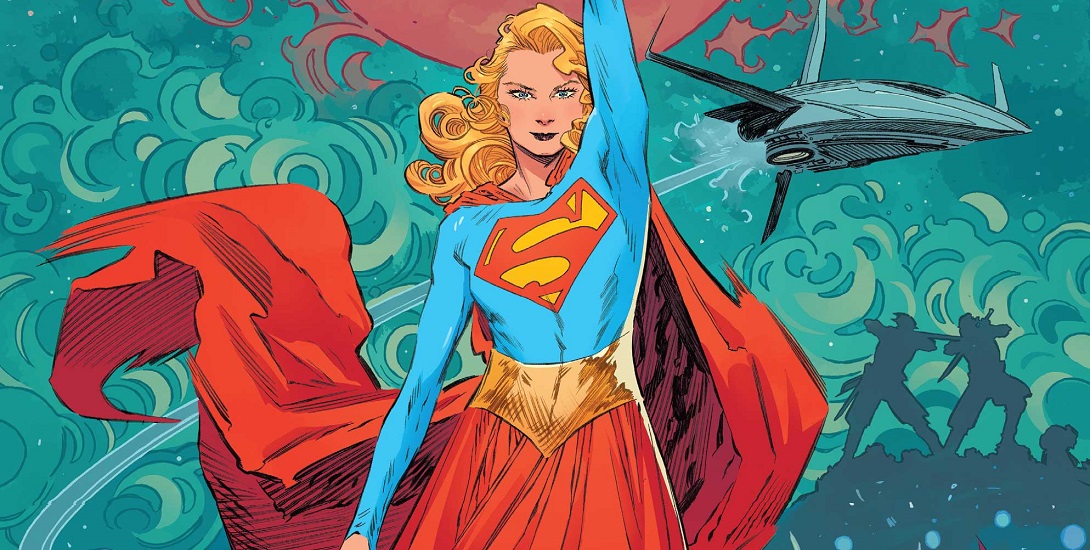
Published between 2021 and 2022, Supergirl: Woman of Tomorrow was marketed as a space-faring odyssey that aimed to define Kara Zor-El’s identity separate from her cousin, Kal-El. The story centers on Kara’s encounter with a young alien named Ruthye Marye Knoll, who seeks vengeance against the villain Krem of the Yellow Hills for the murder of her father. The narrative functions as a road-trip story spanning various planetary systems, framed by a literary, narration-heavy structure.
The series achieved significant commercial success and was met with widespread critical acclaim upon its initial release. However, in the years following, the discourse surrounding the title has shifted. Long-time readers have voiced concerns regarding the portrayal of Supergirl, specifically noting that the character’s depiction in the opening issue—characterized by intoxication and a self-described sense of nihilism—diverges significantly from her established history of resilience and optimism.
Chronology of the Re-evaluation
The critical re-evaluation of the series can be categorized into three distinct phases since its 2021 conclusion:
- Initial Reception (2021–2022): The series was lauded for its artistic execution. Bilquis Evely’s intricate panel work and Matheus Lopes’ atmospheric color palette were widely regarded as the series’ strongest assets, earning the creative team accolades and positioning the book as a modern classic.
- Community Discourse (2023–2025): As the series found a wider audience through trade paperback collections, fan forums and academic critiques began to scrutinize the script. The primary point of contention became the "Kryptonian perspective." Critics argued that by grounding the story in a sense of existential dread, the series failed to account for Kara’s established status as an adult who has successfully integrated into Earth society.
- The Cinematic Lead-up (2026): With the announcement of the film, directed by Craig Gillespie, interest in the source material surged again. This phase is marked by a focus on how the film might adapt the more polarizing elements of King’s writing, specifically the ambiguity of the ending and the morality of the protagonist.
Literary Analysis: The Trauma Parallelism
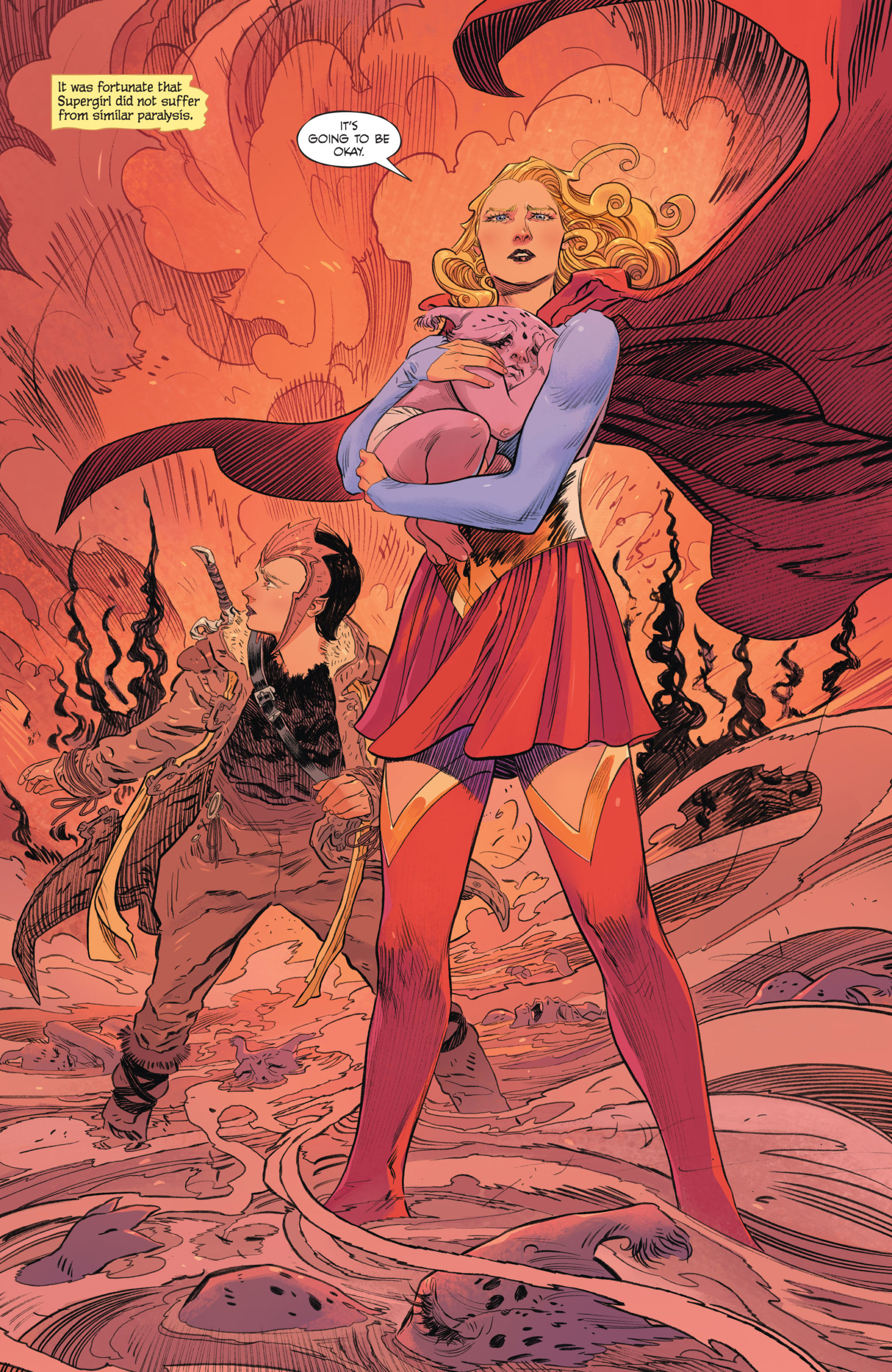
A central element of the series that requires scrutiny is the intentional parallel drawn between Ruthye’s grief and Kara’s own history of trauma. By linking the death of Ruthye’s father to the destruction of Krypton, Tom King attempts to create a shared emotional language between the two characters.

From a structural perspective, this is a sophisticated narrative device. By juxtaposing the two tragedies, the reader is invited to see Kara not as a paragon of hope, but as a survivor navigating the aftermath of an extinction event. However, this interpretation remains a point of contention. Detractors argue that this reduces Kara to her trauma, ignoring the decades of character development that established her as a hero capable of moving forward. The narrative suggests that Kara’s birthday, as depicted in the first issue, serves as a catalyst for a depressive episode, yet critics point out that the absence of the "Super-family" (such as Clark Kent or Lois Lane) in this moment feels like a departure from established continuity.
The Ambiguity of the Finale
The conclusion of issue #8 has been a subject of intense debate among literary analysts. The final sequence, in which Ruthye strikes Krem of the Yellow Hills, serves as a mirror to the opening sequence where Krem murders Ruthye’s father.

If the scene is interpreted as an act of vengeance, the implications for Kara Zor-El’s character are profound. By allowing the act to occur without intervention, the text suggests that Supergirl has accepted a moral compromise. In the context of the series, this could be interpreted as a transition from a traditional hero to a character defined by a more cynical, nihilistic worldview. Conversely, those who interpret the ending as an act of non-lethal justice argue that the scene remains consistent with Kara’s heroism. The lack of explicit confirmation regarding Krem’s fate allows for multiple readings, but it also creates a sense of narrative dissonance that has left many readers polarized.
Artistic Contribution and Visual Storytelling
While the script remains a subject of intense debate, the consensus regarding the visual storytelling of Bilquis Evely and Matheus Lopes remains overwhelmingly positive. The art serves as a masterclass in world-building, utilizing a "wide-screen" approach that emphasizes the scale of the universe in which the characters operate.
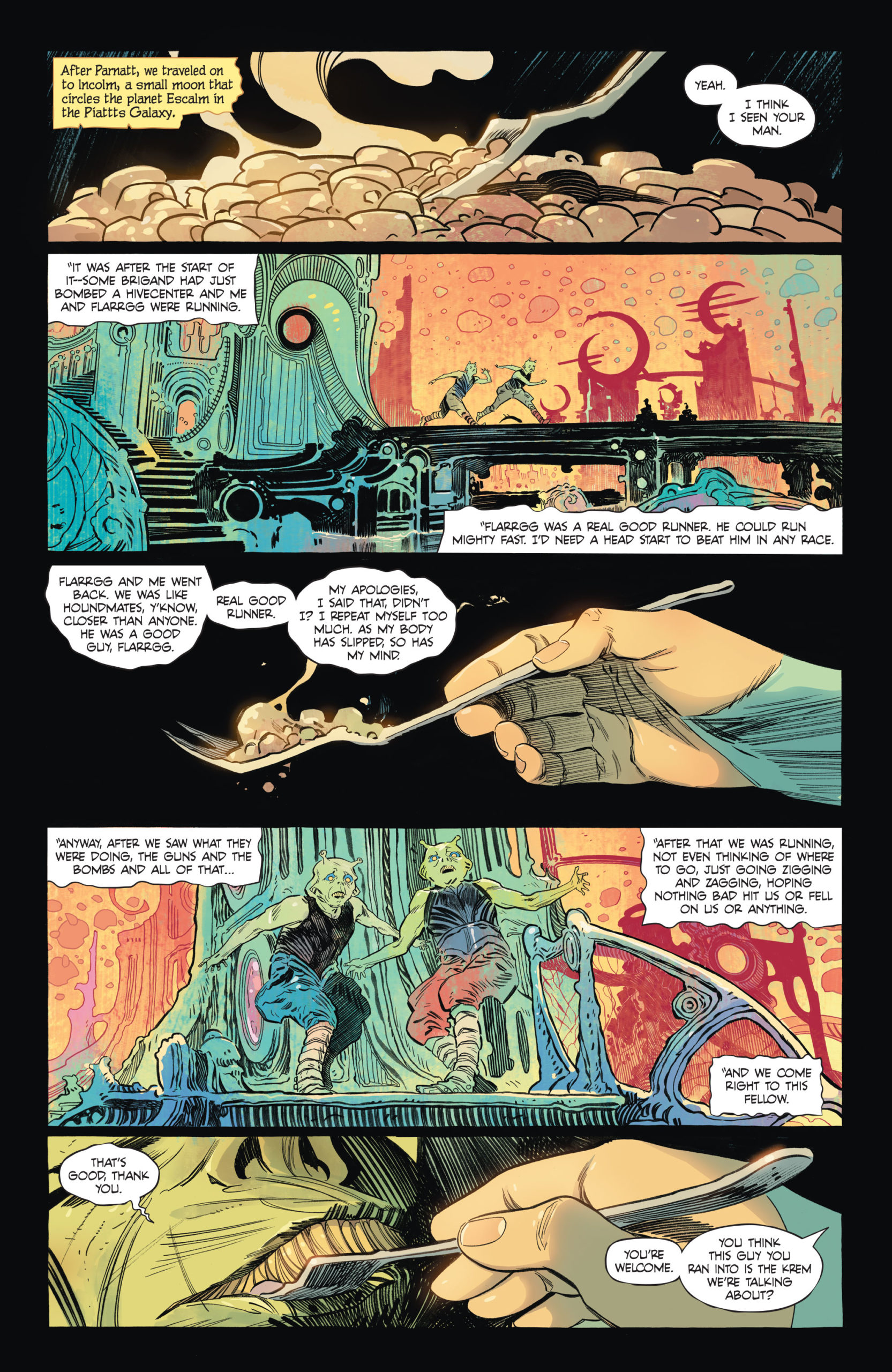
Data from online comic databases and sales tracking suggest that the longevity of the series in bookstores is largely driven by its aesthetic appeal. Many readers have noted that even when the narrative tone feels incongruent with their expectations of the character, the visual presentation provides a level of quality that sustains engagement. This dynamic is a recurring theme in modern DC Comics, where the strength of the artistic team often provides a platform for high-concept, albeit polarizing, scripts.
Broader Implications for DC Media
The transition of this story from the page to the screen on June 26, 2026, represents a significant moment for the DC Universe. The film must reconcile the "Prestige" nature of the comic with the broader requirements of a cinematic franchise.
Industry analysts observe that adapting such a character-focused and tonally distinct series poses risks. If the film leans heavily into the nihilistic undertones of the source material, it may alienate fans who view Supergirl as an aspirational figure. However, if the adaptation softens these elements, it risks losing the unique, subversive edge that made the original miniseries a critical success.
Statements from the production team have hinted that the film intends to capture the "spirit of the odyssey" while maintaining the core of Kara’s personality. The challenge lies in balancing the "Woman of Tomorrow" title’s focus on growth and independence with the inherent need for a superhero film to provide a clear moral framework.
Final Assessment
Supergirl: Woman of Tomorrow stands as a pivotal entry in the character’s bibliography. Whether one views it as a profound deconstruction of a legendary hero or a misreading of a beloved icon, the work has undeniably shaped the current conversation surrounding the character. As audiences prepare for the 2026 theatrical release, the retrospective analysis of this series serves as a reminder of the complexity inherent in adapting long-running comic book characters.
The legacy of the series will likely be determined by how well its core themes—trauma, vengeance, and the definition of a hero—are translated to the silver screen. For now, it remains a work that demands re-reading, analysis, and, perhaps most importantly, a willingness to engage with the uncomfortable questions it poses about the nature of heroism in a broken universe. The journey of Kara Zor-El, as presented by King, Evely, and Lopes, remains a defining, if contentious, chapter in the modern history of DC Comics.
Related posts: