The Man of a Thousand Faces: How Lon Chaney Sr. Shaped the Golden Age of Horror and Defined The Phantom of the Opera

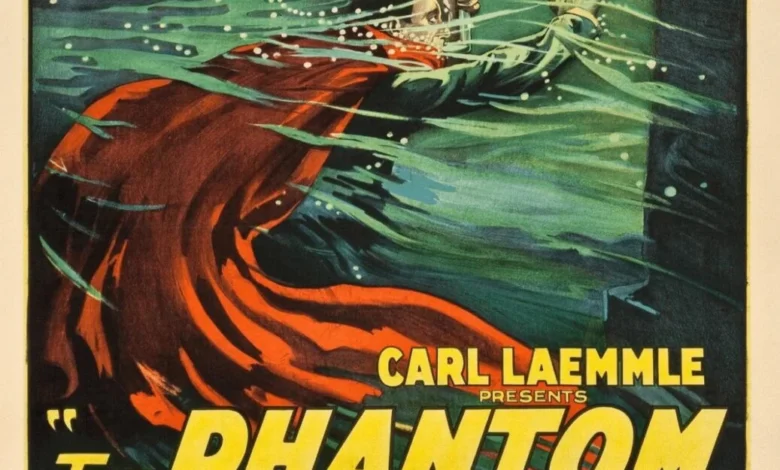
While many children growing up in the mid-twentieth century aspired to emulate the glamorous silver screen icons of the era—such as Marilyn Monroe, Elizabeth Taylor, or Cary Grant—film historian and writer Anastasia Elfman found her lifelong inspiration in the pioneering performances of Lon Chaney Sr. Sharing an April Fool’s Day birthday with the legendary actor, Elfman’s unconventional upbringing mirrors the alienated childhood that forged Chaney’s resilient character. Born to deaf-mute parents during an era when such disabilities faced widespread societal misunderstanding, Chaney navigated a youth defined by physical expression, theater, and dance. Decades later, a similarly rigorous youth involving formal ballet and competitive training led Elfman to find solace in the performing arts and classic horror cinema, cementing Chaney’s 1925 masterpiece, The Phantom of the Opera, as her all-time favorite cinematic achievement.
The theatrical background shared by performers of Chaney’s generation instilled a strict “the show must go on” ethos. If a prop was missing, it was built; if a skill was lacking, it was learned; if a costume or practical effect did not exist, it was invented. These exact survival and creative instincts defined Lon Chaney Sr., who emerged not only as a master actor but as the founding father of special makeup effects and practical cinematic wizardry in Hollywood.
Early Life and the Road to Hollywood
Born Leonidas Frank Chaney on April 1, 1883, in Colorado Springs, Colorado, Chaney grew up intimately familiar with the world of silence. Because both of his parents were deaf-mutes, Chaney did not speak until he was four years old. To communicate with his bedridden mother, he developed an advanced fluency in pantomime, mastering the art of physical storytelling while simultaneously shouldering the responsibilities of caring for his younger siblings.
This foundation of observation, physical dexterity, and relentless work ethic eventually propelled him into the theatrical world. Before transitioning to motion pictures, Chaney worked his way through various facets of the entertainment industry, managing theaters, building stage sets, choreographing routines, and performing in vaudeville. Initially, Chaney held little regard for the burgeoning medium of "moving pictures," preferring the immediate connection of live theater. However, a personal crisis forced a career pivot; after his first wife attempted suicide, Chaney entered the film industry to secure a stable income to support his young son, Creighton Chaney—who would later grow up to become the celebrated horror icon Lon Chaney Jr., famously known as "The Wolfman."
Chronology of a Cinematic Ascent
Chaney’s transition to film was marked by steady perseverance through minor comedic and dramatic roles before his breakout performance arrived in 1919. In George Loane Tucker’s drama The Miracle Man, Chaney played a contorting con man who falsely poses as a handicapped faith healer. The critical acclaim surrounding his astonishing physical transformation skyrocketed his career, drawing the attention of major studio executives.
This momentum led to high-profile starring roles that cemented his legacy as a cinematic chameleon. In 1923, he delivered a grueling, sympathetic portrayal of Quasimodo in The Hunchback of Notre Dame for Universal Pictures. Two years later, he reached the pinnacle of his career with his most iconic role in the 1925 adaptation of Gaston Leroux’s The Phantom of the Opera. These landmark performances earned him the immortal moniker, "The Man of a Thousand Faces."
Production Turmoil Behind The Phantom of the Opera
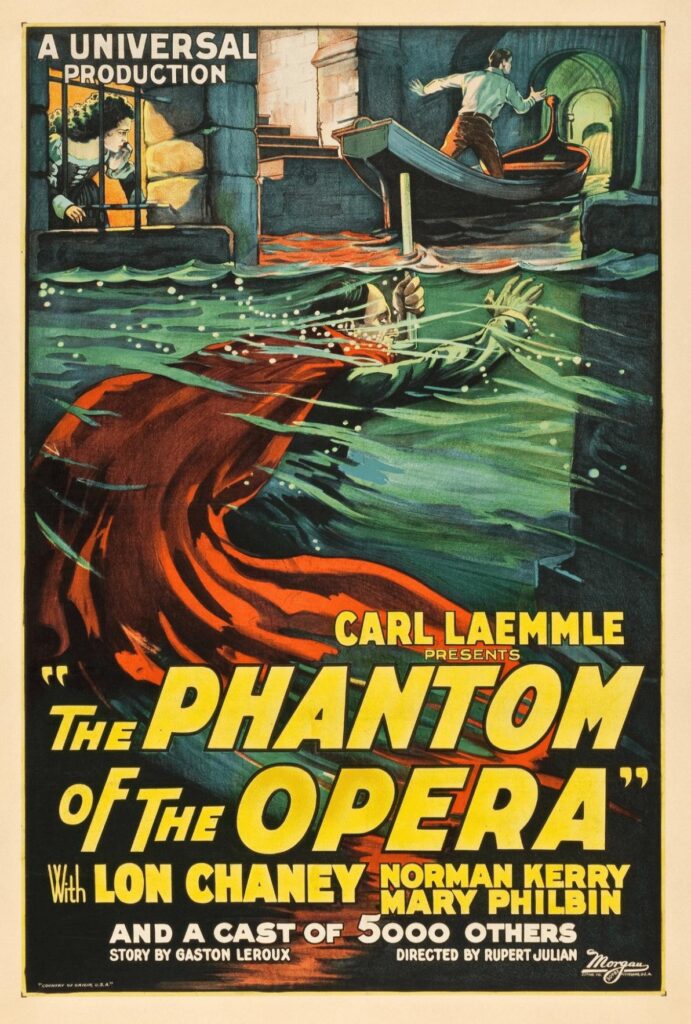
Universal Pictures conceived The Phantom of the Opera as an extravagant star vehicle for Chaney, investing heavily in massive Paris Opera House sets, early Technicolor sequences, and specialized Handschiegl color-processing. However, the production was plagued by severe behind-the-scenes conflict, creative friction, and extensive reshoots.
The primary source of tension on set stemmed from the clash between Chaney and director Rupert Julian. Chaney had reportedly campaigned for visionary Austrian filmmaker Erich von Stroheim to direct the project and held deep disdain for Julian, whom the cast and crew found abrasive and dictatorial. According to historical recollections from co-star Mary Philbin and cinematographer Charles Van Enger, Chaney frequently bypassed Julian’s directives, taking over the uncredited direction of his own major scenes.
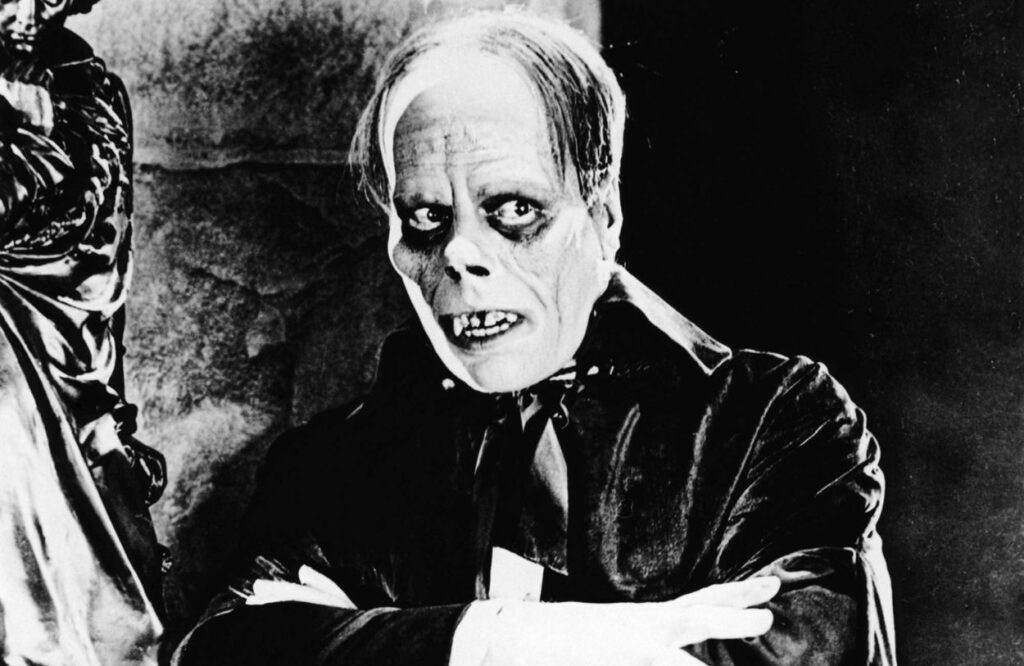
A dedicated craftsman and perfectionist, Chaney guarded his physical transformation with absolute secrecy. He meticulously constructed his Phantom makeup at home to ensure that his co-stars—including Mary Philbin, who played the young soprano Christine Daaé—did not see the terrifying visage until the cameras rolled. Philbin’s genuine shock and visceral terror during the film’s famous unmasking sequence remain visible to modern audiences, capturing a moment of authentic, unscripted reaction.
Pioneering Practical Effects and Stunt Work
Operating in an era long before occupational safety unions, standardized production schedules, dedicated makeup departments, and professional stunt doubles, Chaney approached filmmaking with uncompromising physical dedication. During grueling 18-hour shoot days, he personally maintained his intricate and painful makeup appliances.
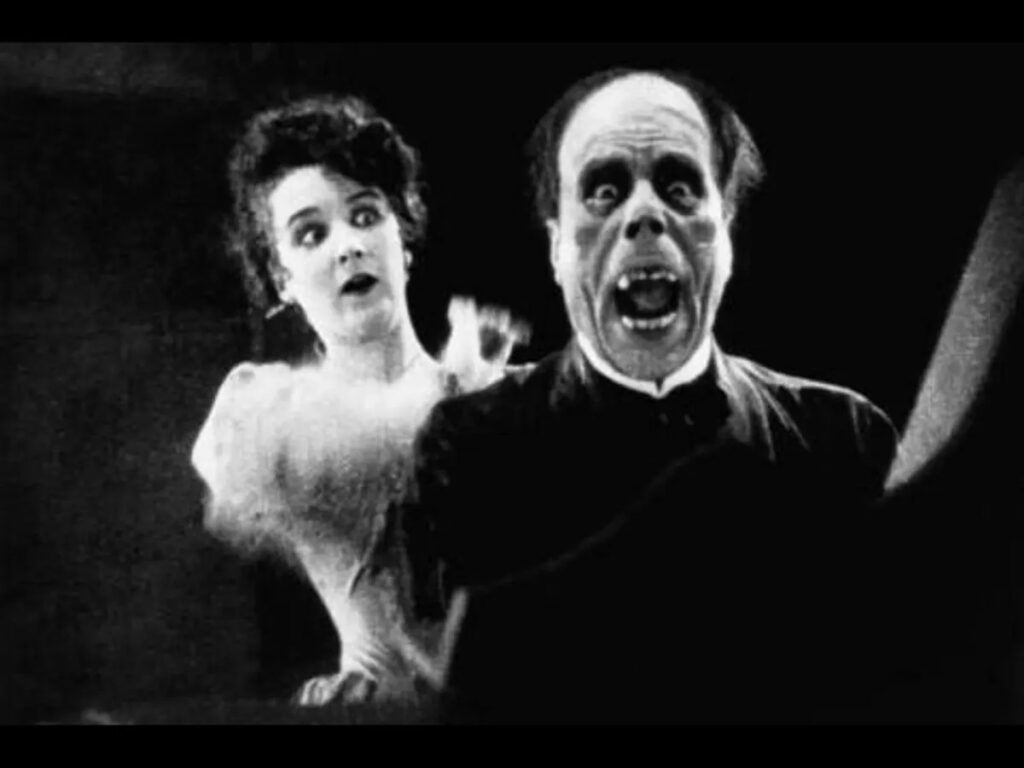
Refusing the use of stunt doubles, Chaney performed his own high-risk action sequences. Mary Philbin later recalled Chaney climbing onto the rooftop sculpture for the Apollo’s lyre sequence in a bulky Red Death costume and heavy flowing cape, then standing just out of frame during his co-stars’ close-ups to allow the crew to quickly capture reverse angles—a perilous feat for an actor wearing restrictive garments. Drawing upon his vaudeville acrobatics background, Chaney also performed demanding physical feats such as swimming through the underground water sets while locked inside heavy, specialized makeup.
To achieve the skeletal appearance of the Phantom described in Gaston Leroux’s novel, Chaney engineered a contoured wire appliance designed to pull back and flare his nostrils, inducing severe physical pain and frequent on-set nosebleeds. To create the illusion of a hollow skull, he glued his eyelids downward and his ears back. While Chaney rarely discussed the specifics of his cosmetic formulas in public, he outlined his general philosophy in his 1929 entry for the Encyclopædia Britannica, noting that the success of character makeup relied heavily on the strategic placement of highlights and shadows in non-obvious areas of the face.
Broader Impact and Legacy on Modern Horror
Despite a turbulent production history, The Phantom of the Opera opened to widespread critical acclaim and became an unprecedented, enduring box-office triumph. The film’s success solidified Universal Pictures’ financial standing and proved that horror could be a prestigious, commercially viable genre on a grand scale.
Following the triumph of The Phantom of the Opera, Universal and Chaney’s frequent collaborator Tod Browning began actively courting the actor to star in an upcoming adaptation of Dracula. At the absolute zenith of his Hollywood influence, Chaney was positioned to anchor the foundational slate of Universal Monster movies. However, those plans were cut tragically short by his untimely death from throat cancer in 1930 at the age of 47.
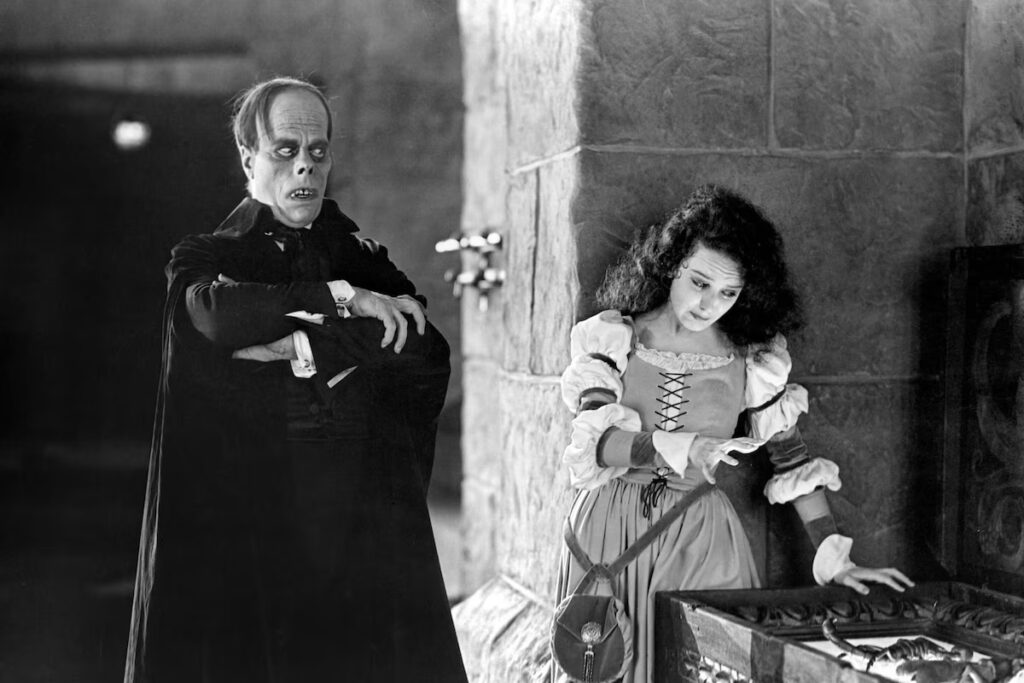
The passing of Lon Chaney Sr. marked the end of an era for silent-era character acting, but his profound contributions permanently altered the trajectory of cinema. By elevating makeup from basic cosmetics to an advanced sculptural art form, and by demonstrating the deep psychological resonance of physical monsters, Chaney laid the architectural foundation for pre-Code horror. His pioneering artistry continues to resonate, defining the genre of horror and practical special effects as audiences know them today.