Review: Ti West Leans Into Gothic Horror With Star-Studded Paramount Adaptation Ebenezer

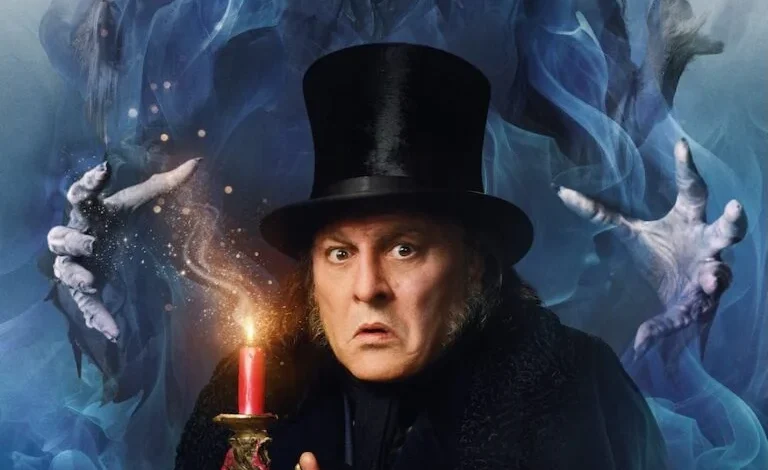
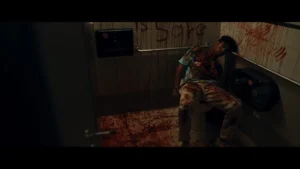
Paramount Pictures latest cinematic entry into the crowded history of Charles Dickens adaptations arrives with Ebenezer, a dark, atmospheric feature directed by indie genre specialist Ti West. Featuring an ensemble cast led by Johnny Depp, Ian McKellen, Rupert Grint, and Andrea Riseborough, the film attempts to marry traditional 19th-century storytelling with the visceral, supernatural sensibilities of classic Hammer horror. Backed by the largest budget of West’s career, the production endeavors to strip away the wholesome cheer frequently associated with holiday adaptations in favor of a gloomy, rain-slicked London steeped in gothic dread. Yet, despite meticulous technical execution and standout prosthetic work, the resulting feature often feels more like a dutiful exercise in style than an emotionally resonant exploration of redemption.
Main Facts and Production Overview
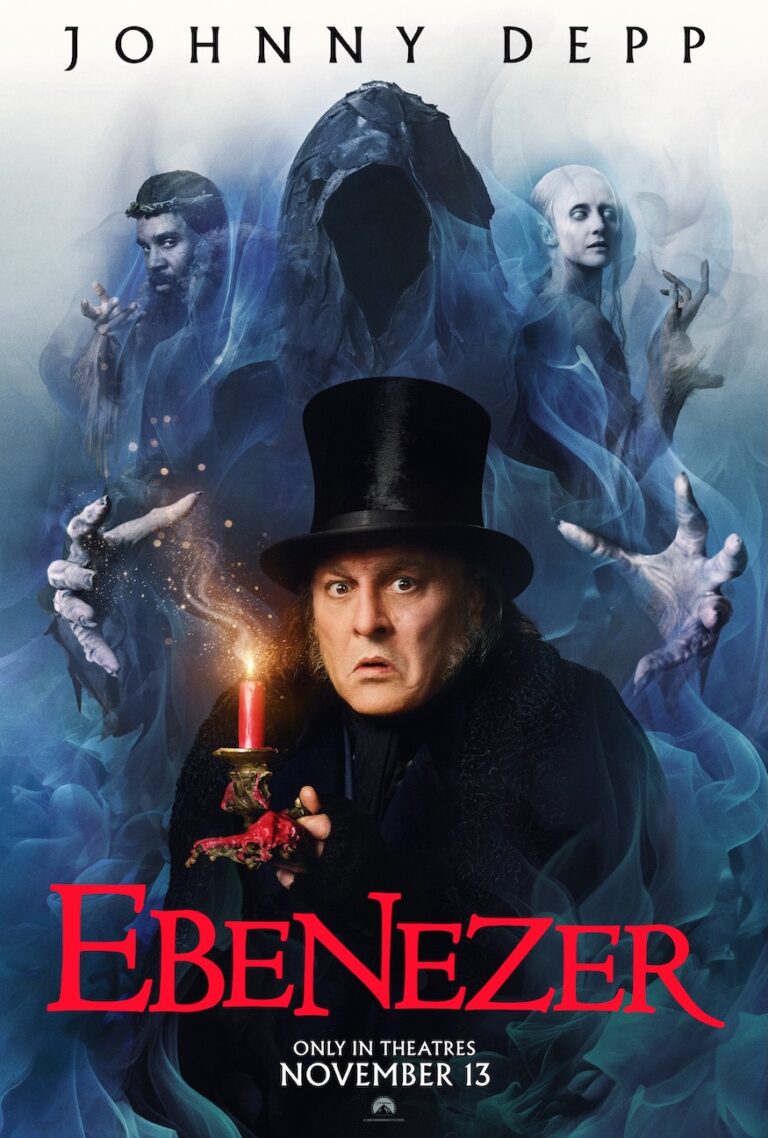
Directed by Ti West from a screenplay by Nathaniel Halpern, Ebenezer follows the well-worn narrative arc of Charles Dickens’s 1843 novella, A Christmas Carol. Set in an austere and forbidding 1836 London, the narrative tracks the misanthropic miser Ebenezer Scrooge, played by Johnny Depp with rotting-hearted vigor, and his equally bitter business partner Jacob Marley, portrayed by Ian McKellen. The supporting cast includes Rupert Grint as the long-suffering clerk Bob Cratchit, Sam Claflin as the optimistic nephew Fred, Andrea Riseborough as the Ghost of Christmas Past, Tramell Tillman as the Ghost of Christmas Present, and Robert Strange as the Ghost of Christmas Yet to Be.
Rather than opting for modern vernacular, Halpern’s script relies heavily on Dickens’s original dialogue and structural narrative. However, the film diverges from traditional adaptations by devoting significant screen time to Marley before his demise, depicting him as an even more crotchety figure than Scrooge. This narrative choice implies that Marley’s toxic influence largely shaped Scrooge’s descent into misanthropy. The film’s visual language borrows heavily from horror tropes, utilizing cinematic nods to classic genre touchstones to signal the arrival of the otherworldly specters that ultimately force Scrooge to confront his past, present, and grim future.
Chronology of Development and Release
The journey toward bringing Ebenezer to the screen represents a significant milestone in Ti West’s career, transitioning the filmmaker from low-budget independent horror projects—such as his critically acclaimed X trilogy—to a major studio canvas with substantial financial backing. Development on the Paramount project accelerated following the industry-wide adjustments of the mid-2020s, as studios increasingly sought recognizable intellectual properties filtered through distinct auteur-driven perspectives.
Principal photography took place across meticulously constructed soundstages and historical European locations, emphasizing practical effects, period-accurate set designs by Eve Stewart, and moody cinematography by Checco Varese. The marketing campaign ramped up in late 2025 and early 2026, positioning the film not merely as another holiday standard, but as a revelatory, chilling reinterpretation of a cultural touchstone. Following festival previews and industry screenings, the film secured a wide theatrical release, entering a crowded marketplace traditionally dominated by family-friendly holiday fare.
Supporting Data and Technical Achievements
The strongest elements of Ebenezer lie in its formidable technical craftsmanship, anchored by the prosthetic and makeup design of multiple Emmy Award winner Barrie Gower. Known for his transformative work on high-profile television series including Game of Thrones, Stranger Things, and The Last of Us, Gower provides the visual foundation for both the elderly Scrooge and the ethereal holiday spirits.
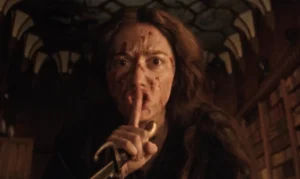
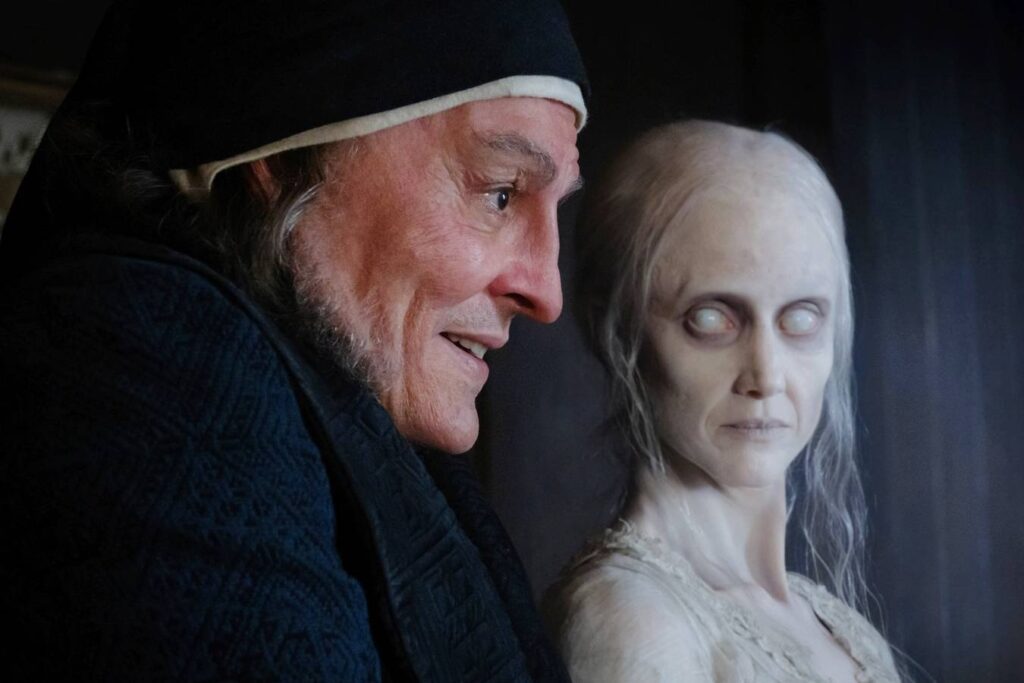
Gower’s prosthetics allow Johnny Depp to maintain facial expressiveness and emotional nuance during tight close-ups and under shifting lighting conditions. Similarly, the design of the ghosts relies on a blend of subtle digital enhancement and practical makeup effects. The standout performance among the spectral visitors belongs to Andrea Riseborough as the Ghost of Christmas Past. Sporting unsettling, whited-out eyes that evoke classic European horror cinema, Riseborough delivers a forlorn, otherworldly performance that anchors the film’s central moral reckoning.
Cinematographer Checco Varese and production designer Eve Stewart contribute to the chilly, suffocating atmosphere of 1836 London, capturing both the bleakness of the counting house and moments of quiet warmth, such as a community-wide choral montage. Despite these high production values, analysts and critics have noted a disconnect between the film’s impressive technical wrapper and its ultimate emotional impact.
Official Responses and Industry Reception
As a high-profile release featuring a controversial and heavily scrutinized leading man in Johnny Depp, Ebenezer has drawn intense media scrutiny and mixed early critical reactions. Representatives for Paramount Pictures have emphasized the film’s bold stylistic choices, promoting West’s unique directorial vision as a fresh avenue for exploring classic literary themes. Industry insiders have noted that the studio took a calculated risk by greenlighting a decidedly grim, R-rated horror approach to a universally recognized family story.
Cast members and creative leads have defended the film’s darker tonal shifts in promotional interviews, arguing that Dickens’s original text contains profound darkness that standard holiday adaptations frequently sanitize. Nevertheless, early critical consensus points to structural missteps in the adaptation. Reviewers have highlighted questionable narrative expansions—such as an expanded role for Belle (Ellie Bamber) that blunts the emotional resonance of past regret—as well as jarring thematic choices, including the depiction of charitable organizations as corrupt and impoverished citizens as duplicitous or violent. These choices have sparked debate among literary purists and film historians regarding the boundaries of creative reinterpretation.
Broader Impact and Critical Implications
The release of Ebenezer arrives at a time when Hollywood’s appetite for safe intellectual property adaptations is increasingly balanced by a desire for genre subversion. By filtering a canonical holiday narrative through the lens of 1970s and 1980s horror aesthetics, Paramount and Ti West have tested the limits of audience elasticity regarding classic stories.
From an analytical standpoint, the film’s reception illustrates the inherent challenges of updating well-trodden material without losing the core emotional architecture that ensured its centuries-long durability. While Ebenezer succeeds as a mood piece driven by exceptional creature design, atmospheric cinematography, and committed performances, it ultimately functions as a cautionary tale about style overshadowing substance. The film demonstrates that technical mastery and directorial flair cannot entirely replace genuine emotional vulnerability, leaving audiences to admire its frostbitten beauty from a distance rather than feeling swept up in its redemptive core.