Penguin Random House Awards Grant to Independent English Bookshop to Champion Manga and Graphic Novels for Reluctant Young Readers


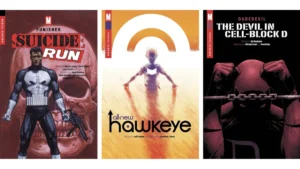
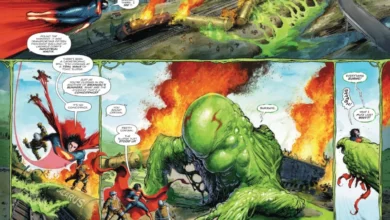
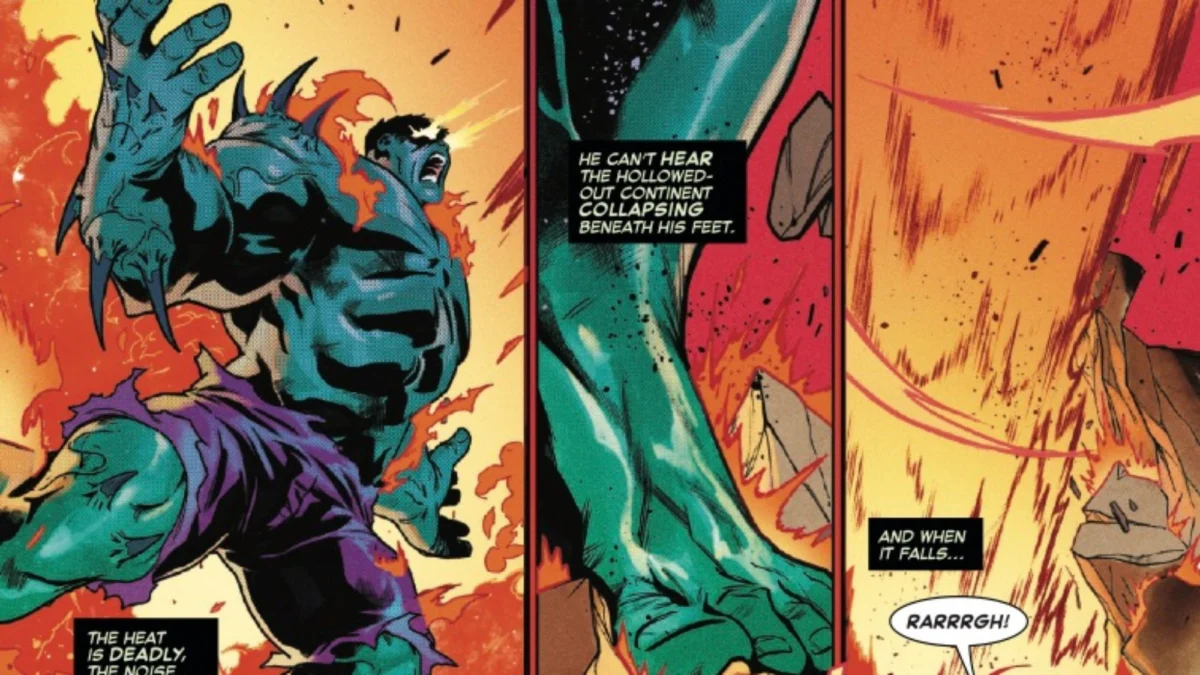
Penguin Random House UK has officially named over forty independent bookshops as the fortunate recipients of the Penguin Children’s Bookshop Grant for 2026. Part of a substantial £150,000 funding pool designed to bolster grassroots literacy and community engagement, these grants range in value from £1,500 to £5,000 per establishment. Among the diverse array of winning literacy initiatives is a standout visual storytelling project spearheaded by The Children’s Bookshelf in Hereford, England. This specific program aims to harness the unique appeal of manga, graphic novels, and illustrated fiction to connect with reluctant readers, neurodivergent students, and dyslexic children who traditionally struggle to find a foothold in standard literature.
Background Context of the Penguin Children’s Bookshop Grant
The publishing industry has long recognized the critical role that independent bookshops play not only as retail hubs, but as vital cultural and educational centers within their local communities. However, rising operational costs and economic pressures have frequently constrained the ability of these small businesses to run specialized outreach programs. To counteract this, major publishing houses have increasingly stepped in with targeted philanthropic initiatives.
The Penguin Children’s Bookshop Grant was established to bridge this gap, providing essential financial lifelines to independent booksellers eager to foster a lifelong love of reading among children. By offering tiered funding up to £5,000, Penguin Random House UK empowers shops to design bespoke literacy projects tailored to the specific demographics and challenges of their surrounding regions. The 2026 funding cycle drew an overwhelmingly enthusiastic response from booksellers nationwide, showcasing a remarkable degree of creativity in how local shops approach youth literacy, from mobile storytelling units to inclusive, sensory-friendly book clubs.
The Children’s Bookshelf Initiative in Hereford
At the heart of Hereford’s winning proposal is the establishment of the "Visual Reading Pathway" sessions, a targeted program created to support Year 5 and Year 6 pupils. The initiative is specifically constructed for children who may feel alienated by traditional, text-heavy books, including neurodivergent learners, dyslexic pupils, and those who simply have not yet discovered literature that resonates with their personal interests.

Rather than relying on conventional classroom instruction, the project utilizes short, informal workshops hosted directly at the independent bookshop. Small groups of students visit the store as part of structured school trips, ensuring a supportive and low-pressure environment. Crucially, these places are fully funded by the Penguin grant, removing any financial barrier for families.
Each participating student is nominated directly by their school’s English leads rather than booked individually by parents or carers, ensuring that resources reach the children who stand to benefit the most. During their visit, students explore various visual storytelling formats at their own pace, discovering how panels, illustrations, and sequential art can convey complex narratives just as effectively as prose. To cement the positive experience, every child leaves the workshop with a book of their own to keep, alongside a personalized take-home reading pack designed to encourage continued engagement outside of school hours.
Chronology and Implementation Timeline
The rollout of the Hereford project follows a strict administrative timeline to ensure maximum efficiency before the end of the academic term:
- September 30: The strict deadline for local schools and English leads to submit their pupil nominations to The Children’s Bookshelf via email. Due to high demand and limited funding, places are strictly capped at 30 fully funded student slots.
- October: Preparation and coordination with participating schools following the Halloween half-term break.
- November and December: Execution of the small-group Visual Reading Pathway workshops at the bookshop, culminating in the distribution of personalized reading packs just ahead of the winter holiday period.
Official Statements and Industry Reactions
The announcement of the 2026 grant recipients has generated widespread acclaim across both the publishing and educational sectors. Francesca Dow, Managing Director of Penguin Random House Children’s, expressed profound admiration for the caliber of applications received during this funding cycle.
"It has been uplifting and exciting to see the enthusiastic response to the Penguin Children’s Bookshop Grant and we thank every single bookshop that entered," Dow stated. She emphasized that the ingenuity and steadfast commitment demonstrated by independent booksellers are vital for supporting local communities and nurturing the next generation of readers. "I feel sure that the work set to be delivered by the grant recipients will not only have a lasting impact on children, families and communities but also help to spark further innovation and ideas across the country, helping even more young people discover the joy of reading for pleasure. That is our hope and our aim for this grant and we are excited to see the ideas come to life in their communities."
Similarly, representatives from The Children’s Bookshelf expressed immense gratitude toward the publishing giant, noting that the financial injection has made an ambitious outreach program possible. The store’s management underscored that without external funding, providing tailored resources, transport coordination, and free take-home book packs for thirty vulnerable or disengaged readers would have been financially unfeasible for a small, independent storefront.
Broader Impact and Educational Implications
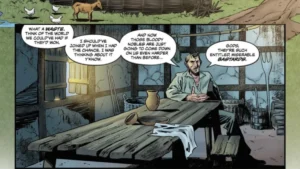
The integration of manga and graphic novels into formal and semi-formal literacy programs marks a significant evolution in modern educational theory. For decades, sequential art was occasionally dismissed by traditionalists as a lesser form of literature or a distraction from "real" books. However, contemporary educational research increasingly validates graphic novels as powerful cognitive tools that enhance visual literacy, vocabulary acquisition, and reading comprehension—particularly for neurodivergent learners.
By supporting projects like the one in Hereford, Penguin Random House is helping to legitimize and mainstream alternative reading pathways. Graphic novels utilize dual-coding—combining text and imagery—which aids cognitive processing for children with dyslexia or processing disorders. When reluctant readers see themselves represented in dynamic, visually engaging formats, reading shifts from being viewed as an arduous academic chore to an enjoyable leisure activity.
Furthermore, the collaborative model between major publishers, independent bookshops, and local schools creates a robust support network for children. Bookshops function as neutral, welcoming community spaces outside the traditional classroom, which can help alleviate the academic anxiety often felt by struggling readers. As these forty-plus grant-funded projects roll out across the United Kingdom throughout 2026, the cumulative data and qualitative feedback gathered will likely serve as a blueprint for future public-private partnerships in education, proving that targeted micro-investments can yield monumental shifts in children’s literacy rates and confidence.