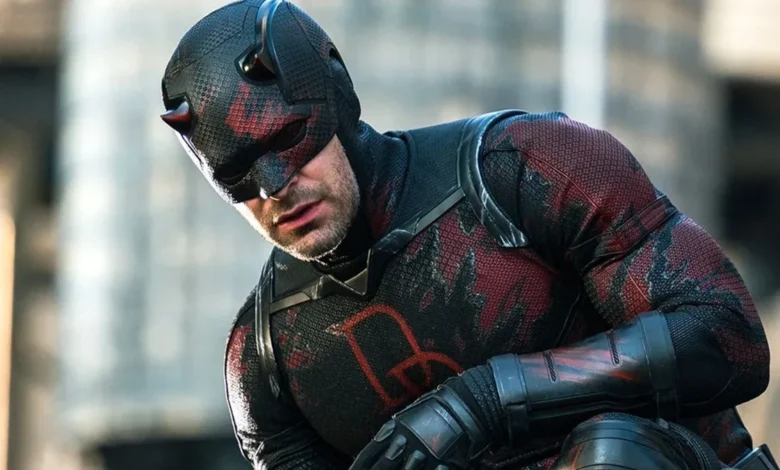
The era of Charlie Cox’s tenure as the Man Without Fear in his own standalone television series is approaching a definitive conclusion. According to reports from The Hollywood Reporter, Disney+ and Marvel Studios have officially decided that the third season of Daredevil: Born Again will serve as the final installment of the series. This decision marks a significant turning point in the streaming strategy of the Walt Disney Company, reflecting a broader pivot within Marvel Television toward animated projects and a renewed emphasis on theatrical feature films to revitalize the Marvel Cinematic Universe (MCU) brand.
A Troubled Development Cycle and Production History
The trajectory of Daredevil: Born Again has been marked by a complex, often volatile development process. The project was initially announced by Marvel Studios President Kevin Feige during San Diego Comic-Con, following the 2018 cancellation of the original Netflix Daredevil series. Fans had campaigned for years for the return of the cast, and the transition of Matt Murdock and Wilson Fisk into the primary MCU timeline via Spider-Man: No Way Home and Hawkeye generated substantial momentum.
However, the production of the first season faced immediate hurdles. The original vision for the series was conceived as a soft reboot, stripping away much of the grit and narrative continuity established by the acclaimed Netflix run. Recognizing a disconnect with audience expectations, Marvel Studios initiated a massive creative overhaul mid-production. Dario Scardapane was brought on as showrunner to reshape the narrative, incorporating elements that aligned more closely with the tone of the original series. While this pivot successfully course-corrected the project and earned significant critical and fan acclaim during its second season, the show never reached the massive viewership benchmarks established by earlier Disney+ tentpoles such as WandaVision or Loki.
The Strategic Shift: Quality Over Quantity
The cancellation—or, more accurately, the planned conclusion—of Daredevil: Born Again is part of a larger trend of downsizing within the Disney+ ecosystem. Following a period of aggressive expansion that saw the platform flooded with live-action MCU spin-offs, internal data suggested that the rapid release of interconnected series may have contributed to "superhero fatigue," diluting the prestige of the Marvel brand.
In response, Marvel Television has begun pruning its slate of live-action offerings. The recent cancellation of the Wonder Man series after a single season underscored this new fiscal and creative austerity. The studio is reportedly reallocating resources toward high-quality, long-term theatrical releases, aiming to re-establish the cinema-first identity that propelled the MCU to dominance in the 2010s. By moving away from a high-volume streaming model, Marvel is attempting to preserve the "indestructible" nature of its intellectual property, ensuring that each project feels like an event rather than an obligation.
The Farewell of Vincent D’Onofrio
Production on the third and final season concluded in late 2026, with a premiere scheduled for early 2027. Following the official announcement, Vincent D’Onofrio, who portrays the formidable crime lord Wilson Fisk, addressed his departure from the series via social media.
Sharing an image of his character standing against a backdrop of New York City, D’Onofrio wrote, “We so enjoyed bringing Daredevil: Born Again to you all. You stuck with us, and I like to think we stuck with you. We have the final season, season 3, heading your way next year with some very cool stuff. Much love to all who have been supportive. I love that character Fisk. Always will. Off to another neck of the woods.”
His statement suggests a amicable transition and provides a sense of finality for the cast and crew, who have been tethered to the characters of Matt Murdock and Wilson Fisk for nearly a decade across various platforms and networks.

Market Analysis and Streaming Performance Data
From a data-driven perspective, the conclusion of the series is a logical step in Marvel’s current lifecycle. While Daredevil maintained a dedicated and vocal core audience, its performance metrics did not align with the astronomical production budgets required for high-end live-action superhero dramas. Industry analysts note that streaming platforms are increasingly prioritizing "stickiness"—the ability of a show to bring in new subscribers—over pure engagement from existing fanbases.
When compared to the broader Disney+ library, Daredevil: Born Again occupied a unique niche: it was a darker, more mature procedural that functioned as a tonal outlier. While critically lauded, it did not possess the widespread, four-quadrant appeal necessary to justify the massive overheads associated with live-action Marvel production. By moving toward animation, Marvel can explore these mature, character-driven stories at a fraction of the cost, maintaining the brand’s depth without the prohibitive financial risk of live-action series.
Broader Implications for the MCU
The closure of the Born Again chapter does not necessarily imply that the characters of Matt Murdock and Wilson Fisk will disappear from the MCU. In fact, industry insiders and observers suggest that the character’s transition from a long-form television format to a supporting role in theatrical films may be the next step.
There is significant speculation regarding a potential Daredevil and Spider-Man team-up. With the rights situation for Spider-Man allowing for crossovers with other MCU characters, and with both Murdock and Fisk now firmly established as major players in the street-level hierarchy of the MCU, a move to the big screen for a future installment of the Spider-Man franchise is entirely plausible. This shift would allow Marvel to utilize these characters as recurring fixtures in the cinematic universe without the burden of maintaining a standalone television production cycle.
Furthermore, the "street-level" corner of the Marvel universe, which includes characters like Punisher and potentially future iterations of the Defenders, has been a successful narrative playground. By concluding the Daredevil series, Marvel creates a power vacuum and a narrative shift that could allow these characters to interact more fluidly with the wider Avengers-level events, rather than being confined to the "Hell’s Kitchen" bubble.
Looking Toward the Future
As the 2027 release date for the final season approaches, the focus for Marvel Studios remains on the conclusion of the "Born Again" arc. The production team has reportedly ensured that the third season serves as a satisfying endpoint, avoiding the "cliffhanger" trap that plagues many canceled series.
For the fans, the end of the series represents the close of a long and storied chapter. Since the original Netflix debut in 2015, Daredevil has served as the gold standard for superhero television. Its influence on how comic book adaptations are written, choreographed, and performed is undeniable. Whether or not Charlie Cox continues to don the red cowl in future cinematic projects, the legacy of the series—and the gritty, grounded storytelling it introduced to the MCU—will likely continue to inform the studio’s creative decisions for years to come.
As the industry watches to see how the final season performs, the broader lesson remains clear: the era of the endless streaming spin-off is giving way to a more disciplined, film-focused strategy. For Marvel, the departure of the Man Without Fear from the streaming spotlight is not a defeat, but a tactical pivot designed to ensure the long-term health of one of its most valuable franchises. The final episodes of the third season will be the ultimate litmus test for the character’s endurance in the modern media landscape.
Related posts: