Is Hoenn Calling Again? Fans Spot Clues Pointing Toward Pokémon Ruby and Sapphire Nintendo Switch Ports


The Pokémon Company has inadvertently sparked a massive wave of speculation across the global gaming community following the publication of high-definition archival footage featuring Pokémon Ruby and Sapphire. The short promotional clip, disseminated through official social media channels, showcases unmistakable visual fidelity that far exceeds the hardware limitations of the original Game Boy Advance system released in 2002. This unexpected digital footprint has ignited intense discussions regarding the potential arrival of third-generation mainline titles to modern Nintendo platforms, combining fan observations with recent technical discoveries made by data analysts.
The core of the discussion stems from a 30-second video clip distributed by verified Pokémon communication channels. The footage depicts the player-controlled protagonist alongside recurring characters Mr. Briney and his trusty Wingull navigating the sun-drenched environments of the Hoenn region. Observers immediately noted that the visual presentation featured crisp scaling, sharp pixel rendering, and lighting qualities uncharacteristic of native Game Boy Advance hardware or traditional emulators used casually by the public. Furthermore, the exact 30-second duration of the video aligns precisely with the automated background video capture functionality built into the Nintendo Switch and successor hardware families, reinforcing theories that the footage was captured directly from a modern development kit or internal testing environment.
Technical Context and Recent Data Discoveries
This recent promotional slip-up does not exist in a vacuum. Earlier in the year, dedicated data miners dissecting the codebases of Nintendo Switch re-releases for Pokémon FireRed and LeafGreen uncovered compelling structural evidence within the software packages. According to multiple reports from industry analysts and technical researchers, the files contained foundational Read-Only Memory (ROM) support scaffolding designed to accommodate the entirety of the third-generation game library. This infrastructural foresight strongly indicated that Game Freak and The Pokémon Company had prepared the groundwork to transition other classic Game Boy Advance titles to contemporary hardware architectures.
The commercial viability of such an endeavor has already been robustly demonstrated. The recent Nintendo Switch ports of Pokémon FireRed and LeafGreen shattered internal sales expectations, moving upwards of four million physical and digital units within their first six weeks on the market. For software celebrating its twentieth anniversary, such sustained consumer demand highlights the enduring profitability of nostalgia-driven distribution models. Industry analysts suggest that expanding this catalog to include Ruby, Sapphire, and potentially the definitive Pokémon Emerald edition represents a mathematically sound strategy for Nintendo and The Pokémon Company as they manage software pipelines between major hardware generations.
A Historical Chronology of Generation Three
To understand the weight of these persistent rumors, one must examine the legacy of the third-generation titles within the broader chronology of the franchise.
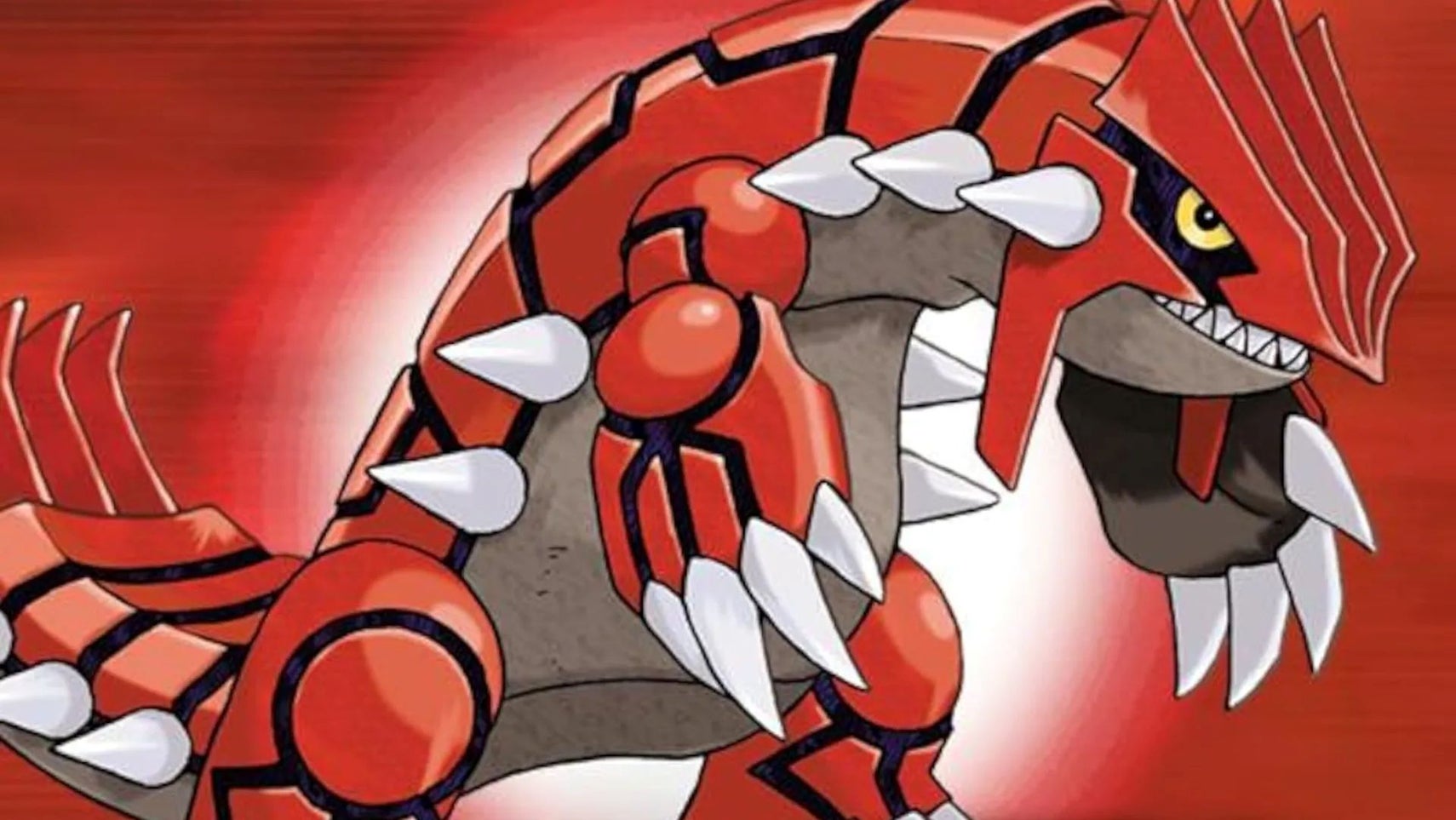
In late 2002, Game Freak released Pokémon Ruby and Pokémon Sapphire in Japan for the Game Boy Advance, marking a monumental shift for the series. It was the first generation to transition hardware platforms entirely, resulting in a complete technical overhaul that introduced double battles, abilities, nature mechanics, and the vibrant, tropical-inspired Hoenn region. International rollouts followed throughout 2003, cementing the titles as defining handheld experiences of the early 2000s.
By 2004, the enhanced version, Pokémon Emerald, arrived to critical acclaim, followed swiftly by FireRed and LeafGreen, which successfully bridged the gap between Kanto and Hoenn. For nearly two decades, these titles remained strictly tethered to their original hardware or required specialized peripheral connectivity via the Nintendo GameCube. The subsequent release of Pokémon Omega Ruby and Alpha Sapphire for the Nintendo 3DS in 2014 provided full three-dimensional remakes, yet the original 2D pixel-art iterations retained a distinct dedicated following among purists and competitive players.
The transition of these titles to modern hybrid hardware began materializing in earnest with the expansion of the Nintendo Switch Online service library and dedicated standalone digital releases, culminating in the aforementioned FireRed and LeafGreen deployments. Should Ruby and Sapphire follow this established trajectory, it would complete the availability of the foundational eras of the franchise on a single unified platform.
Community Reactions and Expert Analysis

Prominent content creators, community analysts, and datamining collectives have weighed heavily on the implications of the official social media post. Prominent figures within the digital Pokémon community noted the stark contradiction between standard promotional archival practices and the deployment of high-definition emulation assets on verified corporate channels. While official representatives have traditionally relied on direct-feed emulation or archival captures capped at native resolutions, the utilization of scaled, high-clarity assets strongly implies internal pipeline testing or premature marketing deployment.
From a structural perspective, market researchers emphasize that Nintendo’s current hardware ecosystem thrives on legacy content availability. As consumers await formal communications regarding the successor to the Nintendo Switch, curating a comprehensive library of backward-compatible and retro-ported classics serves to maintain user engagement and subscription retention. Integrating titles from the Game Boy Advance library creates a continuous revenue stream with minimal capital expenditure compared to entirely new software development cycles.
Implications for the Broader Franchise Strategy
The potential introduction of Pokémon Ruby and Sapphire to modern platforms carries notable implications for both competitive communities and casual enthusiasts. The third generation introduced mechanics that fundamentally shaped the modern competitive landscape, including the calculation of Individual Values (IVs), Effort Values (EVs), and species-specific abilities. Providing an accessible, legally compliant digital avenue for players to experience these titles on current-generation screens bridges a generational divide that has grown increasingly wide as physical cartridges appreciate in the secondary collector market.
Furthermore, economic factors play a substantial role in corporate decision-making regarding legacy software. With physical copies of vintage Pokémon games commanding high prices among collectors, official digital distribution provides a consumer-friendly alternative while curbing the thriving market of unauthorized reproduction cartridges.
As of press time, neither Nintendo, Game Freak, nor The Pokémon Company has issued a formal statement confirming or denying the development of dedicated Pokémon Ruby and Sapphire ports for the Nintendo Switch or its anticipated successor. However, given the convergence of accidental promotional footage, technical data traces within previous software updates, and overwhelming market demand, the community remains intensely focused on upcoming digital showcases for official confirmation. Whether the Hoenn region will officially open its doors once more to modern console owners remains a question of timing rather than probability.