A Complicated Path to Release
The production, initially greenlit under the working title Titan, has undergone several iterations during its development cycle. Industry analysts often note that mid-budget horror films frequently undergo title changes to better align with marketing data and international distribution requirements. In this instance, the project was briefly rebranded as Boiúna: Legend of the Amazon before the studio settled on the final, more cryptic Beware Boiúna.
The term "Boiúna" draws from Amazonian folklore, referring to a giant, mythical serpent said to inhabit the depths of the Amazon River. By pivoting toward this specific cultural touchstone, Lionsgate appears to be signaling a desire to elevate the film’s status beyond a generic monster movie, positioning it instead as an exercise in atmospheric, regional horror. This rebranding strategy reflects a broader trend in the industry where studios attempt to lend prestige or historical weight to creature features to distinguish them in a saturated streaming market.
Production and Creative Direction
Mike P. Nelson, known for his work on the 2021 reboot of the Wrong Turn franchise and his contributions to the Silent Night, Deadly Night legacy, has utilized his experience in backwoods slasher aesthetics to craft this production. The creative team focused on practical effects and a deliberate, slow-burn tension, moving away from the CGI-heavy spectacle that characterized earlier iterations of the giant snake subgenre, such as the 1997 Anaconda franchise.
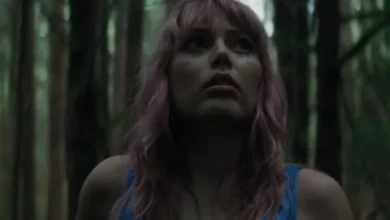
The film features a notable ensemble cast, led by Jessica Rothe, recognized for her lead role in the Happy Death Day series, Kiana Madeira of the Fear Street trilogy, and Logan Marshall-Green, who gained critical acclaim for his performance in the 2018 film Upgrade. The inclusion of these performers suggests a strategic effort to appeal to a younger, horror-savvy demographic that favors character-driven narratives even within the constraints of survival-themed thrillers.
Critical Reception and Audience Impact
During its premiere at Fantastic Fest, the film received a generally positive reception, with reviewers noting a distinct departure from the campy tone often associated with giant animal features. Matt Konopka, writing for Dread Central, awarded the film a 3.5 out of 5 rating, characterizing it as a particularly "mean" and "bloody" addition to the genre. While the film faced some criticism regarding its pacing and the depth of its supporting ensemble, the consensus focused on Nelson’s ability to generate genuine dread through the use of the titular creature.
The film’s performance at the festival serves as a bellwether for its digital release. By generating a reputation for high-tension sequences and effective practical scares, the production has established a baseline of interest among genre enthusiasts. This is particularly important for Lionsgate, as the digital-first release model relies heavily on word-of-mouth and early critical reviews to drive rentals and purchases in the absence of a traditional theatrical wide release.

Market Context and Strategic Distribution
The decision to release Beware Boiúna on November 3, 2026, is a calculated move to capitalize on the post-Halloween market. Historically, the period immediately following October 31 sees a sustained, albeit slightly diminished, interest in horror content. By positioning the film as a "palate cleanser" for audiences looking to extend the seasonal atmosphere, Lionsgate is maximizing the utility of its distribution window.
This release also highlights the current state of the mid-budget horror film industry. With theatrical exhibition becoming increasingly competitive, studios are finding that digital platforms offer a more stable path to profitability for genre-specific films. The cost-to-benefit ratio of these productions is often superior when localized to digital storefronts, where the target audience—who are already predisposed to seeking out specific horror titles—can access the film without the overhead of marketing a wide theatrical rollout.
The Evolution of the Creature Feature
The genre of "giant animal" horror has historically struggled to reinvent itself. From the 1950s atomic-age monster movies to the creature features of the 1990s, the formula has often been repetitive. The success of Beware Boiúna hinges on its ability to bypass the tropes that have made the subgenre feel stagnant. By grounding the narrative in a medical mission—a trope that provides a logical reason for characters to be isolated in a hostile environment—the film attempts to maintain a semblance of grounded reality.
Furthermore, the integration of Amazonian folklore provides a narrative framework that is less exhausted than the standard "mutated animal" plotline. Industry observers note that the success of films like The Ritual or Barbarian has shown that modern audiences are increasingly receptive to horror that incorporates local legend and psychological stress. If Beware Boiúna succeeds in its digital run, it could serve as a model for future creature features that prioritize atmosphere over pure spectacle.
Implications for Future Projects
The trajectory of Beware Boiúna provides a case study in the modern challenges of film distribution. Between the shifting titles, the transition from theatrical aspirations to a digital-first strategy, and the focus on a high-concept creature design, the project illustrates how studios are adapting to changing consumer behaviors. For Lionsgate, the project represents a low-risk, high-reward strategy that utilizes a recognizable, if somewhat difficult to pronounce, title to capture attention in a crowded streaming landscape.
As the industry looks toward 2027 and beyond, the performance of this film will likely influence how studios approach similar mid-tier horror projects. If the film achieves significant viewership numbers on digital platforms, it may embolden studios to continue investing in creature-feature concepts that lean into darker, more intense tones rather than attempting to replicate the broad-appeal, action-heavy approach of previous decades.
Ultimately, the release of Beware Boiúna on November 3 marks the end of a long journey for a film that has spent considerable time in the public eye during its development. Whether the film’s unique approach to the giant snake subgenre will resonate with a wider audience remains to be seen, but the groundwork for its release has been laid with a focus on critical acclaim and a strategic, post-Halloween launch date. The film stands as a testament to the ongoing evolution of horror cinema in an era defined by digital accessibility and the constant demand for fresh, visceral narratives.