The ArmA family tree: How a niche military simulator birthed the modern era of multiplayer gaming

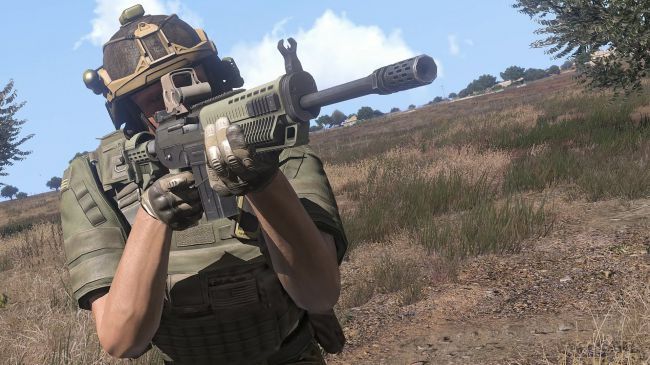
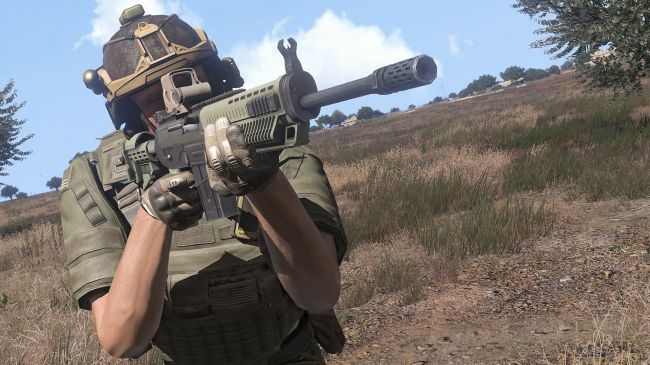
The history of modern PC gaming is often viewed through the lens of standalone blockbusters and high-budget studio releases. However, a significant portion of the industry’s most profitable and influential multiplayer genres traces its lineage back to a single source: Bohemia Interactive’s Arma series. While the series is categorized as a hyper-realistic military simulation (milsim), its true legacy lies in its role as a foundational sandbox. By fostering an open-architecture environment that encourages user-generated content, Bohemia Interactive inadvertently provided the technological and conceptual framework for the survival, battle royale, and roleplay genres that currently dominate the global gaming market.
The Genesis of the Sandbox
To understand the profound influence of the Arma series, one must first recognize the design philosophy of the Czech-based developer, Bohemia Interactive. Since the release of Operation Flashpoint: Cold War Crisis in 2001—the spiritual predecessor to the Arma series—the studio has prioritized moddability. This decision transformed a niche simulator into a laboratory for game design.
The core strength of the Arma engine lies in its expansive scale and its ability to simulate complex, persistent entities across massive maps. Unlike traditional first-person shooters that rely on tightly scripted corridors, Arma’s architecture allows for emergent gameplay. When developers and players began manipulating these systems, they discovered that the engine’s ability to track inventory, health, and vehicle physics in a wide-open environment was perfectly suited for genres that had not yet been codified.
Chronology of an Industry Shift
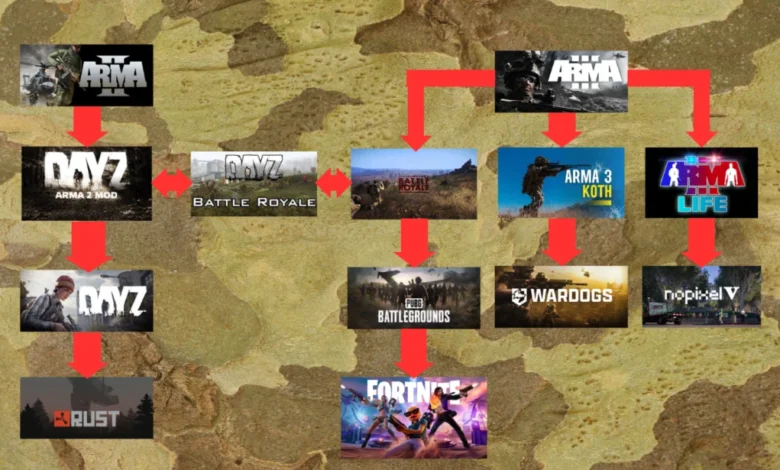
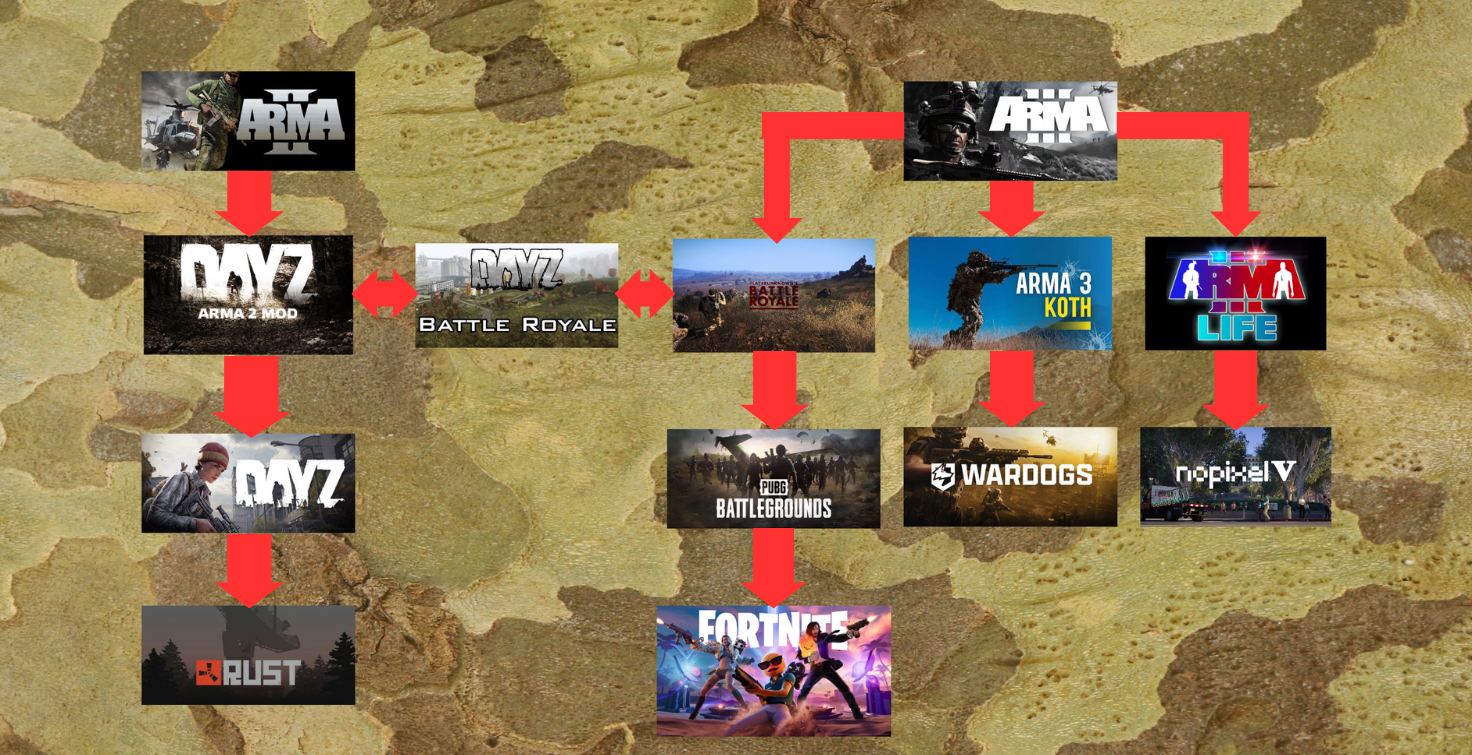
The ripple effect of Arma’s influence can be tracked through a distinct timeline of mods that eventually migrated into standalone commercial titles.
-
2009–2012: The Survival Revolution: The most prominent early success story began with DayZ. Developed as a mod for Arma 2 by Dean Hall, the project introduced the concept of PvPvE (Player versus Player versus Environment) survival to a mainstream audience. It fundamentally changed how players interacted with the game world; the threat was no longer just the AI, but the potential betrayal by other human players. This mod’s viral success eventually led to the development of a standalone DayZ title, which paved the way for the multi-billion dollar survival crafting genre, including titles like Rust and Ark: Survival Evolved.
-
2013–2017: The Battle Royale Explosion: Brendan "PlayerUnknown" Greene, operating within the Arma 2 and Arma 3 modding communities, refined the concept of the battle royale. His mod, PlayerUnknown’s Battle Royale, utilized the large-scale map systems of the Arma engine to force players into a shrinking play area. This mod served as the direct precursor to PUBG: Battlegrounds. The subsequent adoption of the battle royale format by Epic Games for Fortnite in 2017 finalized the shift, turning a niche mod into the dominant competitive format of the late 2010s.
-
2015–Present: Roleplay and Tactical Shooters: The evolution continued with Arma 3: King of the Hill, a mode that emphasized objective-based, three-team combat. This mode has recently been adapted into the modern shooter Wardogs. Simultaneously, the rise of GTA 5 roleplay servers, specifically NoPixel, finds its roots in the Altis Life mod for Arma 3. These platforms shifted the focus from combat to social simulation, proving that the Arma engine could sustain persistent, community-driven narrative experiences.
Supporting Data and Market Impact
The economic implications of these developments are staggering. While Bohemia Interactive remains a mid-sized independent studio, the genres it helped facilitate represent a substantial portion of the annual revenue for the gaming industry.
For instance, the battle royale genre—born from an Arma mod—is estimated to generate billions of dollars annually through microtransactions and battle passes. Similarly, the survival genre has seen consistent growth, with Steam data consistently showing that survival-crafting titles occupy several of the top spots in terms of concurrent player counts. The "mod-to-standalone" pipeline has become a standard industry practice, with major publishers now closely monitoring community creations to identify the next breakout trend.
Official Responses and Industry Recognition
Bohemia Interactive has historically embraced this ecosystem, treating it as a collaborative effort rather than an unauthorized redistribution of their intellectual property. The company frequently hosts "Make Arma Not War" contests, providing financial incentives and professional support to modders.
In statements regarding the longevity of their titles, representatives from Bohemia have noted that the "community-driven" nature of the Arma series is the primary reason for its decade-long relevance. By lowering the barrier to entry for content creation, they have ensured that the Arma series remains a persistent "living" game, even as newer, more graphically advanced titles compete for the same demographic. The recent resurgence of interest in these roots, fueled by social media platforms like TikTok, has served to remind a new generation of gamers that the mechanics they enjoy in modern shooters are often evolutionary descendants of a decade-old milsim project.
Broader Implications for Game Development
The legacy of the Arma family tree serves as a case study in the power of open-platform development. There is a distinct lesson for the industry: when developers relinquish total control over their product, they allow for a degree of innovation that a closed, internal development team could never achieve.
The implications for future game design are clear. The most successful games of the next decade may not be those that offer the most polished, curated experiences, but those that provide the most flexible tools for their players. As game engines become more accessible, the "Arma model"—where the developer provides the infrastructure and the community provides the game—is becoming the preferred path for testing high-risk, high-reward concepts.
Furthermore, the Arma lineage highlights the role of the "modder as developer." Many of the key figures in the modern industry, including those who now lead major studios, began their careers by tweaking code in Arma servers. This democratization of game design has essentially turned the Arma series into an informal trade school for some of the world’s most successful game designers.
Conclusion
From the bleak, survivalist landscapes of DayZ to the high-intensity combat of PUBG and the intricate social dynamics of NoPixel, the influence of the Arma series is woven into the very fabric of modern gaming. It remains a testament to the idea that a robust, flexible, and open sandbox is often more valuable than a finished product. As the industry moves toward increasingly sophisticated simulation technology, the Arma series stands as a primary example of how a singular, community-focused vision can change the trajectory of an entire medium. The family tree of Arma is not just a list of mods and games; it is the history of modern multiplayer innovation, and its branches continue to grow.