Bit Reactor Begins Re-Hiring Furloughed Developers Following the Successful Launch of Star Wars Zero Company

Developer Bit Reactor has initiated the process of bringing back members of its workforce who were placed on unpaid leave shortly before the release of its tactical strategy game, Star Wars: Zero Company. The studio, which faced severe financial and operational instability leading up to the game’s debut, characterized the re-hiring phase as a vital development for the ongoing support and lifecycle of the title.
The announcement, delivered by studio Chief Executive Officer Greg Foertsch, marks a significant turn of events for a company that shocked the gaming industry weeks before its flagship product hit the market. While the return of a portion of the staff offers a measure of relief, the studio’s broader recovery remains ongoing as questions linger regarding the full restoration of its workforce and the long-term stability of the independent developer.
The Genesis of Star Wars: Zero Company and the Studio Behind It
Bit Reactor was founded by industry veterans with a pedigree in strategic video game development, aiming to marry complex, grid-based tactical mechanics with premier intellectual properties. The studio gained major industry attention when it partnered with publisher Electronic Arts and developer Respawn Entertainment to produce a Star Wars tactical game.
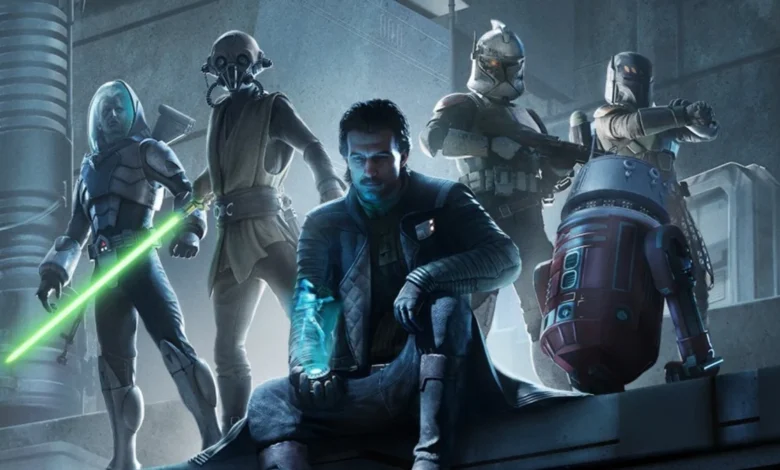
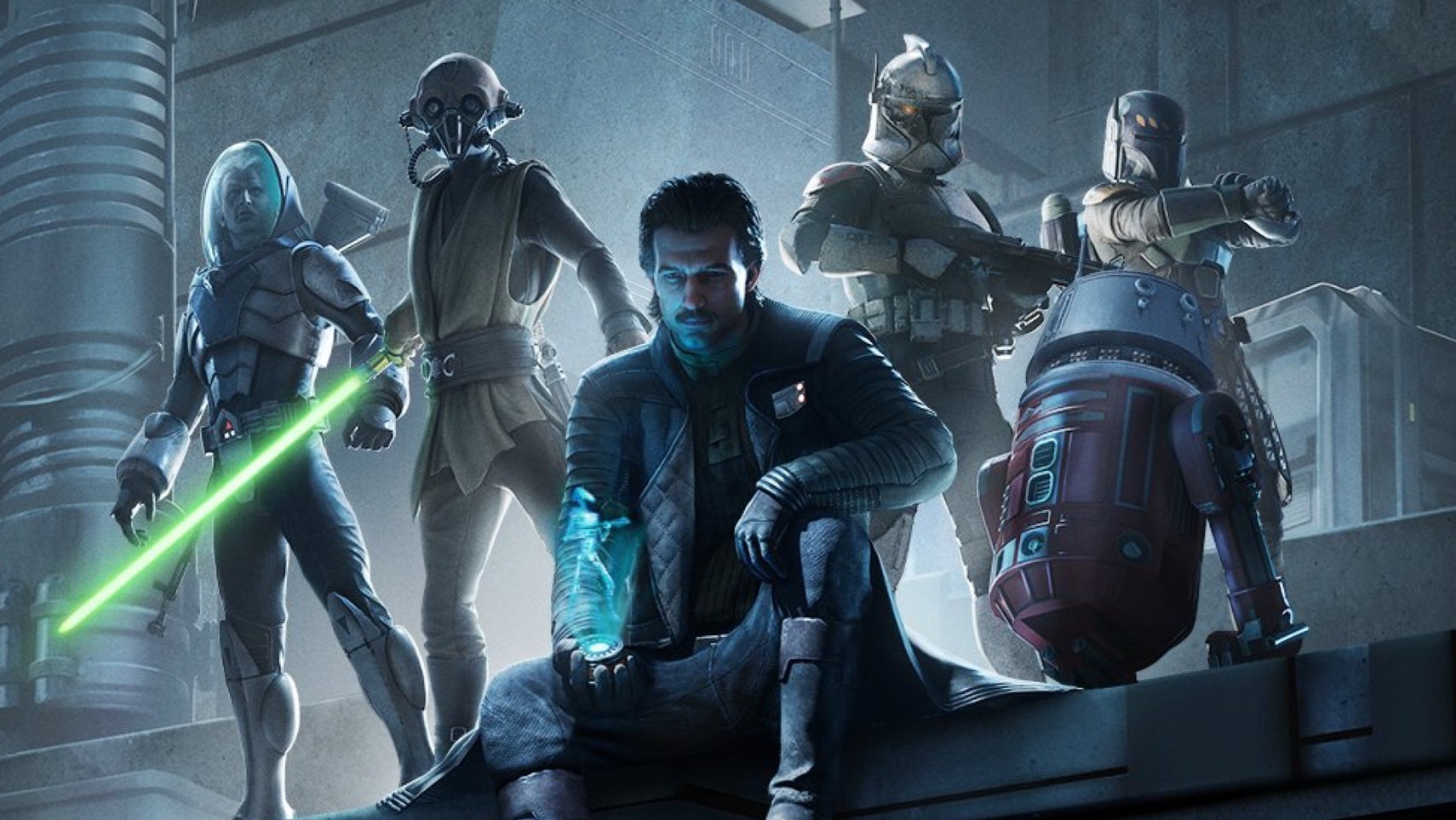
Star Wars: Zero Company was designed to bridge the gap between traditional tactical computer role-playing games—drawing heavy inspiration from the acclaimed XCOM series—and the rich, expansive lore of the Star Wars universe. The game’s promotional materials and eventual release showcased a distinct squad-based experience, featuring iconic factions such as Jedi, Mandalorians, and Clone Troopers operating in deeply strategic, turn-based combat environments.
For strategy enthusiasts and Star Wars fans alike, the premise filled a long-standing gap in the franchise’s gaming catalog, which has historically leaned toward action-adventure titles, flight simulators, and role-playing epics. Expectations were high, and the pre-release hype indicated that Bit Reactor had crafted a unique offering capable of capturing a dedicated audience.
An Unprecedented Pre-Launch Crisis: The Furloughs
Despite the high profile of the project and its impending release, internal stability at Bit Reactor crumbled under the weight of financial strains and administrative conflict. Weeks prior to the launch of Star Wars: Zero Company, reports emerged that the studio had been forced to furlough approximately 80 percent of its total workforce.
This drastic measure meant that the vast majority of the developer’s staff were placed on an indefinite leave of absence without pay or healthcare benefits during the most crucial final stretch of game polishing and deployment. The root cause of the financial emergency was multifaceted. Industry reports and public records revealed a severe cash-flow crisis exacerbated by internal friction and a legal dispute between studio co-founders Alison Kelly and CEO Greg Foertsch, a conflict that ultimately resulted in Foertsch assuming sole ownership of the company.
The timing of the furloughs drew sharp criticism from labor advocates and industry observers, who condemned the practice of sidelining development talent at the exact moment their creation was poised to generate commercial revenue. Developers who had poured years of labor into realizing the tactical Star Wars vision found themselves suddenly unemployed and financially vulnerable just as the fruits of their labor were about to be put on display for the global market.
Commercial Success Fuels the Path to Re-Hiring
Fortunately for the future of the studio and its remaining personnel, Star Wars: Zero Company shattered initial commercial expectations upon its release. The title resonated powerfully with consumers, rapidly surpassing the milestone of one million copies sold within its initial release window.
Critics and players praised the title for successfully translating tactical depth into a galaxy far, far away, blending tight mechanics with polished presentation. This immediate and overwhelming market success injected much-needed capital back into Bit Reactor, providing the financial lifeline required to begin reversing the devastating employment cuts enacted weeks prior.
In his public statement addressing the turnaround, CEO Greg Foertsch acknowledged the gravity of the situation and expressed gratitude to both the returning staff and the gaming community.
"This week, we started the process of returning more of our team back to work at Bit Reactor, an important step forward in our continued support for Zero Company," Foertsch stated. "Having to ask team members to step away after we navigated unexpected business developments outside of our control and so close to launch was an incredibly difficult decision, but one that was necessary to help us eventually bring as many people back as possible."
Foertsch emphasized the deep personal connection he felt toward the workforce that brought the project to life. "This team means a tremendous amount to me, and I am incredibly proud of what we have accomplished together," he added. "Thank you to our fans for the incredible response to the game and for supporting us along this journey. We look forward to sharing more updates regarding Bit Reactor and Zero Company soon."
Current Status of the Workforce and Ongoing Inquiries
While the announcement of returning developers is an encouraging development, the scope of the rehiring remains partially opaque. Bit Reactor has not officially disclosed the precise number of employees who have been reinstated to active payroll status. However, industry reporting from specialized outlets, citing sources familiar with internal studio operations, indicates that more than half of the studio’s original headcount has successfully returned to work.
This leaves a notable portion of the former workforce still in professional limbo. The distinction between returning to work and achieving full employment stability remains a critical point of concern for labor monitors who have tracked the studio’s trajectory. While the financial windfall from the rapid sales of Star Wars: Zero Company has enabled this initial wave of recalls, the long-term security of all displaced workers has not yet been fully guaranteed.
Broader Implications for the Games Industry and Independent Studios
The situation at Bit Reactor highlights systemic vulnerabilities within the modern video game development ecosystem, particularly regarding independent studios working under high-stakes publishing arrangements. The friction between creative ambition, corporate funding dependencies, and internal corporate governance can culminate in catastrophic outcomes for rank-and-file developers who bear the brunt of financial mismanagement or sudden capital shortages.
Furthermore, the incident underscores the precarious nature of employment even when working on globally recognized intellectual properties. Developing a game tied to a powerhouse franchise like Star Wars does not inherently insulate a studio from fiscal insolvency, legal disputes, or cash-flow mismanagement.
From an analytical perspective, the rapid commercial success of Star Wars: Zero Company also demonstrates the immense market appetite for well-executed, genre-bending strategy games. The ability of the title to clear the million-sales threshold so quickly proves that tactical gameplay models, when paired with powerful narrative universes, can achieve mainstream viability. This success likely played a decisive role in accelerating the restoration of studio funding, proving to stakeholders that continued investment in the property and its creators is commercially viable.
Looking Ahead for Bit Reactor
As Bit Reactor works to reintegrate its returning staff, the immediate operational focus will shift toward providing post-launch support, releasing patches, and potentially developing expansions or new content for Star Wars: Zero Company. The game’s strong market performance has established a solid foundation upon which the studio can rebuild its reputation and financial health.
Nevertheless, the studio faces the ongoing challenge of healing internal divisions and rebuilding trust within the development community. The manner in which the studio manages the remainder of its un-furloughed personnel and handles future administrative operations will be closely watched by industry peers and labor advocates alike.
For now, the return of key development talent marks a crucial first step on the road to recovery for a studio that nearly collapsed under the weight of its own internal crisis just as it achieved its greatest commercial triumph.