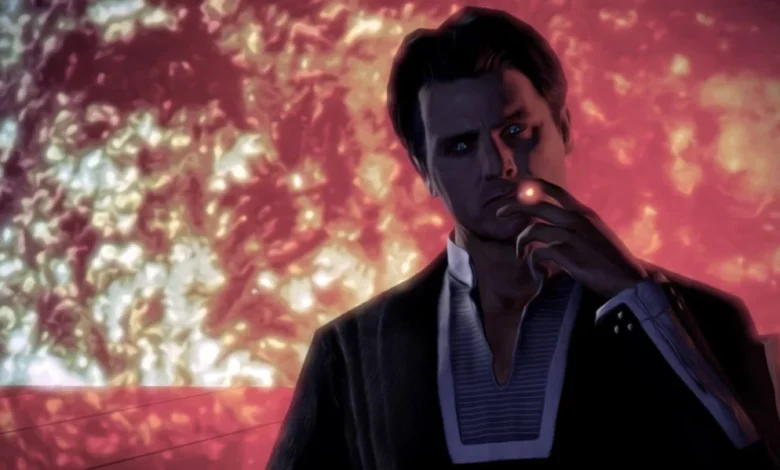
The landscape of modern science fiction entertainment underwent a seismic shift following a series of corporate and creative developments that permanently altered the trajectory of one of the industry’s most cherished intellectual properties. On October 21, Electronic Arts (EA) made the definitive announcement that it was shuttering BioWare, the legendary studio responsible for pioneering some of the most influential role-playing games (RPGs) of the past three decades. This abrupt closure spelled an immediate end for the storied developer, effectively halting future installments of the Mass Effect franchise, terminating the Dragon Age series, and casting doubt upon numerous unannounced projects that had been deep in conceptual phases.
Yet, even as the interactive gaming division of the franchise faces an indefinite hiatus, the broader horizon for the universe remains surprisingly active. Industry confirmations, most notably a recent report from IGN, have validated that Amazon Prime Video’s long-anticipated television adaptation of Mass Effect remains safely in active development. This continuation offers a vital lifeline to millions of devoted fans who, alongside prominent actors and creators associated with the series, have mobilized extensive online preservation campaigns to ensure that humanity’s first steps into the interstellar Council and the looming threat of the Reapers are not permanently consigned to history.
The Chronology of a Franchise Crisis
To understand the weight of the current moment, one must examine the timeline that led to the intersection of BioWare’s closure and the survival of the television adaptation. Launched in 2007 by Microsoft Game Studios and BioWare, the original Mass Effect established a new standard for narrative-driven sci-fi gaming. It combined third-person shooter mechanics with branching dialogue choices, allowing players to step into the boots of Commander Shepard. The subsequent releases of Mass Effect 2 in 2010 and Mass Effect 3 in 2012 solidified the trilogy as a monumental achievement in interactive storytelling.
Despite the critical acclaim of the initial trilogy, subsequent years brought turbulent waters for BioWare. The 2017 spin-off, Mass Effect: Andromeda, received a polarized reception due to technical bugs and narrative departures, leading EA to place the franchise on ice for several years. BioWare subsequently shifted its focus toward Anthem and the eventual revival of Dragon Age: The Veilguard. However, sustained corporate restructuring within EA ultimately culminated in the October 2025 decision to shutter BioWare entirely, a move that stunned the video game industry and left the future of its premier franchises in profound jeopardy.
Parallel to these studio struggles, adaptation efforts had been quietly moving behind the scenes. Discussions regarding a cinematic or televised translation of Mass Effect have circulated Hollywood for well over a decade, with legendary pictures initially attempting a feature film adaptation that ultimately stalled in development hell. The paradigm shifted when prestige television proved that complex, sprawling video game worlds could be faithfully and successfully translated to the small screen. Encouraged by the massive critical and commercial triumphs of adaptations like HBO’s The Last of Us and Amazon Prime Video’s Fallout, corporate stakeholders recognized that Mass Effect possessed the cinematic scale required for high-budget episodic television. By the time EA shuttered BioWare in late 2025, the Prime Video series had already transitioned from a speculative concept into a structured production, spearheaded by a dedicated writers’ room.
Creative Direction and Showrunning Talent
The transition from interactive media to a linear television format requires a delicate balance of honoring established lore while crafting a narrative suited for passive viewing. Amazon Prime Video has addressed this challenge by assembling a robust writing and production team boasting extensive blockbuster credentials.
Leading the creative charge are writers Doug Jung and Dan Casey, both of whom bring deep familiarity with high-concept science fiction and action-heavy cinematic universes. Jung’s pedigree includes co-writing Star Trek Beyond, widely regarded by enthusiasts as the narrative high-water mark of the rebooted "Kelvin Timeline" trilogy, where he demonstrated a strong aptitude for ensemble character dynamics and interstellar diplomacy. Meanwhile, Casey brings invaluable blockbuster pacing from his extensive involvement with the globally lucrative Fast and Furious franchise. Their combined expertise suggests that the television series will prioritize the intricate character development, political intrigue, and grand cosmic action sequences that defined the source material.
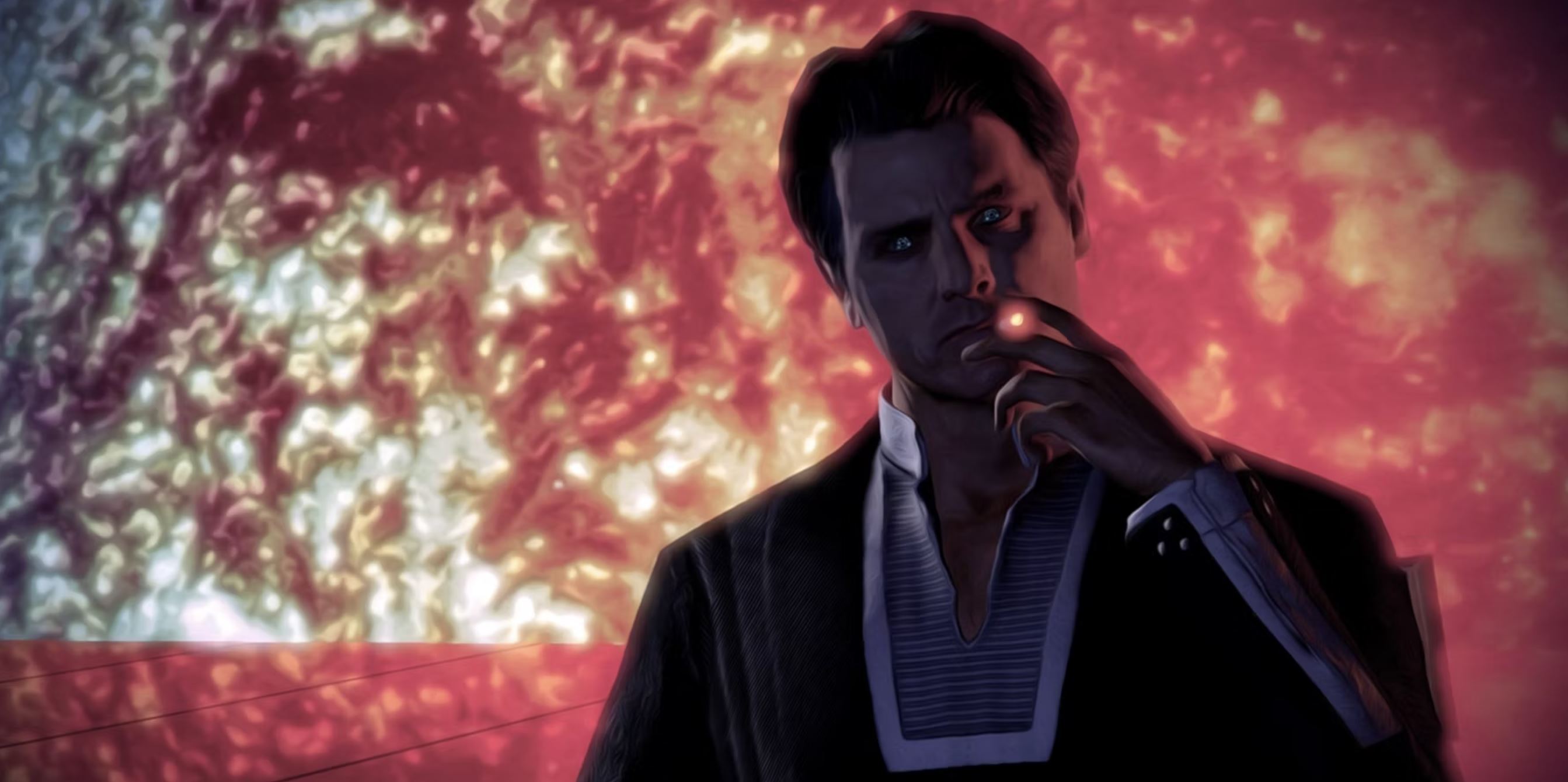
Crucially, the creative leadership made the deliberate decision to bypass a direct retelling of Commander Shepard’s journey. This choice addresses one of the primary anxieties voiced by the fan community: that a linear television medium would invalidate the deeply personal choices made by individual players throughout the trilogy. In the interactive games, Shepard’s gender, appearance, moral alignment, romantic entanglements, and ultimate philosophical decisions at the conclusion of Mass Effect 3 belonged entirely to the player.
Former BioWare executive Mike Gamble addressed this exact narrative philosophy in a statement released via his personal blog: "The writers room is going strong, and we’ve got a lot figured out about how it fits within the Mass Effect canon, and where it sits in respect to the new game. The show will explore a brand-new story within the universe’s timeline, and will be set after the original trilogy. It won’t be a retread of Commander Shepard’s story — because after all… that’s YOUR story, isn’t it?"
Navigating Canon Post-Trilogy
Setting the television series in the post-trilogy era presents both formidable narrative hurdles and vast creative opportunities. At the culmination of Mass Effect 3, Commander Shepard faces the definitive choice represented by the Crucible, leading to outcomes that fundamentally alter the state of the galaxy. Regardless of the specific choice selected by the player, the immediate aftermath involves the severe disruption or destruction of the mass relays—the ancient technological network that allowed civilizations to travel instantaneously across vast interstellar distances.
For a society accustomed to effortless galactic transit, the loss or impairment of the mass relays creates an unprecedented period of isolation, logistical crisis, and political realignment. Jung, Casey, and the Prime Video writing team must navigate these complex geopolitical fallout zones without officially declaring one specific "canon" ending for Shepard’s fate. By focusing the narrative on new characters operating in the shadows of these monumental historical events, the series can explore the struggles of ordinary citizens, mercenaries, politicians, and explorers attempting to rebuild a fractured civilization. This approach mirrors the successful storytelling strategies employed by long-running franchises like Star Wars and Star Trek, which frequently use historical eras as a backdrop to tell localized, character-driven stories.
Industry Implications and the New Era of Game Adaptations
The survival and active development of the Mass Effect television series against the backdrop of BioWare’s closure highlights a broader economic and creative shift within the entertainment industry. For decades, video game adaptations were frequently treated as companion marketing materials or low-risk, high-profit cash grabs, often resulting in critically panned cinematic releases.
However, the immense cultural penetration of modern gaming has transformed these properties into foundational intellectual properties comparable to comic books or classic literary canons. Amazon Prime Video’s aggressive investment in game-to-television pipelines—evidenced by the record-breaking viewership of Fallout and the ongoing development of properties like God of War—demonstrates a growing confidence in serialized game adaptations.
For Mass Effect, the television series now carries an extraordinary burden. It is no longer merely an expansion of a thriving multimedia franchise; it is the primary vehicle tasked with keeping a dormant universe alive in the public consciousness. If Amazon and its creative team execute their vision effectively, the show has the potential to introduce millions of new viewers to the rich lore of the galaxy while offering long-term fans a meaningful continuation that honors the legacy of the interactive masterpieces that started it all. As production continues behind closed doors, the overarching message to the entertainment world is clear: while individual studios may close and gaming platforms may evolve, well-crafted universes built on strong narrative foundations possess a resilience that extends far beyond the confines of a single medium.