From his humble beginnings penning scripts for B-movie shlock factories and low-budget independent projects to orchestrating multi-billion-dollar cinematic universes as the co-head of DC Studios, James Gunn has carved out one of the most singular and improbable trajectories in modern entertainment history. Today, with high-profile television series like Lanterns driving significant viewership for HBO and global anticipation mounting for upcoming theatrical releases, Gunn stands as one of the most commercially viable and creatively distinct filmmakers in the media landscape. However, his rise to the apex of Hollywood was neither linear nor conventional.

Gunn’s early career was defined by an edgy, anti-establishment sensibility that flourished within the fringe parameters of Troma Entertainment. Collaborating with exploitation pioneer Lloyd Kauffman, Gunn absorbed a distinct brand of transgressive comedy, practical special effects reliance, and an affinity for marginalized, bizarre characters. This foundational ethos carried through his early solo directorial efforts, web-based video experiments, and subversive indie features, occasionally landing him in hot water—such as his temporary, highly publicized dismissal from The Walt Disney Company following the resurrection of controversial historical social media posts. Yet, rather than derailing his career, these hurdles cemented his identity as a genuine auteur whose signature blend of crude humor, flamboyant aesthetics, and disarming emotional vulnerability ultimately transformed the modern superhero genre.
An analysis of Gunn’s complete directorial filmography reveals a fascinating evolution in technical proficiency and thematic maturity. Across shorts, television series, and blockbuster features, his fixation on oddballs, outcasts, and deeply flawed heroes has remained a constant, even as the scale of his productions expanded exponentially.

From Troma Roots to Web-Based Experimentation
Gunn’s induction into the film industry bypassed traditional institutional routes, anchoring instead in the gonzo world of independent exploitation cinema. While he did not attend a formal film school, his tenure at Troma Entertainment served as an intensive masterclass in guerrilla filmmaking. Working alongside Kauffman, Gunn co-wrote the 1996 feature Tromeo and Juliet and later starred in the 2004 satirical mockumentary Lollilove, directed by his then-wife Jenna Fischer. His most direct early directorial contributions, however, materialized within the wrap-around segments of the television series Tromaville Cafe.
Aired on the BBC between 1997 and 2000, Tromaville Cafe acted as a broadcast platform for Troma’s library, featuring titles like The Toxic Avenger and Class of Nuke ’Em High. Gunn directed the brief five-minute framing skits featuring franchise staples like Toxie and Sgt. Kabukiman. While the budgetary and television constraints left little room for visual innovation, these segments established the satirical, irreverent comedic timing that would echo throughout his subsequent career.
A decade later, Gunn leaned further into emerging digital distribution formats with James Gunn’s PG Porn, a 2008 web series created alongside his brothers Brian and Sean for Spike.com. Comprising eleven episodes, the series subverted adult film tropes by adhering strictly to a PG rating, eliminating all explicit nudity and sexual content in favor of jarring comedic pivots. Episodes featured high-profile mainstream actors—including Nathan Fillion, Craig Robinson, and Alan Tudyk—navigating scenarios that abruptly morphed from erotic tension into mundane or tragic realities, such as terminal medical diagnoses. This project demonstrated Gunn’s ability to execute precise comedic timing and attract recognizable talent while pushing the boundaries of conventional media platforms.
The Indie Breakthrough and Superhero Deconstruction
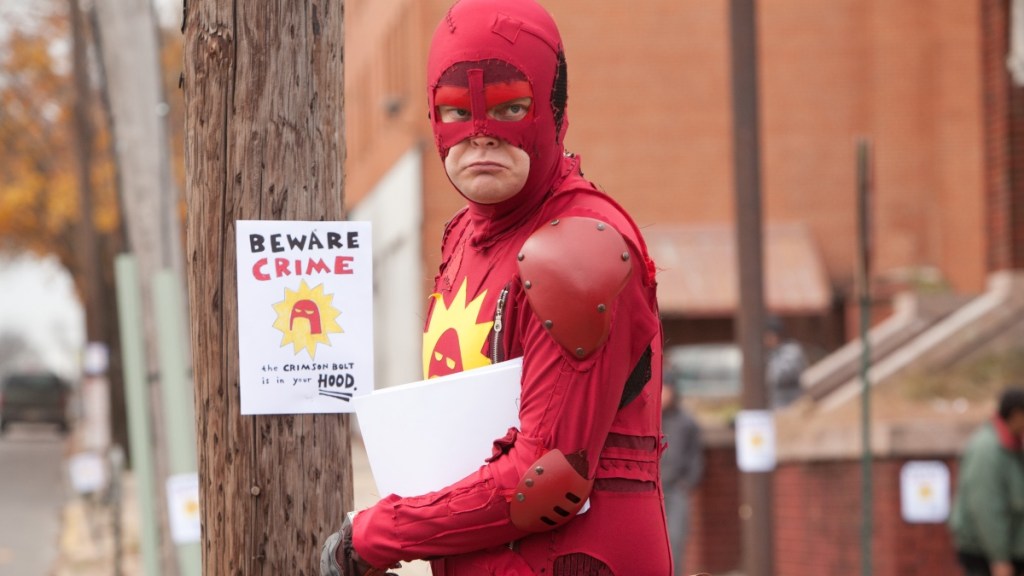
Before assuming command of massive intellectual properties, Gunn explored the psychological underpinnings of costumed vigilantism through an independent lens. His second feature film, 2010’s Super, starred Rainn Wilson as Frank Darbo, a disenfranchised individual who adopts a crude superhero persona—the Crimson Bolt—after his wife falls under the influence of a charismatic criminal, played by Kevin Bacon.

While Super engaged with themes that would become central to Gunn’s filmography—such as societal outcasts seeking redemption through performative heroism—the film lacked the emotional softening of his later blockbusters. Bolstered by an erratic teenage sidekick portrayed by Elliot Page, the film’s narrative leaned heavily into cruelty and psychological bleakness. Critics noted that Super functioned as a necessary artistic exorcism, allowing Gunn to purge a certain brash cynicism before transitioning into mainstream studio filmmaking.
Simultaneously, Gunn’s cinematic voice began merging with high-concept genre filmmaking through 2006’s Slither. Paying homage to 1970s and 1980s body horror staples by David Cronenberg and Wes Craven, the film featured Nathan Fillion as a small-town police chief battling an alien parasite that transforms a local resident into a flesh-eating mutant. Beneath the visceral, gooey practical effects and dark humor, Slither introduced a signature element that would define Gunn’s future blockbusters: an unexpected, deeply tender emotional vulnerability centered around flawed, relatable human connections.
Reshaping the Marvel Cinematic Universe
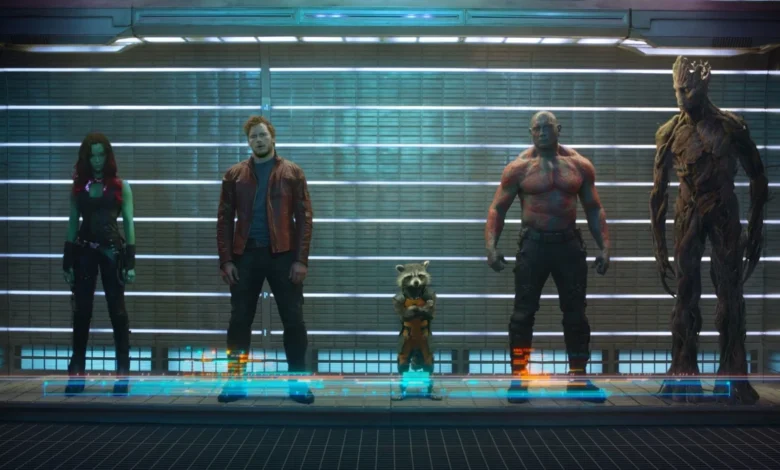
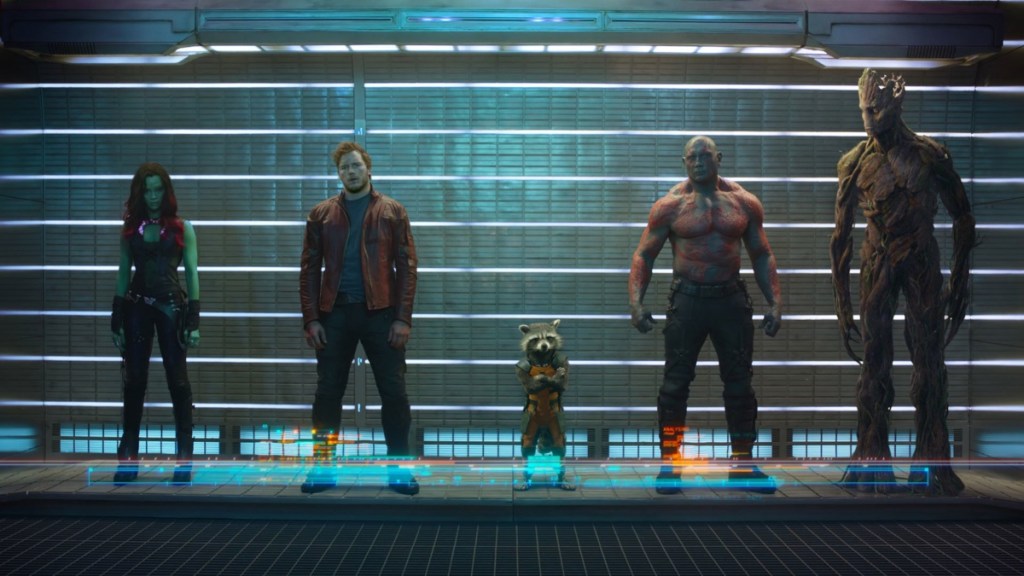
Gunn’s transition to major studio blockbusters arrived in 2014 with Guardians of the Galaxy, a project industry analysts initially perceived as a critical vulnerability for Marvel Studios. Unlike established properties such as Iron Man, the Guardians possessed minimal mainstream name recognition, and their narrative focus on abrasive, dysfunctional space outcasts diverged sharply from conventional heroic archetypes.
Gunn embraced these perceived risks, utilizing the cosmic property to showcase characters historically ignored by mainstream audiences. By blending a classic pop-music soundtrack, vibrant visual world-building, and profound character-driven humor, Guardians of the Galaxy grossed over $773 million worldwide. The film validated Marvel’s expansion into cosmic territory and established Gunn as a premier blockbuster auteur capable of humanizing eccentric CG-generated protagonists like Rocket Raccoon and Groot.
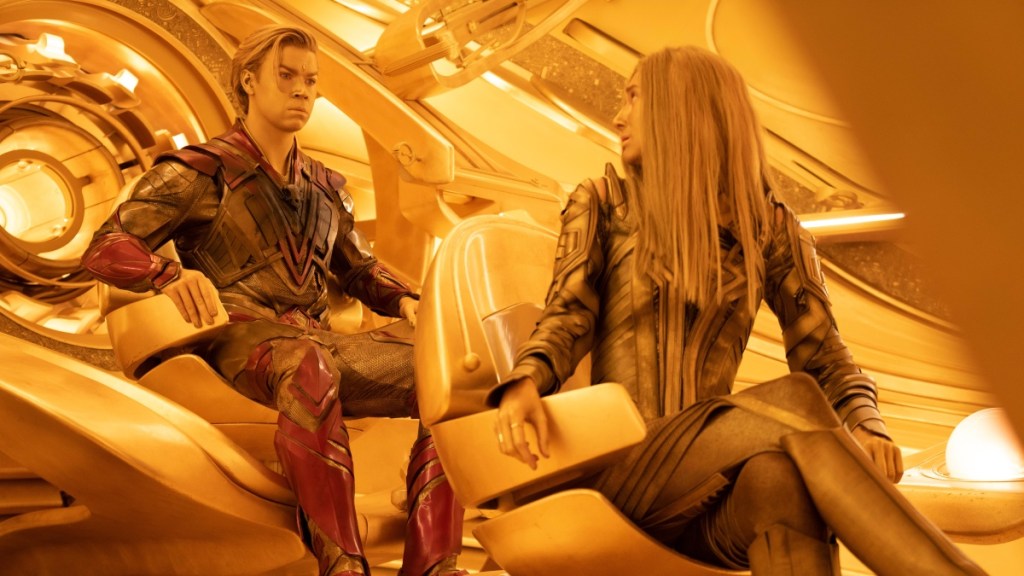
The director expanded upon this foundation with Guardians of the Galaxy Vol. 2 in 2017. Widely regarded as one of the strongest entries in the Marvel Cinematic Universe, the sequel elevated the visual palette and deepened the psychological stakes. By forcing characters like Peter Quill, Gamora, and Rocket to confront their deeply rooted familial traumas and self-destructive impulses, Gunn transformed the comedic misfits into fully realized, emotionally complex individuals.
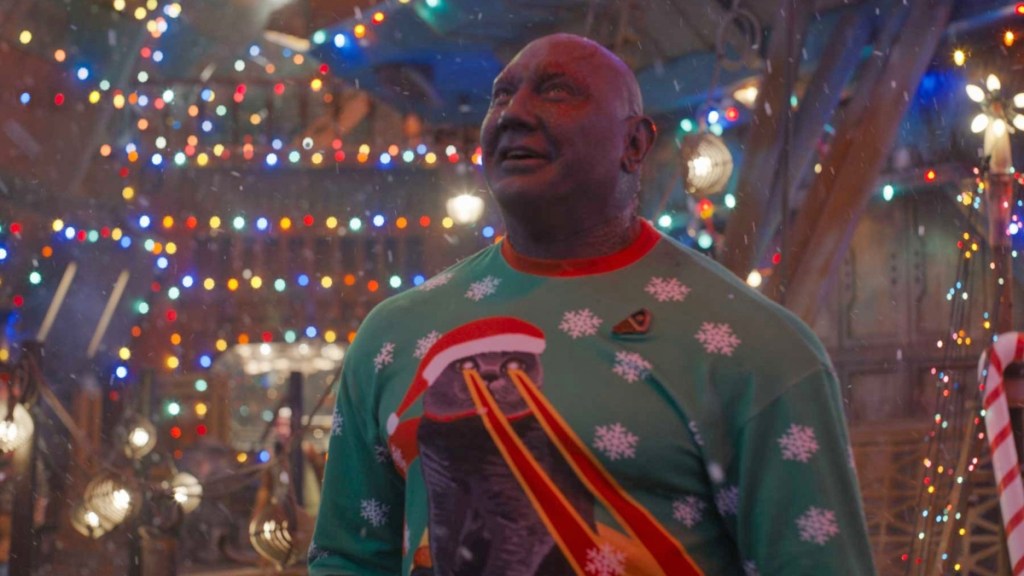
Following a brief, highly publicized termination by Disney in 2018—stemming from controversial past tweets—and his subsequent rehiring, Gunn concluded his trilogy with Guardians of the Galaxy Vol. 3 in 2023. Although the production cycle was complicated by his concurrent work for Warner Bros., the film delivered a poignant, emotionally resonant conclusion to the team’s narrative arc, anchored by Bradley Cooper’s vocal performance as Rocket and Chukwudi Iwuji’s antagonist, the High Evolutionary. Preceding the trilogy’s conclusion, Gunn also directed The Guardians of the Galaxy Holiday Special in 2022, leveraging the franchise’s established dynamic to deliver a festive, character-focused television presentation.
Transitioning to the DC Universe and Aesthetic Maturity
Following his temporary separation from Disney, Warner Bros. Pictures offered Gunn creative autonomy over The Suicide Squad (2021). Operating within the framework of the existing DC Extended Universe, Gunn delivered an R-rated, hyper-violent black-ops narrative that gleefully subverted audience expectations by eliminating numerous minor characters within the opening sequence. Beyond the visceral action and irreverent comedy, the film utilized its superpowered cast as a satirical commentary on foreign intervention and American imperialism, earning critical acclaim.
The success of The Suicide Squad yielded the HBO Max spin-off series Peacemaker (2022, 2025). Centered on John Cena’s titular jingoistic antihero, the series subverted expectations by evolving into a nuanced exploration of generational trauma, systemic racism, and toxic masculinity. Supported by critical praise and strong viewership metrics, Peacemaker solidified Gunn’s collaborative partnership with Warner Bros. and served as a foundational building block for his eventual appointment as co-chairman and co-CEO of DC Studios alongside Peter Safran.
Culminating this trajectory, Gunn assumed direct writing and directing duties for Superman (2025). Initially hesitant to approach the world’s quintessential superhero, Gunn ultimately pivoted toward a narrative framework that contrasted uncompromising, radical optimism against institutional cynicism. Featuring David Corenswet as the Man of Steel, Nicholas Hoult as Lex Luthor, and Rachel Brosnahan as Lois Lane, the film redefined the tonal direction of the newly established DC Universe.
Complete Chronological Ranking of James Gunn’s Directorial Works
- Superman (2025) – A tonal masterclass that revitalizes the iconic hero through uncompromised optimism, contrasting starkly against a cynical supporting cast.
- Guardians of the Galaxy Vol. 2 (2017) – A vibrant, emotionally resonant sequel that elevates the MCU standard through deep character exploration and visual audacity.
- Peacemaker (2022, 2025) – A television triumph that turns a one-note antagonist into a complex study of trauma and personal accountability.
- The Suicide Squad (2021) – A chaotic, politically trenchant blockbuster that solidified Gunn’s mastery of ensemble-driven superhero satire.
- Slither (2006) – A gooey, affectionate homage to classic body horror balanced by unexpected emotional sincerity.
- Guardians of the Galaxy (2014) – The historical turning point that proved B-list cosmic outcasts could anchor a global cinematic empire.
- The Guardians of the Galaxy Holiday Special (2022) – A charming, tightly executed festive diversion highlighting the franchise’s comedic chemistry.
- Guardians of the Galaxy Vol. 3 (2023) – An overstuffed yet deeply moving conclusion to a beloved trilogy, anchored by powerful emotional performances.
- Super (2010) – A brash, uncomfortably mean-spirited deconstruction of vigilantism that served as an essential artistic purge for the director.
- James Gunn’s PG Porn (2008) – A clever, precisely executed web series that weaponized adult film tropes for subversive comedic impact.
- Tromaville Cafe (1997-2000) – Low-budget BBC framing segments that laid the foundational, anti-establishment comedic building blocks for a legendary career.