The history of the arcade industry in the early 1990s is often dominated by the massive footprints of Capcom, SNK, and Sega. However, for every globally recognized title like Street Fighter II or Metal Slug, there existed a localized ecosystem of smaller developers pushing the limits of arcade hardware. Among these was the Spanish company Gaelco, a firm that carved out a niche in the European market with titles that blended high-octane action with the distinct visual flair of the era. This October, retro-gaming publisher QUByte Interactive is set to reintroduce two of these forgotten gems to a modern audience with the launch of the Thunder Hoop Collection on Steam.
A Journey Through Gaelco’s Arcade Legacy
Gaelco, based in Barcelona, Spain, was a significant player in the European coin-op scene between the late 1980s and the early 2000s. While the company is perhaps best remembered by international enthusiasts for their foray into realistic driving simulations, such as the World Rally series, their library of platformers and action games remains a testament to the creative experimentation common in 16-bit arcade development.
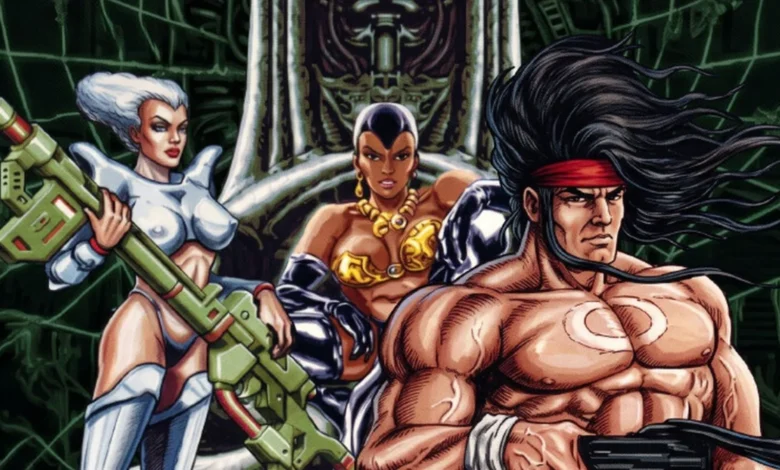
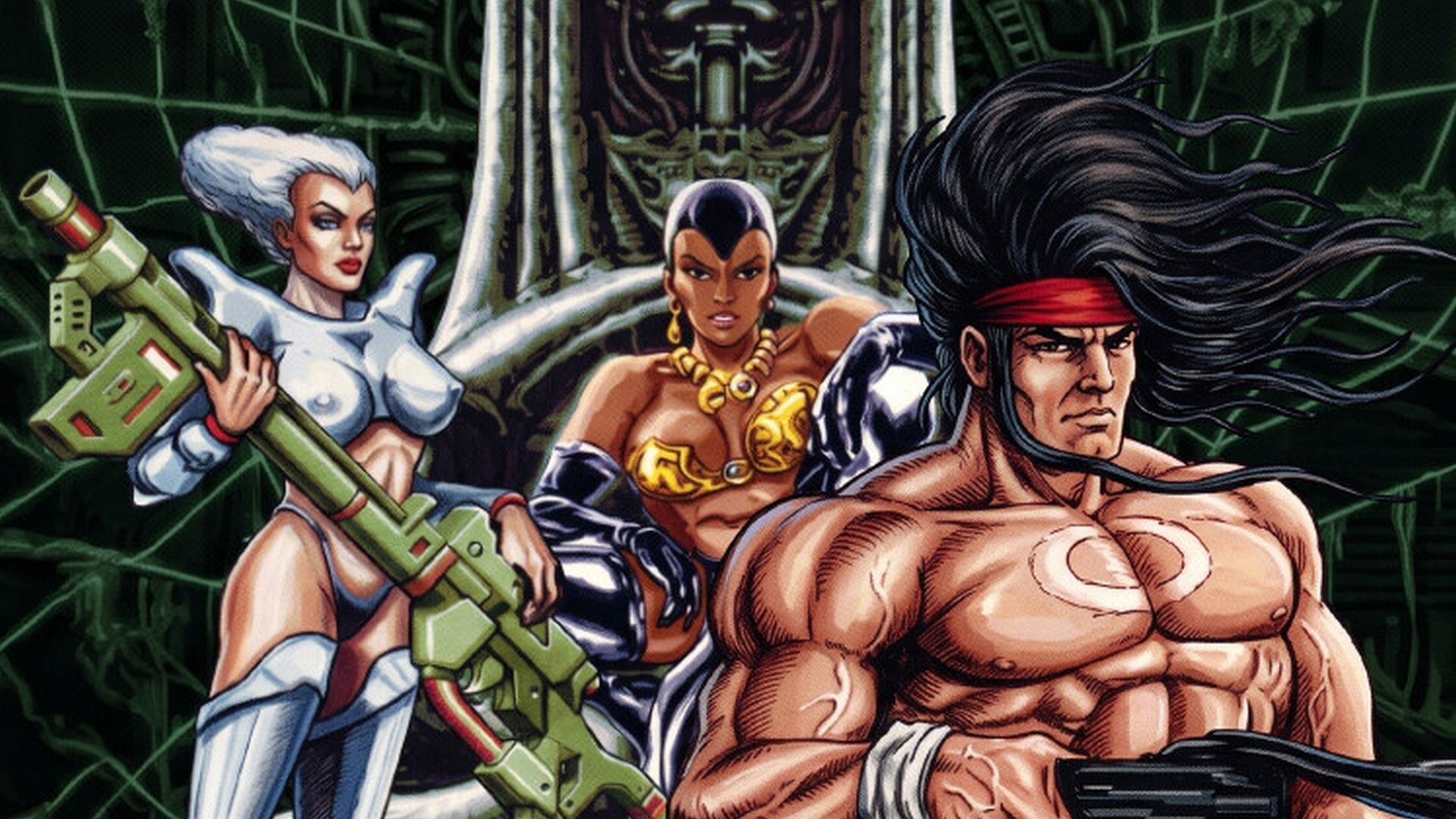
The Thunder Hoop series represents a curious chapter in the company’s history. The first game, released in 1992, introduced players to a protagonist whose design choices—specifically his glowing hair and ability to channel energy—strongly echoed the rising popularity of manga and anime aesthetics, most notably Dragon Ball Z. Coupled with a dark, industrial, and somewhat grotesque sci-fi atmosphere that mirrored the Aliens franchise, Thunder Hoop provided a unique, albeit derivative, aesthetic that stood out in crowded arcade cabinets.
Chronology of the Thunder Hoop Titles
The development trajectory of Thunder Hoop serves as a microcosm of the evolution of the platforming genre during the 90s.
- 1992 (Thunder Hoop): The inaugural entry was a traditional side-scrolling platformer. The narrative followed a genetically engineered teenager fighting against the forces of the malevolent Dr. Genbreak. The gameplay focused on tight, responsive platforming mechanics, featuring the standard trope-heavy level design of the era, including aquatic stages and industrial sewers.
- 1994 (TH Strikes Back): Two years later, Gaelco released the sequel, which showcased a significant shift in tone and scope. The protagonist was reimagined as a hyper-muscular adult, reflecting the "beefcake" hero trend popularized by characters like those in Contra or Doom. The gameplay shifted from pure platforming to a more aggressive run-and-gun format. Notably, the sequel experimented with genre-bending sequences, including a standout segment where the protagonist transforms into an energy-charged form—reminiscent of a Super Saiyan—and engages in a vertical, Gradius-style scrolling shooter segment.
Technical Preservation and Modern Accessibility
The upcoming release of the Thunder Hoop Collection by QUByte Interactive is part of a larger trend of "arcade preservation" spearheaded by publishers specializing in emulating legacy hardware. Bringing these titles to the PC platform via Steam involves more than simple porting; it requires the integration of modern quality-of-life features that accommodate the demands of contemporary players.
According to the developer specifications, the collection includes:
- Save States: Allowing players to suspend progress at any point, effectively removing the punishing "quarter-muncher" difficulty that defined original arcade experiences.
- Rewind Functionality: A modern standard that enables players to reverse gameplay seconds to correct fatal errors.
- CRT Filters: Visual shaders designed to emulate the scanlines and curvature of vintage cathode-ray tube monitors, providing a more authentic aesthetic experience.
- Local Multiplayer: While the first title was strictly limited to alternating turns for two players, the sequel features integrated local co-op, allowing for simultaneous action.
The Broader Impact of Niche Preservation
The decision to publish the Thunder Hoop Collection highlights a growing market for "lost" arcade media. Historically, these titles remained trapped on aging JAMMA (Japan Amusement Machine and Marketing Association) boards, accessible only to private collectors or those frequenting specialized retro-arcades. By making these titles digitally available, QUByte Interactive is effectively contributing to the digital archive of the Spanish video game industry.
Industry analysts note that the mid-tier arcade market of the 90s is a goldmine for digital storefronts. As the cost of software development for AAA titles continues to skyrocket, the low-overhead model of re-releasing legacy content—often categorized under "Retro Classics"—has become a reliable revenue stream for publishers. Furthermore, the Thunder Hoop titles serve as a primary source for understanding how global media trends (such as the international export of Japanese animation) permeated local European development studios, influencing game design on a granular, visual level.
Implications for the Retro Gaming Market
The release, scheduled for October 8, arrives at a time when the "nostalgia economy" is at its peak. However, unlike major franchises that rely on brand recognition, Thunder Hoop relies on its status as a "cult curiosity." The success of such a collection depends less on the brand power of the IP and more on the quality of the emulation and the transparency of the publisher regarding the game’s history.
For collectors, the primary interest lies in the "lost" nature of these titles. Many arcade games produced in Europe during the 90s were never converted to home consoles, meaning this Steam release represents the first time these games have officially entered the home-user market. The shift from an arcade-exclusive environment to a global PC marketplace is a significant transition for Gaelco’s portfolio, potentially setting a precedent for other European developers of the same era to have their libraries revisited.
Conclusion
The Thunder Hoop Collection is a reminder that the history of gaming is not merely a chronicle of the titans. It is a tapestry woven with thousands of smaller, often bizarre, and occasionally inspired projects that defined the childhoods of millions of players in regional markets. By bringing Thunder Hoop and TH Strikes Back to a modern audience, the industry is ensuring that these artifacts of 1990s design are not relegated to the dustbin of history. Whether as a lesson in game design evolution or as a nostalgic trip through the visual tropes of the 90s, the collection offers a unique look at a moment in time when a Spanish developer could create a hero as strange as a genetically engineered teenager fighting mutants with the power of an anime warrior. As October 8 approaches, the anticipation among the retro-gaming community underscores a simple truth: no matter how obscure a game may be, there is always an audience eager to experience the history of the medium.
Related posts: