Creative Assembly Confirms Physical Release and Smarter Xenomorph for Highly Anticipated Alien Isolation 2

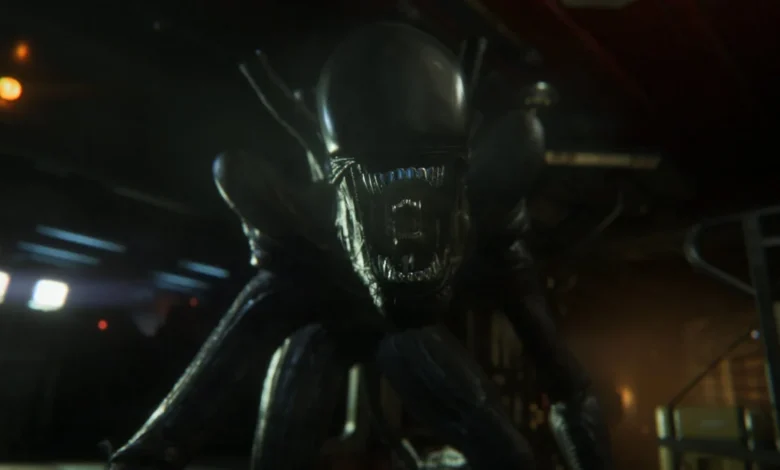
Creative Assembly has officially confirmed that the highly anticipated survival horror sequel, Alien: Isolation 2, will receive a full physical media release alongside an array of innovative gameplay enhancements. During a comprehensive developer Q&A session released by the studio, key members of the development team—including Creative Director Al Hope and Lead Game Designer James Green—shared vital new details regarding the project, promising a terrifying evolution of the mechanics that made the 2014 original a cult classic.
The announcement of a dedicated boxed edition provides a major reassurance for collectors and physical media advocates, arriving at a time of significant industry turbulence regarding the future of optical discs. Alongside this news, Creative Assembly detailed structural changes to the game’s environment design, continuity within the development team, and technological upgrades to the behavior of the iconic Xenomorph.
A Return to Form and the Commitment to Physical Media
The decision to offer a physical edition stems directly from the studio’s overarching design philosophy. According to Creative Assembly, staying true to the tangible, industrial, and "analogue" aesthetic of Ridley Scott’s seminal 1979 cinematic masterpiece remains one of the foundational pillars of the project. This commitment to physical authenticity heavily influenced the choice to release traditional boxed copies of the game, aligning the product’s distribution format with the tactile nature of its artistic inspiration.
However, this commitment to physical media introduces a complex logistical hurdle regarding platform availability. The announcement follows Sony’s controversial corporate declaration outlining plans to conclude the production and manufacturing of new PlayStation optical discs by January 2028. This upcoming policy shift has sparked widespread backlash from international consumer rights groups, physical media distributors, and a significant portion of the gaming community who argue for the preservation of digital and physical ownership parity.
Presently, Alien: Isolation 2 does not possess a confirmed public release date. Industry analysts note that if the sequel misses a launch window prior to early 2028, PlayStation users hoping to purchase a physical disc may face severe accessibility barriers, or be forced to rely exclusively on digital storefronts. Despite these potential distribution complications for Sony’s ecosystem, Creative Assembly has confirmed that the title will launch simultaneously across a broad multi-platform footprint, including PC, Xbox Series X/S, and Nintendo’s successor console, widely referred to in industry circles as the Nintendo Switch 2.
Evolving the Terror: Claustrophobic Interiors and Exposed Exteriors
In the newly published developer vlog, Creative Director Al Hope elaborated on how the team is expanding the notoriously oppressive level design that defined the original game. While the 2014 title relied heavily on tight, industrial corridors aboard the Sevastopol station to generate fear through confinement, the sequel introduces a psychological push-and-pull mechanic involving open-world environments.
"You have the interior spaces which feel claustrophobic and the player feels trapped, which is super familiar to Isolation fans," Hope explained during the briefing. "But we also have exteriors as well where the creature is now learning to adapt and hunt in these open spaces."
This dual-environment structure is intentionally designed to manipulate the player’s emotional state, acting as a dynamic psychological pendulum. Hope noted that the studio aims to construct an experience where players trapped inside will desperately seek escape into the open air. However, once that escape is achieved, the initial wave of relief will rapidly give way to a profound sense of vulnerability and exposure. This juxtaposition is designed to make players actively yearn to return to the relative safety of the claustrophobic interiors, creating a continuous feedback loop of anxiety and tension.
Technical Advancements and the Next Generation of the Xenomorph
Perhaps the most daunting revelation for franchise veterans is the technological advancement applied to the game’s primary antagonist. The original Alien: Isolation famously utilized a complex dual-AI system, where one AI tracked the player’s precise location while a second AI—the Xenomorph—acted as a director, orchestrating the creature’s movements to create the illusion of a relentless, learning predator.

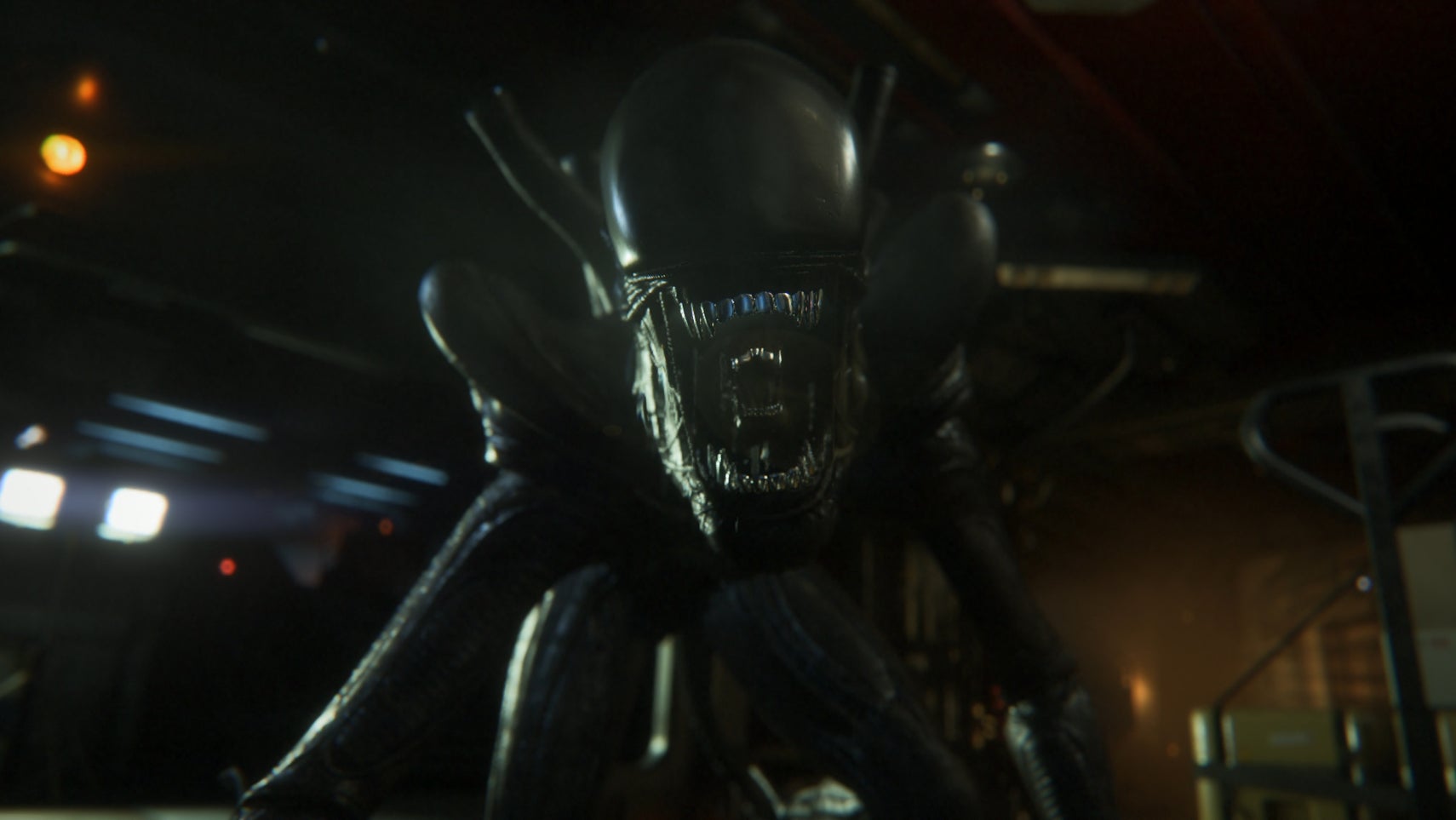
For the sequel, Creative Assembly has engineered an even more sophisticated neural behavioral architecture. According to the development team, the Xenomorph is "even more intelligent" this time around, boasting scarily advanced capabilities that allow it to interact dynamically with the environment. Specifically, the creature has been programmed to utilize extreme climate conditions and weather systems to conceal its approach, effectively turning the surrounding elements into an active hunting tool. This evolution requires players to constantly reassess their survival strategies, as classic hiding tactics from the first game may no longer guarantee safety against a more adaptable organism.
Bridging Experience and Innovation Within the Development Team
Maintaining the creative DNA of the 2014 original while introducing fresh gameplay paradigms requires a delicate balance of personnel. Lead Game Designer James Green addressed the composition of the studio during the Q&A, revealing that roughly a quarter to a third of the current development staff consists of veterans who worked on the first title.
This institutional knowledge ensures that the oppressive atmosphere, sound design principles, and psychological pacing of the original game remain intact. Simultaneously, the inclusion of new developers who were not involved in the first project has injected fresh perspectives into the creative pipeline, preventing the sequel from feeling like a mere stylistic retread and driving innovation in areas like open-space AI navigation and environmental interaction.
Industry Implications and the Broader Survival Horror Landscape
The formalization of Alien: Isolation 2 marks a significant milestone for the survival horror genre, which has experienced a sustained commercial and critical renaissance over the past half-decade. As major publishers increasingly lean toward digital-only distribution models to reduce overhead logistics, Creative Assembly’s dedication to a physical release stands as a notable counter-trend, driven largely by fan demand and artistic cohesion.
Furthermore, the integration of advanced adaptive AI in a modern AAA production sets a new technical benchmark for single-player antagonist design. As development continues, industry observers will be watching closely to see how Creative Assembly navigates the hardware constraints of current-generation consoles, the evolving digital-physical market landscape, and the immense expectations attached to following up one of the most celebrated horror titles of the modern gaming era.